Artwork
Raccolta di varie targhe di Roma fatte da Profeffori Primarj, Difegnate, ed Intagliate da Filippo Juvarra
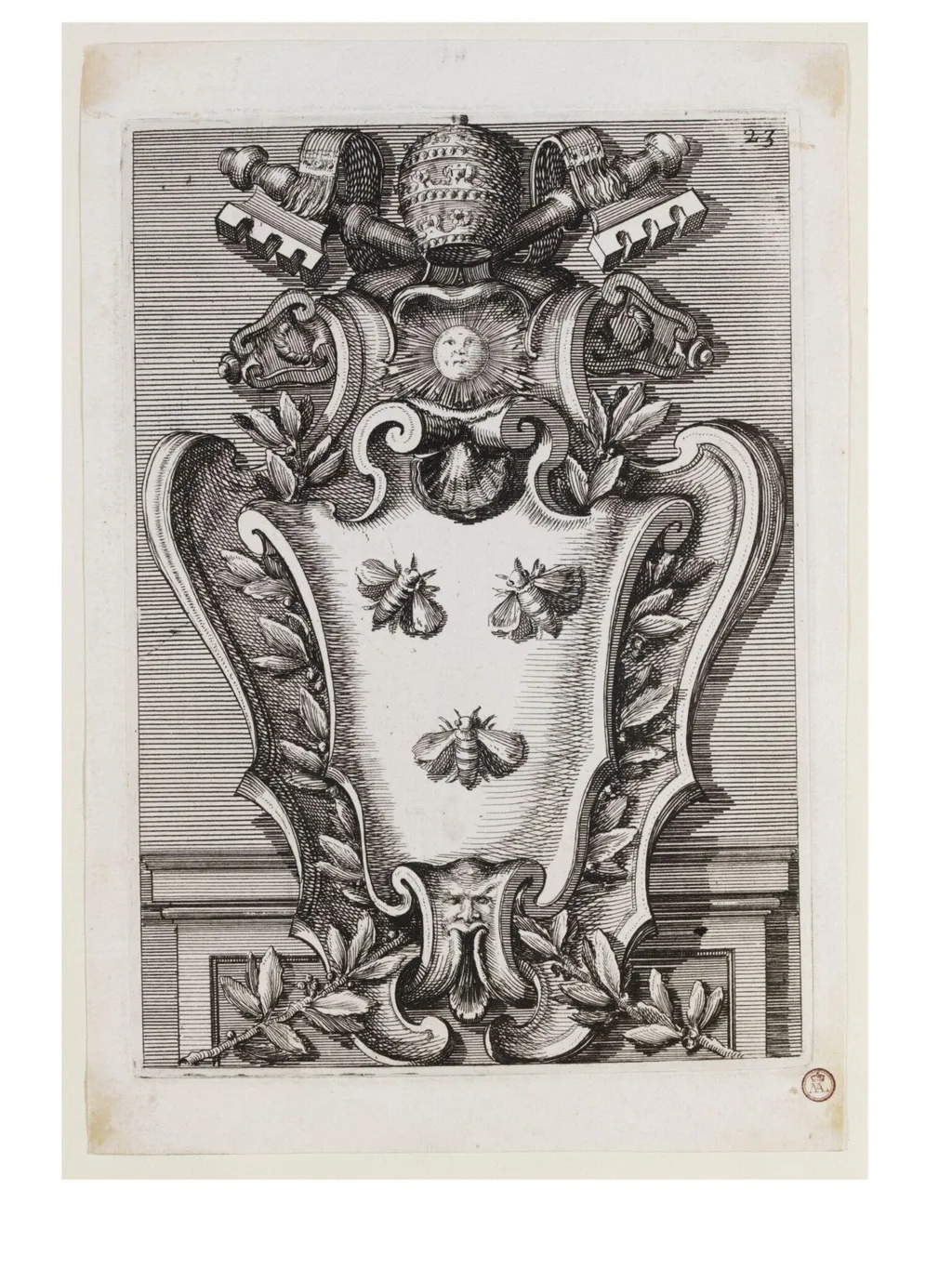
Raccolta di varie targhe di Roma fatte da Profeffori Primarj, Difegnate, ed Intagliate da Filippo Juvarra is a print by the Baroque artist Filippo Juvarra. It dates from 1716 and is held in the collection of the Victoria and Albert Museum.
About this work
Overview
This print, created by Filippo Juvarra, reproduces a cartouche originally designed by Gian Lorenzo Bernini for the Palazzo of the Propaganda Fide in Rome. It is part of a larger series of 57 cartouches copied by Juvarra from 16th- and 17th-century Roman buildings.
Subject & Meaning
The cartouche, characterized by its asymmetrical, ornately decorated frame with fleshy, curved forms, was intended to enclose an inscription, monogram, or coat of arms. This example specifically displays the arms of Pope Urban VIII, reflecting its Baroque origins.
Technique & Style
The print exemplifies the Roman Baroque style, for which Bernini was renowned. Juvarra's reproduction showcases the distinctive, expressive curves and ornateness typical of this period, even in the context of a printed copy.
History & Provenance
Originally designed by Bernini for the Palazzo of the Propaganda Fide, the cartouche was later copied and engraved by Juvarra as part of his collection of Roman architectural details, highlighting the exchange and documentation of Baroque designs.
Context
Part of a set of 57 copied cartouches, this work demonstrates Juvarra's effort to document and disseminate prominent Baroque designs from Rome's architectural heritage, underscoring the era's emphasis on ornamentation and symbolic display.
Legacy
As a reproduction of Bernini's work, the print contributes to the broader legacy of Roman Baroque architecture, facilitating the study and appreciation of its characteristic motifs and the work of its leading figures.
Artist & collection


![Studies for the Façade of Santa Cristina [recto], by Filippo Juvarra](https://artifactworldgallery.com/img/filippo-juvarra--studies-for-the-facade-of-santa-cristina-recto--3ded5144bd068ef0-w320.webp)
![Floor Plan [verso], by Filippo Juvarra](https://artifactworldgallery.com/img/filippo-juvarra--floor-plan-verso--77b62087740b42b9-w320.webp)
 Crest
Crest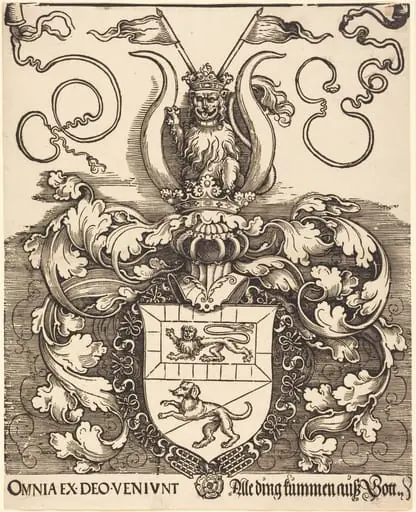 Coat of Arms of Lorenz Staiber
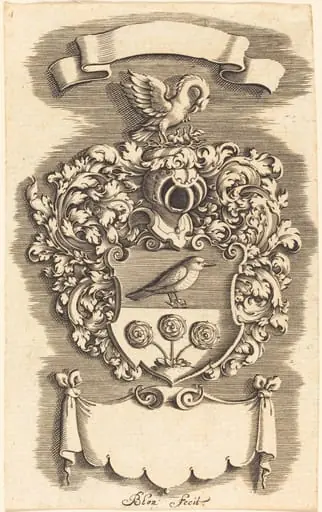 Crest
Crest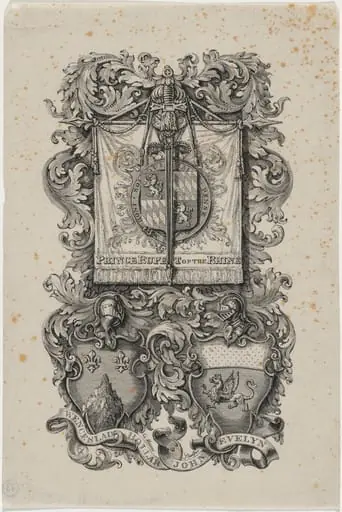 Coat of Arms of Prince Rupert, Hollar and Evelyn
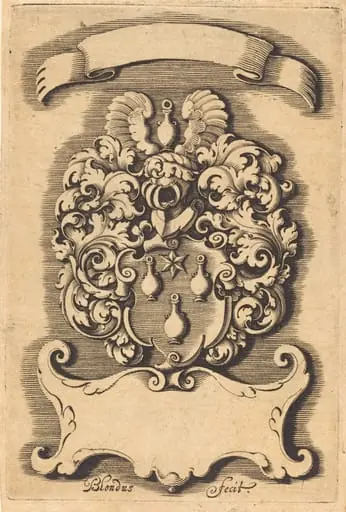 Crest
Crest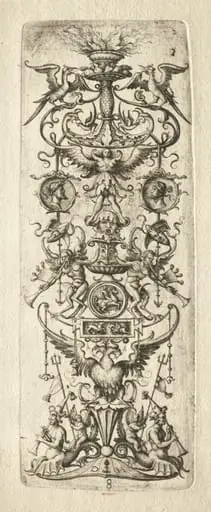 Ornament Fillet
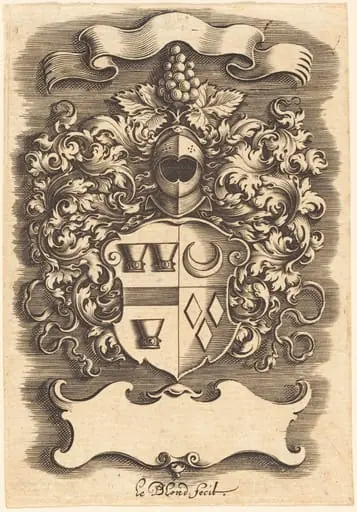 Crest
Crest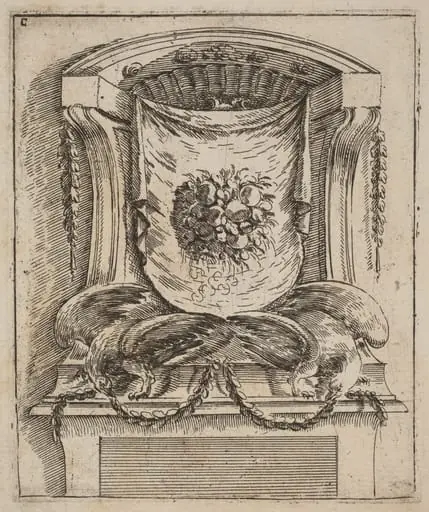 Architectural Motif with a Drape with Fruit
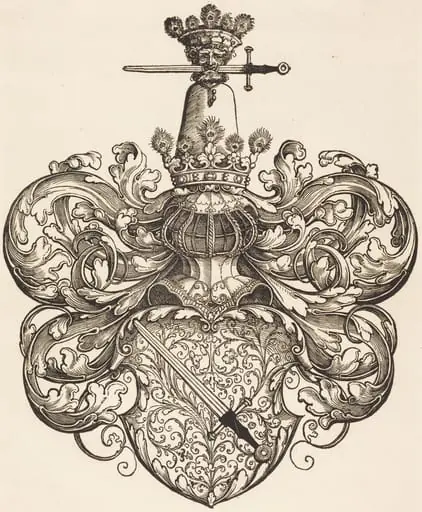 Coat of Arms of the Kress von Kressenstein Family
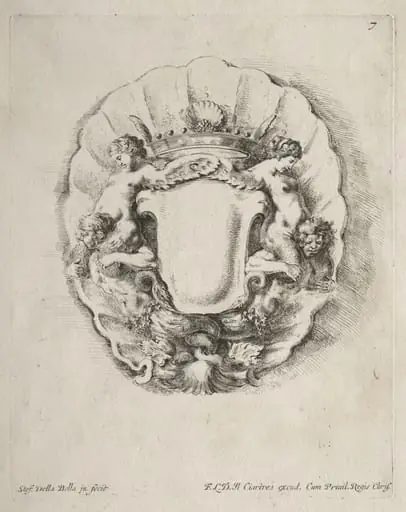 Collection of Various Caprices and New Designs of Cartouches and Ornaments: No 7
 Crest
Crest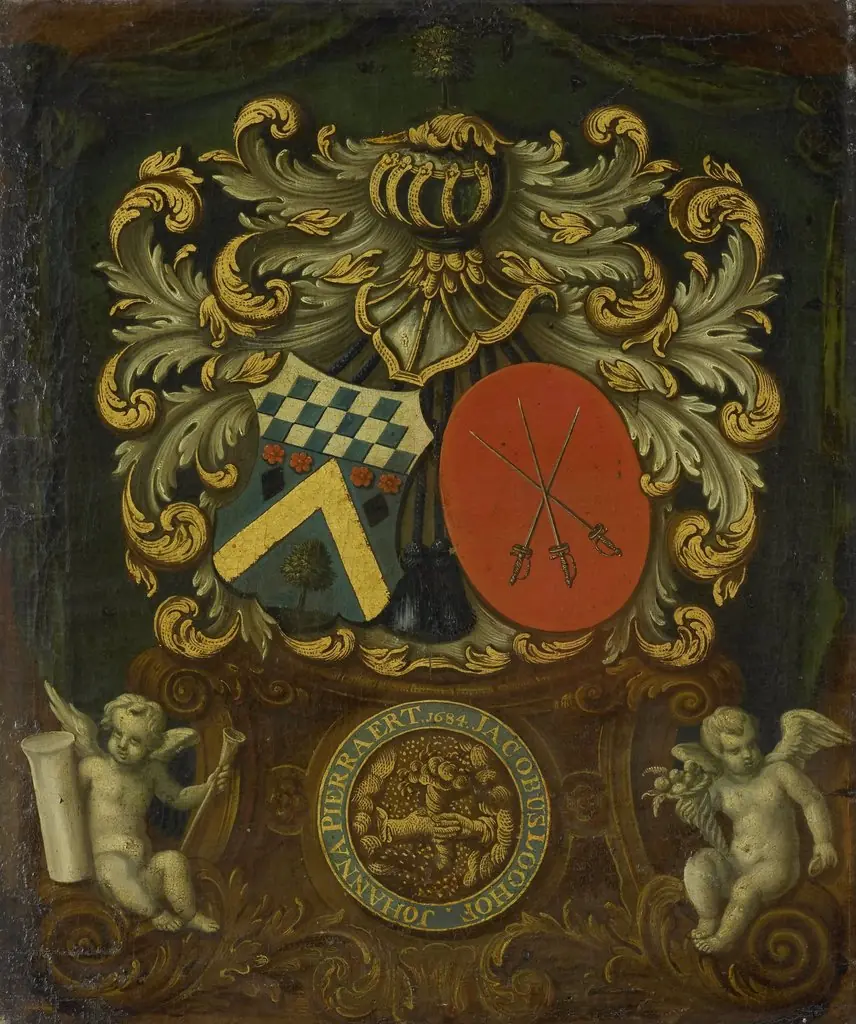 The family shields of Jacobus Loohoff and Johanna Pierraert, 1684