Artwork
Ornament Fillet
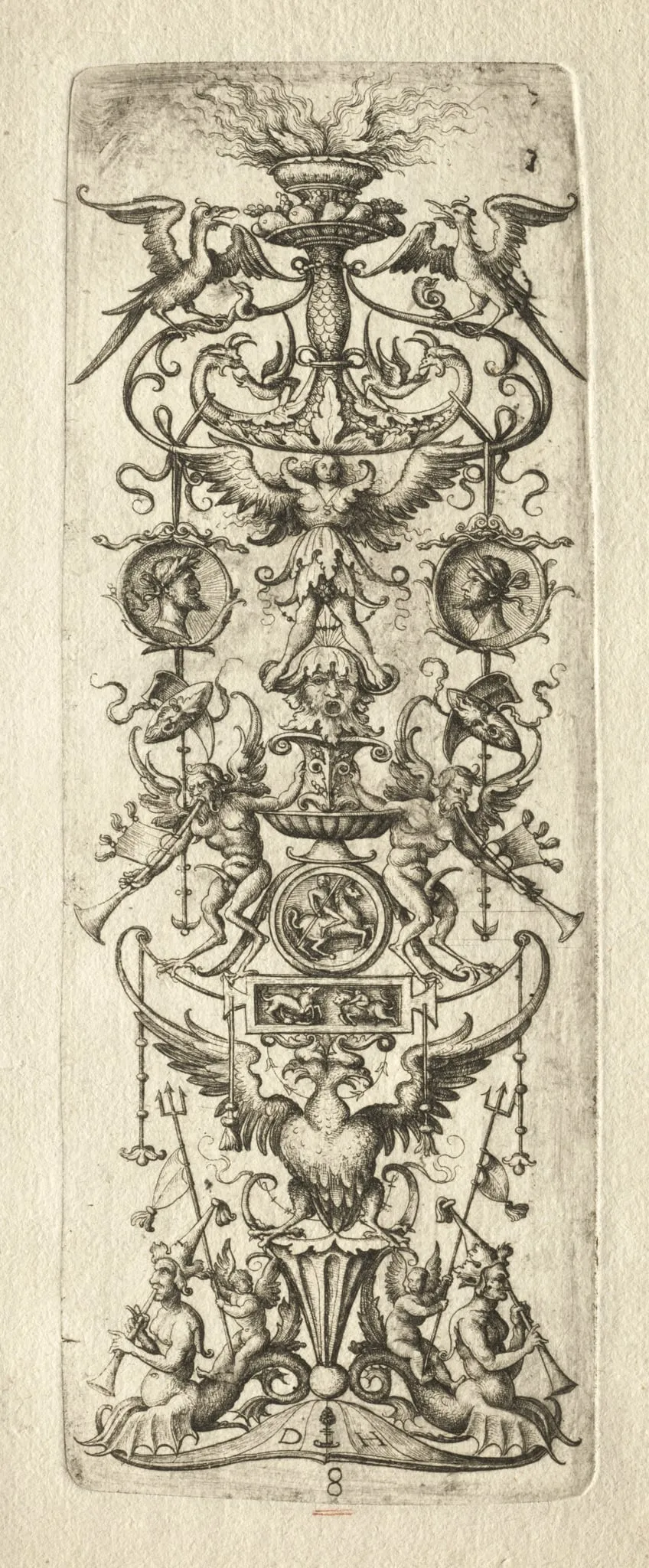
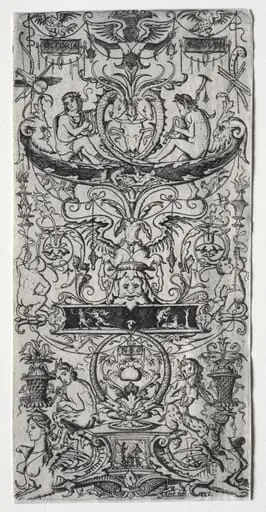
Ornament Fillet is a print by Daniel Hopfer. It dates from 1513 and is held in the collection of the Cleveland Museum of Art.
About this work
Overview
The design is symmetrically balanced, with mirrored elements on either side, and is rendered in stark black lines against a light ground.
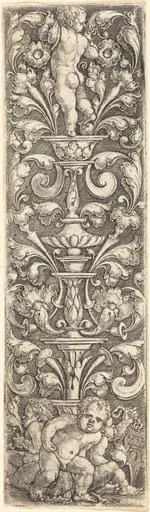
Created circa 1513, *Ornament Fillet* is a print by German artist Daniel Hopfer. Executed on an iron plate, the composition consists of intricate, interlacing motifs that fill the surface with swirling forms, fantastical creatures, and miniature figures bearing shields, spears and unusual implements. The design is symmetrically balanced, with mirrored elements on either side, and is rendered in stark black lines against a light ground.
Subject & Meaning
The image presents a dense network of ornamental and allegorical symbols. Central to the scene is an elaborate vase flanked by two winged monsters, while surrounding the central zone are tiny, armed figures engaged in ambiguous activities. The crowded arrangement suggests a decorative, perhaps emblematic purpose rather than a narrative, inviting viewers to contemplate the interplay of mythic and martial iconography.
Technique & Style
Hopfer employed iron plates for this work, a choice linked to his experience as a maker of steel armor. The plate was incised with a needle, then acid etched to create the lines, producing bold, uniform strokes that stand out sharply on the paper. The style reflects early Renaissance ornamental design, emphasizing symmetry, dense patterning, and a graphic clarity characteristic of Hopfer’s printmaking.
History & Provenance
Daniel Hopfer, active in the first half of the 16th century, is recognized as one of the earliest practitioners of etching in Europe. *Ornament Fillet* entered the collection of the Cleveland Museum of Art, where it remains part of the museum’s holdings of early modern prints, illustrating the artist’s role in the development of metal-plate etching.
Context
The print belongs to a period when German artisans were experimenting with new print techniques, merging decorative arts with emerging graphic processes. Hopfer’s background in armor production provided both the material and technical knowledge that enabled the use of iron plates, positioning him at the intersection of metalwork and visual culture in early 16th‑century Germany.
Artist & collection

Artist
Daniel Hopfer (c. 1470 – 1536) was a German artist who is widely believed to have been the first to use etching in printmaking, at the end of the 15th century. He also worked in woodcut. Although his etchings were…

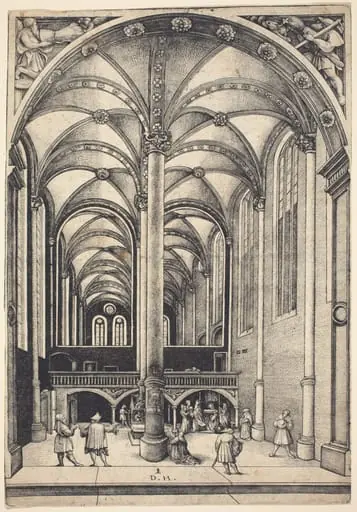 Interior of the Church of Saint Maria Magdalena with the Parable of the Offering of the Widow
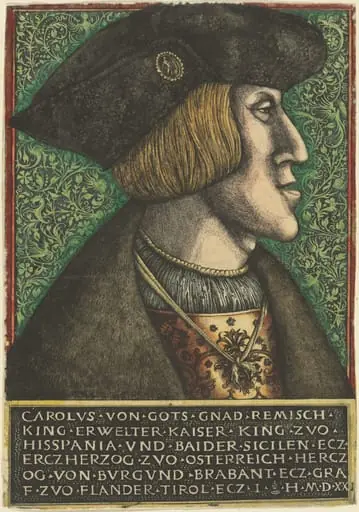 Emperor Charles V
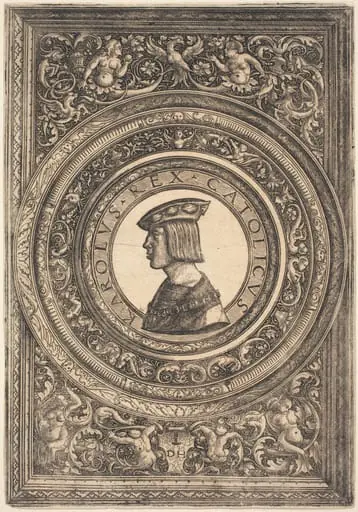 Emperor Charles V
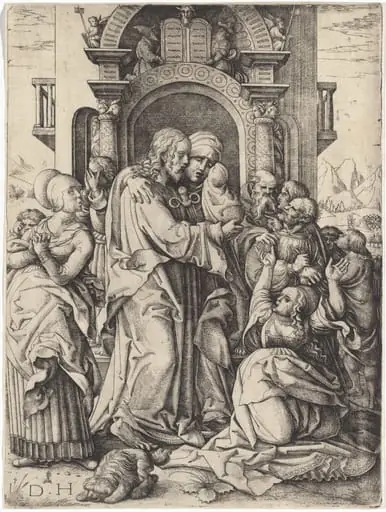 The Virgin Mary Taking Leave of Christ
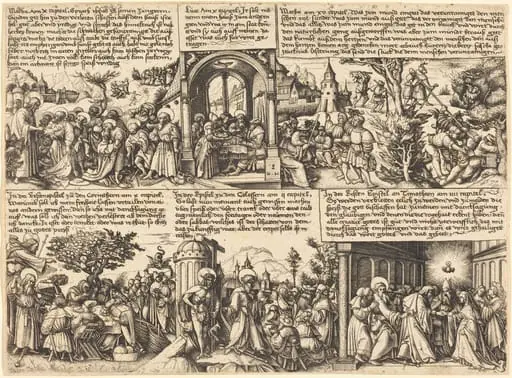 Jesus Christ Giving the Mission to the Apostles and Other New Testament Scenes
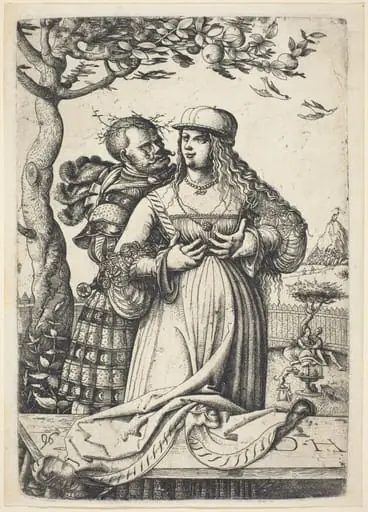 Soldier Embracing a Woman
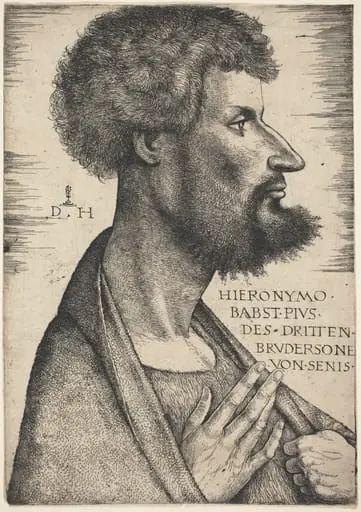 Girolamo da Siena
 The Virgin and Child with Saint Anne by a Portal
 High Ornament
 Coat of Arms of Lorenz Staiber
 Coat of Arms of Prince Rupert, Hollar and Evelyn
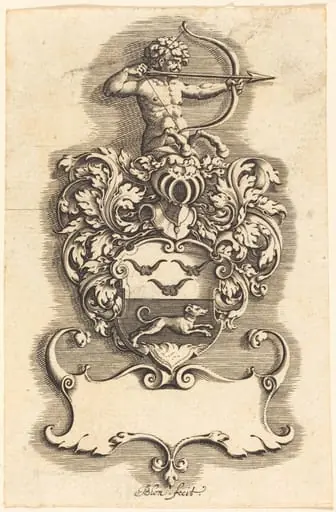 Crest
Crest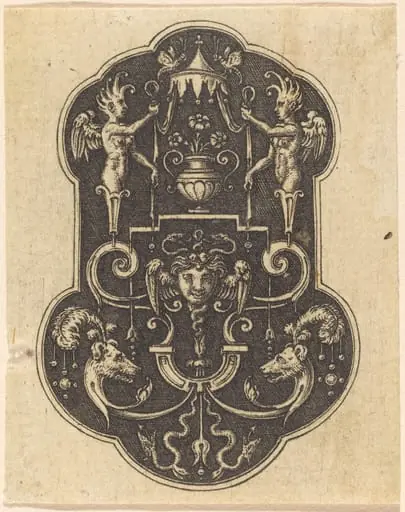 Head of Medusa
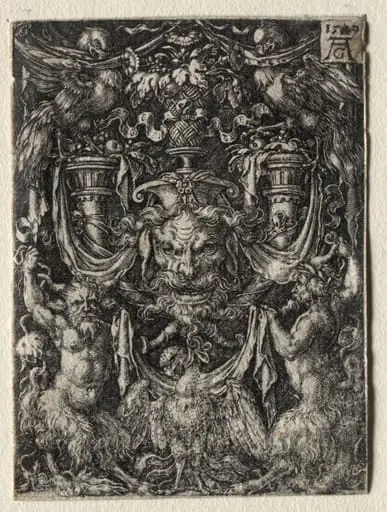 Ornament Design with a Mask and an Eagle between Two Fauns Below
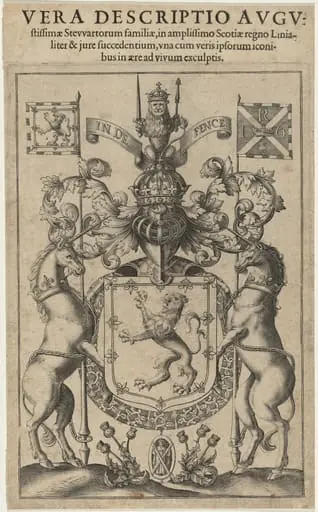 Stuart Coat of Arms from Vera Descriptio by John Jonston
 Ornament Panel Inscribed Victoria Augusta
 Crest
Crest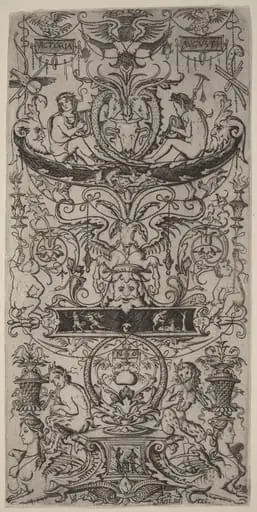 Ornament Panel: Victoria Augusta
 Crest
Crest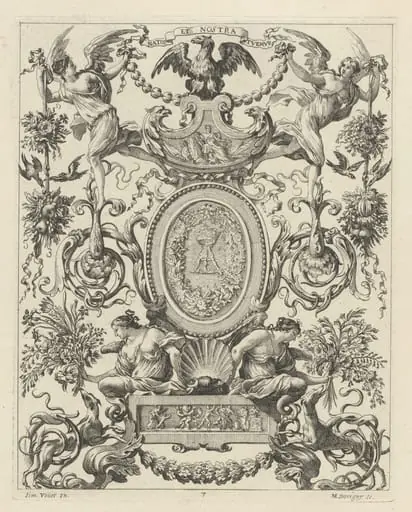 Ornamental Panel Surmounted by an Eagle and the Motto NATOS ET NOSTRA TUEMUR