Artwork
Agnes von Felsen
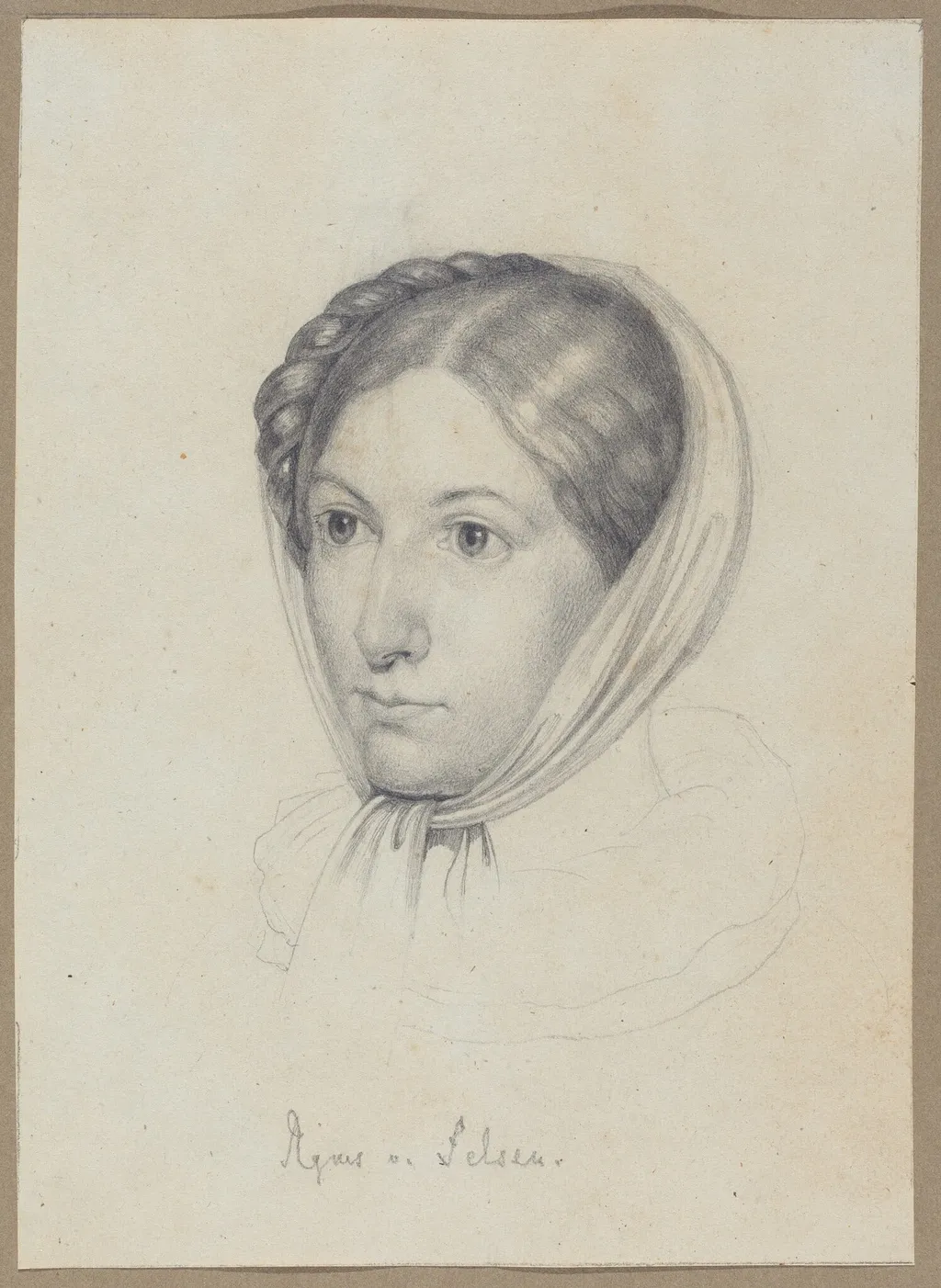
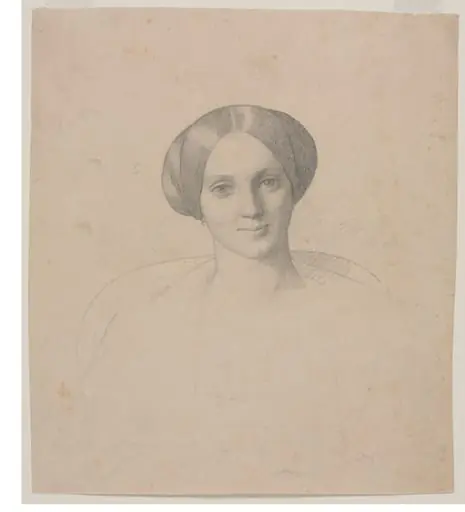
Agnes von Felsen is a graphite drawing by the Romanticist artist Wilhelm von Kügelgen. It dates from 1822 and is held in the collection of the National Gallery of Art.
About this work
Overview
Wilhelm von Kügelgen’s graphite drawing titled Agnes von Felsen dates from around 1822. Executed on wove paper, the work presents a half‑length portrait of a woman, rendered in a restrained monochrome palette. The composition focuses on the sitter’s face and upper shoulders, capturing a moment of quiet contemplation typical of early‑nineteenth‑century portrait studies.
Subject & Meaning
The figure appears as a genteel lady, her hair gathered back and her attire a high‑necked dress trimmed with modest lace. The expression is solemn, suggesting a dignified yet introspective character. While no explicit narrative accompanies the image, the portrait’s restrained demeanor aligns with contemporary ideals of feminine propriety and interiority.
Technique & Style
Kügelgen employs soft graphite strokes to model the facial planes, using delicate shading to suggest volume around the eyes, cheekbones, and jawline. The lines remain fluid yet deliberate, allowing subtle transitions between light and shadow. This approach reflects the period’s emphasis on quick yet attentive studies, where tonal variation conveyed depth without elaborate detail.
History & Provenance
Created circa 1822, the drawing likely served as a preparatory study or a personal memento for the sitter, Agnes von Felsen. Its survival on wove paper indicates careful preservation, though specific ownership records are limited. The work exemplifies the artist’s practice of producing intimate portrait sketches during the early Romantic era.
Artist & collection


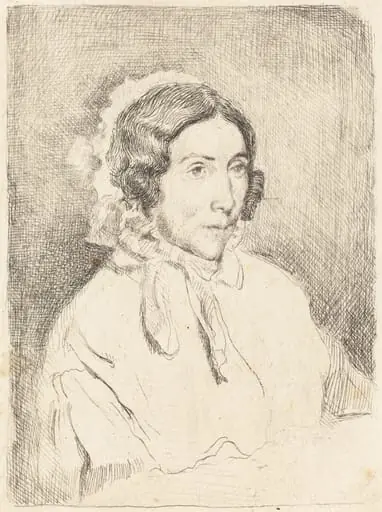 Woman in a Ruffled Cap (Dame agée)
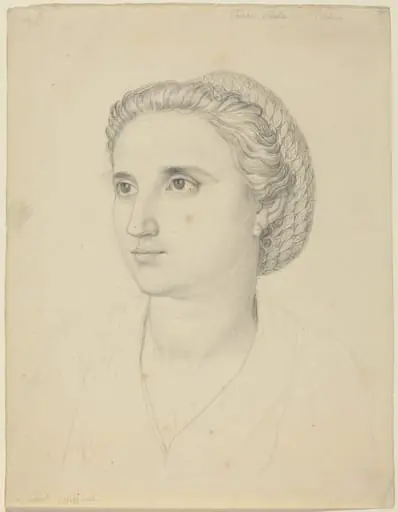 Teresa Scala, Calabrese
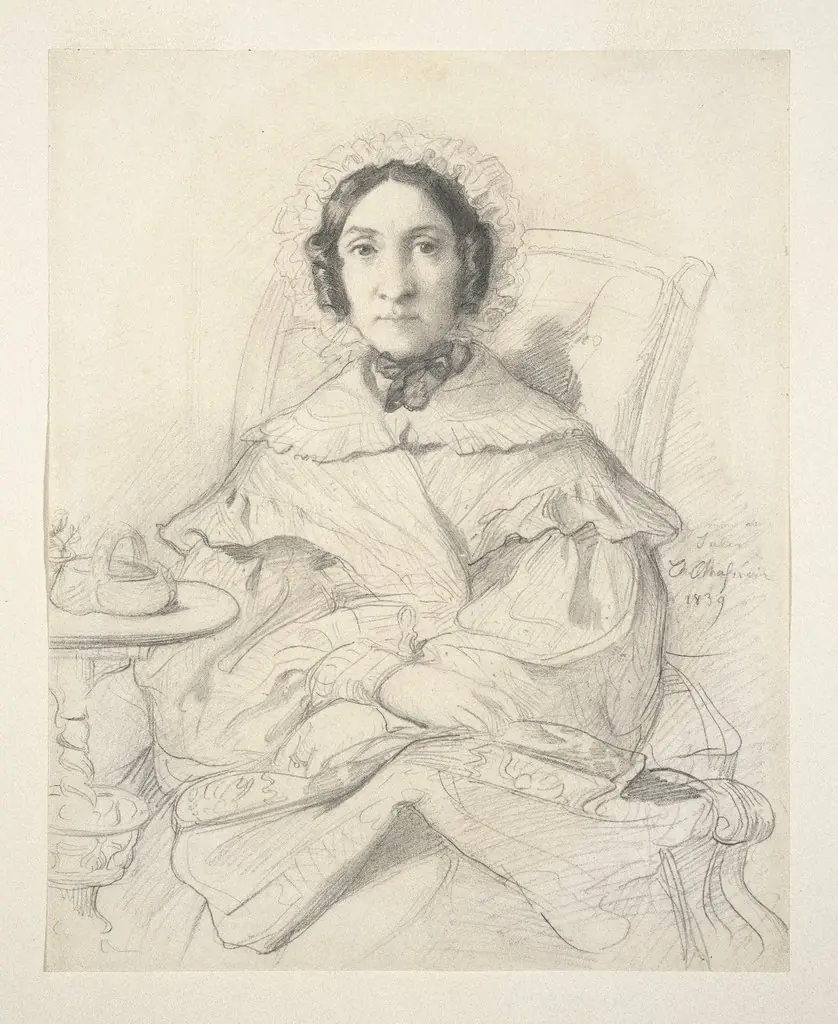 Portrait of Madame Monnerot
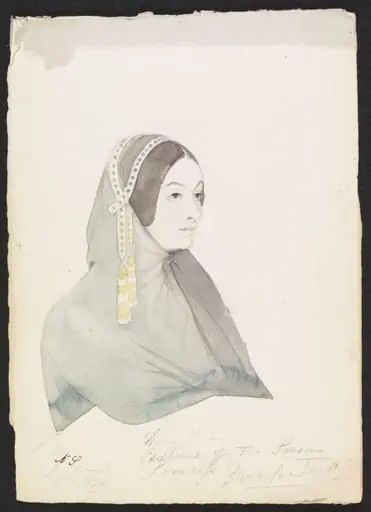 Costume of the Persian Princess Broussa Turkey
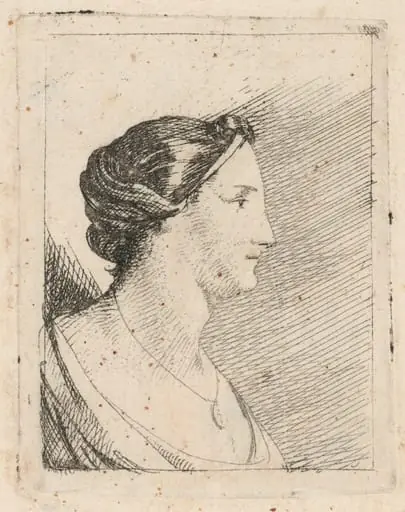 Bust of a Woman
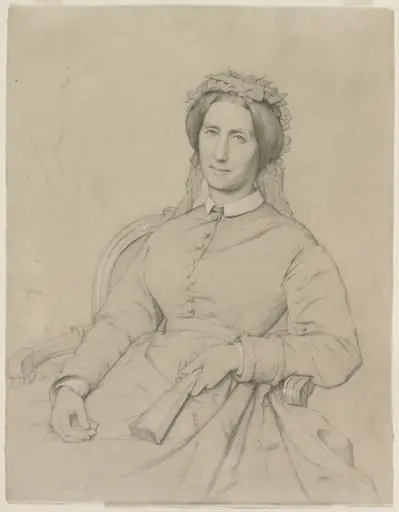 Madame Hippolyte Flandrin (Aimée Ancelot)
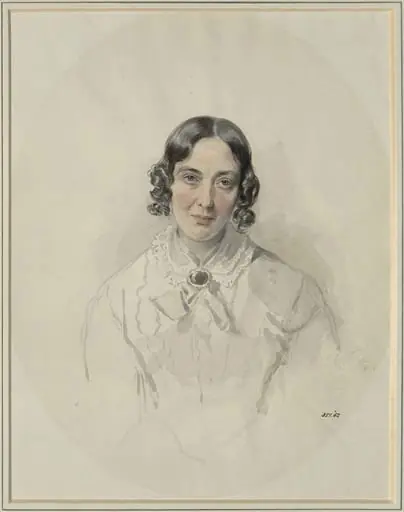 Portrait of Mrs Milnes
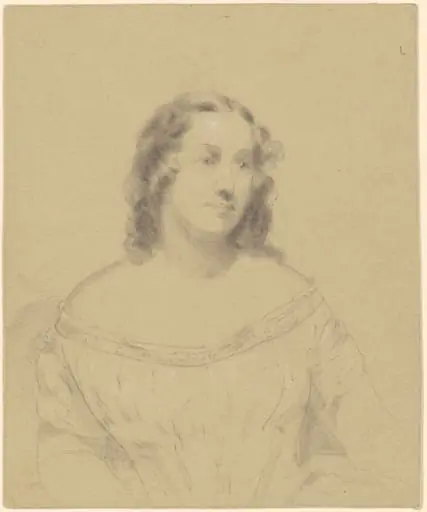 Mrs. Sylvanus D. Lewis (Estelle Anna Blanche Robinson)
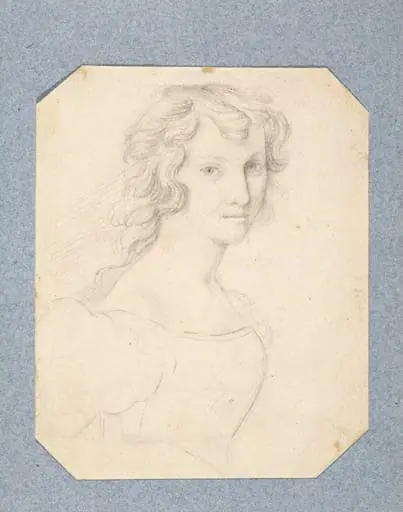 drawing from the Ionides Album
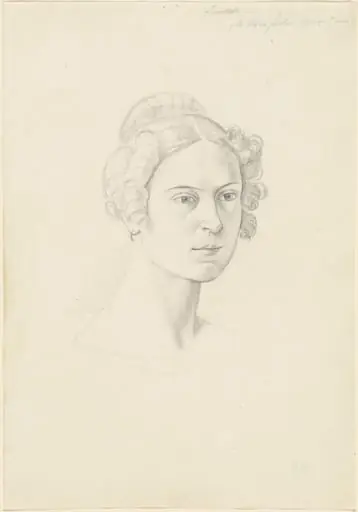 Giuseppina Massimi, Principessa Lancellotti di Lauro
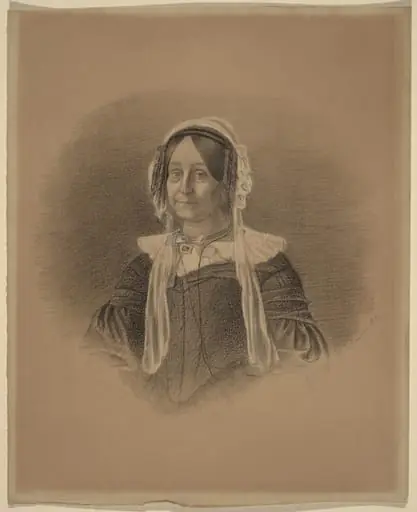 Portrait of an Old Woman
 Portrait Head of a Woman