Artwork
Pregnant Woman Contemplating Suicide (recto)
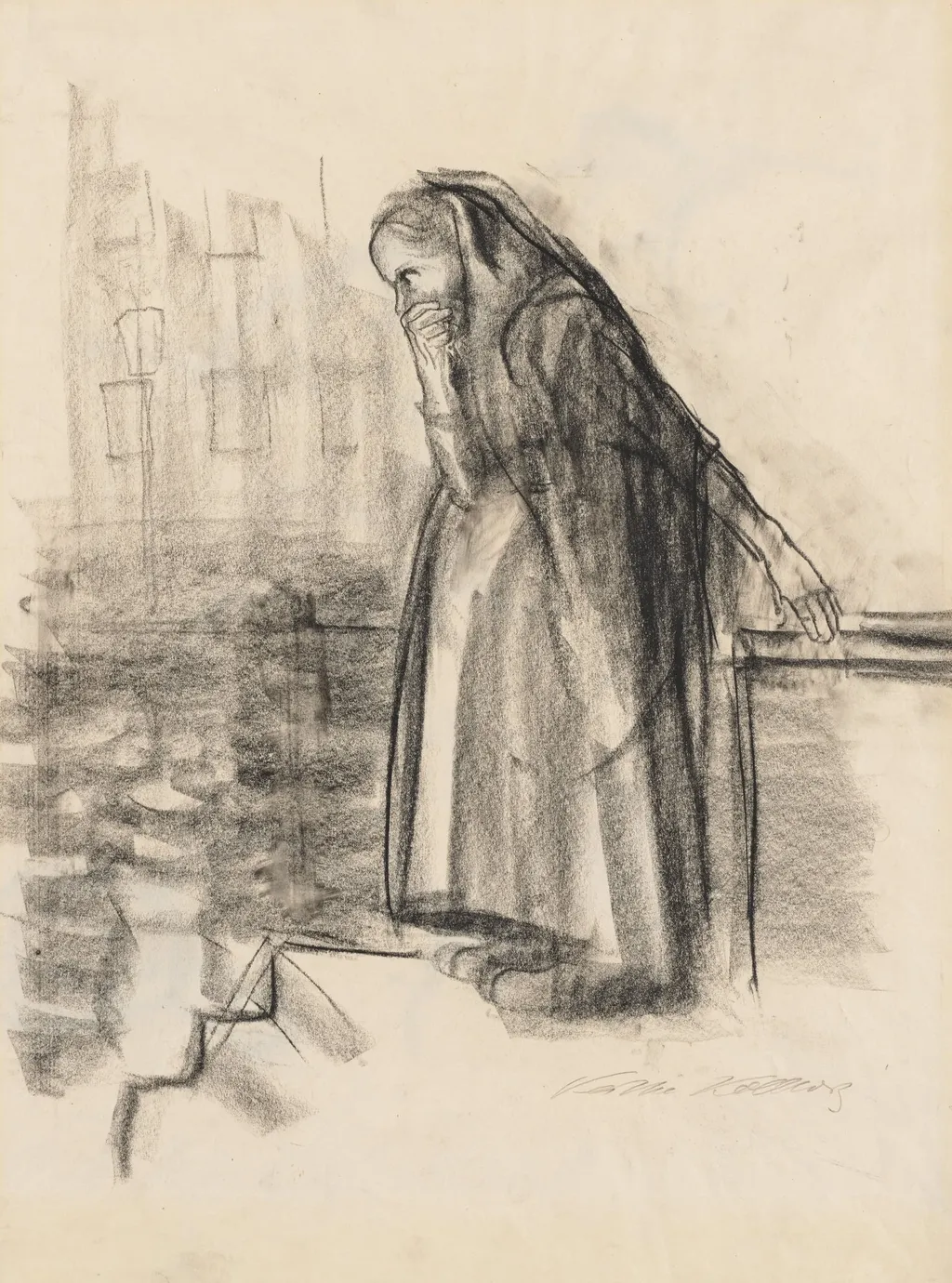
Pregnant Woman Contemplating Suicide (recto) is a drawing by Käthe Kollwitz. It dates from 1926 and is held in the collection of the Cleveland Museum of Art.
About this work
This etching shows a pregnant woman with her head in her hands. Her body leans forward like she’s about to collapse.
Kollwitz made this after World War I. She lost her son in the war and drew grief constantly. Just a few dark lines show deep sorrow.
She used simple crayon but made it feel huge. Look for the raw emotion in every mark. Check out Käthe Kollwitz (German, 1867–1945) next.
Overview
This drawing by Käthe Kollwitz captures a pregnant woman in a moment of profound stillness, her posture suggesting collapse under emotional weight.
This drawing by Käthe Kollwitz captures a pregnant woman in a moment of profound stillness, her posture suggesting collapse under emotional weight. Executed in minimal crayon strokes, the work conveys despair without narrative detail. Created after World War I, it reflects Kollwitz’s shift toward themes of mourning and survival, rooted in personal loss and societal trauma. The simplicity of the medium intensifies the emotional gravity of the subject.
Subject & Meaning
The figure represents not an individual but a collective experience of grief—mothers, widows, and the bereft left behind after war. Her pregnancy underscores the cruel continuity of life amid devastation, amplifying the weight of her sorrow. Kollwitz avoids melodrama; instead, the woman’s bowed head and slumped form speak to exhaustion, resignation, and the silence of unspoken suffering.
Technique & Style
Kollwitz employed coarse crayon to produce bold, unrefined lines that suggest form through suggestion rather than detail. The absence of background or ornamentation focuses attention entirely on the figure’s posture and expression. Her technique rejects decorative refinement, favoring raw, direct marks that mirror the immediacy of grief—each stroke feels deliberate, urgent, and emotionally charged.
History & Provenance
Created in the aftermath of World War I, the drawing emerged from Kollwitz’s personal anguish following the death of her son Peter in 1914. She turned increasingly to themes of loss, poverty, and maternal suffering in her work during this period. This piece belongs to a broader series of drawings and prints documenting the human cost of war, produced in private and later shared through exhibitions and publications.
Context
In post-war Germany, widespread mourning, economic collapse, and political instability shaped artistic responses. Kollwitz’s focus on the vulnerable—mothers, children, the poor—stood in contrast to the heroic or nationalist imagery prevalent in official art. Her work aligned with social realism, offering quiet testimony to suffering often ignored by public discourse and state narratives.
Legacy
Kollwitz’s drawings, including this one, redefined the role of print and graphic art in expressing social conscience. Her unflinching depictions of grief influenced later generations of artists engaged with human rights and trauma. Though not widely exhibited during her lifetime, her work gained recognition for its moral clarity and emotional resonance, securing her place in 20th-century art history.
Artist & collection
Artist
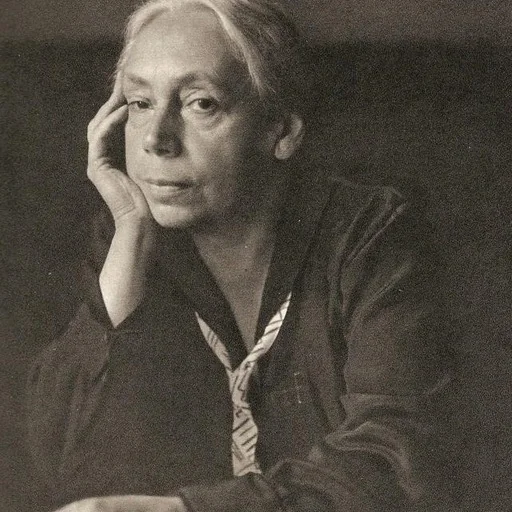
Käthe Kollwitz (German pronunciation: born Schmidt; 8 July 1867 – 22 April 1945) was a German artist who worked with painting, printmaking (including etching, lithography and woodcuts) and sculpture.

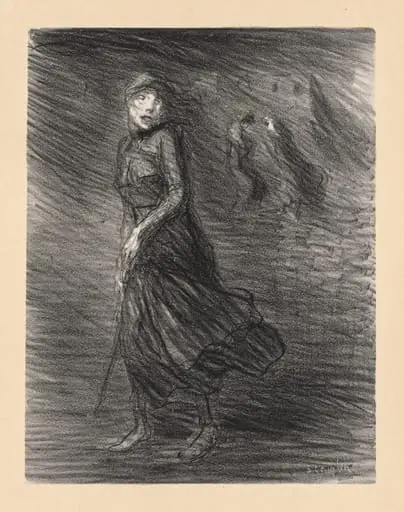 In the Street (Dans la Rue)
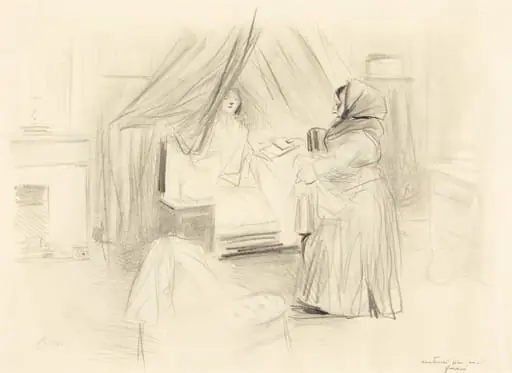 Le petit déjeuner (planche en largeur) (Breakfast) (horizontal plate)
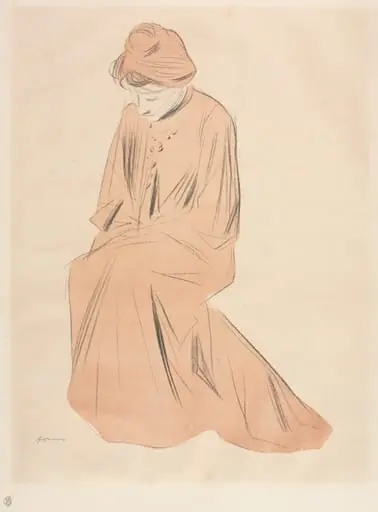 Study of a Seated Woman
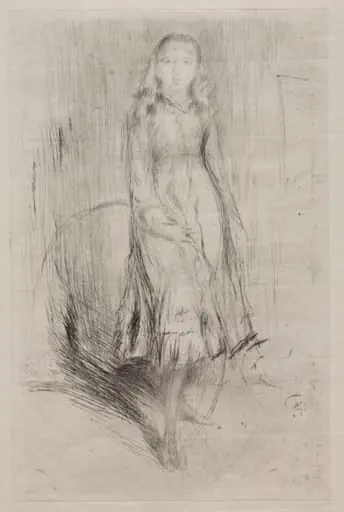 Florence Leyland
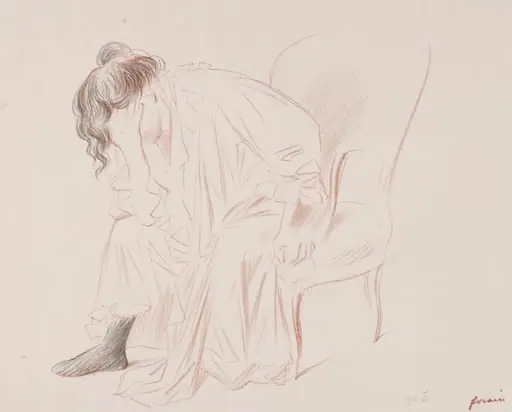 Woman Seated
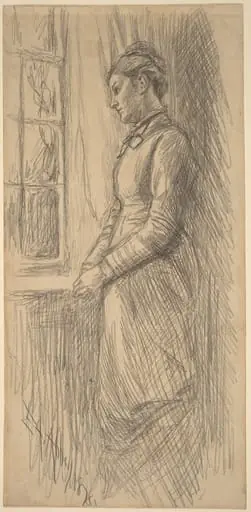 Solitude: Miss Vesta Rollinstall
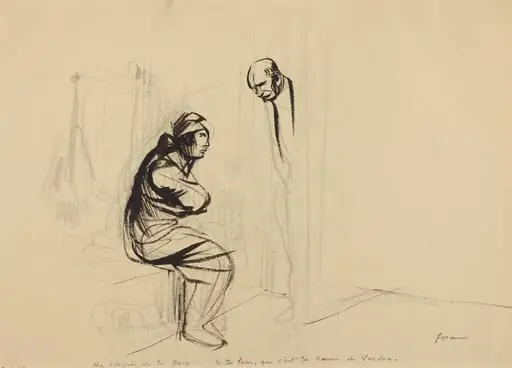 a) Au congres de la Paix (recto); b) Untitled (verso)
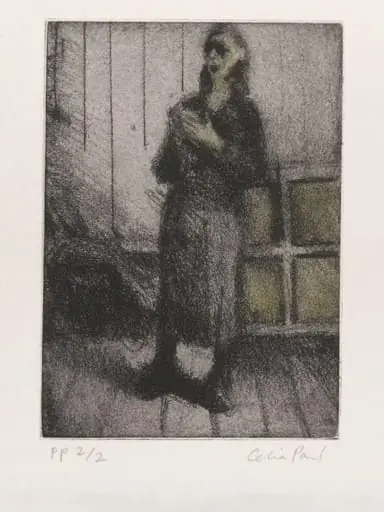 In the Studio
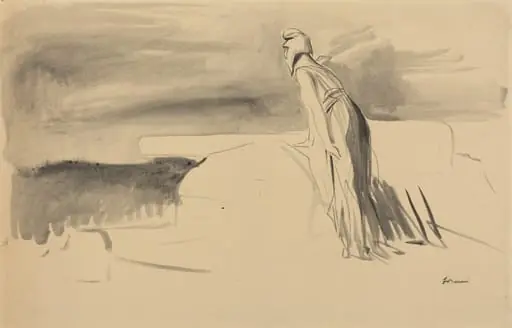 France Watching
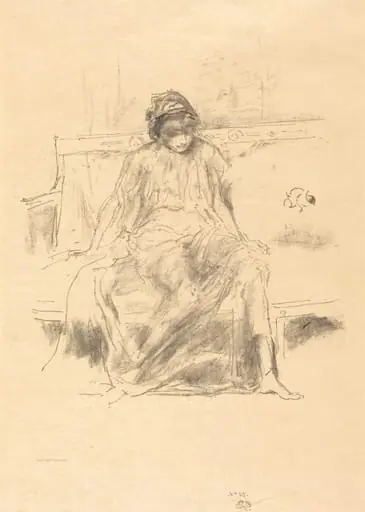 The Draped Figure, Seated
 By the Fountain, Villa Torlonia, Frascati, Italy
 Untitled