Artwork
Beggars
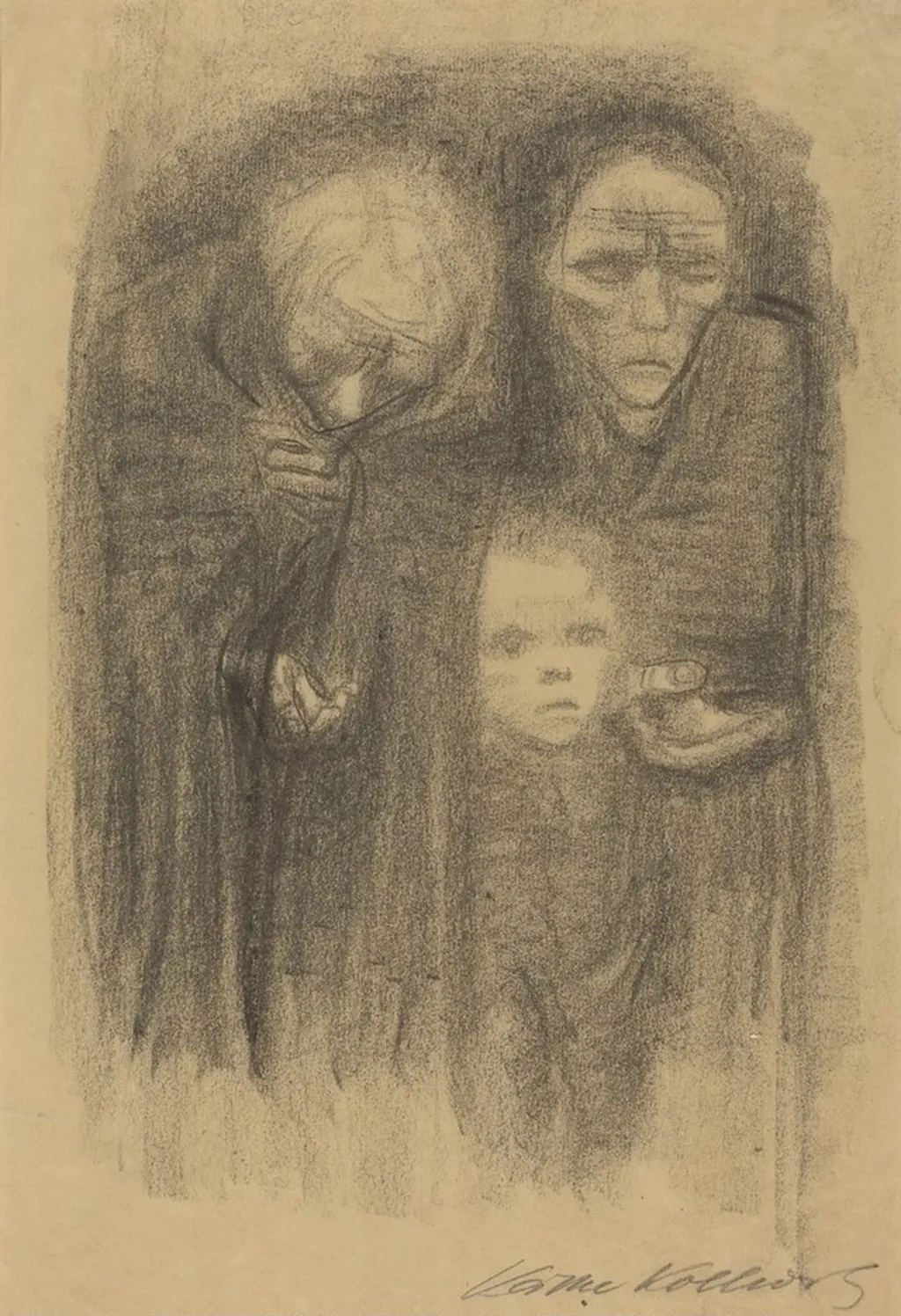
Beggars is a charcoal drawing by Käthe Kollwitz. It dates from 1924 and is held in the collection of the National Gallery of Art.
About this work
You see two hunched figures in dark, scratchy lines—one leaning on a stick, the other clutching a bowl.
You see two hunched figures in dark, scratchy lines—one leaning on a stick, the other clutching a bowl.
Käthe Kollwitz drew this in 1924, when Germany was poor and hungry after the war. She knew hardship firsthand; her son died in World War I. The faces aren’t detailed, but the weight of their bodies tells you everything.
Look up *cross-hatching*—how she layered lines to build shadows and texture.
Overview
Created in 1924, this charcoal drawing by Käthe Kollwitz portrays two emaciated figures, one propped against a staff and the other gripping a shallow bowl. The stark, gestural marks convey a sense of exhaustion and deprivation, reflecting the widespread scarcity that afflicted Germany in the post‑World War I period.
Subject & Meaning
The composition focuses on itinerant beggars, their hunched postures and indistinct faces serving as a universal symbol of poverty rather than individualized portraiture. By emphasizing the physical weight of their bodies, Kollwitz evokes the collective suffering of those left destitute by war and economic collapse, inviting contemplation of social injustice.
Technique & Style
Executed entirely in charcoal, the work relies on dense cross‑hatching and overlapping strokes to generate deep shadows and textured surfaces. The rough, almost abrasive line quality aligns the piece with Expressionist tendencies, while the underlying realism in the figures’ anatomy grounds the emotional intensity in tangible human form.
History & Provenance
Kollwitz produced the drawing during a period of personal grief, having lost her son in the Great War, and amid national hardship. Though primarily known for her prints and sculptures, this piece exemplifies her later shift toward expressionist drawing. It entered the artist’s estate after her death and has since been held in German public collections.
Context
The early 1920s in Germany were marked by hyperinflation, food shortages, and social unrest. Kollwitz’s focus on the marginalized resonated with contemporary debates about welfare and the responsibilities of the state, positioning the drawing within broader artistic and political discourses on post‑war reconstruction.
Artist & collection
Artist
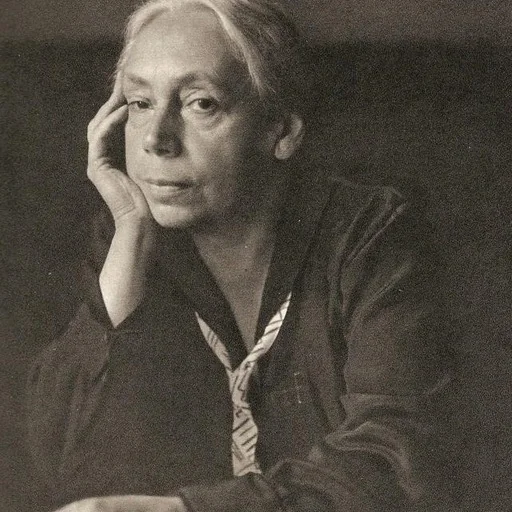
Käthe Kollwitz (German pronunciation: born Schmidt; 8 July 1867 – 22 April 1945) was a German artist who worked with painting, printmaking (including etching, lithography and woodcuts) and sculpture.

 Untitled
 Ajunge! Temă moralizatoare
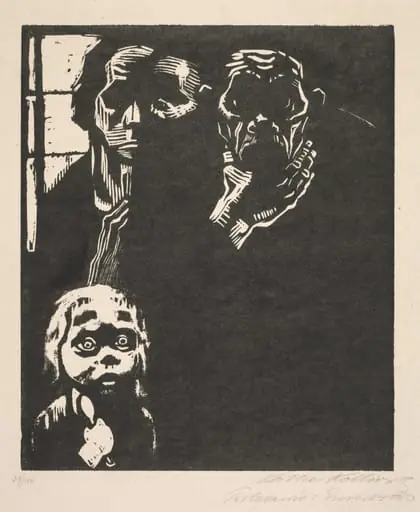 Proletariat: No. 1 Out of Work
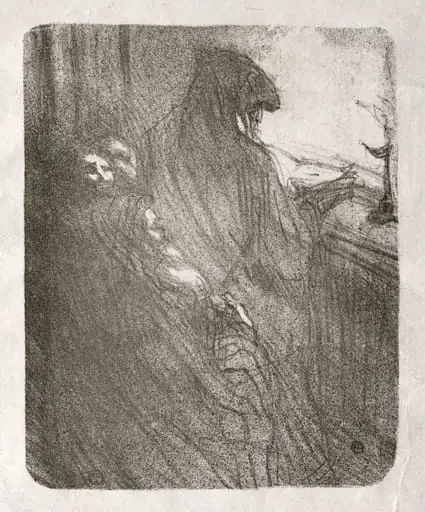 Au pied du Sinaï: La Prière des Juifs Polonais
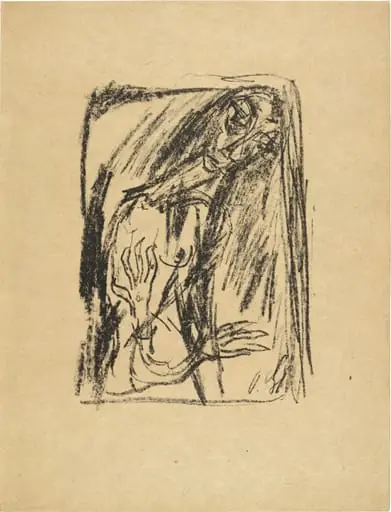 Untitled
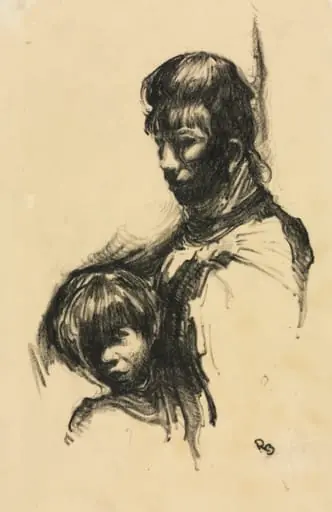 Mother and Child
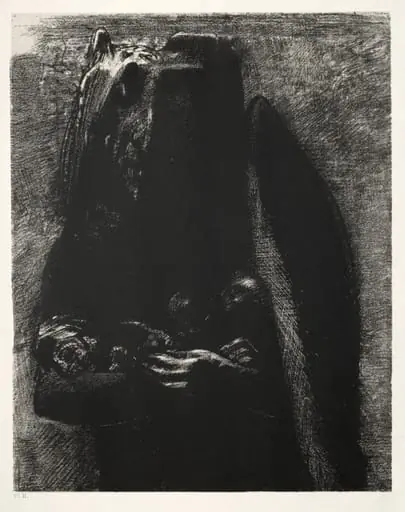 It Is the Devil, Bearing Beneath His Two Wings the Seven Deadly Sins
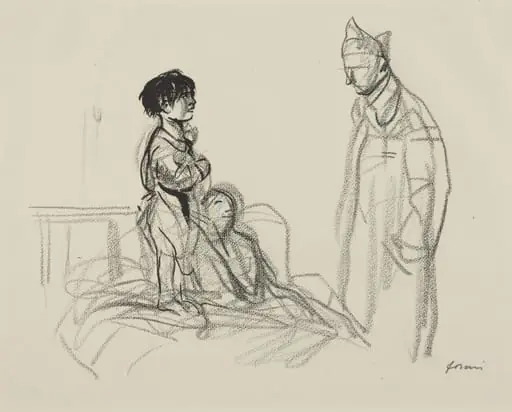 Mother and Child Visited by Soldier in Hospital
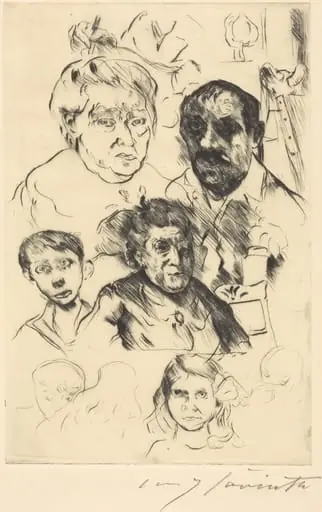 Verschiedene Köpfe und Selbstbildnis (Assorted Heads and Self-Portrait)
 Untitled