Artwork
The Baptism of Christ
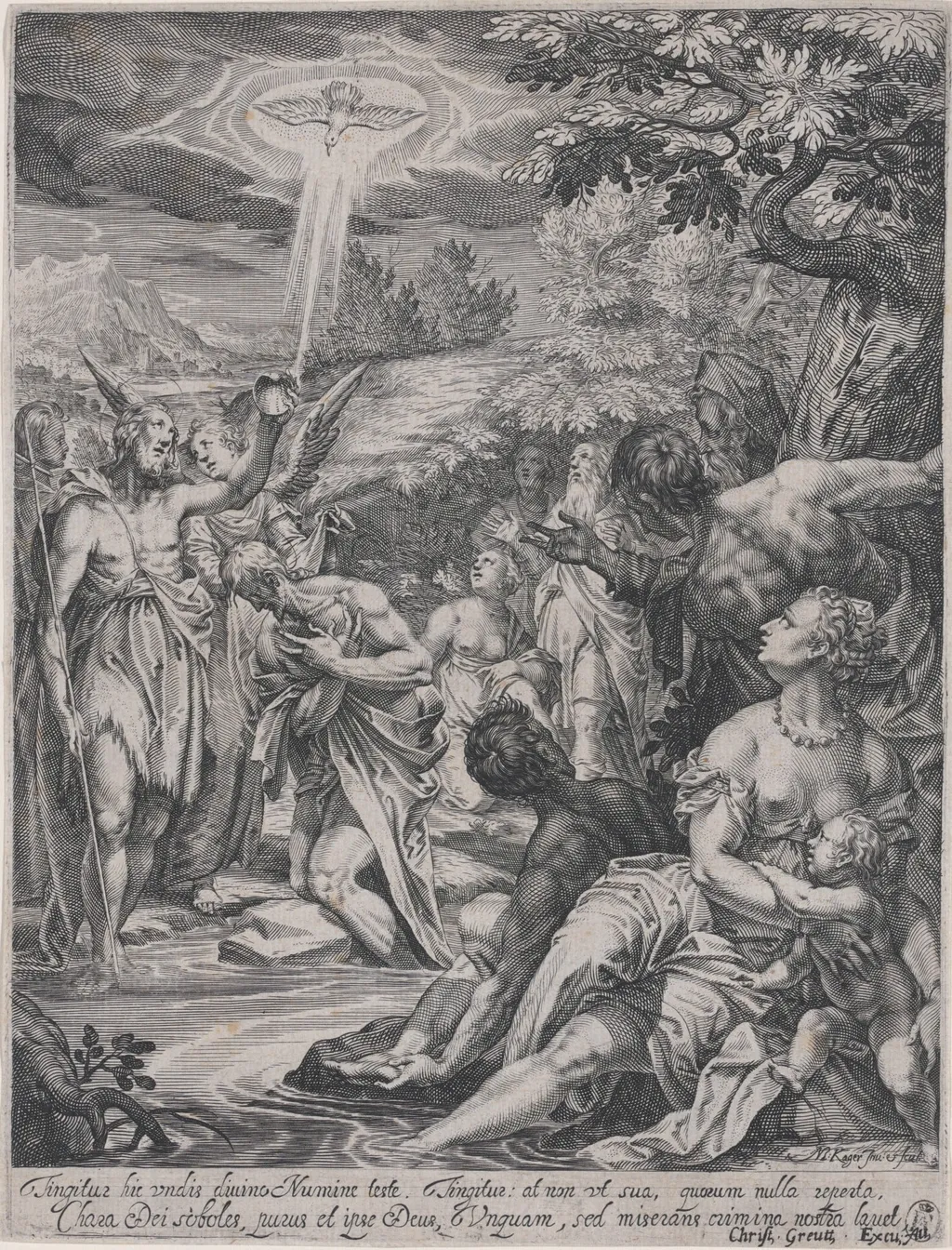
The Baptism of Christ is an ink print by the Baroque artist Johann Matthias Kager. It dates from 1610 and is held in the collection of the National Gallery of Art.
About this work
Overview
Executed on laid paper using the intaglio technique, the work belongs to the tradition of religious prints produced in early 17th-century Germany.
Created around 1610, this engraving by Johann Matthias Kager depicts the biblical moment of Christ’s baptism by John the Baptist. Executed on laid paper using the intaglio technique, the work belongs to the tradition of religious prints produced in early 17th-century Germany. Its detailed line work and tonal contrasts reflect the technical precision characteristic of engraving at the time, intended for devotional or educational use among a literate public.
Subject & Meaning
The scene captures Christ kneeling in the Jordan River as John pours water over his head, fulfilling the Gospel account. Surrounding figures—some gesturing, others holding staffs—emphasize the communal witness to the event. Above, a beam of light descends through clouds, symbolizing divine approval. The composition underscores the theological significance of baptism as a moment of revelation and spiritual transition, aligning with Counter-Reformation themes of sacramental grace.
Technique & Style
Kager employed fine, controlled lines to model form and depth, using cross-hatching to render the textures of rock, fabric, and hair. The contrast between dark, densely worked areas and the luminous sky creates dramatic tension. The engraving’s meticulous detail suggests familiarity with Northern Renaissance printmaking traditions, where clarity and emotional gravity were prioritized over decorative flourish, serving both aesthetic and didactic aims.
History & Provenance
Though specific early ownership records are scarce, the print likely circulated in ecclesiastical or scholarly circles in southern Germany or Austria. As a reproductive print, it may have been used to disseminate religious imagery where paintings were inaccessible. Its survival in multiple institutional collections indicates sustained interest in Kager’s work during the 17th century, though his output remained relatively modest compared to contemporaries.
Context
Produced during the height of the Counter-Reformation, Kager’s engraving reflects the Catholic Church’s emphasis on visual piety and scriptural clarity. Engravings like this served as affordable, reproducible tools for devotion and instruction, especially in regions affected by religious conflict. The composition’s solemnity and focus on ritual align with broader trends in Catholic art, which sought to reinforce doctrinal truths through accessible imagery.
Legacy
Kager’s engraving remains a representative example of early 17th-century German religious printmaking, valued for its technical discipline and devotional tone. While not widely known today, it contributes to understanding how sacred narratives were visually codified for private contemplation. Its preservation in museum collections ensures its role as a historical document of faith, craft, and the print culture of its era.
Artist & collection


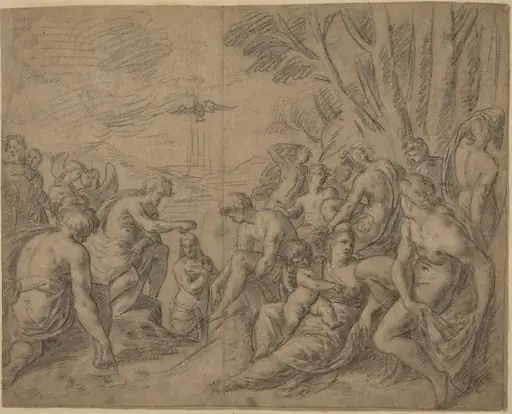 The Baptism of Christ
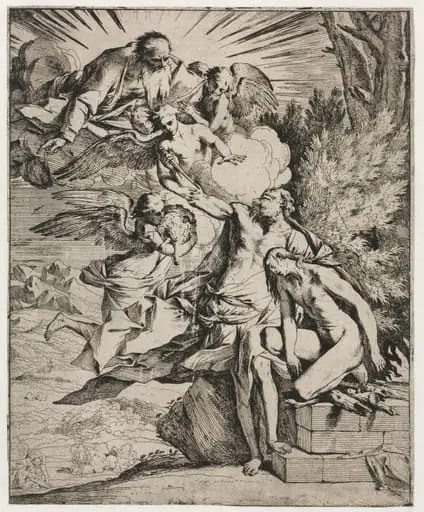 The Sacrifice of Abraham
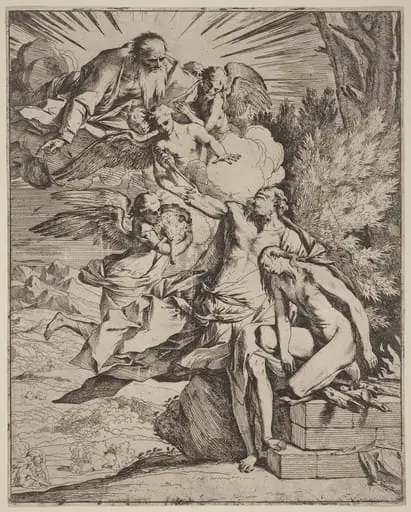 The Sacrifice of Abraham
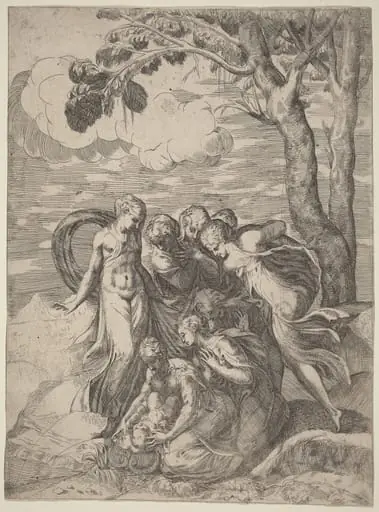 The Finding of Moses
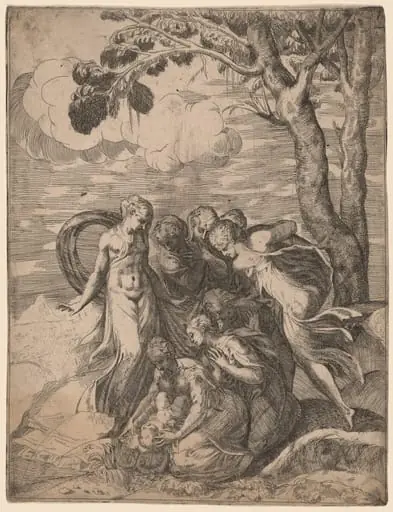 The Finding of Moses
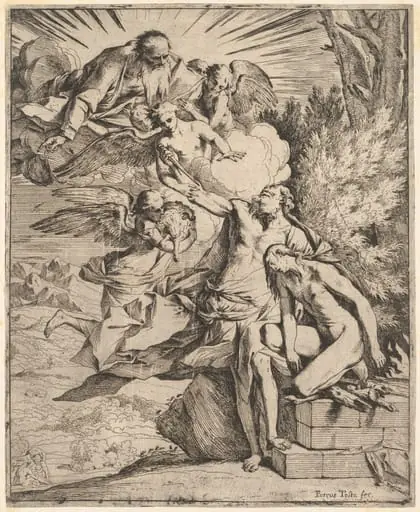 The Sacrifice of Abraham
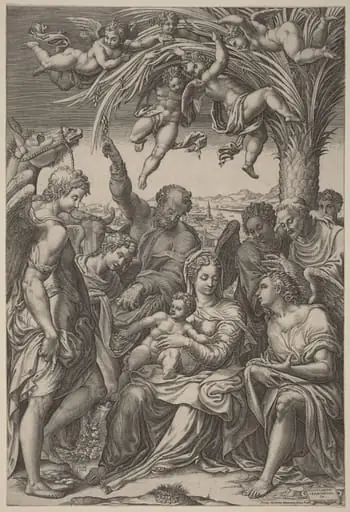 The Rest on the Flight into Egypt
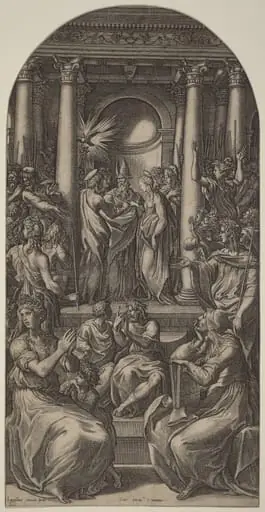 The Marriage of the Virgin
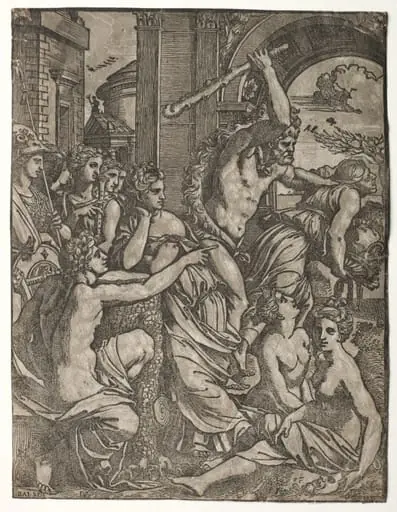 Hercules Driving Envy from the Temple of the Muses
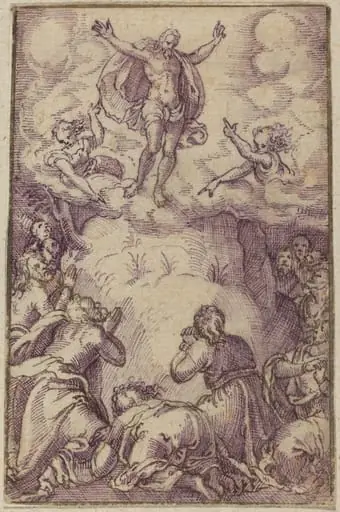 The Transfiguration
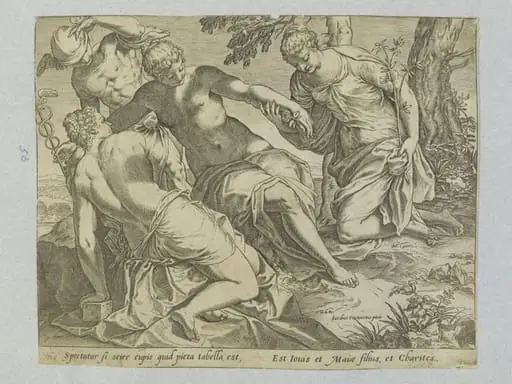 Mercury and the Graces
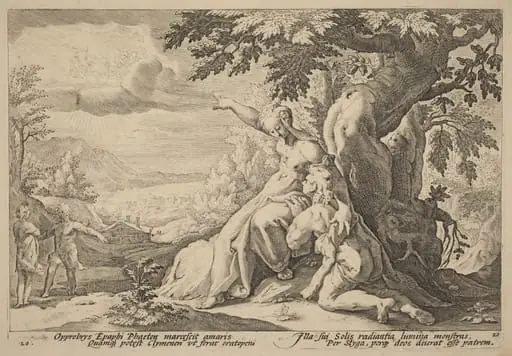 Clymene Urging Phaeton to Find Helios