Artwork
The Sacrifice of Abraham
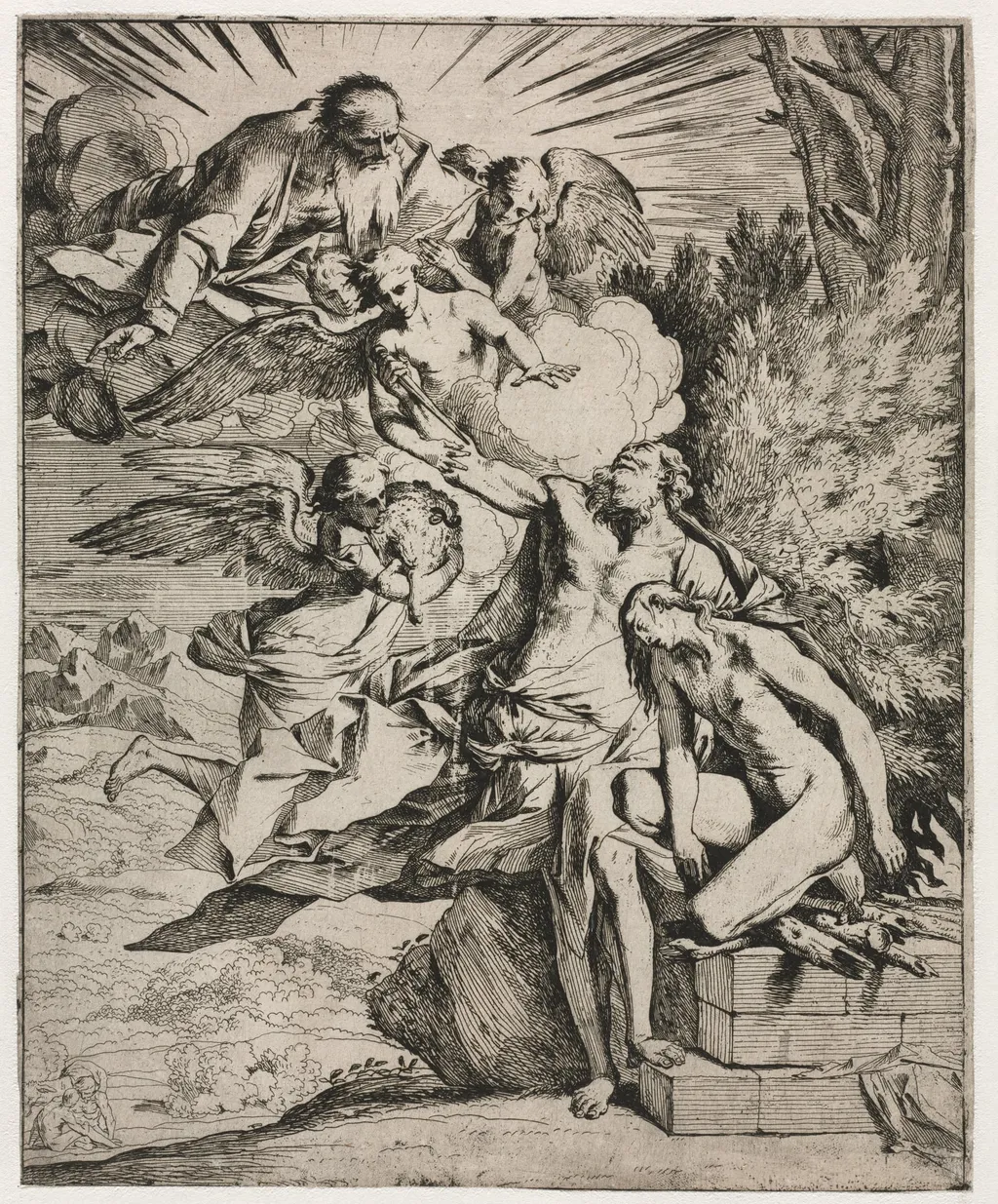
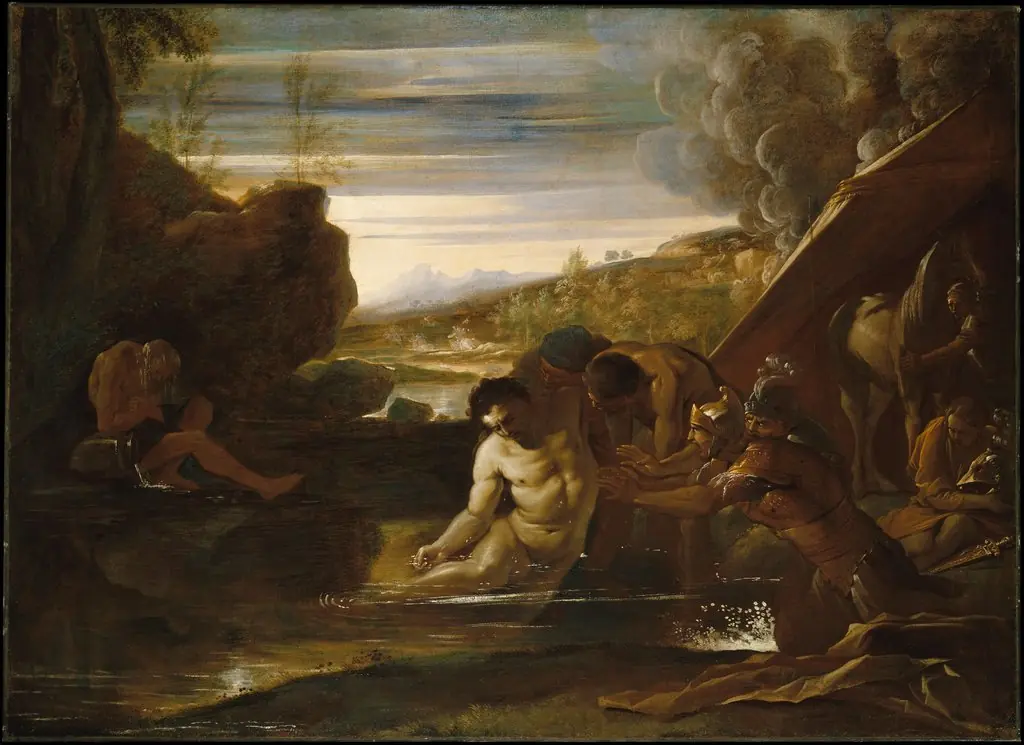
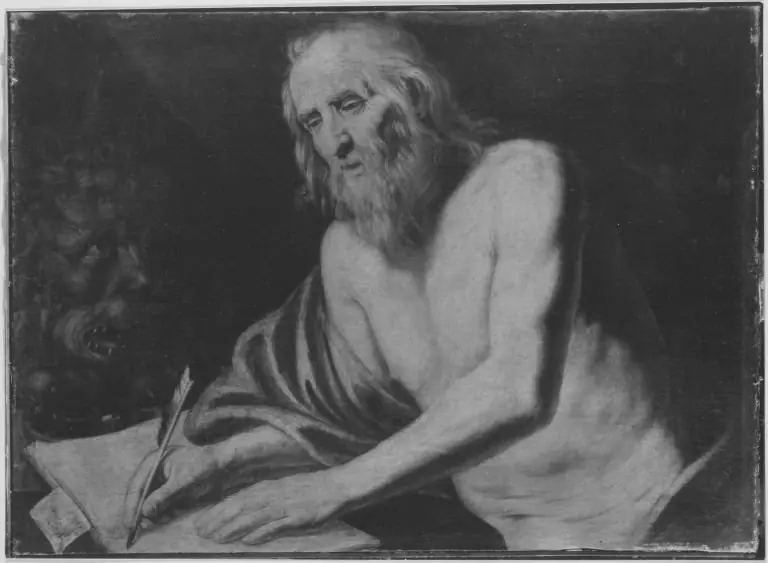
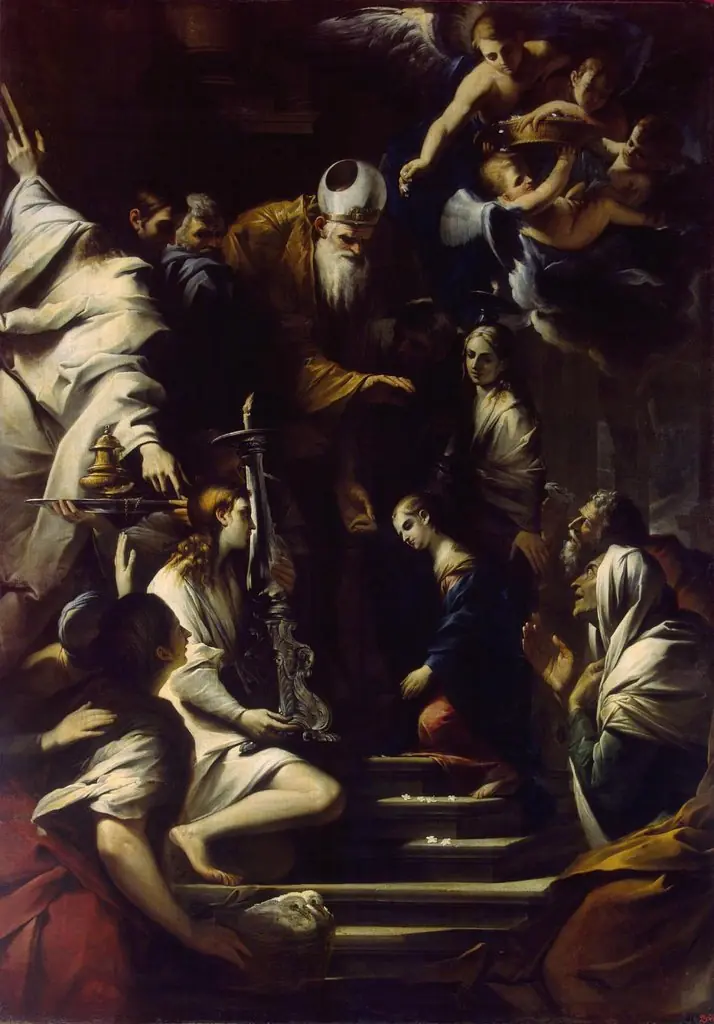
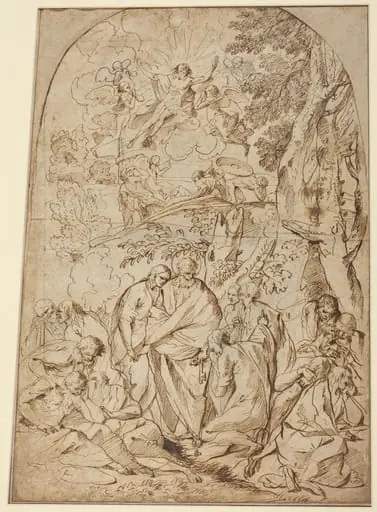
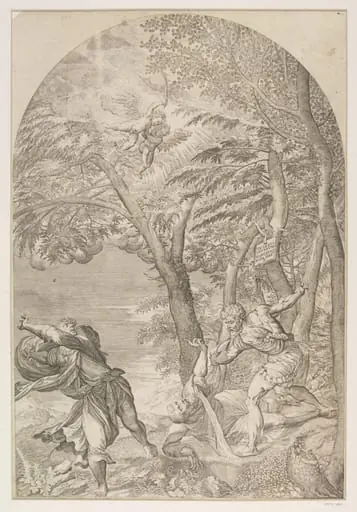
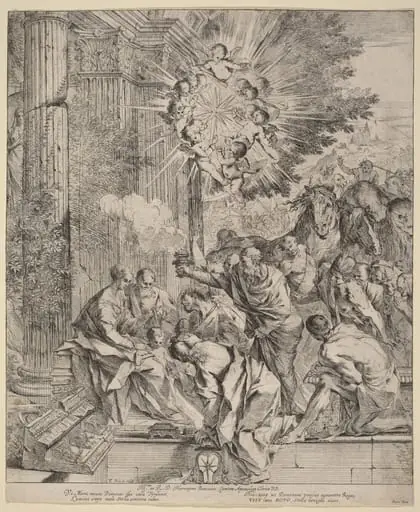
The Sacrifice of Abraham is a print by the Baroque artist Pietro Testa. It dates from 1648 and is held in the collection of the Cleveland Museum of Art.
About this work
Overview
This print exemplifies his mastery of linear precision and narrative tension, capturing a pivotal biblical moment with restrained yet powerful detail.
Pietro Testa, an Italian printmaker active in mid-17th century Rome, produced *The Sacrifice of Abraham* circa 1648. Working within a scholarly circle centered on Cassiano dal Pozzo, he specialized in etchings that combined classical sensibility with intense emotional expression. This print exemplifies his mastery of linear precision and narrative tension, capturing a pivotal biblical moment with restrained yet powerful detail.
Subject & Meaning
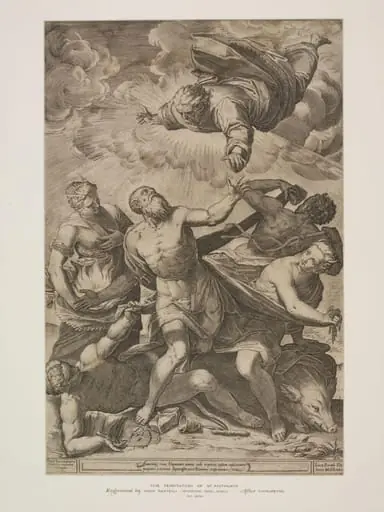
The scene depicts the moment just before divine intervention halts Abraham’s sacrifice of his son Isaac. The figures around them—some averted, others reaching—convey shock and moral anguish. Testa emphasizes the psychological weight of obedience and mercy, avoiding overt spectacle. The composition invites contemplation of faith’s demands, rooted in scriptural tradition but rendered with human vulnerability rather than doctrinal certainty.
Technique & Style
Testa employed etching with sharp, incised lines and controlled chiaroscuro to model form and motion. Deep shadows define the figures’ musculature and the jagged landscape, while delicate hatching suggests swirling clouds and fractured rock. The absence of color heightens the drama, focusing attention on gesture and contrast. His technique reflects the High Baroque interest in dynamic composition and emotional immediacy through monochrome means.
History & Provenance
Created during Testa’s mature period in Rome, the print circulated among collectors and intellectuals aligned with classical humanism. It entered the Cleveland Museum of Art’s collection through established acquisition channels, likely in the early 20th century. Its preservation reflects sustained scholarly interest in Baroque printmaking and its role in religious and artistic discourse of the period.
Context
Testa worked amid a Roman milieu that valued intellectual engagement with antiquity and biblical themes. His prints were not mere illustrations but complex visual essays, often responding to theological debates and artistic currents. The emphasis on emotional intensity and anatomical clarity aligns with contemporaries like Guercino and the influence of Carracci’s naturalism, filtered through a personal, introspective lens.
Legacy
Though less widely known than his peers, Testa’s prints influenced later generations of draftsmen through their psychological depth and technical rigor. *The Sacrifice of Abraham* remains a key example of how printmaking could convey profound narrative without color or scale. Its presence in major collections underscores its enduring value as a study in tension, restraint, and moral ambiguity.
Artist & collection
Artist
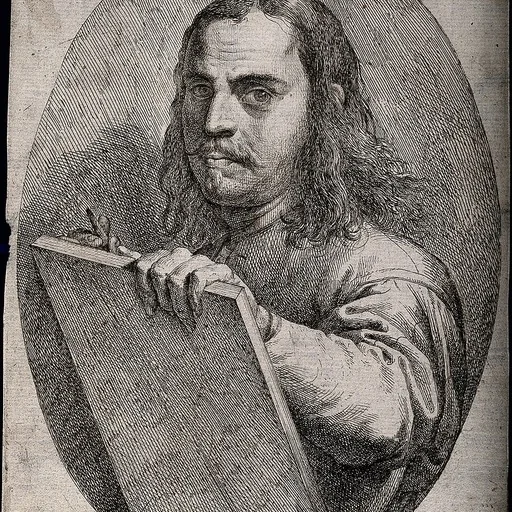
Pietro Testa (1612 – 1 March 1650) was an Italian High Baroque artist active in Rome.