Artwork
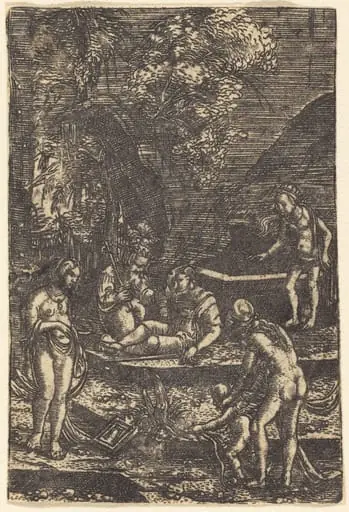
Hercules Driving Envy from the Temple of the Muses
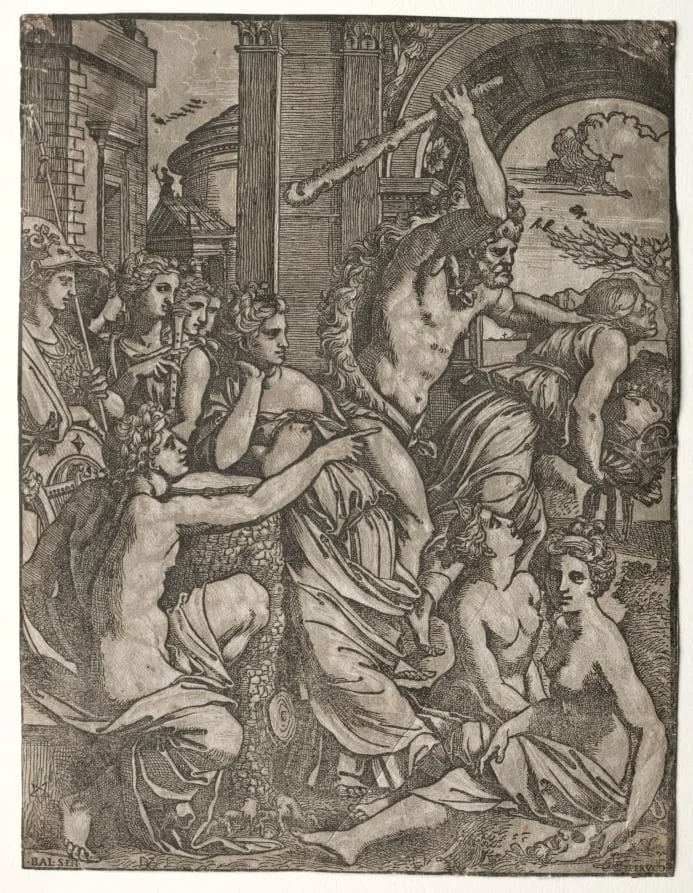
Hercules Driving Envy from the Temple of the Muses is a print by the Renaissance artist Ugo da Carpi. It dates from 1523 and is held in the collection of the Cleveland Museum of Art.
About this work
Overview
Hercules Driving Envy from the Temple of the Muses is an allegorical print by Ugo da Carpi, an early exponent of chiaroscuro in Italy. The work depicts a scene of moral purification within a sacred space, featuring mythological figures.
Subject & Meaning
The print shows Hercules expelling a hunched figure (personifying Avarice or greed, laden with treasure) from the Temple of the Muses. Nearby, Apollo and Athena (embodying wisdom and patronage of the arts) oversee the expulsion, symbolizing the triumph of virtue and knowledge over vice.
Technique & Style
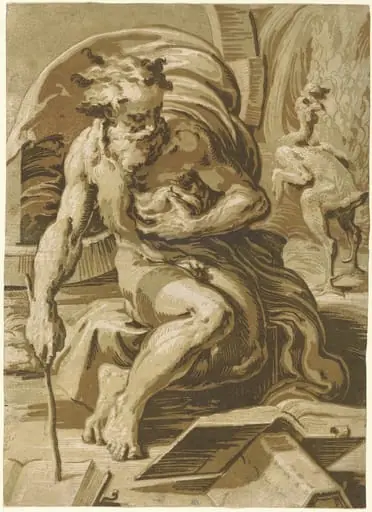
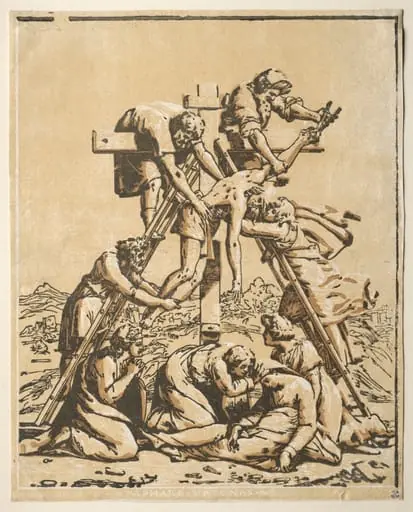
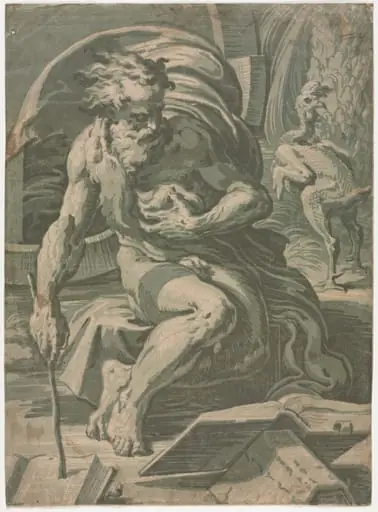
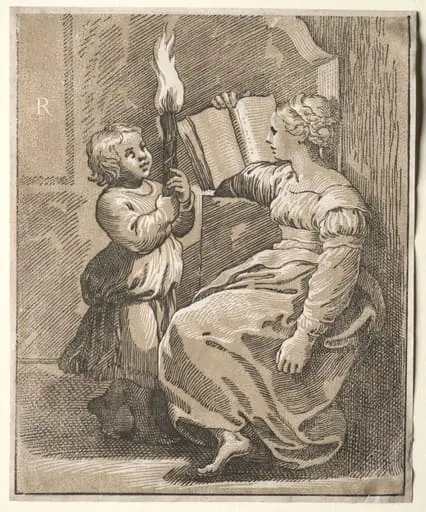
Ugo da Carpi employed the chiaroscuro technique, carving two woodblocks (one for black outlines, one for gray shadows) printed on beige paper. This method creates a layered, tonal depth reminiscent of a drawing.
History & Provenance
This print is among the first Italian examples of chiaroscuro. While specific provenance details are not provided, it marks an early instance of Ugo da Carpi's innovation with this technique in the region.
Context
Chiaroscuro, derived from Italian words for light and dark, was invented to mimic the effect of drawings on tinted paper using multiple blocks. This piece showcases Carpi's adaptation of this technique for allegorical themes.
Legacy
As an early Italian chiaroscuro print, it influenced the development of tonal printing techniques in European art, demonstrating the potential for depth and expressiveness in woodcut prints.
Artist & collection
Artist
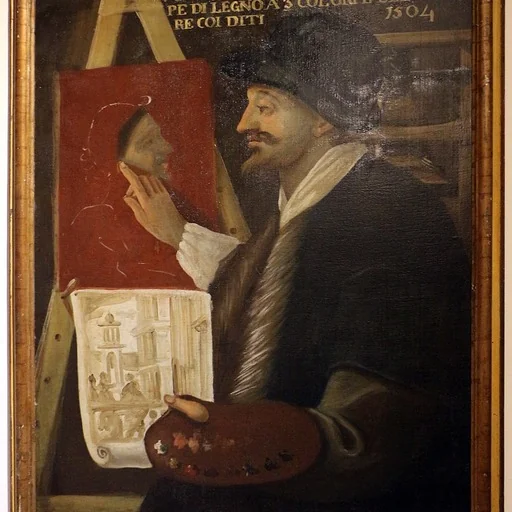
Ugo da Carpi (c. 1450–1480 – c. 1523–1532) was an Italian printmaker active between 1502 and 1532 in the cities of Venice, Rome and Bologna. He is known for his technical and stylistic contributions to the chiaroscuro…

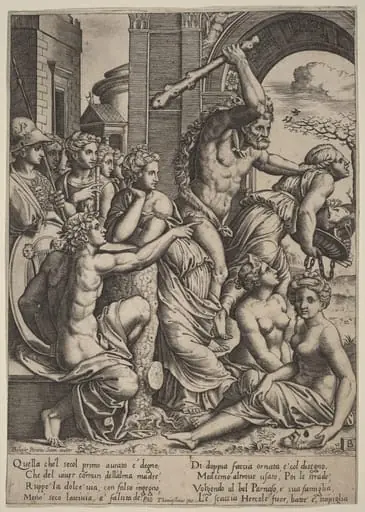 Envy Driven from the Temple of the Muses
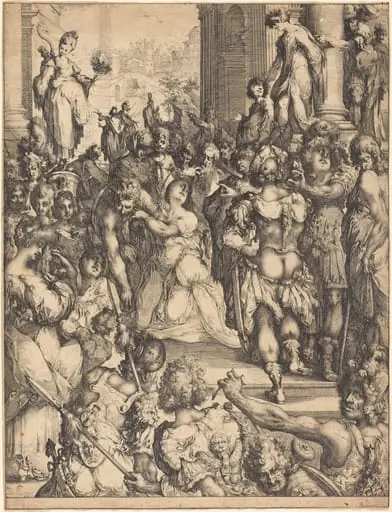 Martyrdom of Saint Lucy
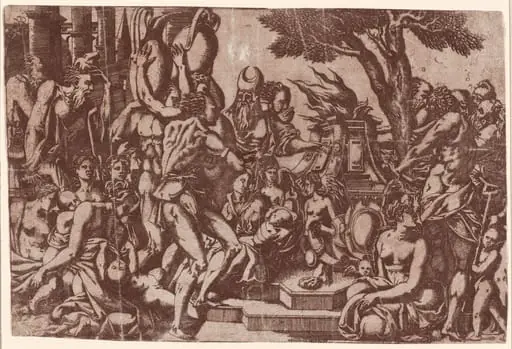 Sacrifice to Priapus
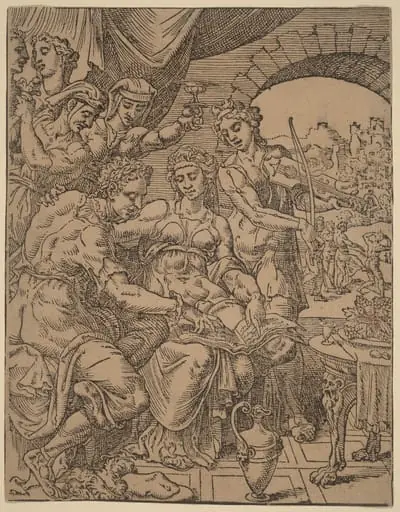 The Prodigal Son Squandering His Inheritance on Harlots
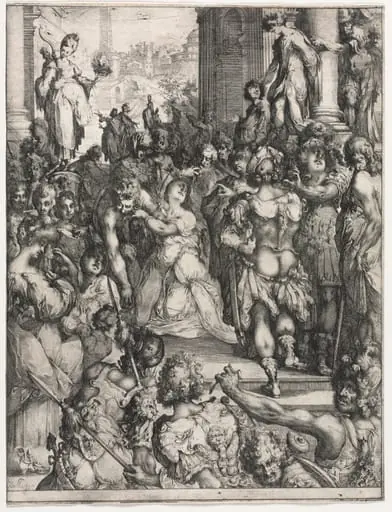 The Martyrdom of Saint Lucy
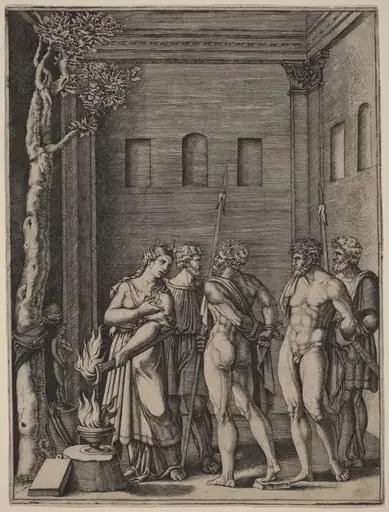 Iphigenia Recognizing Her Brother
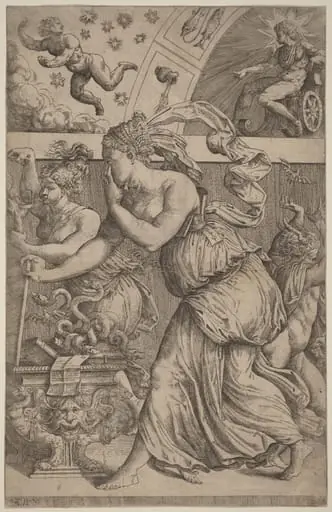 Pandora Opening Her Box
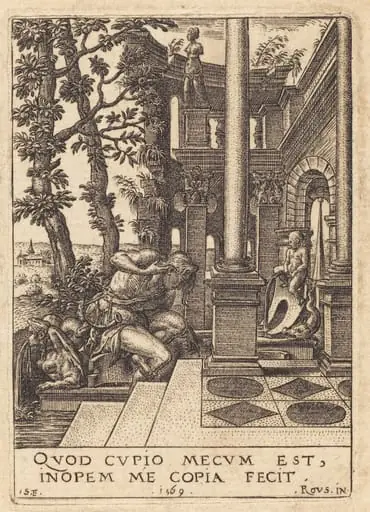 Narcissus at the Fountain
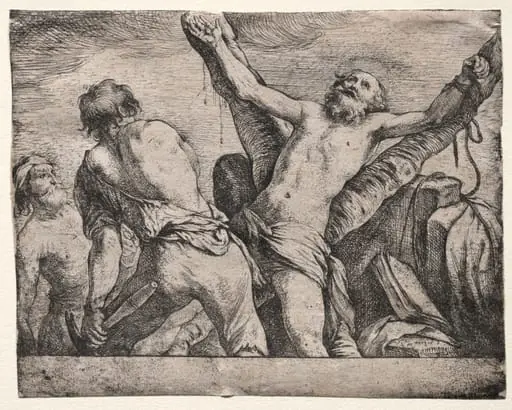 The Martyrdom of St. Andrew
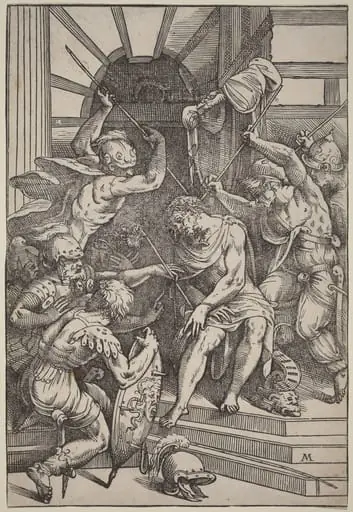 Christ Crowned with Thorns
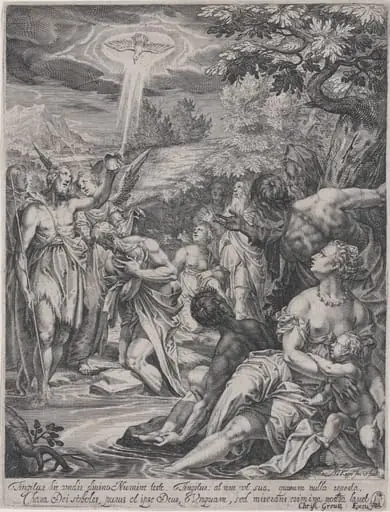 The Baptism of Christ
 The Judgment of Paris