Artwork
The Grand Waterfalls at Terni
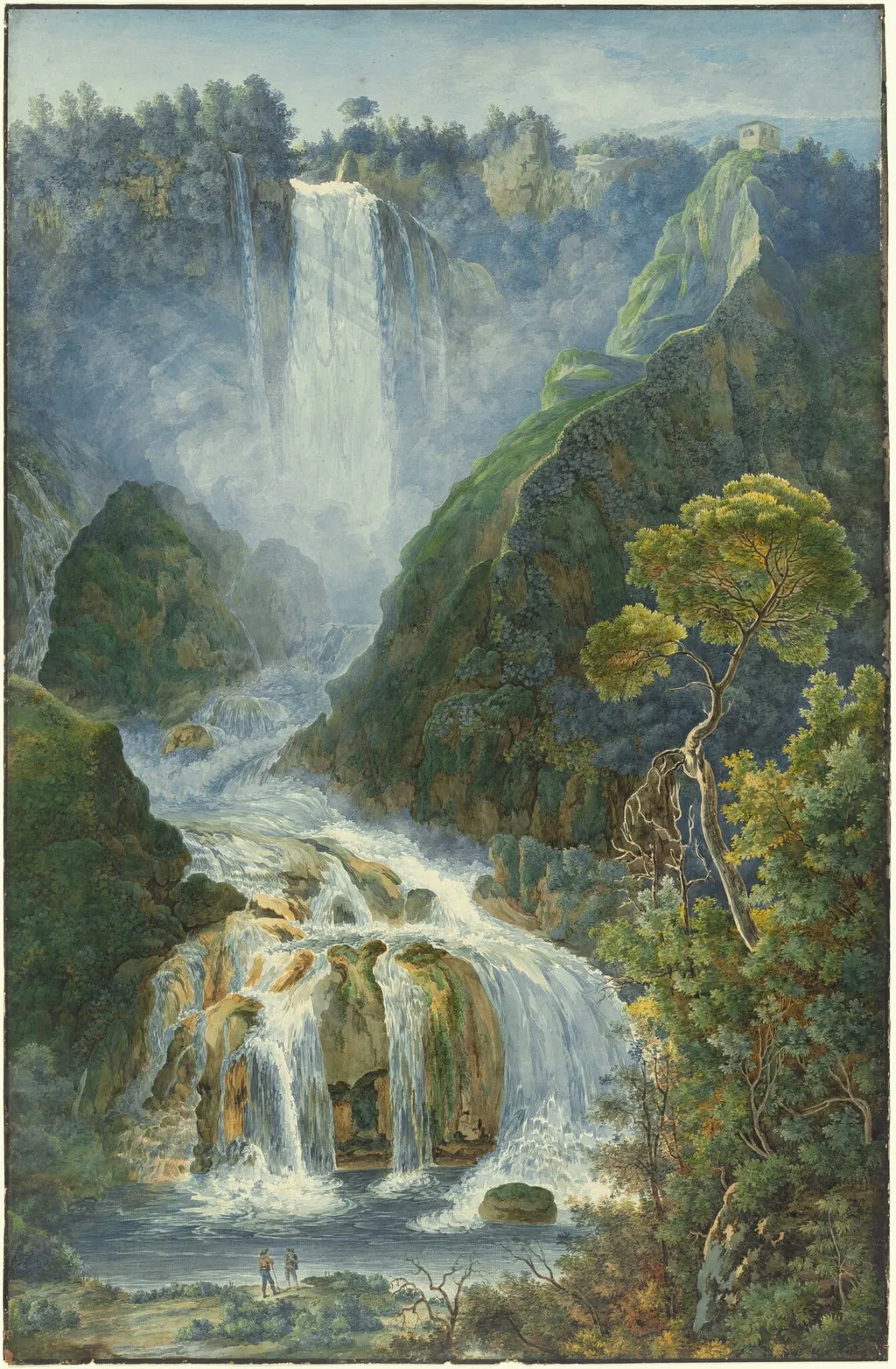
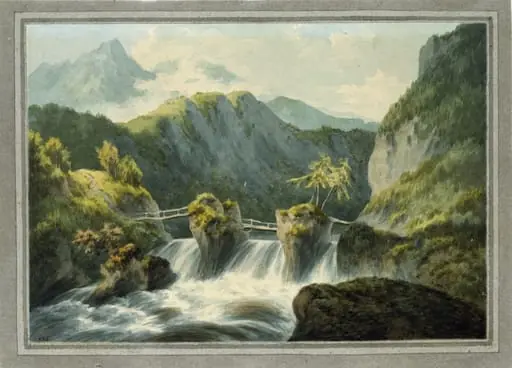
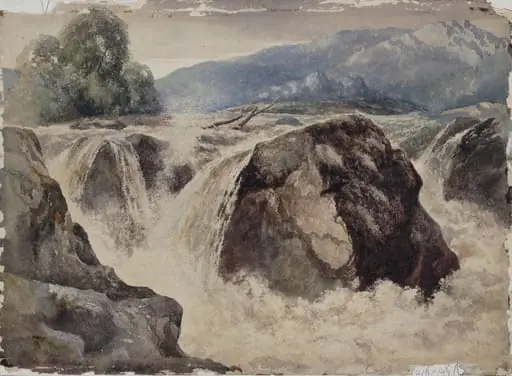
The Grand Waterfalls at Terni is a gouache drawing by the Romanticist artist Franz Kaisermann. It dates from 1794 and is held in the collection of the National Gallery of Art.
About this work
Overview
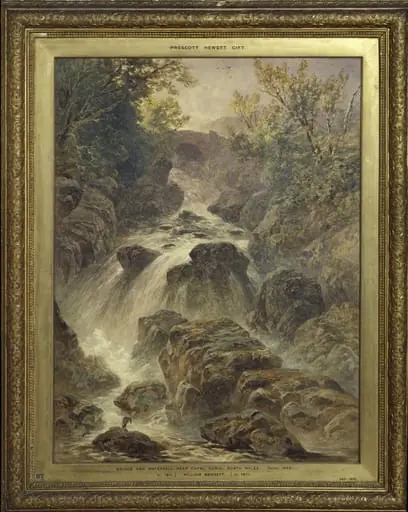
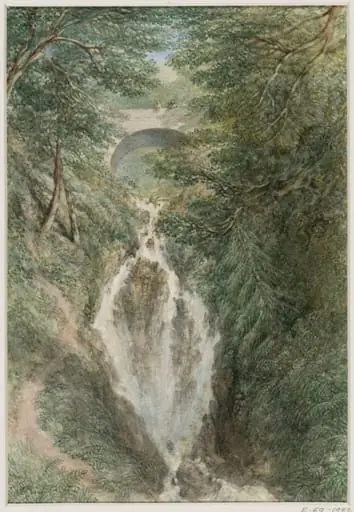
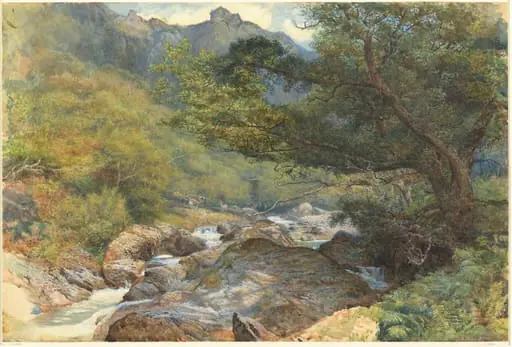
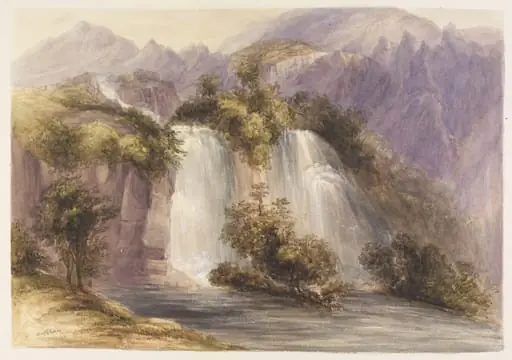
Franz Kaisermann’s drawing titled *The Grand Waterfalls at Terni* dates from around 1794. Executed in watercolor and gouache on a graphite underdrawing, the work measures the dramatic cascade of water against a rugged landscape. The composition captures a moment of natural force, with the waterfall framed by dark cliffs and a storm‑filled sky.
Subject & Meaning
The image depicts the Terni waterfalls, a striking natural feature in central Italy. By emphasizing the roar of the water and the moss‑covered rocks, Kaisermann conveys the power and vitality of untamed scenery, reflecting the late‑eighteenth‑century fascination with sublime landscapes that evoke both awe and contemplation.
Technique & Style
Kaisermann began with graphite sketches to define form, then applied successive transparent washes of watercolor—a method known as glazing—to build depth and movement in the water. Gouache highlights add opacity where needed, allowing the artist to render the shimmering surface and the atmospheric tension of the stormy sky.
Context
Created in the 1790s, the drawing aligns with a broader European interest in wild nature and the sublime, a trend that influenced painters, poets, and travelers of the period. Artists of the time sought to depict dramatic natural phenomena as a counterpoint to the rationalism of the Enlightenment, and Kaisermann’s work exemplifies this shift.
Own this work as a print
Artist & collection