Artwork
Mountain waterwall in St. Gervais
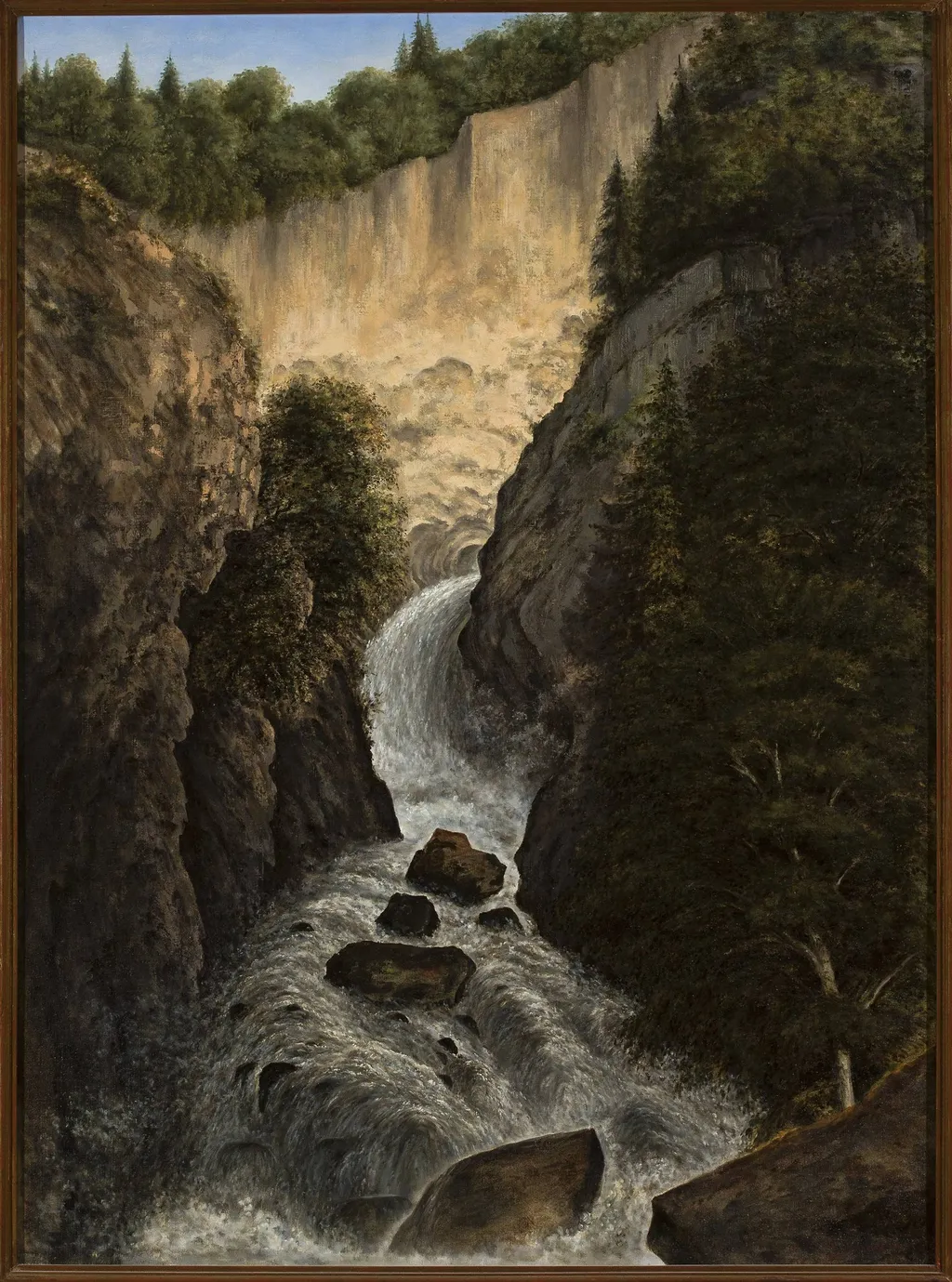
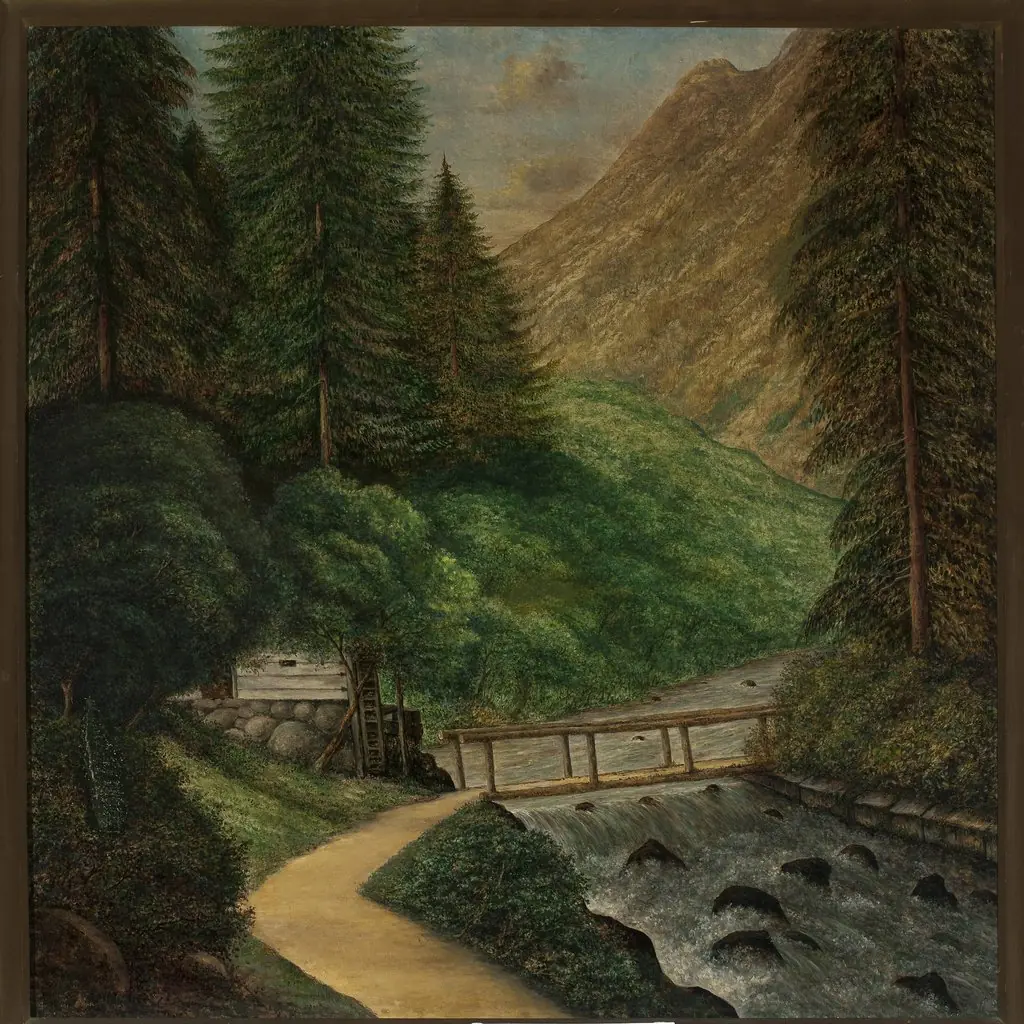
Mountain waterwall in St. Gervais is an oil painting by Cyprian Lachnicki. It dates from 1874 and is held in the collection of the National Museum in Warsaw. Mountain Waterfall in St.
About this work
Overview
It depicts a natural cascade in the French Alps, rendered with attention to atmospheric detail and dynamic motion.
Mountain Waterfall in St. Gervais is an oil painting dated around 1874 by Polish artist Cyprian Lachnicki. It depicts a natural cascade in the French Alps, rendered with attention to atmospheric detail and dynamic motion. The work is part of the collection at the National Museum in Warsaw, where it represents a late 19th-century European tradition of landscape observation rooted in direct experience of nature.
Subject & Meaning
The painting centers on a vigorous waterfall tumbling over moss-covered rocks and ancient trees, its spray dissolving into mist that softens the surrounding air. The vertical rise of the cliff behind suggests geological permanence, contrasting with the fluidity of the water. Rather than idealizing the scene, Lachnicki emphasizes the raw, untamed quality of the environment, inviting contemplation of nature’s forces without overt symbolism.
Technique & Style
Lachnicki employs layered brushwork to capture the translucency of falling water and the dappled light filtering through foliage. Subtle shifts in hue—cool blues and greens against muted earth tones—create depth and spatial recession. The handling of light suggests an awareness of chiaroscuro, though the focus remains on naturalistic rendering rather than dramatic contrast, aligning with contemporary trends in plein-air influenced landscape painting.
History & Provenance
Created during Lachnicki’s period of travel in the Alps, the painting entered the National Museum in Warsaw’s collection in the late 19th or early 20th century. Its provenance reflects the museum’s broader effort to document Polish artists’ engagement with European landscapes beyond national borders. No significant alterations or restorations are documented, preserving the original surface and tonal balance.
Context
Lachnicki painted this work amid a broader European interest in alpine scenery, influenced by Romanticism and emerging realism. While contemporaries like Courbet or the Barbizon painters focused on rural France, Lachnicki brought a Polish sensibility to Alpine subjects, contributing to a transnational dialogue in landscape art. His approach avoided grandeur, favoring intimate, observed moments over theatrical composition.
Legacy
Though not widely exhibited outside Poland, the painting remains a representative example of Lachnicki’s mature style and the Polish artistic engagement with naturalism in the post-Romantic era. It contributes to scholarly understanding of how artists from Eastern Europe participated in wider 19th-century landscape traditions, often overlooked in dominant Western narratives.
Artist & collection

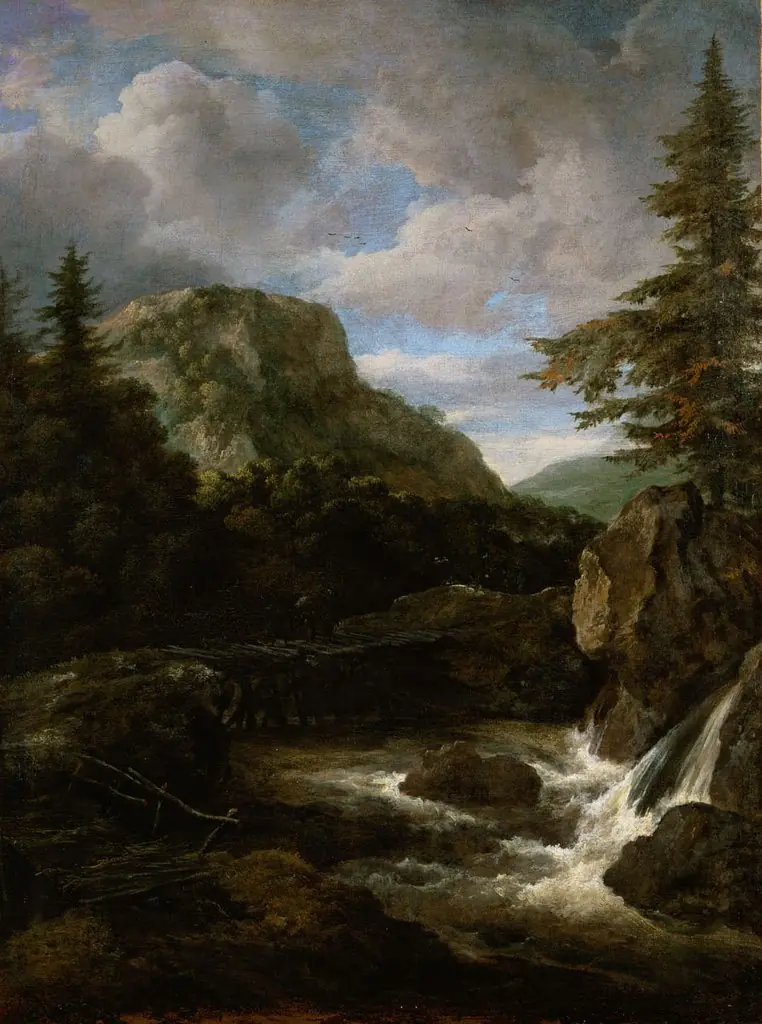 Mountain Landscape with Waterfall
 The Grand Waterfalls at Terni
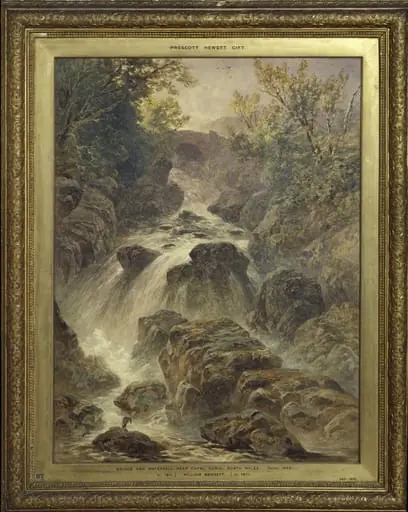 The bridge and waterfall near Capel Curig
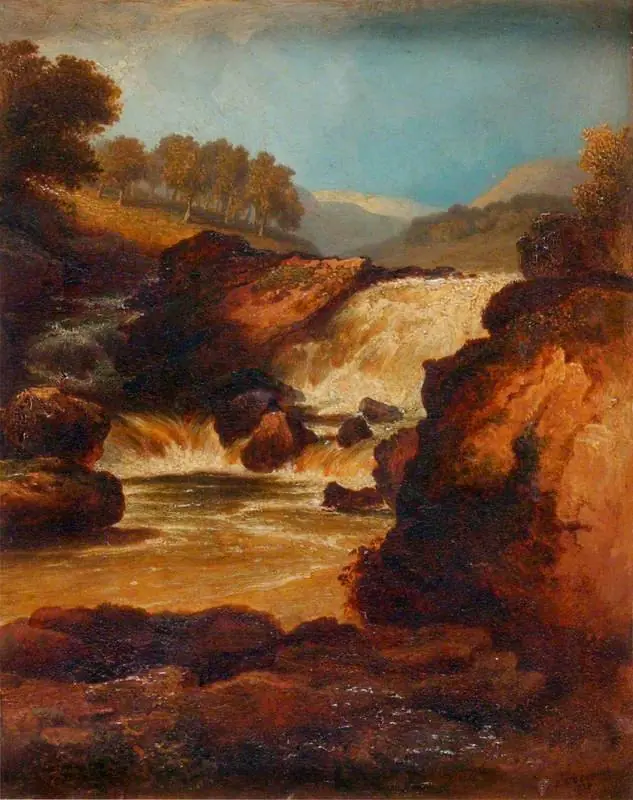 A Waterfall
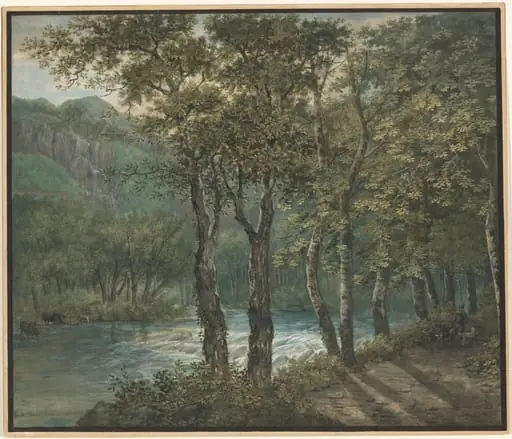 Sunlight Filtering through Trees along the River Sihl
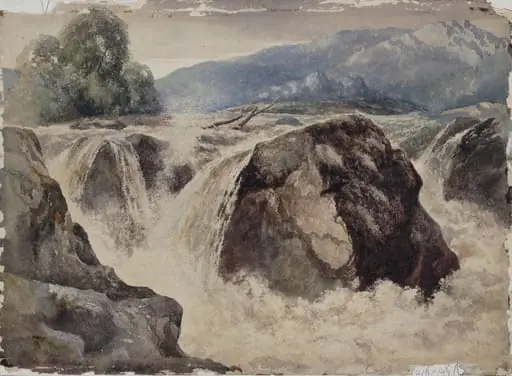 A Waterfall
 Rainy Landscape
 Stream in the Forest
 Τα σημεία της πέτρας
 Woodland Stream
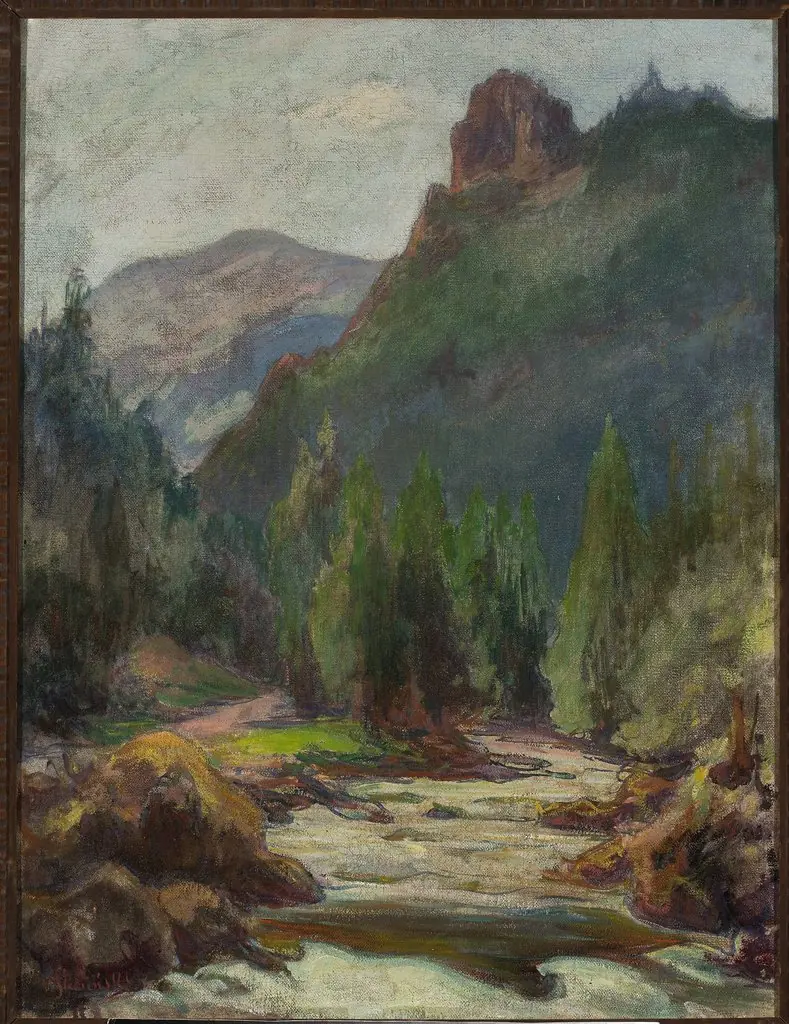 Mountain landscape
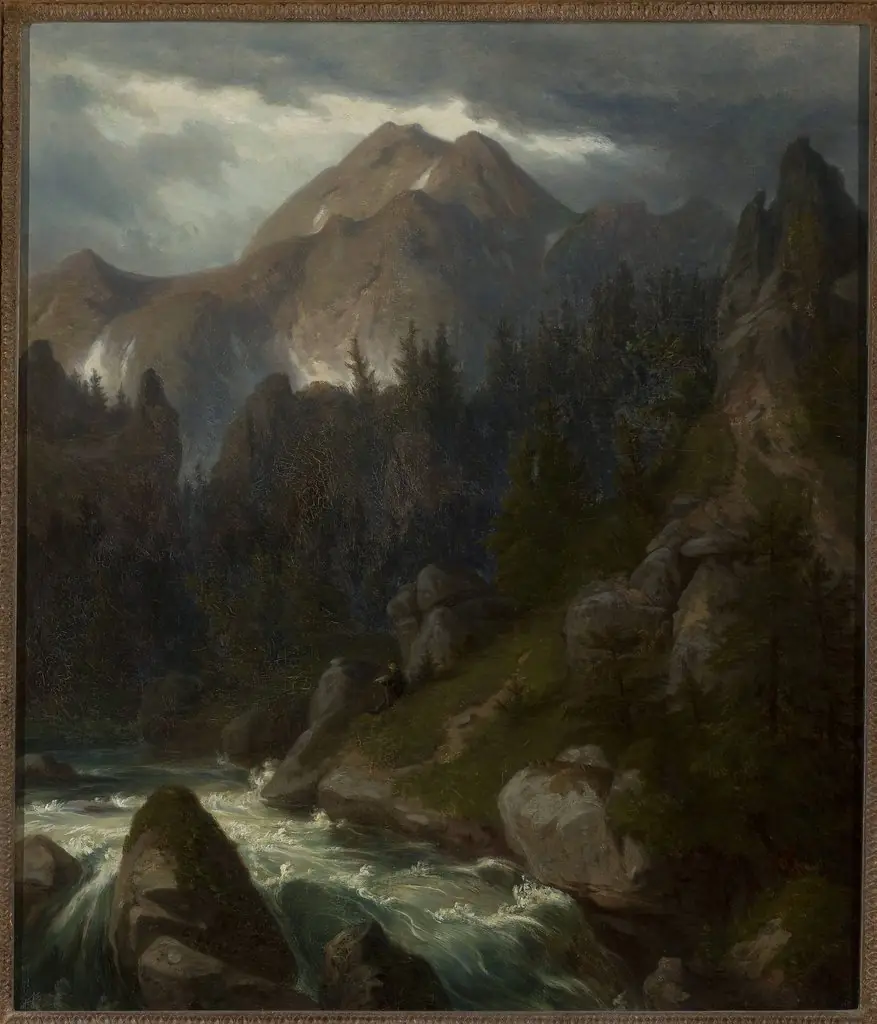 Mount Pyszna in the Tatra Mountains