Artwork
Denial of Peter
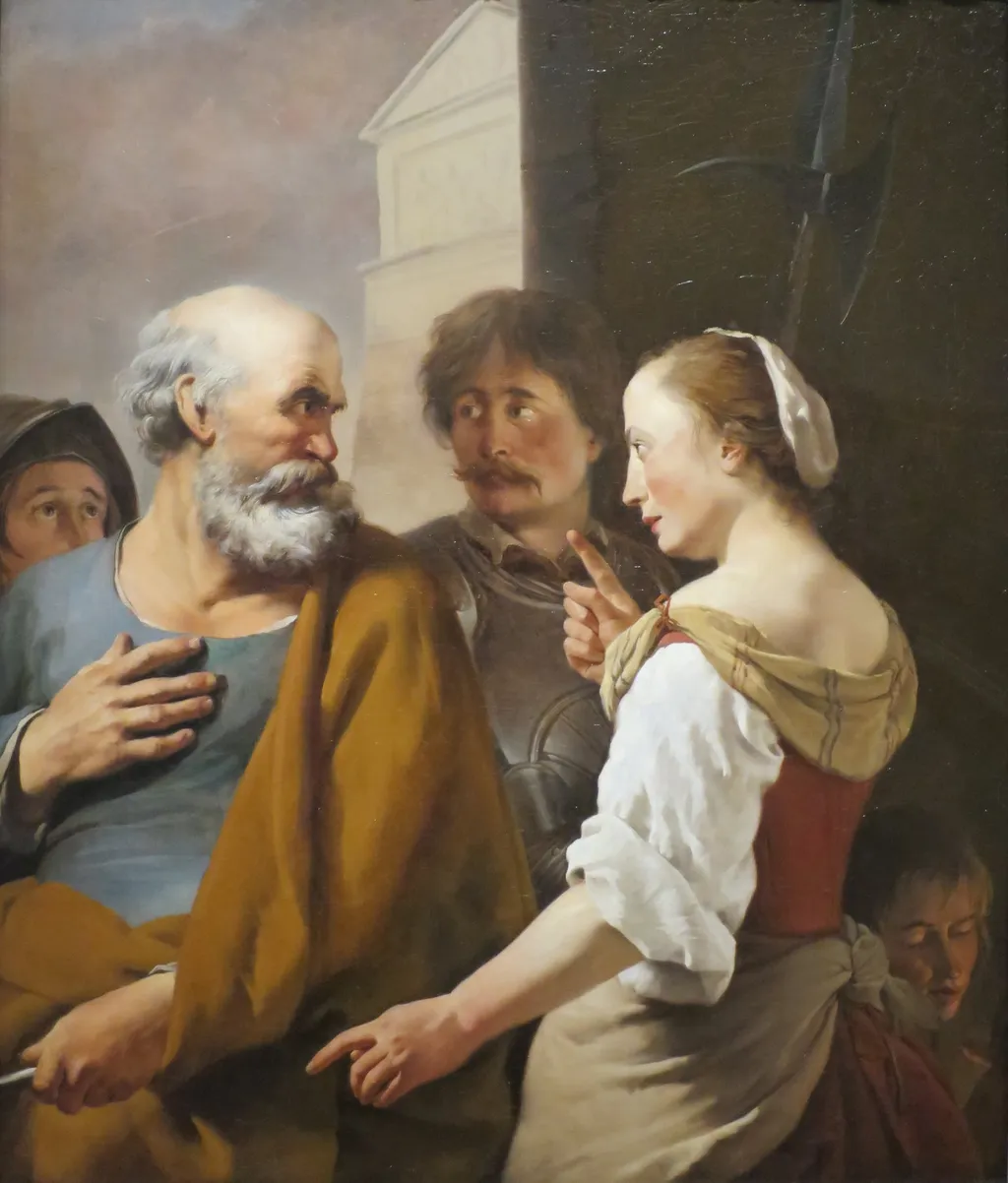
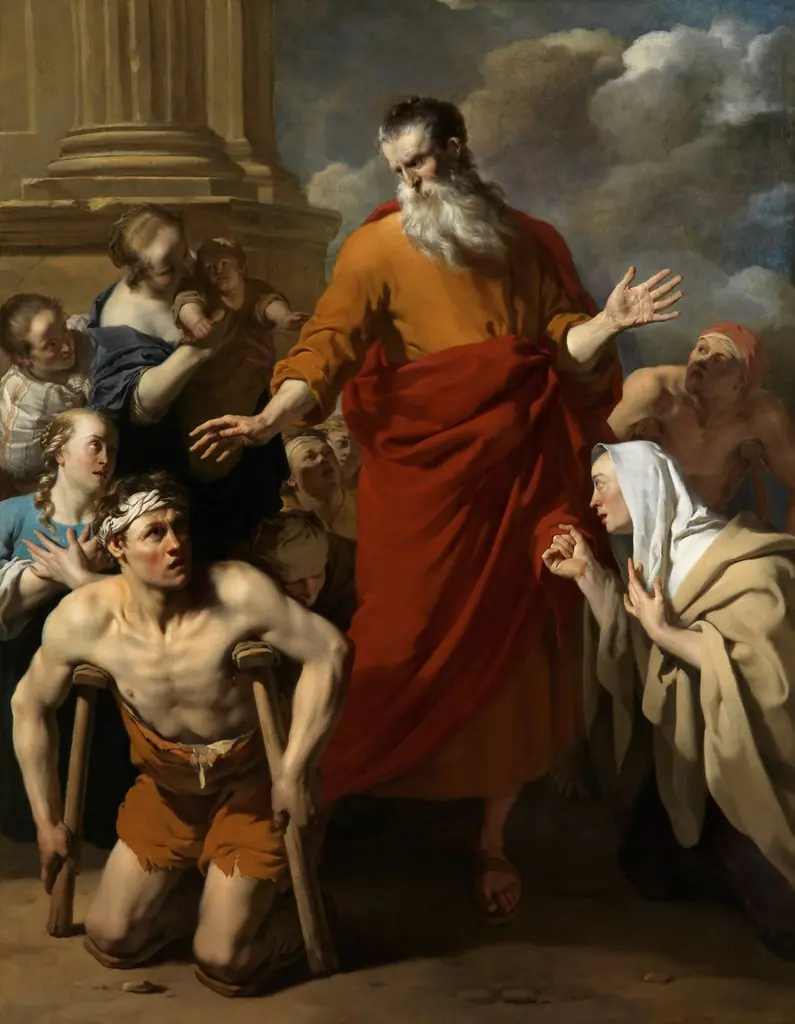
Denial of Peter is an oil painting by the Dutch Golden Age artist Karel Dujardin. It dates from 1663 and is held in the collection of the Norton Simon Museum.
About this work
Overview
The composition centers on a moment of tension from the Gospel account, rendered with restrained drama and careful attention to gesture and expression.
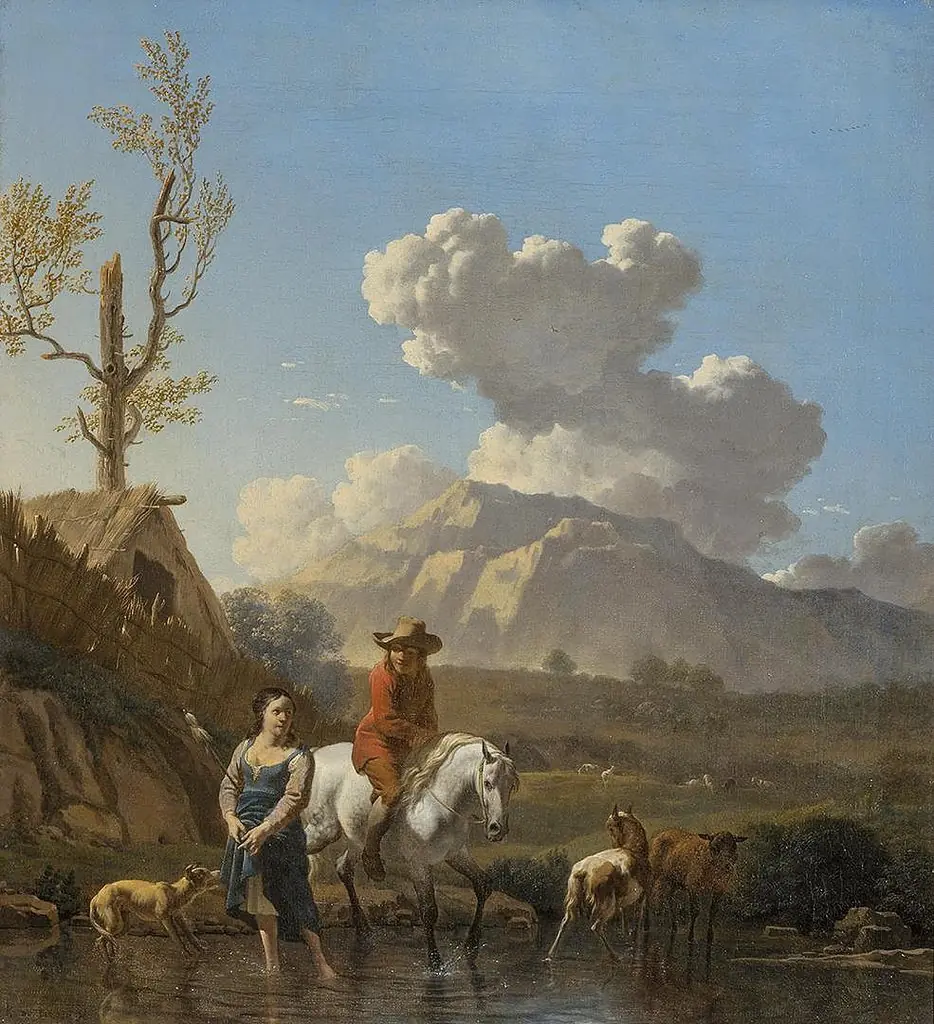
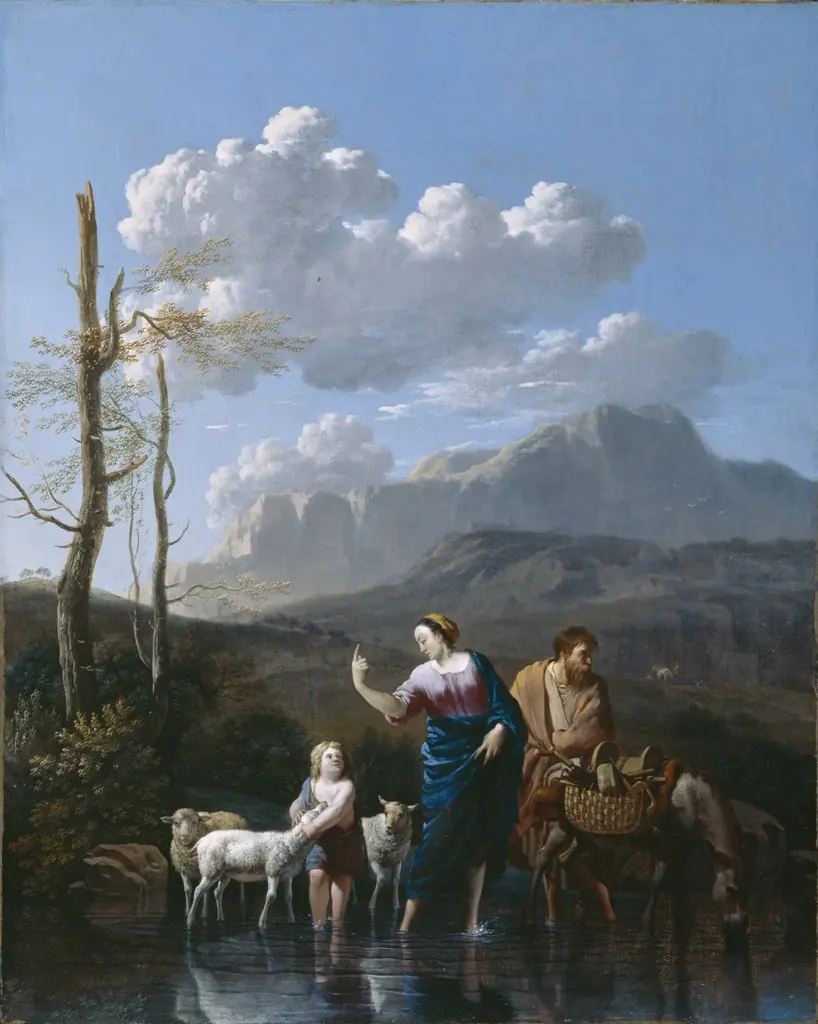
Karel Dujardin painted *Denial of Peter* in 1663 using oil on panel, marking one of his few religious narratives. Though best known for Italianate landscapes featuring animals and rural figures, this work demonstrates his engagement with biblical themes during the Dutch Golden Age. The composition centers on a moment of tension from the Gospel account, rendered with restrained drama and careful attention to gesture and expression.
Subject & Meaning
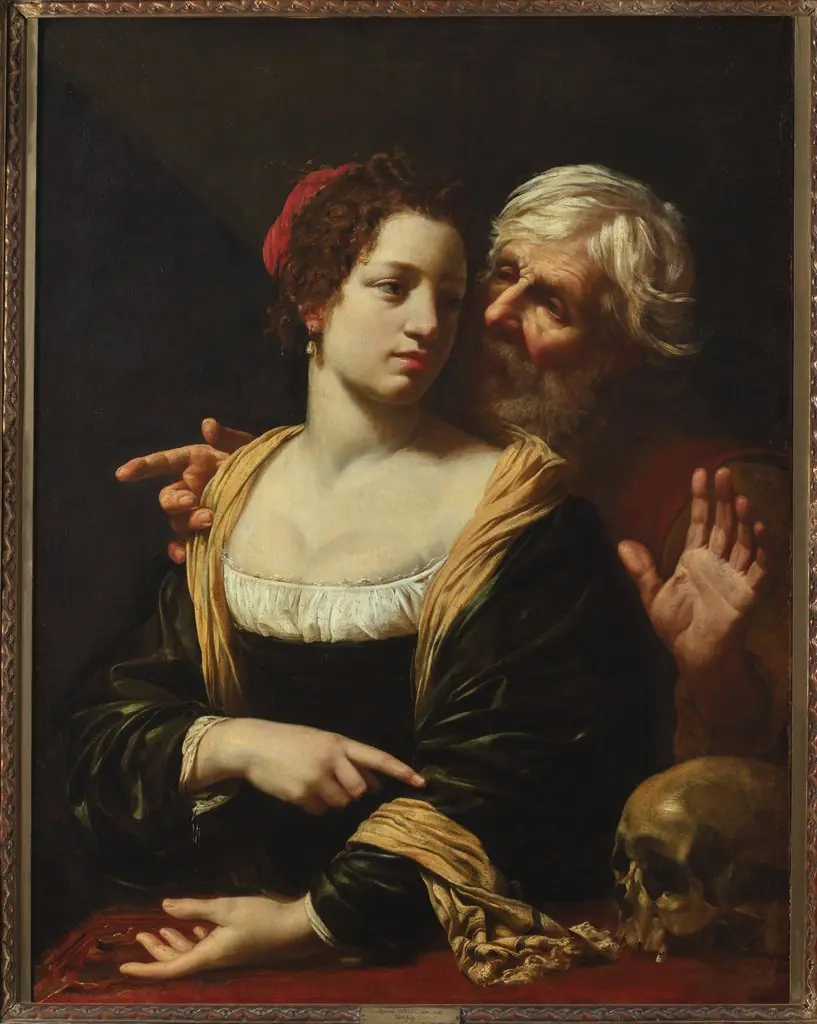
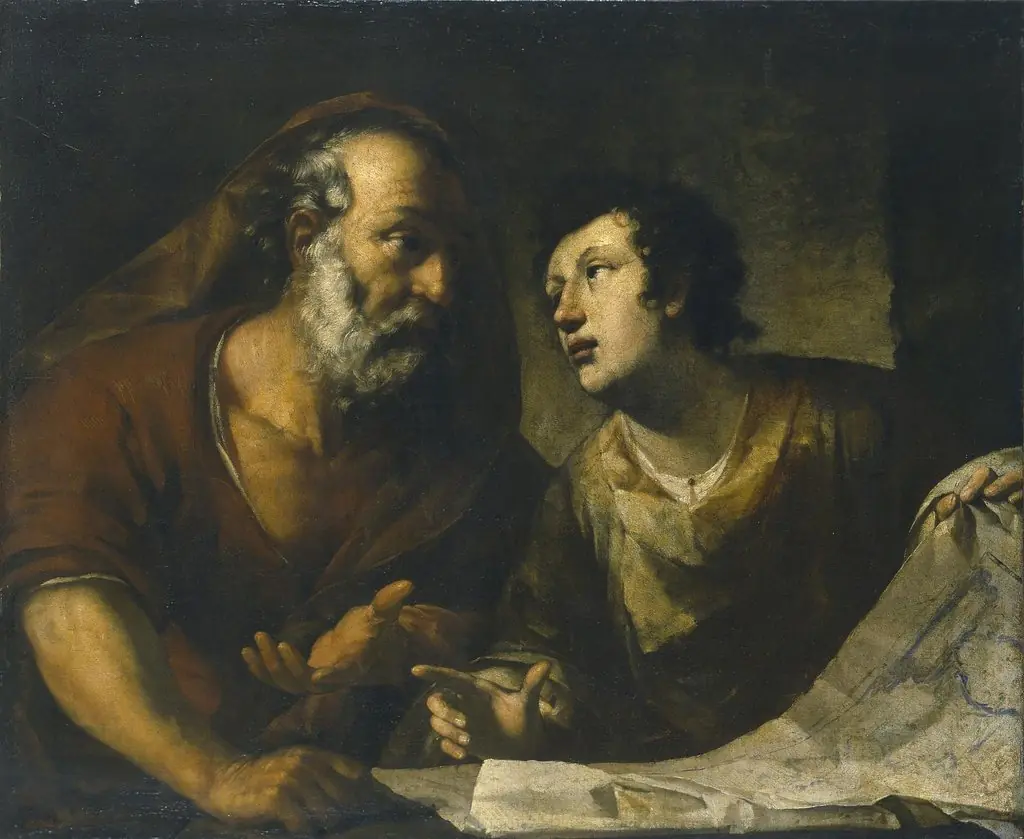
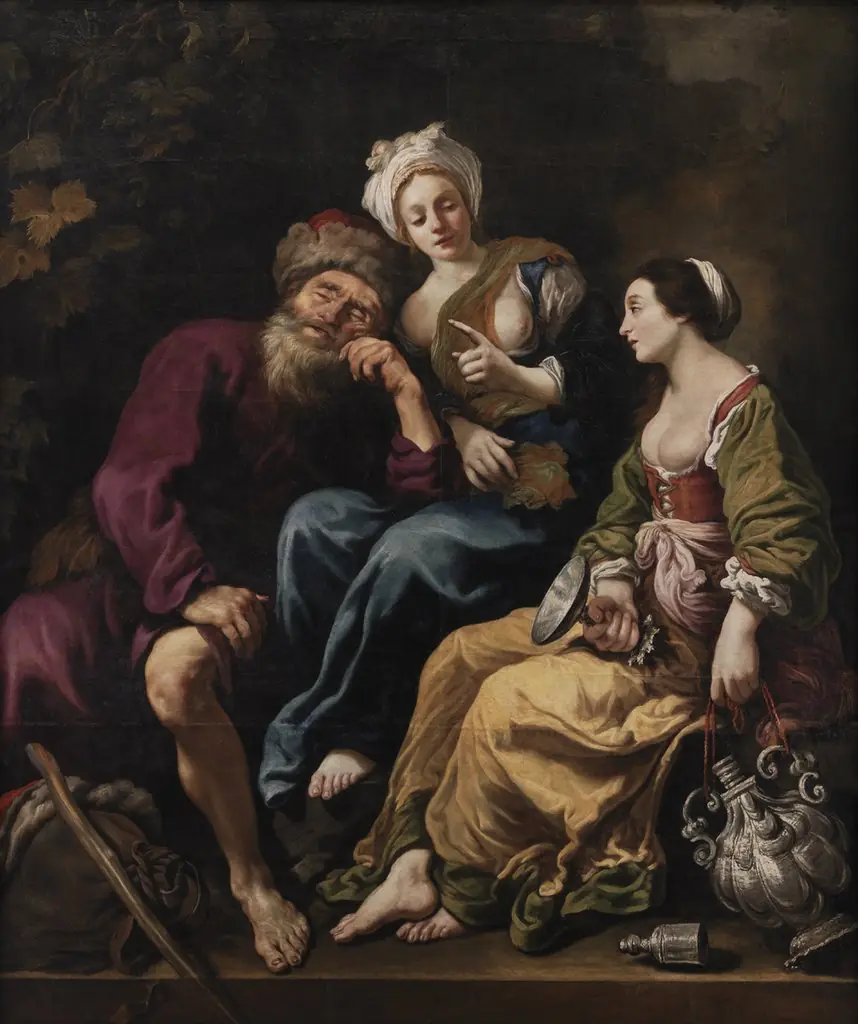
The painting illustrates Peter’s denial of Christ, as described in the Gospels, moments before the rooster’s crow. A central figure, likely a servant or guard, points accusingly at Peter, who stands to the left with a staff, his posture tense. A woman on the right observes the exchange, her gaze intensifying the atmosphere of exposure and shame. The scene captures the psychological weight of betrayal, emphasizing human frailty over spectacle.
Technique & Style
Dujardin employs a muted palette and strong contrasts of light and shadow to focus attention on the figures’ interactions. The dark, indistinct background isolates the trio, heightening the intimacy of the moment. Brushwork is precise but not overly detailed, favoring emotional clarity over ornamental richness. The lighting, though not as theatrical as Caravaggio’s, still guides the viewer’s eye to the central gesture of accusation.
History & Provenance
Created in the final decade of Dujardin’s career, the painting reflects his continued interest in religious subjects despite his reputation for pastoral scenes. It likely originated in the Netherlands and entered private collections before being acquired by a public institution. Its survival in relatively intact condition offers insight into the lesser-known devotional works of Dutch artists beyond genre and still-life traditions.
Context
In mid-17th-century Holland, religious imagery persisted despite Calvinist restrictions, often conveyed through subtle, intimate scenes rather than grand altarpieces. Dujardin’s work aligns with a trend among Dutch painters to explore biblical narratives with psychological realism. His training in Italy may have influenced the composition’s spatial clarity and figure modeling, blending Northern attention to detail with Southern dramatic structure.
Legacy
While not widely reproduced or celebrated in his time, *Denial of Peter* remains a significant example of how Dutch artists adapted religious themes to domestic-scale formats. It illustrates Dujardin’s versatility and the quiet persistence of biblical storytelling in a society increasingly focused on secular life. The painting contributes to broader scholarly understanding of religious expression in the Dutch Golden Age beyond the dominant genres.
Artist & collection
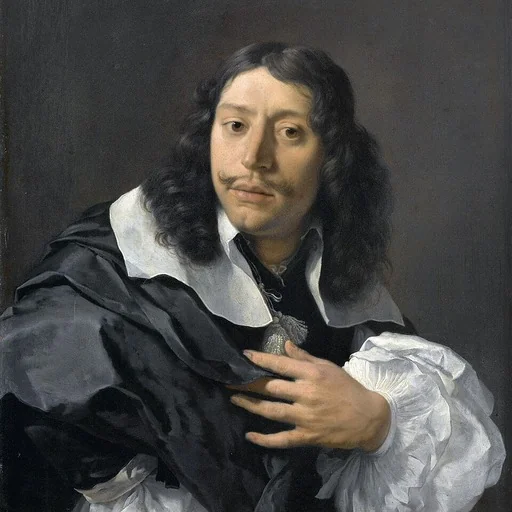
Artist
Karel Dujardin (September 27, 1626 – November 20, 1678) was a Dutch Golden Age painter.