Artwork
Ill matched (Couple mal assorti)
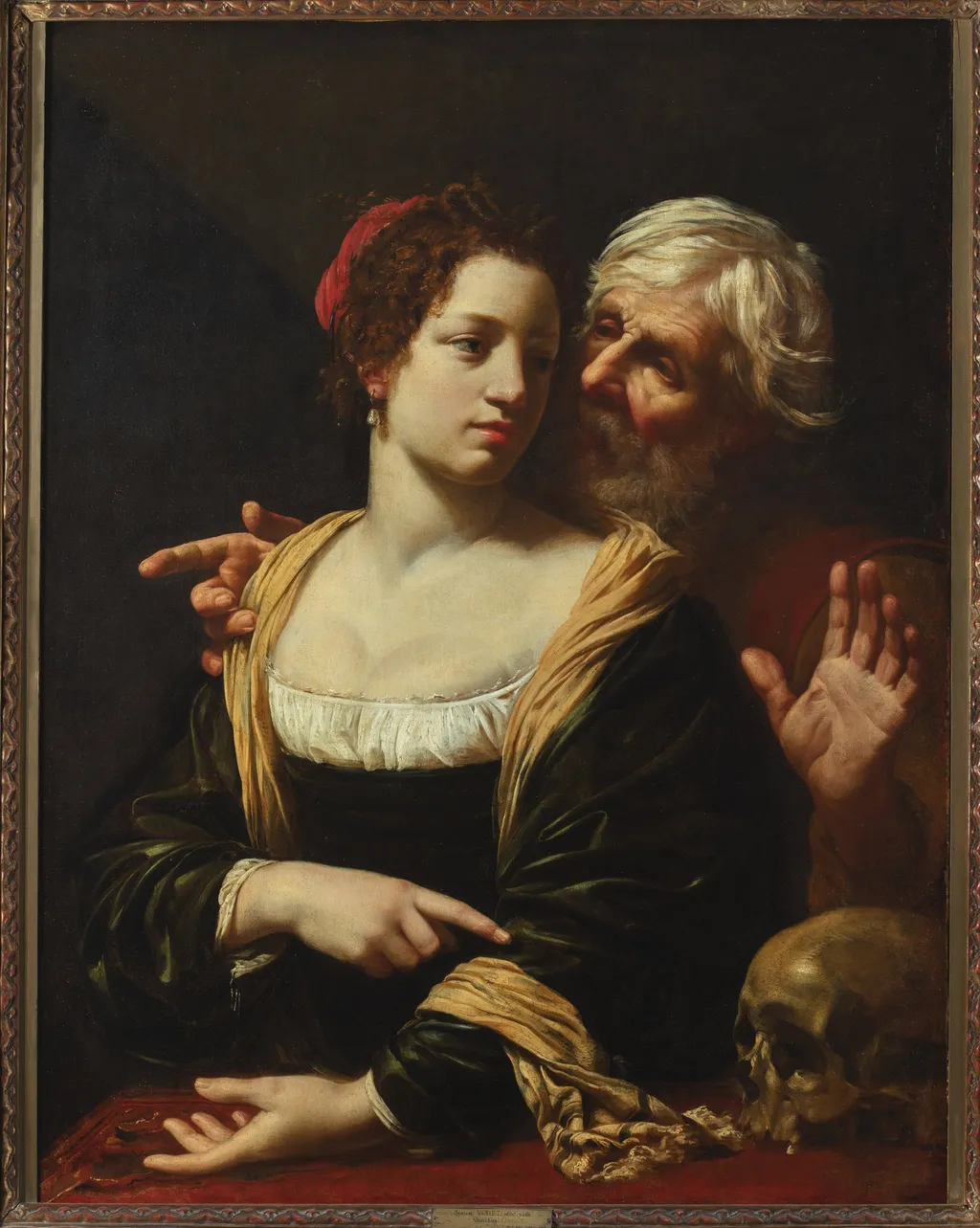
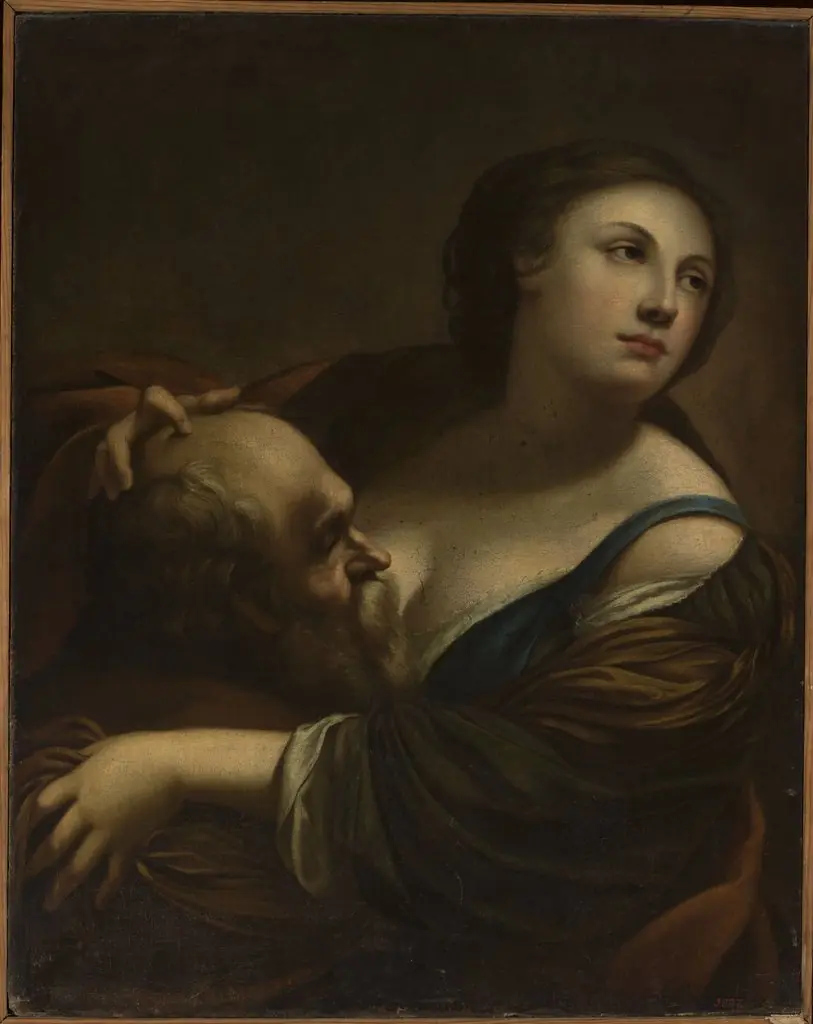
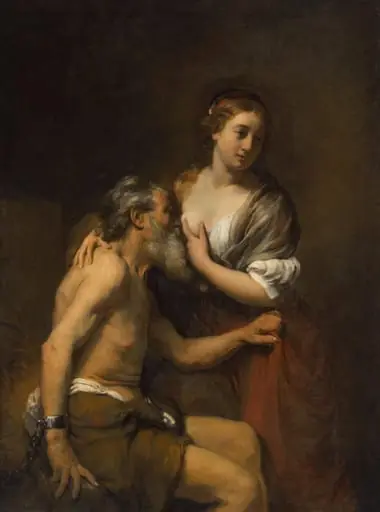
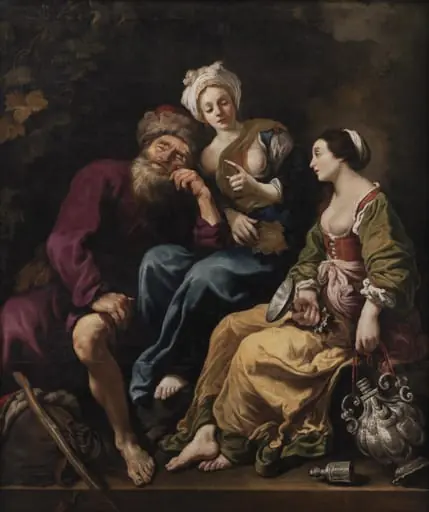
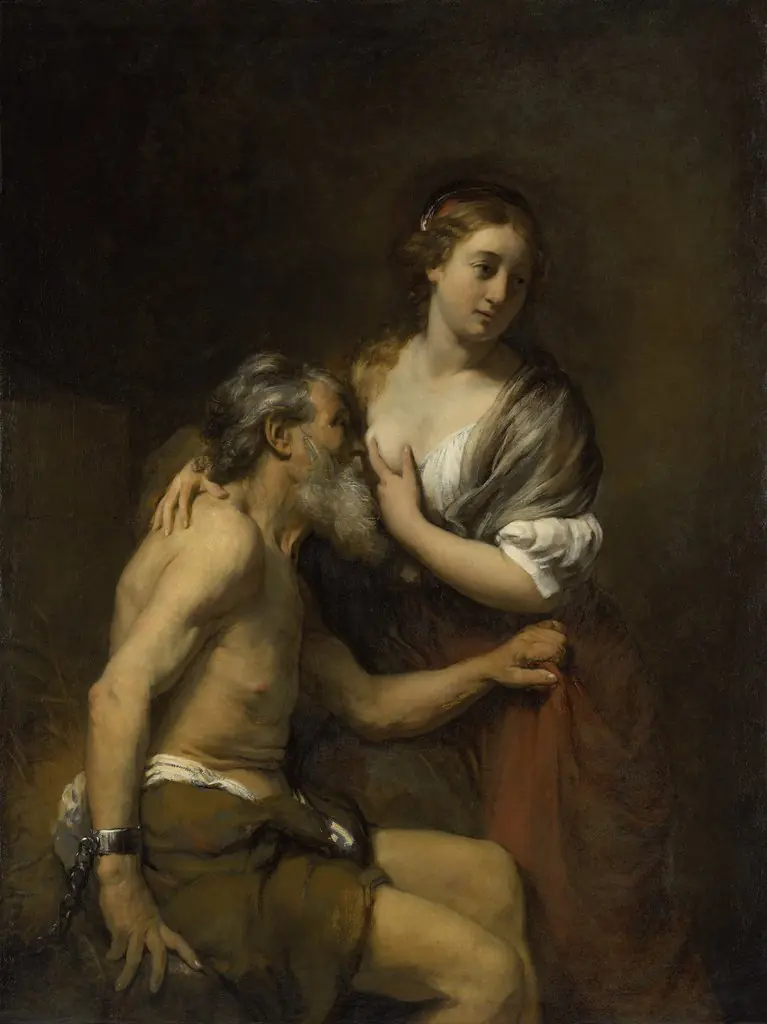
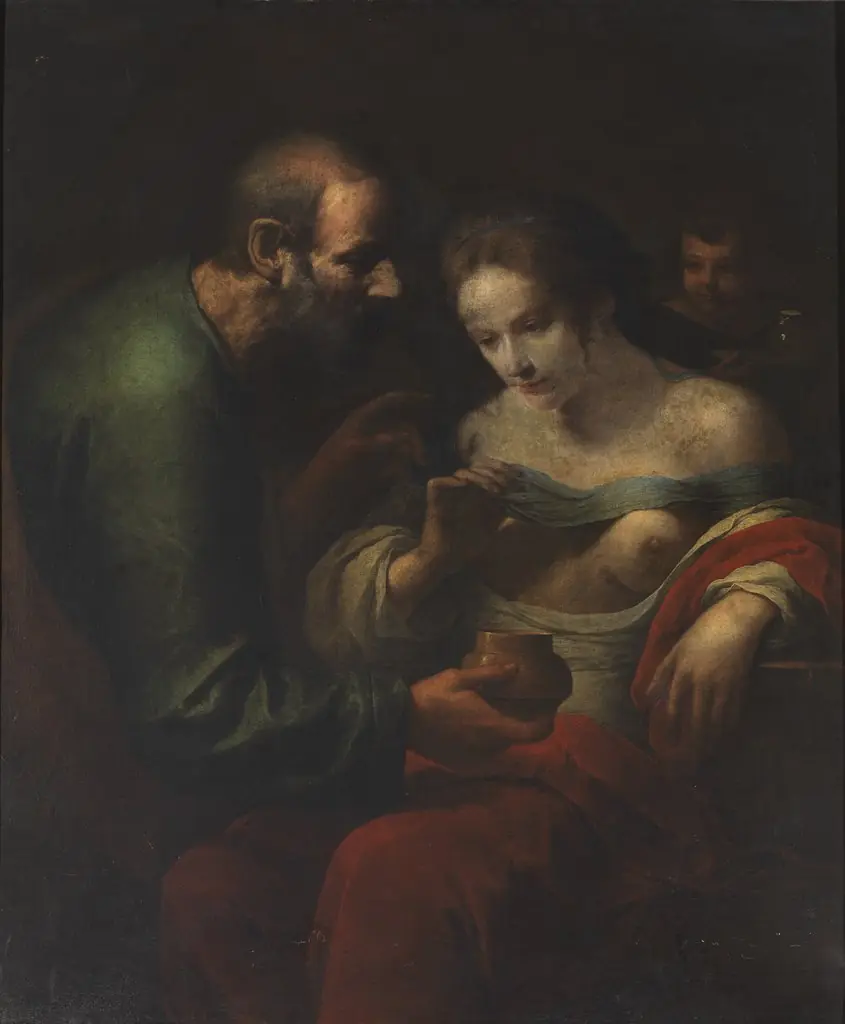
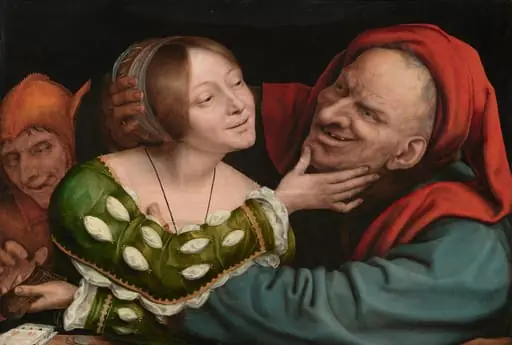
Ill matched (Couple mal assorti) is an oil painting by the Barbizon school artist Simon Vouet. It dates from 1629 and is held in the collection of the National Museum in Warsaw.
About this work
Overview
Its somber tone and symbolic elements distinguish it from his more ornate religious commissions, suggesting a quieter, more introspective mode of expression.
Painted around 1629 by Simon Vouet, *Ill Matched* is an allegorical oil painting that reflects the artist’s synthesis of Italian Baroque influences with French courtly tastes. Vouet, then serving as Premier peintre du Roi to Louis XIII, produced this work during a period of intense artistic renewal in Paris. Its somber tone and symbolic elements distinguish it from his more ornate religious commissions, suggesting a quieter, more introspective mode of expression.
Subject & Meaning
The painting presents a pair whose age and demeanor suggest an imbalance in their relationship. A young woman, seated with outstretched hands, appears resigned, while an older man, standing behind her, gestures toward her chest with intensity. A skull on the table introduces a memento mori motif, implying themes of mortality, transience, or moral warning. The scene resists clear narrative, inviting interpretation as a commentary on love, power, or the fleeting nature of youth.
Technique & Style
Vouet employs strong chiaroscuro to isolate the figures against a deep, undefined background, heightening the psychological tension. The woman’s dark green dress and the man’s pale hair and beard create a stark tonal contrast, while the red headband draws the eye to her face. Brushwork is controlled yet expressive, with careful attention to texture in fabric and skin. The lighting models the forms with theatrical precision, characteristic of Vouet’s Italian training.
History & Provenance
The painting entered the collection of the National Museum in Warsaw, though its earlier ownership remains undocumented. It likely originated in France during Vouet’s tenure at court, possibly commissioned by a private patron or retained by the artist. Its survival outside France suggests movement through collections during the 18th or 19th centuries, though no record of its path to Poland has been established.
Context
In the late 1620s, French art was transitioning from late Mannerism toward the Baroque, largely through Vouet’s influence after his return from Italy. While he is best known for grand religious and mythological cycles, *Ill Matched* reveals his engagement with intimate, symbolic subjects. Such works may have appealed to elite collectors interested in moral allegory, aligning with broader European trends in vanitas imagery and psychological portraiture.
Legacy
Though less celebrated than Vouet’s public commissions, *Ill Matched* exemplifies his ability to infuse secular subjects with emotional depth and symbolic weight. It stands as a rare example of his non-religious allegory, contributing to scholarly understanding of his range beyond courtly grandeur. The painting remains a quiet but compelling testament to the introspective side of early Baroque French painting.
Artist & collection
Artist
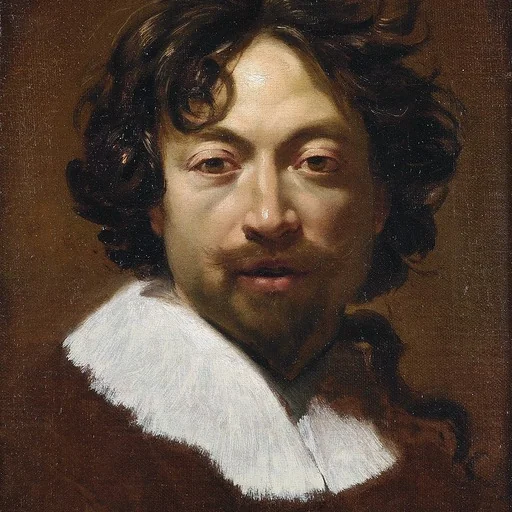
Simon Vouet (French pronunciation: ; 9 January 1590 – 30 June 1649) was a French painter who studied and rose to prominence in Italy before being summoned by Louis XIII to serve as Premier peintre du Roi in France.