Artwork
The drunken Silenus tied up in his sleep by the nymph Aegle and putti
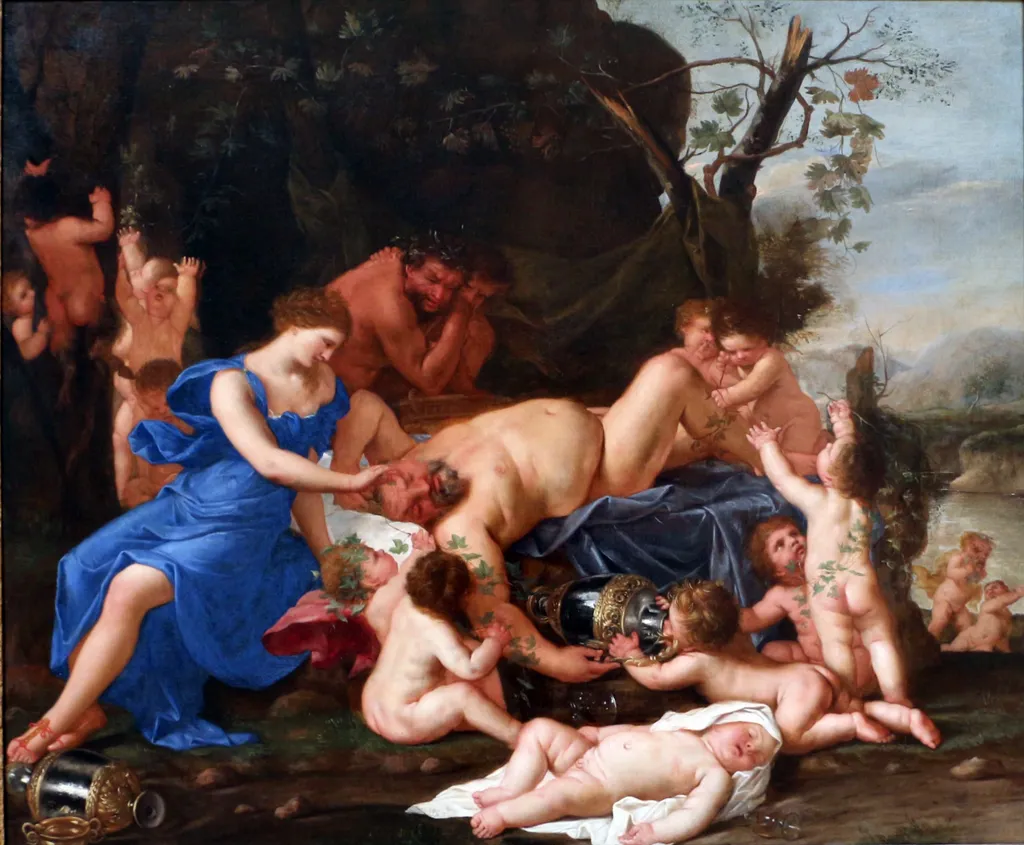
The drunken Silenus tied up in his sleep by the nymph Aegle and putti is an oil painting by the Flemish Baroque painting artist Karel Philips Spierincks. It dates from 1630 and is held in the collection of the Royal Museums of Fine Arts of Belgium.
About this work
Overview
Karel Philips Spierincks, a Flemish artist who spent much of his career in Rome, painted this oil work in 1630. It belongs to the Flemish Baroque tradition and is now part of the Royal Museums of Fine Arts of Belgium’s collection. The composition presents a mythological episode involving Silenus, a nymph, and several putti, rendered with the dramatic lighting typical of the period.
Subject & Meaning
The scene draws on classical mythology, showing the inebriated Silenus lying supine while the nymph Aegle binds him, assisted by mischievous winged children. The figures are portrayed in various stages of undress, emphasizing the carefree, revelrous atmosphere that surrounds the drunken satyr.
Technique & Style
Spierincks employs a strong chiaroscuro, contrasting illuminated forms against deep shadows to heighten the sense of movement and tension. The figures are rendered with a classicizing smoothness, reflecting the influence of contemporaries such as François Duquesnoy and Nicolas Poussin, while the background recedes into a gently lit landscape of trees and hills.
History & Provenance
Created during Spierincks’s Roman period, the painting later entered the holdings of the Royal Museums of Fine Arts of Belgium. Its provenance traces back to the artist’s workshop, where mythological subjects with putti were a recurring motif, aligning with the tastes of 17th‑century collectors interested in classical themes.
Context
The work exemplifies the Flemish Baroque fascination with mythological narratives, a genre that allowed painters to explore the human form, allegory, and theatrical composition. Spierincks’s approach merges Northern attention to detail with the grand, idealized classicism favored by Roman patrons of the time.
Own this work as a print
Artist & collection
Artist
Karel Philips Spierincks (many name variations: Spierinckx, Spierinck, Spieringh, Spiringh, Spirinck, Spirinx, Spirin, Carlo Filippo Fiammingo) (c.

Museum
Royal Museums of Fine Arts of Belgium
Continue through works from the same source collection.
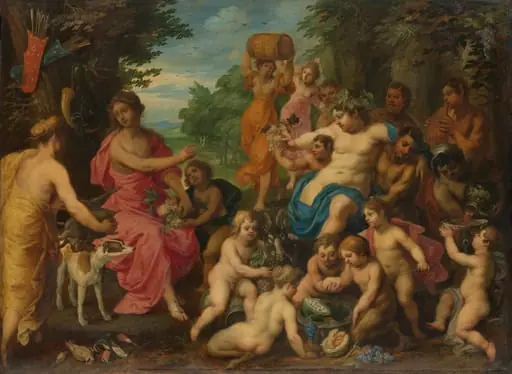 Diana Offered Wine and Fruit by Bacchus and his Retinue
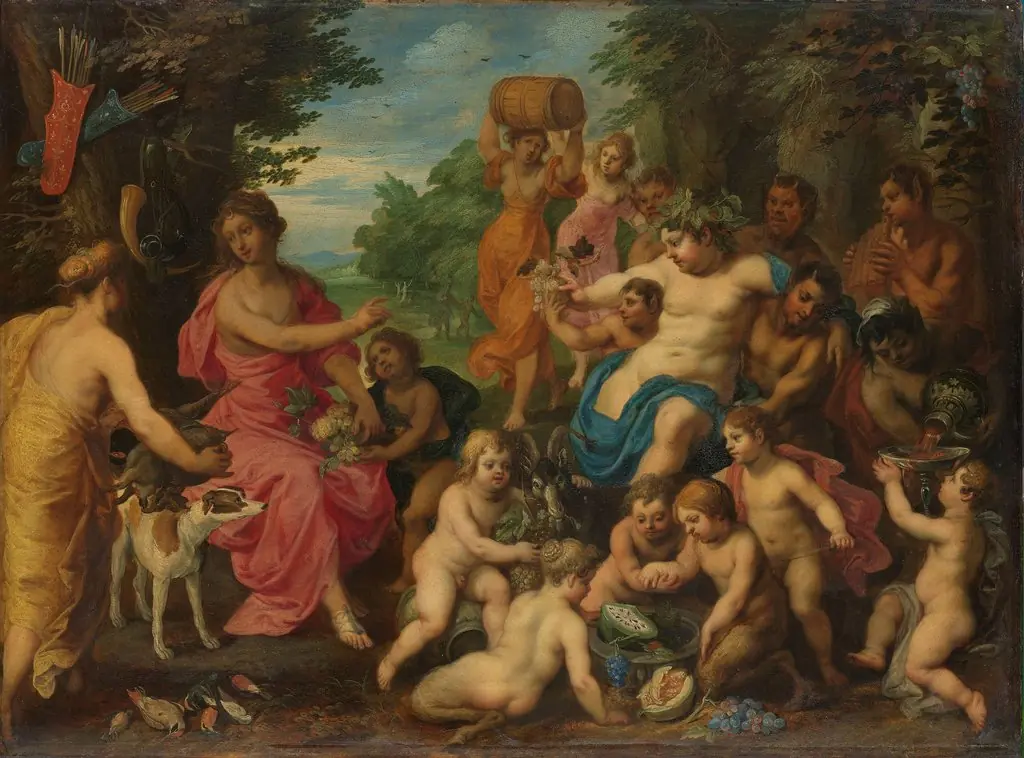 Diana Offered Wine and Fruit by the Young Bacchus and his Retinue
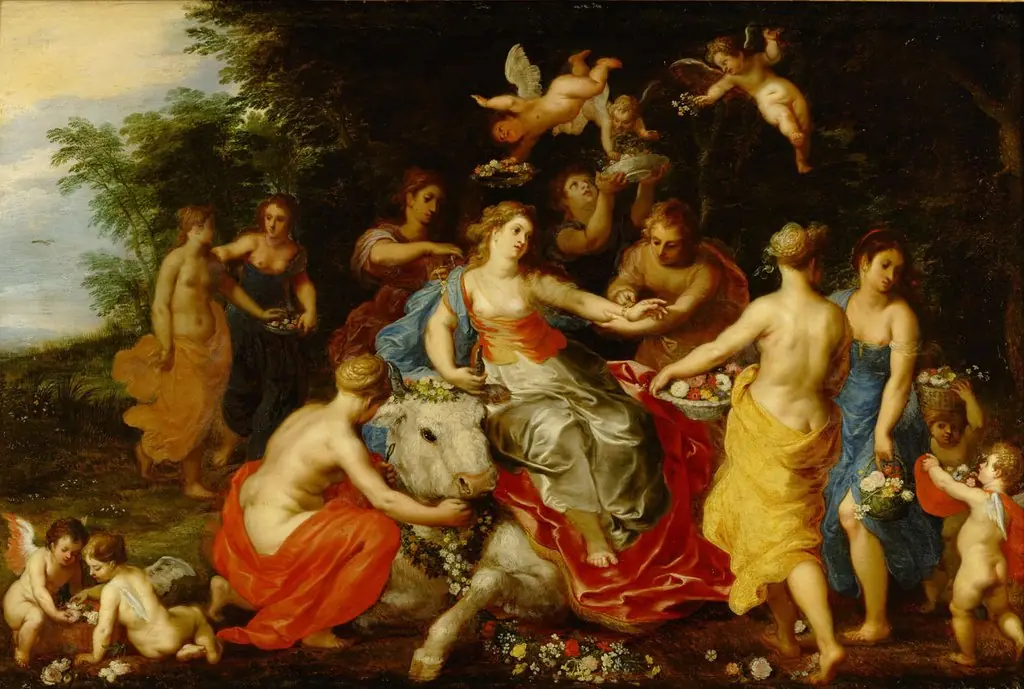 Europa riding the bull
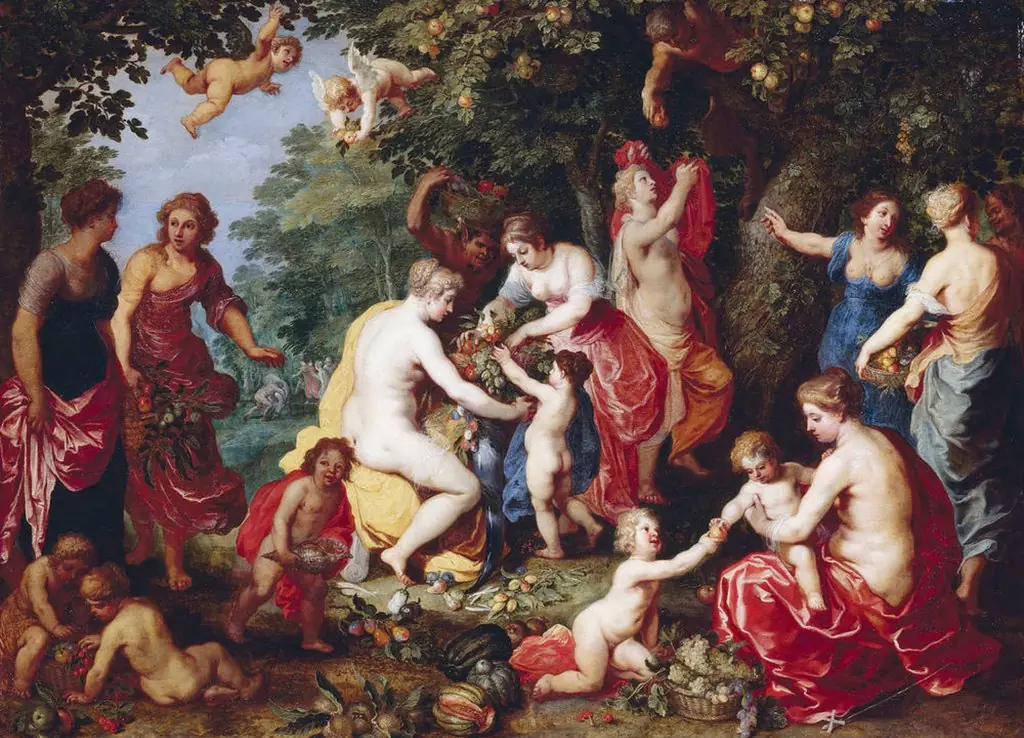 Nymphs and children under fruit trees (Naiads fill the cornucopia)
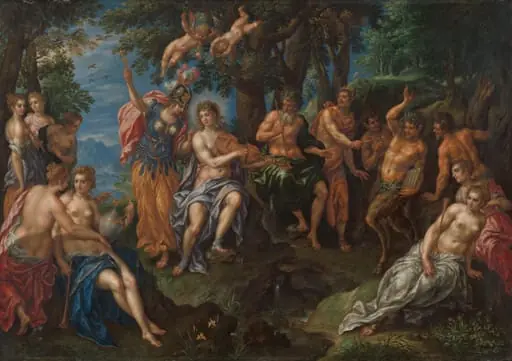 The Contest between Apollo and Pan
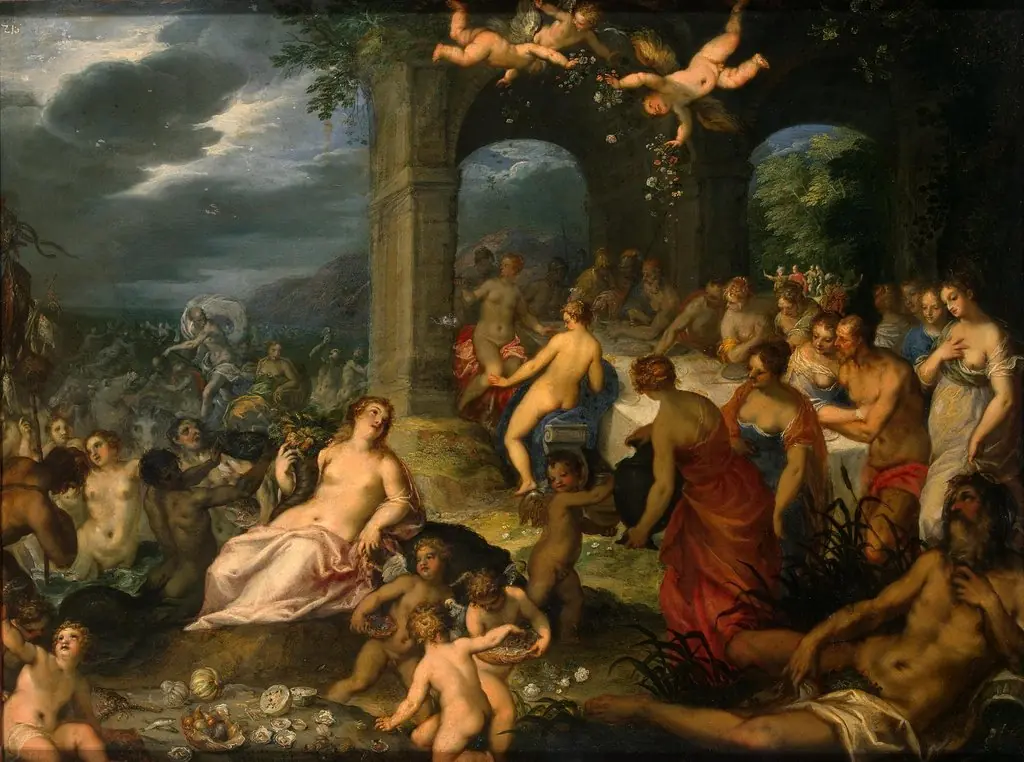 Feast of the Gods (The Marriage of Peleus and Thetis)
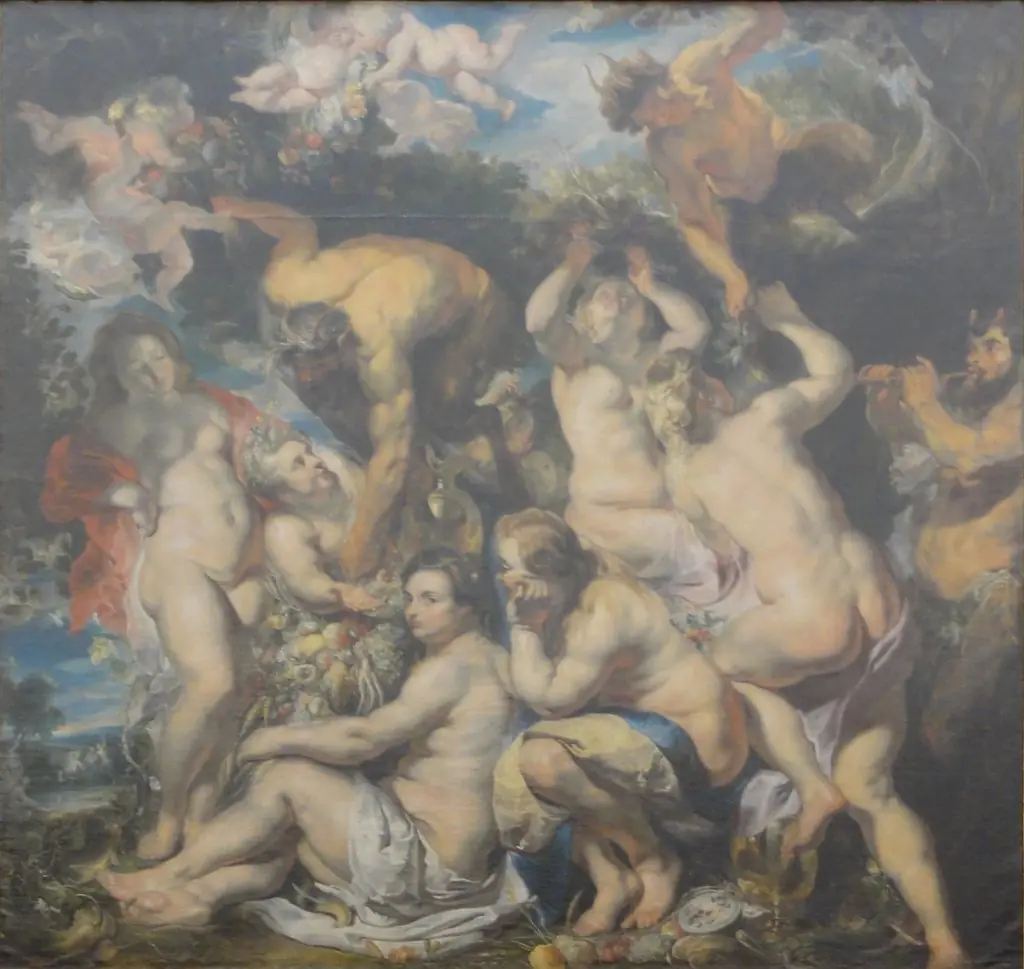 Allegory of fertility
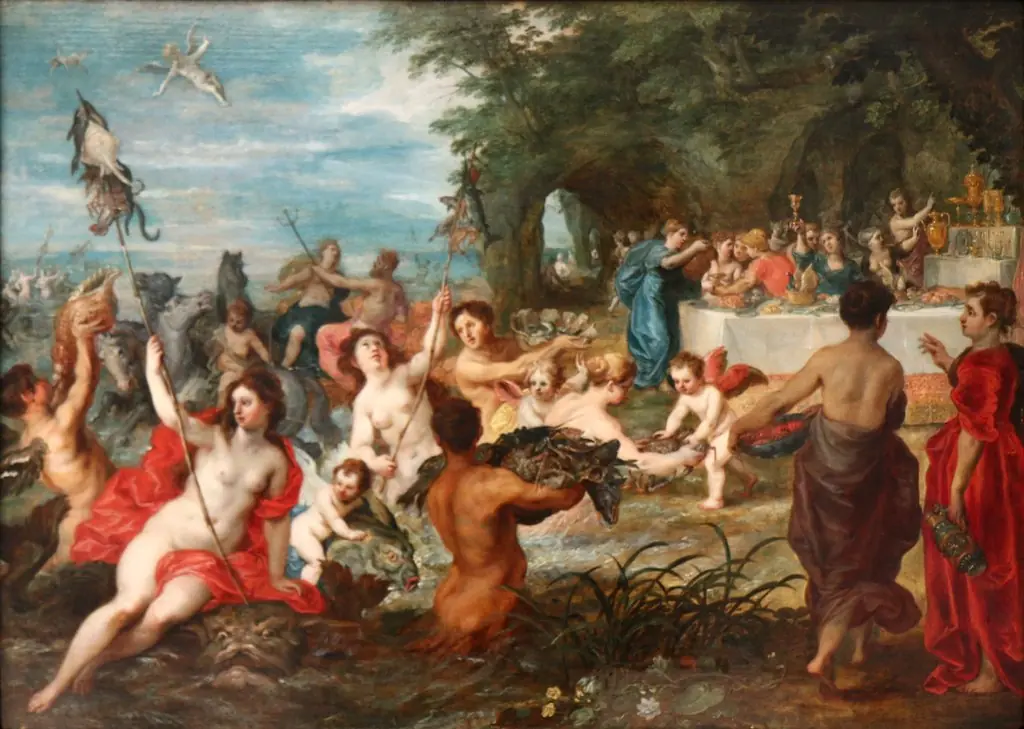 The wedding of Thetis and Peleus
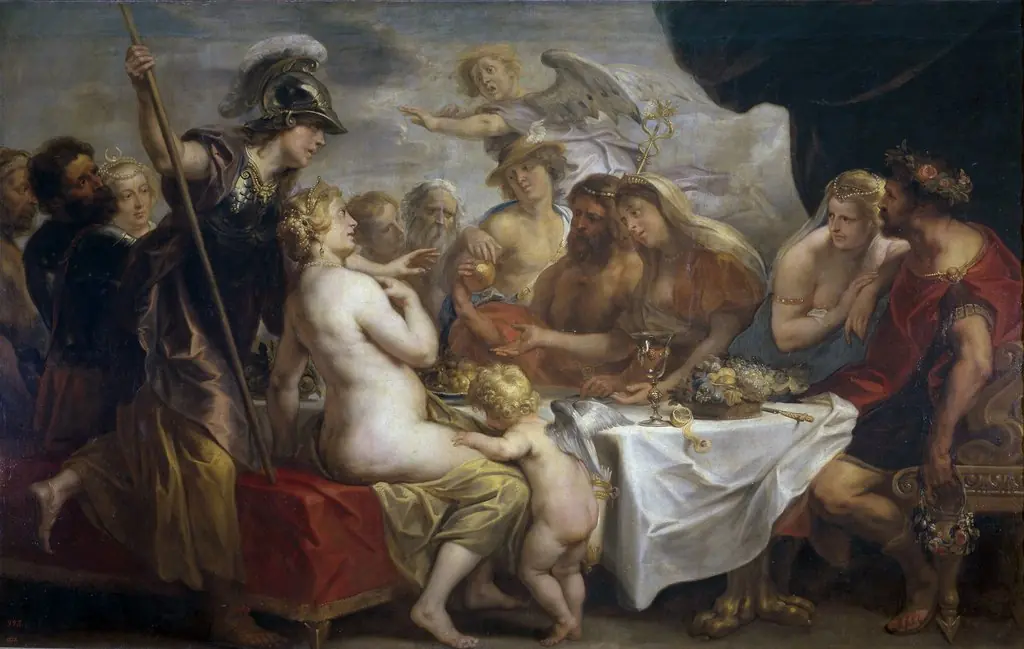 The wedding of Thetis and Peleus
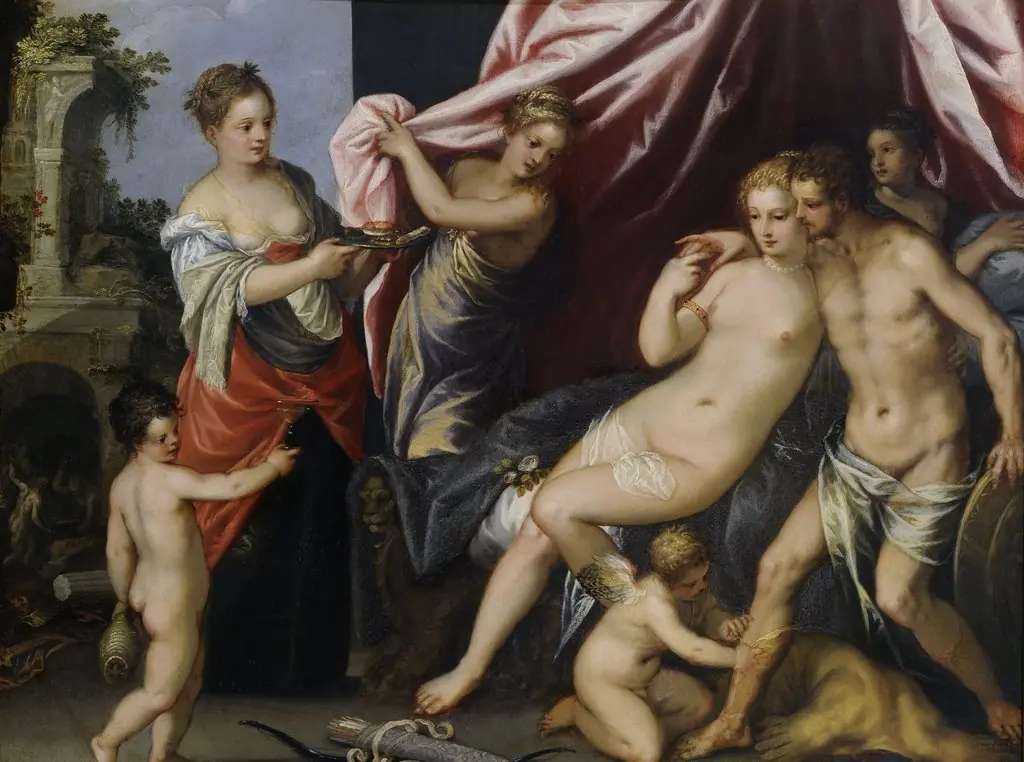 Venus and Mars
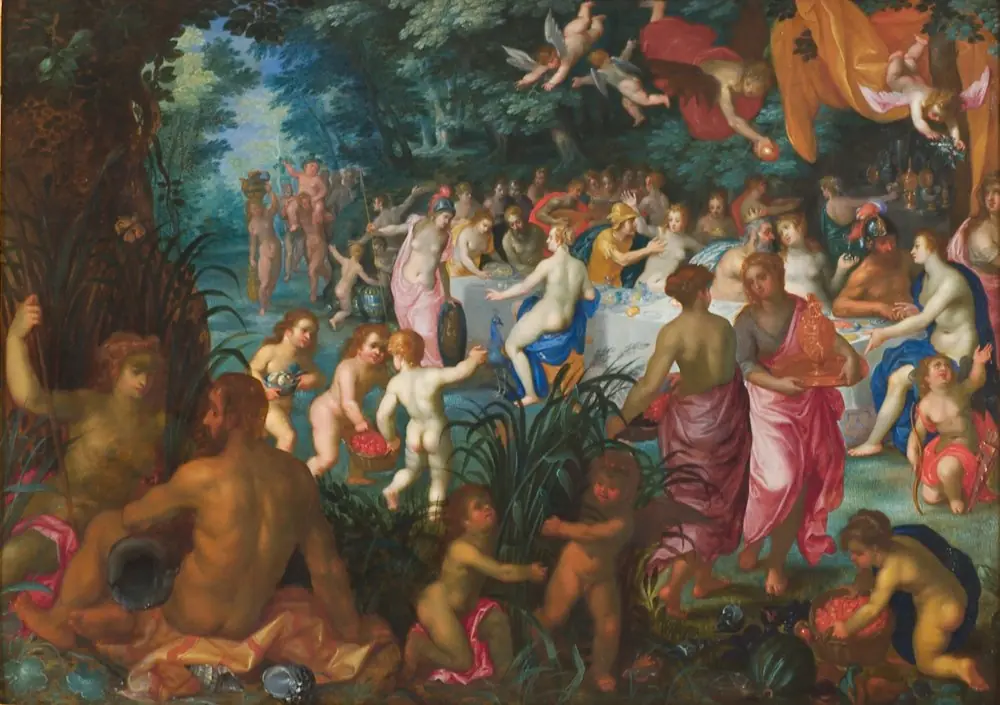 The Marriage of Peleus and Thetis
 The Judgement of Paris