Artwork
Untitled
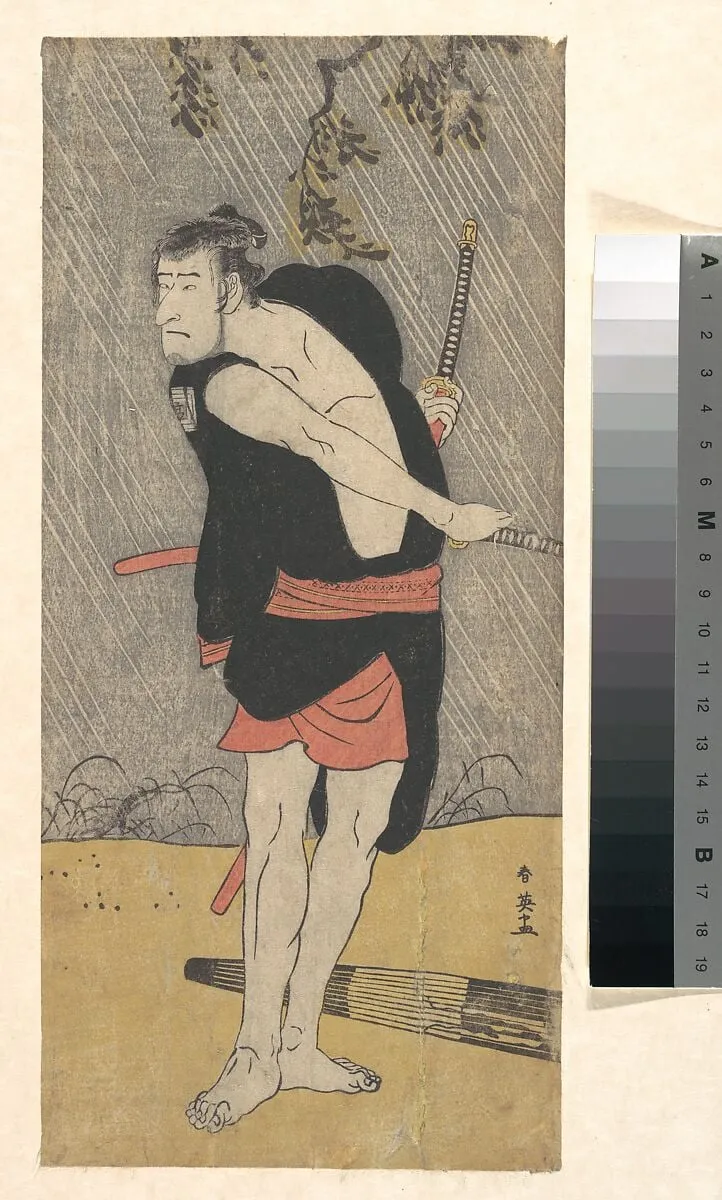
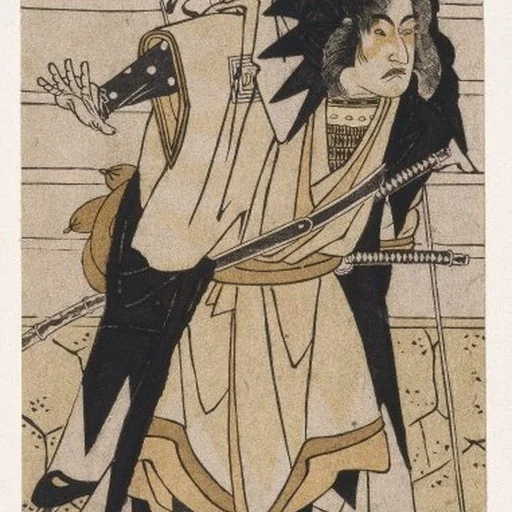
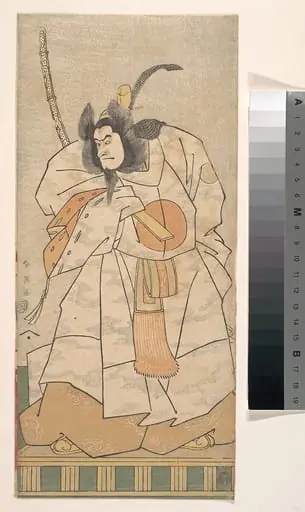
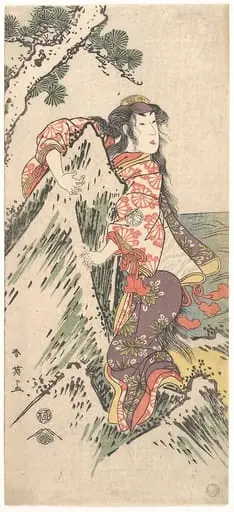
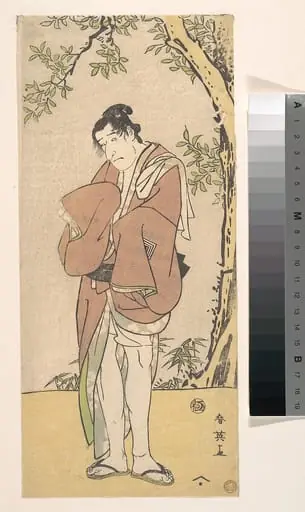
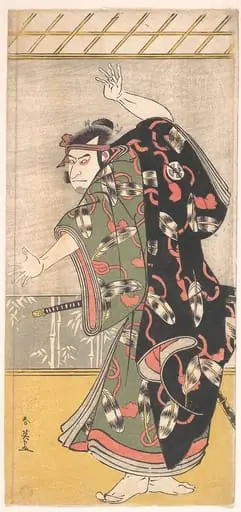
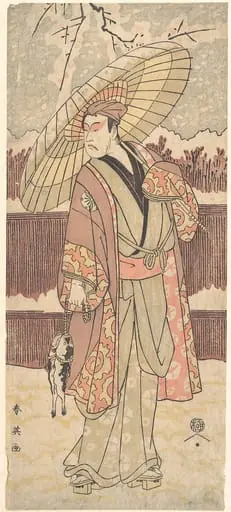
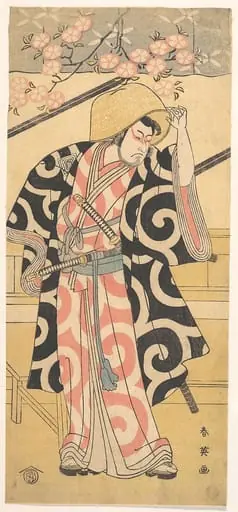
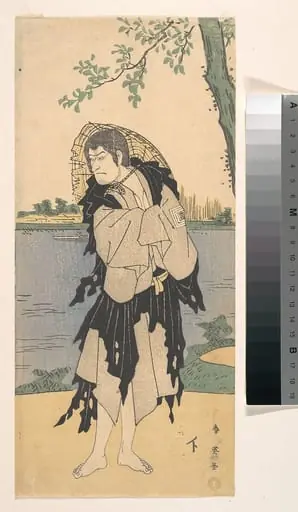
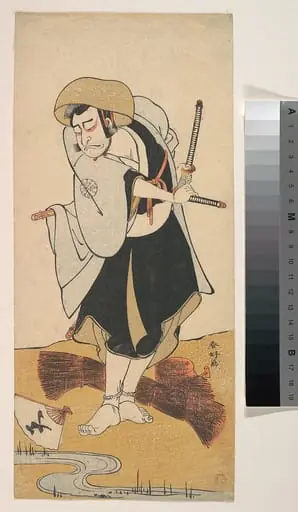
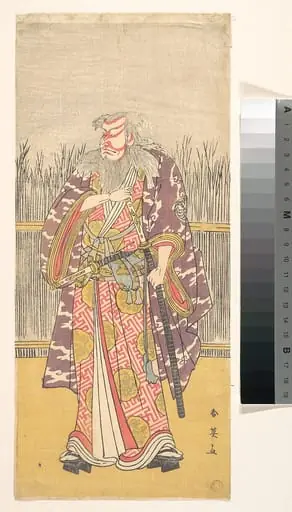
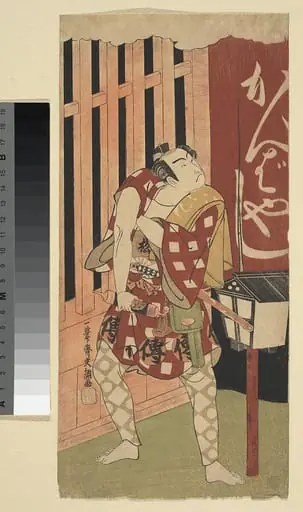
Untitled is an ink print by the Baroque artist Katsukawa Shun'ei 勝川春英. It dates from 1703 and is held in the collection of the Metropolitan Museum of Art. This woodblock print, attributed to Katsukawa Shun'ei and dated around 1703, is part of The Metropolitan Museum of Art's collection.
About this work
Overview
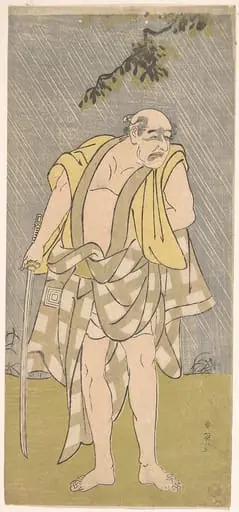
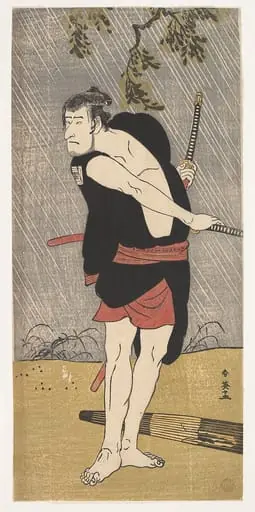
The composition centers on a solitary figure in a storm, rendered with strong outlines and flat areas of color, characteristic of the ukiyo-e tradition.
This woodblock print, attributed to Katsukawa Shun'ei and dated around 1703, is part of The Metropolitan Museum of Art's collection. Executed in ink and color on paper, it exemplifies early 18th-century Japanese printmaking. The composition centers on a solitary figure in a storm, rendered with strong outlines and flat areas of color, characteristic of the ukiyo-e tradition. Its simplicity and focus on mood reflect the aesthetic priorities of the period.
Subject & Meaning
The figure is a man clad in a black sleeveless upper garment and red shorts, standing motionless in heavy rain while gripping a sword. His expression is stern, suggesting readiness for conflict or vigilance. The absence of narrative context invites interpretation: he may be a warrior awaiting orders, a ronin in exile, or a symbolic representation of resolve. The rain intensifies the sense of isolation and impending action.
Technique & Style
The print employs traditional woodblock techniques, with bold, clean lines defining the figure and minimal shading to suggest volume. Color is applied in flat, unmodulated planes—black, red, and gray—creating visual contrast without depth. The rain is rendered as parallel, vertical lines, a conventional shorthand in ukiyo-e for precipitation. The composition’s austerity emphasizes emotional weight over decorative detail.
History & Provenance
Created circa 1703, the work originates from the Katsukawa school, known for actor prints and warrior imagery. While Shun'ei’s output included portraits and scenes from theater and history, this piece stands out for its lack of textual or narrative markers. It entered The Metropolitan Museum of Art’s collection through documented acquisitions in the 20th century, though its earlier ownership remains undocumented.
Context
In early Edo-period Japan, woodblock prints were mass-produced for a growing urban audience. Warrior imagery, though less common than kabuki actors or beauties, appealed to ideals of discipline and stoicism. This print aligns with a trend of solitary, atmospheric figures—echoing literary and theatrical tropes of the time—where environment conveyed inner state more than plot.
Legacy
Though not among Shun'ei’s most widely reproduced works, this print illustrates the versatility of ukiyo-e beyond popular entertainment subjects. Its restrained composition influenced later artists exploring mood and minimalism in printmaking. As a rare example of a non-theatrical, non-portrait warrior image from the period, it contributes to broader understandings of Edo-period visual culture.
Artist & collection