Artwork
Untitled
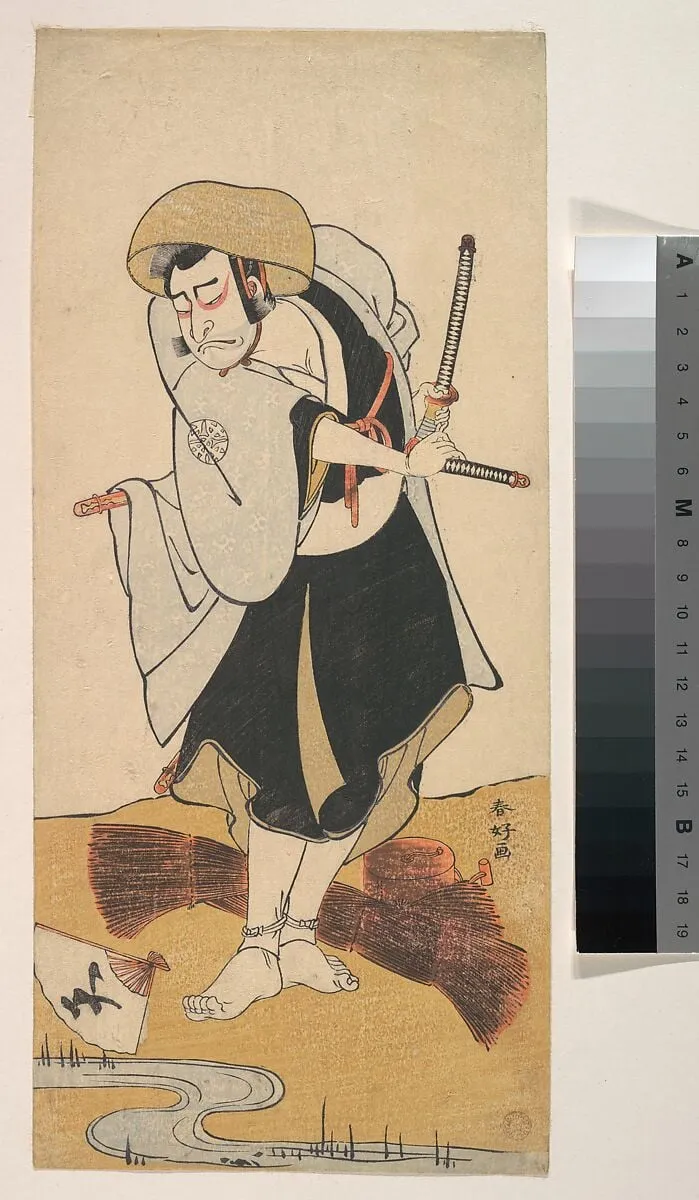
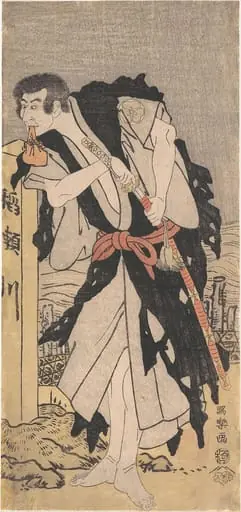
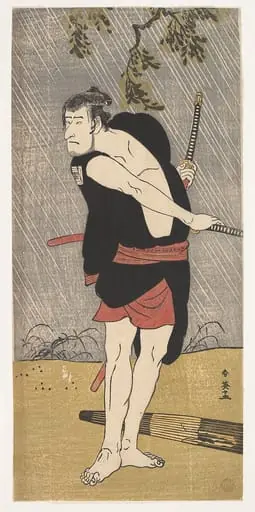
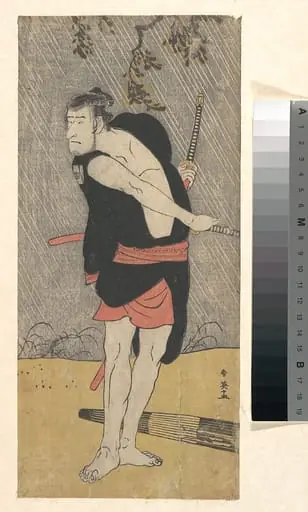
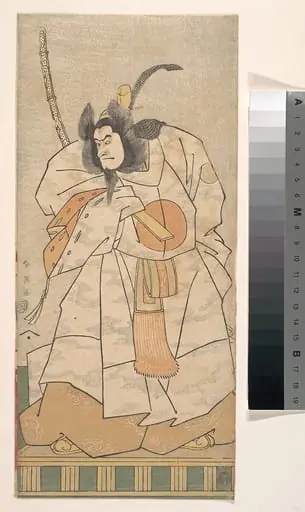
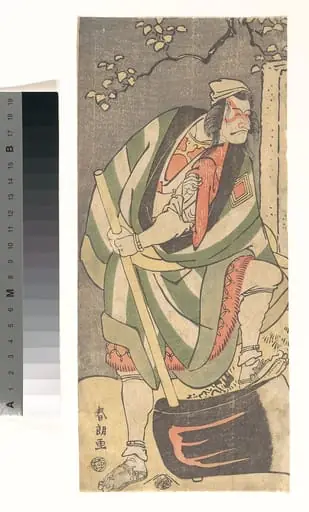
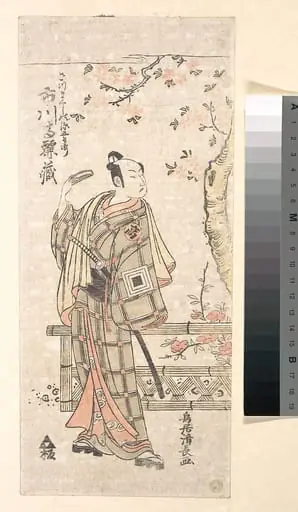
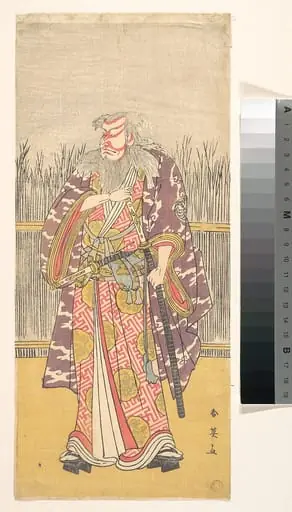
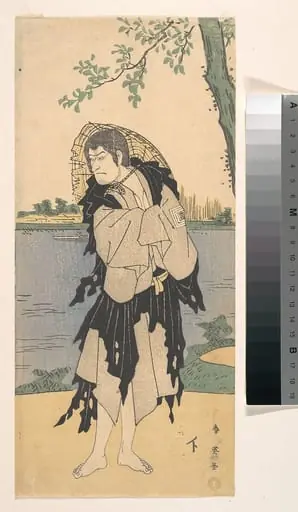
Untitled is an ink print by the Romanticist artist Katsukawa Shunkō. It dates from 1786 and is held in the collection of the Metropolitan Museum of Art.
About this work
Overview
This woodblock print, dated around 1786, is attributed to Katsukawa Shunkō, a printmaker active during the Edo period.
This woodblock print, dated around 1786, is attributed to Katsukawa Shunkō, a printmaker active during the Edo period. Executed in ink and color on paper, it is part of The Metropolitan Museum of Art’s collection. The work belongs to the ukiyo-e tradition, depicting a solitary figure in a moment of quiet readiness. Its formal simplicity and restrained palette reflect the aesthetic values of late 18th-century Japanese printmaking.
Subject & Meaning
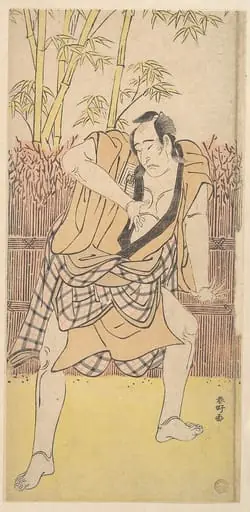
The figure is a man dressed in a black-and-white robe, wearing a hat and holding a sword in one hand and a cloth in the other. At his feet lie a broom and a fan, suggesting a servant or attendant in a domestic or ceremonial setting. His serious expression and poised stance imply vigilance or preparation, possibly for a ritual or duty. The objects around him hint at roles tied to service, discipline, or transition between states of action and stillness.
Technique & Style
The print employs traditional ukiyo-e woodblock techniques, with fine lines defining form and subtle color gradations applied by hand. The background is left in a pale, unmodulated tone, enhancing the figure’s presence through contrast. Details such as the folds of fabric and the texture of the broom are rendered with precision, characteristic of Shunkō’s attention to everyday objects. The composition is balanced and frontal, emphasizing the subject’s stillness rather than movement.
History & Provenance
Created in the late 1780s, the print emerged during a period when ukiyo-e artists increasingly depicted non-actor and non-beauty subjects, including servants and warriors in quiet moments. It entered The Metropolitan Museum of Art’s collection through documented acquisitions in the 20th century, likely from a Japanese or Western collector with interest in Edo-period prints. Its attribution to Shunkō is supported by stylistic parallels in his known oeuvre.
Context
During the Edo period, woodblock prints often illustrated scenes from daily life, theater, or literature. Shunkō, a student of Katsukawa Shunshō, contributed to this tradition by portraying figures outside the usual genres of courtesans and actors. This print reflects a growing interest in individual character and quiet dignity, aligning with broader shifts in ukiyo-e toward introspective and less theatrical subjects.
Legacy
Though not widely reproduced or celebrated in its time, this print exemplifies the quiet refinement of late Edo-period printmaking. It contributes to scholarly understanding of how ukiyo-e artists expanded their subject matter beyond popular entertainment. Today, it serves as a reference for the nuanced depiction of ordinary figures in Japanese visual culture, influencing later studies of social roles in art.
Artist & collection

Artist
Katsukawa Shunkō spent his life in Edo, where crowded theaters and teahouses buzzed around him.

 Untitled
 勝川春好画 三代目澤村宗十郎 三代目佐野川市松 |Kabuki Actors Sawamura Sōjūrō III and Sanogawa Ichimatsu III in "A Courtesan’s Mirror for the Eastern Provinces" (Keisei Azuma kagami)
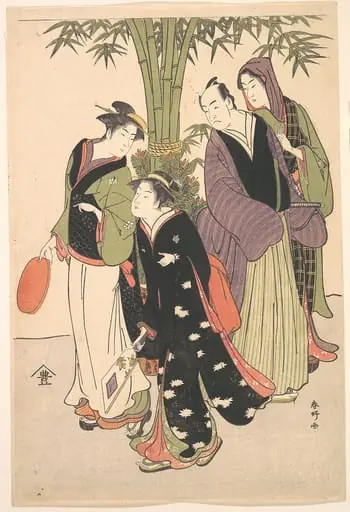 勝川春好画 三代目瀬川菊之丞・二代目市川門之助|Kabuki Actors Segawa Kikunojō III and Ichikawa Monnosuke II and Two Courtesans Celebrating the New Year
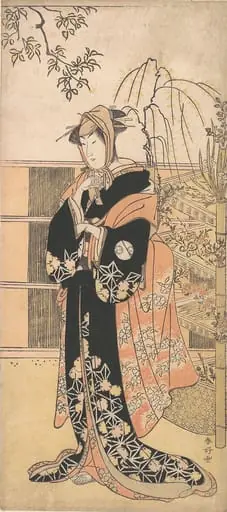 勝川春好画 三代目瀬川菊之丞|Kabuki Actor Segawa Kikunojō III in a Woman’s Role
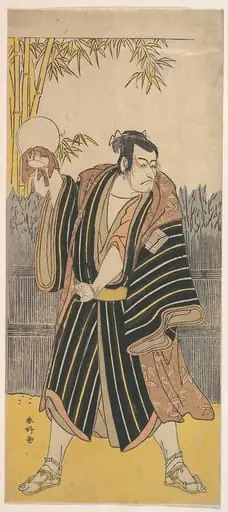 勝川春好画 七代目片岡仁左衛門 五代目市川團十郎|Kabuki Actor Ichikawa Danjūrō V
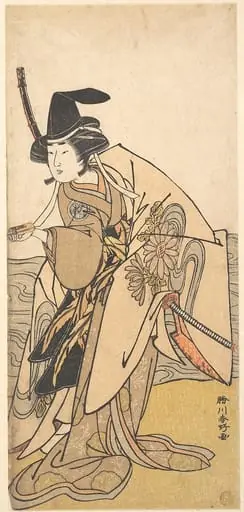 Untitled
 Untitled
 Untitled