Artwork
四代目市川團蔵|Kabuki Actor Ichikawa Danzō IV
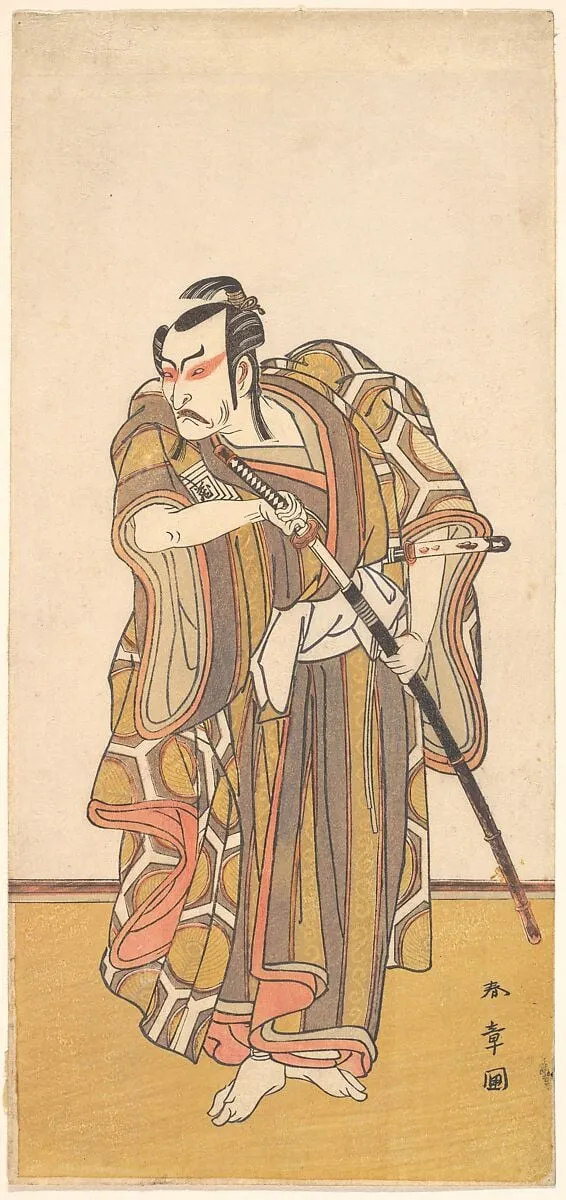
四代目市川團蔵|Kabuki Actor Ichikawa Danzō IV is an ink print by the Romanticist artist Katsukawa Shunshō. It dates from 1774 and is held in the collection of the Metropolitan Museum of Art.
About this work
Overview
The work is part of the collection at The Metropolitan Museum of Art, representing the Edo-period tradition of actor portraiture in print form.
This woodblock print, created around 1774 by Katsukawa Shunshō, depicts the kabuki actor Ichikawa Danzō IV in a theatrical pose. Rendered in nishiki-e, a multicolor printing technique, it uses ink and pigments on paper to capture a moment of heightened stage presence. The work is part of the collection at The Metropolitan Museum of Art, representing the Edo-period tradition of actor portraiture in print form.
Subject & Meaning
The print portrays Ichikawa Danzō IV, a celebrated actor known for villainous and intense roles. His stance, sword in hand and fan raised, suggests a climactic scene from a historical drama. The exaggerated facial features and piercing gaze convey inner turmoil or righteous fury, aligning with kabuki’s emphasis on emotional extremes. The costume and posture serve not as literal representation but as symbolic shorthand for character and narrative tension.
Technique & Style
Shunshō employed flat areas of color, strong outlines, and minimal shading, typical of ukiyo-e aesthetics. The robe’s bold stripes of red, black, and gold are arranged in angular folds, prioritizing visual rhythm over naturalism. The use of metallic pigments for gold accents and precise line work highlights the artisanal precision of woodblock carving and printing, reflecting collaboration between artist, carver, and printer.
History & Provenance
Produced during the height of kabuki’s popularity in Edo, the print was likely commissioned as a promotional item for the actor’s performances. It entered The Metropolitan Museum of Art’s collection through established acquisitions of Japanese prints in the early 20th century. Its survival in good condition reflects its cultural value and the care taken in its preservation over centuries.
Context
In late 18th-century Japan, actor prints were mass-produced souvenirs for theatergoers, functioning as both advertising and fan memorabilia. Shunshō, a leading figure in the Katsukawa school, specialized in realistic yet stylized portrayals of actors, distinguishing his work from earlier idealized depictions. This print reflects a broader shift toward capturing individual performers’ distinctive personas on stage.
Legacy
Shunshō’s portraits helped define the visual language of kabuki actor prints, influencing later artists like Sharaku and Kunisada. This work exemplifies the fusion of theater and print culture in Edo, preserving the ephemeral energy of live performance in durable form. Today, it remains a key reference for understanding how Japanese visual culture documented and celebrated performing arts.
Artist & collection
Artist
Katsukawa Shunshō spent his life in Edo (now Tokyo), where the city’s teahouses and theaters buzzed with energy.

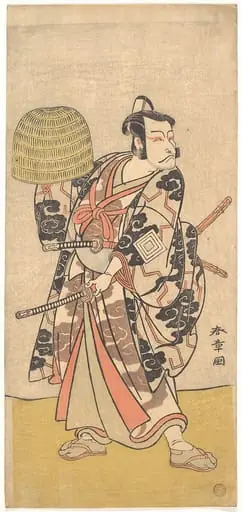 勝川春章画 五代目市川團十郎|Kabuki Actor Ichikawa Danjūrō V
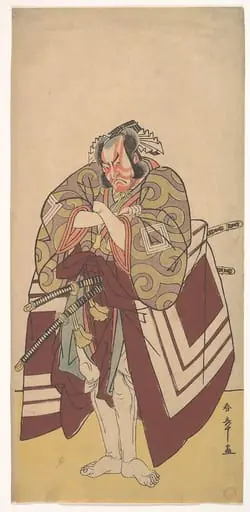 五代目市川団十郎|Kabuki Actor Ichikawa Danjūrō V in a Shibaraku (Stop Right There!) Role
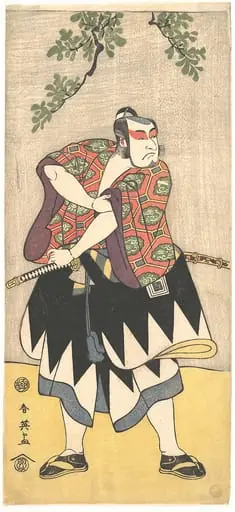 勝川春英画 二代目市川門之助|Kabuki Actor Ichikawa Monnosuke II
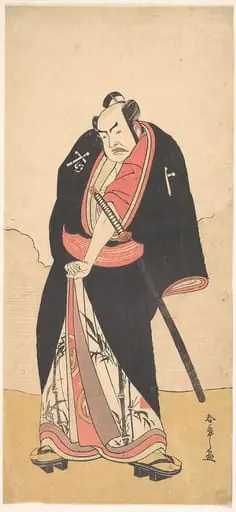 二代目中村助五郎|Kabuki Actor Nakamura Sukegorō II as Kaminari Shōkurō
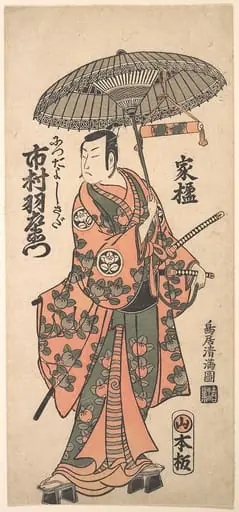 鳥居清満画 九代目市村羽左衛門|Kabuki Actor Ichimura Uzaemon IX
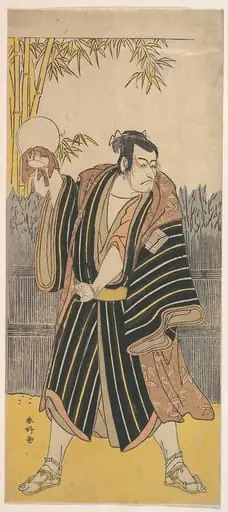 勝川春好画 七代目片岡仁左衛門 五代目市川團十郎|Kabuki Actor Ichikawa Danjūrō V
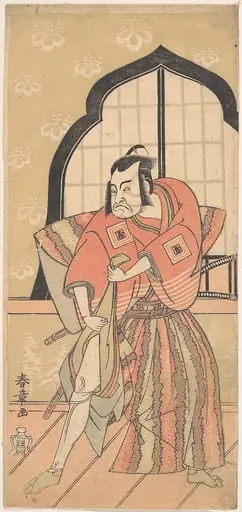 勝川春章画 三代目市川団蔵|Kabuki Actor Ichikawa Danzō III
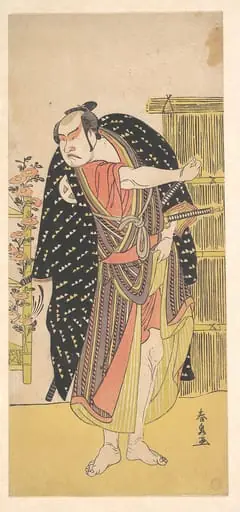 勝川春泉画 三代目大谷廣次|Kabuki Actor Ōtani Hiroji III
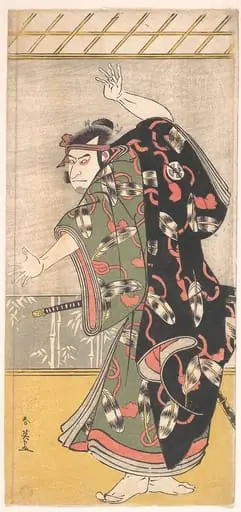 勝川春英画 三代目大谷鬼次|Kabuki Actor Ōtani Oniji III
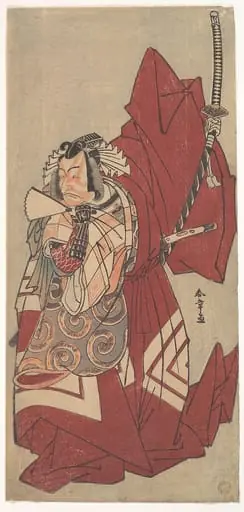 五代目市川団十郎|Kabuki Actor Ichikawa Danjūrō V in a Shibaraku (Stop Right There!) Role as Hannya no Gorō