Artwork
勝川春章画 五代目市川團十郎|Kabuki Actor Ichikawa Danjūrō V
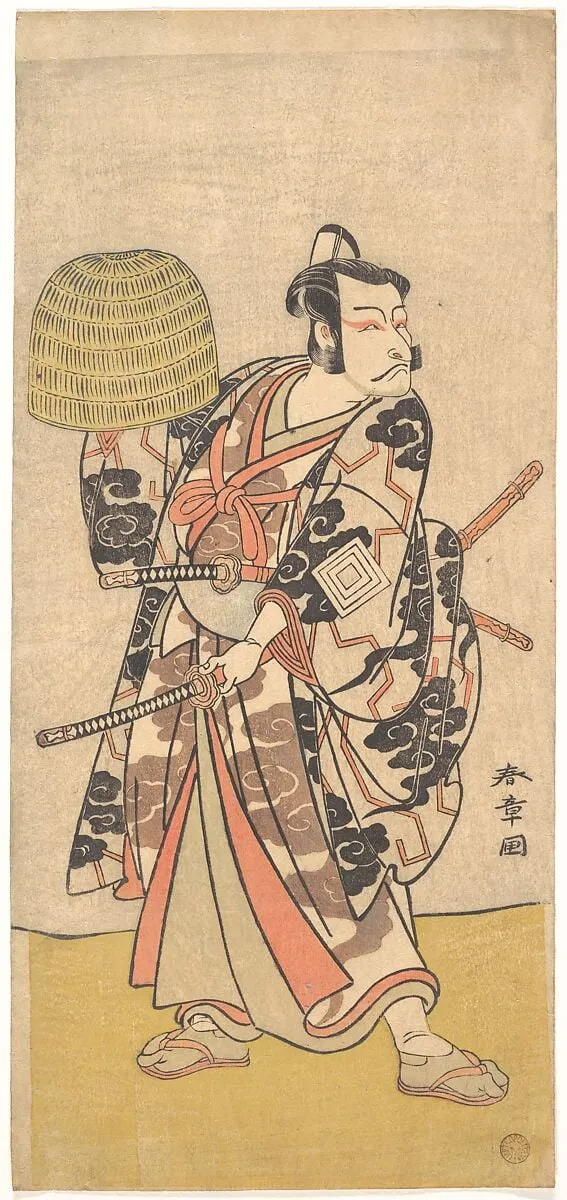
勝川春章画 五代目市川團十郎|Kabuki Actor Ichikawa Danjūrō V is an ink print by the Romanticist artist Katsukawa Shunshō. It dates from 1774 and is held in the collection of the Metropolitan Museum of Art.
About this work
Overview
This woodblock print, created in 1774 by Katsukawa Shunshō, depicts the fifth-generation kabuki actor Ichikawa Danjūrō.
This woodblock print, created in 1774 by Katsukawa Shunshō, depicts the fifth-generation kabuki actor Ichikawa Danjūrō. Executed in nishiki-e style, it uses ink and color on paper to capture a dramatic stage persona. The work is part of the collection at The Metropolitan Museum of Art and exemplifies the Edo-period tradition of actor portraiture, where individual performers were celebrated through mass-produced prints.
Subject & Meaning
The print portrays Ichikawa Danjūrō V in a powerful, formal pose, embodying the archetype of the heroic warrior role common in kabuki theater. His attire, including the ornate robe and tall hat, signals his character’s status and dramatic intensity. The serious expression and rigid posture reflect the actor’s mastery of aragoto, a stylized performance mode emphasizing strength and moral clarity, rather than naturalism.
Technique & Style
Shunshō employed bold, clean outlines and flat areas of color to define the figure against a minimal background, enhancing visual impact. The robe’s swirling red and black patterns suggest motion and energy, a convention in ukiyo-e to imply dynamism without perspective. Fine details in the sword and facial features are rendered with precision, while the absence of shading relies on contour and color contrast to convey form.
History & Provenance
Produced during the height of kabuki’s popularity in Edo, the print was likely commissioned for public sale, catering to fans who collected actor portraits as souvenirs. It entered The Metropolitan Museum of Art’s collection through documented acquisitions of Japanese prints in the early 20th century, preserving its role as both cultural artifact and commercial product of its time.
Context
In the 1770s, Katsukawa Shunshō was a leading designer of actor prints, shifting focus from idealized beauties to individualized portrayals of performers. This work reflects the growing market for celebrity imagery and the close relationship between theater and print culture. The emphasis on recognizable facial features and costume details catered to audiences familiar with specific actors and their signature roles.
Legacy
Shunshō’s portrayal of Ichikawa Danjūrō V helped establish a new standard for actor prints, influencing later artists like Sharaku and Kuniyoshi. The print’s clarity of form and expressive power contributed to the evolution of ukiyo-e as a genre capable of conveying psychological depth within stylized conventions, bridging popular entertainment and fine artistic tradition.
Artist & collection
Artist
Katsukawa Shunshō spent his life in Edo (now Tokyo), where the city’s teahouses and theaters buzzed with energy.

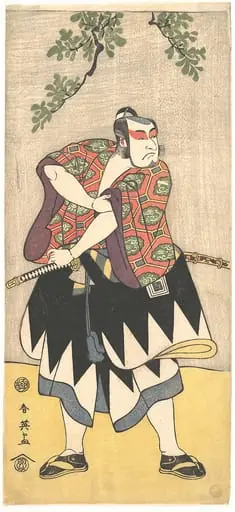 勝川春英画 二代目市川門之助|Kabuki Actor Ichikawa Monnosuke II
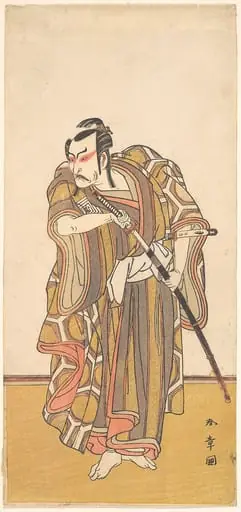 四代目市川團蔵|Kabuki Actor Ichikawa Danzō IV
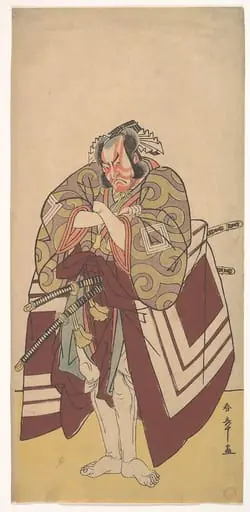 五代目市川団十郎|Kabuki Actor Ichikawa Danjūrō V in a Shibaraku (Stop Right There!) Role
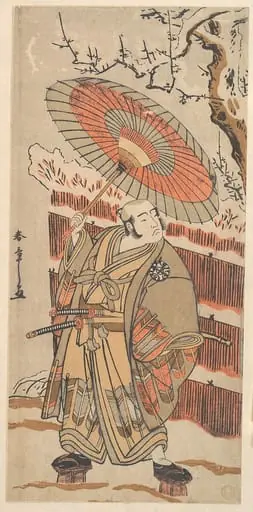 勝川春章画 二代目中村傳九郎|Kabuki Actor Nakamura Denkurō II
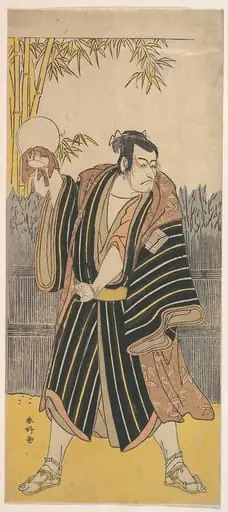 勝川春好画 七代目片岡仁左衛門 五代目市川團十郎|Kabuki Actor Ichikawa Danjūrō V
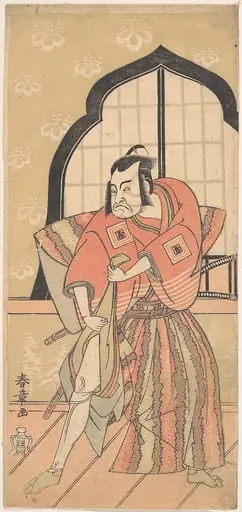 勝川春章画 三代目市川団蔵|Kabuki Actor Ichikawa Danzō III
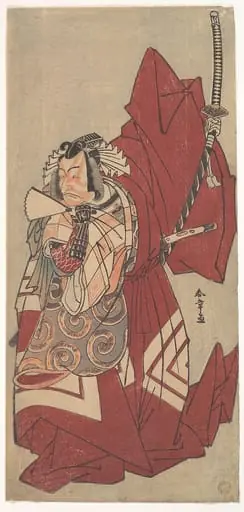 五代目市川団十郎|Kabuki Actor Ichikawa Danjūrō V in a Shibaraku (Stop Right There!) Role as Hannya no Gorō
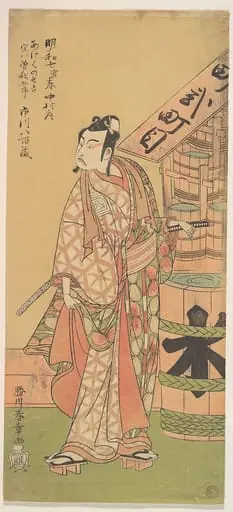 二代目市川八百蔵|Kabuki Actor Ichikawa Yaozō II
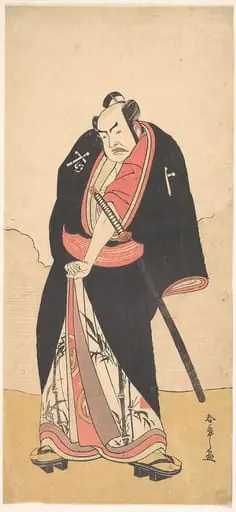 二代目中村助五郎|Kabuki Actor Nakamura Sukegorō II as Kaminari Shōkurō
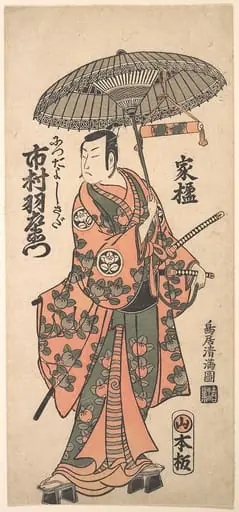 鳥居清満画 九代目市村羽左衛門|Kabuki Actor Ichimura Uzaemon IX
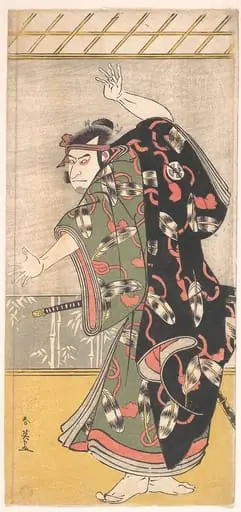 勝川春英画 三代目大谷鬼次|Kabuki Actor Ōtani Oniji III