Artwork
The Kanda Myojin Shrine
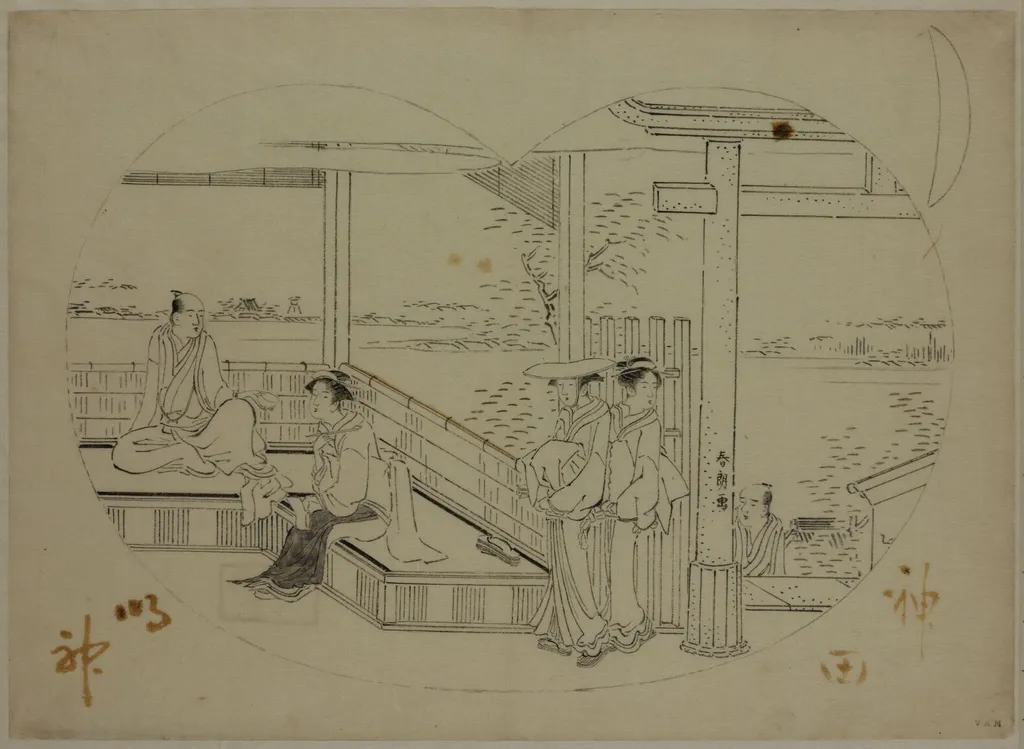
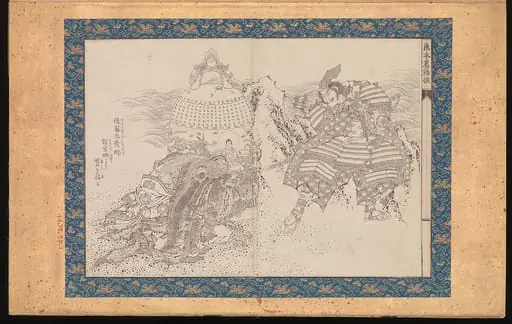
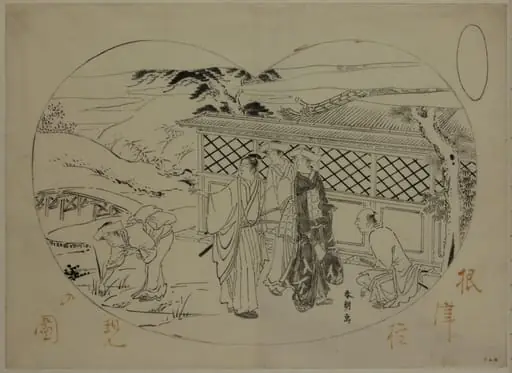
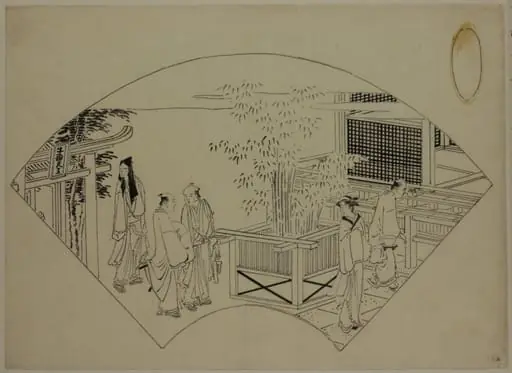
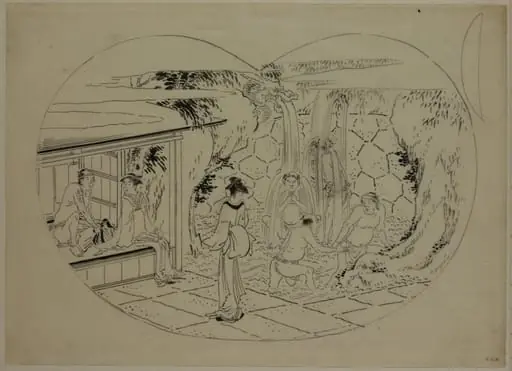
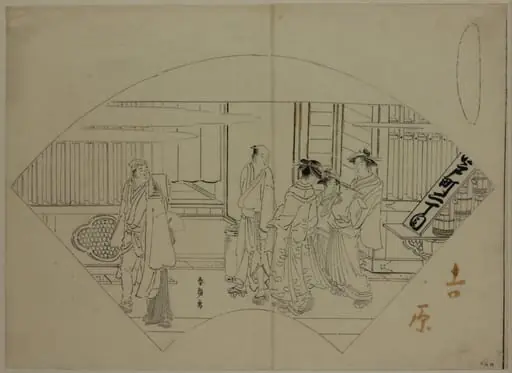
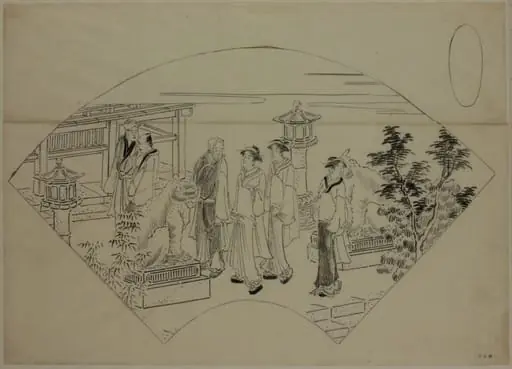
The Kanda Myojin Shrine is a drawing by the Japonisme artist Katsushika Hokusai. It dates from 1786 and is held in the collection of the Victoria and Albert Museum.
About this work
Overview
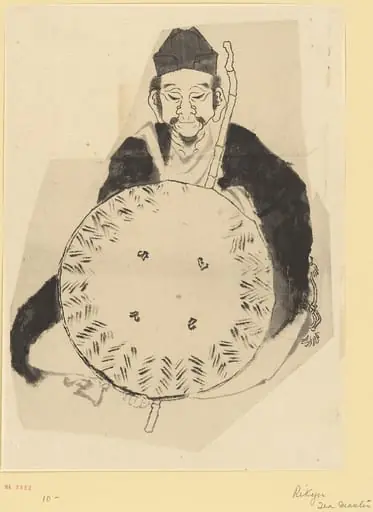
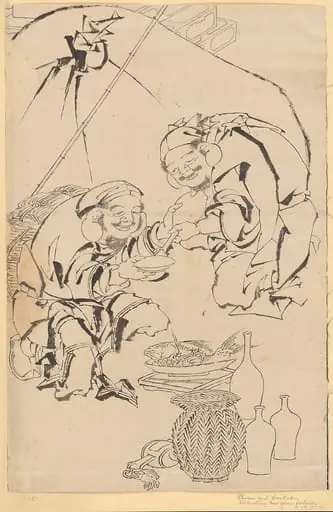
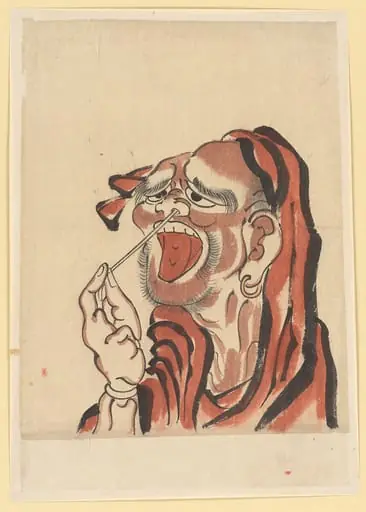
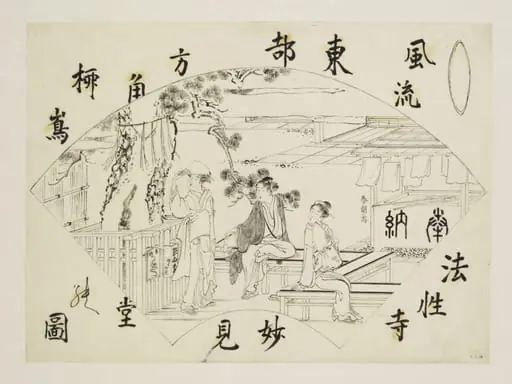
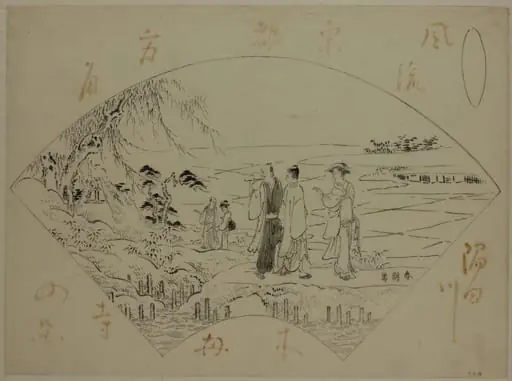
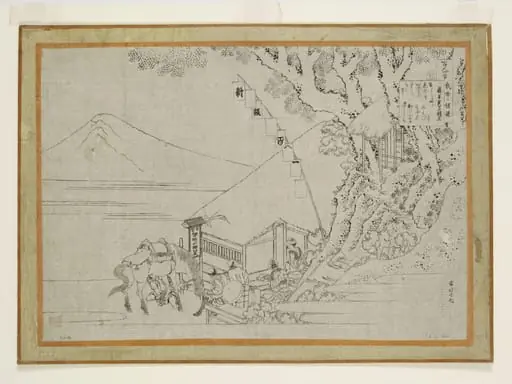
This drawing, created between 1779 and 1794, is a hanshita-e—a preparatory design for woodblock printing—produced during Hokusai’s early career when he used the artist name Shunro. It depicts a scene at the Kanda Myojin Shrine and represents one of a small group of surviving works from this formative phase, before he adopted the name under which he later gained recognition.
Subject & Meaning
The drawing portrays the Kanda Myojin Shrine, a Shinto site in Edo, likely capturing a moment of ritual or seasonal observance. Its focus on architectural detail and quiet human activity reflects the cultural significance of local shrines in daily life. The composition avoids dramatic flair, instead emphasizing order and reverence, consistent with the devotional context of the subject.
Technique & Style
Executed in ink with fine, controlled lines, the drawing reveals Hokusai’s developing command of spatial structure and architectural precision. The figures are rendered with restrained economy, and the shrine’s complex rooflines are carefully delineated. This early work shows a foundation in traditional ukiyo-e draftsmanship, prior to his later innovations in scale and naturalism.
History & Provenance
The drawing is among the few surviving hanshita-e from Hokusai’s Shunro period, a time when few preparatory sketches were preserved. Its survival suggests it may have been retained by a publisher or artisan involved in its production. No definitive record of its early ownership exists, but its condition indicates careful handling over time.
Context
This drawing reflects the collaborative nature of printmaking, where the artist’s design was translated by carvers and printers into mass-produced images.
During the late 18th century, Edo’s print industry thrived, with artists producing designs for popular subjects like shrines, landscapes, and actors. Hokusai, then under the name Shunro, was part of a generation refining ukiyo-e’s visual language. This drawing reflects the collaborative nature of printmaking, where the artist’s design was translated by carvers and printers into mass-produced images.
Legacy
As one of the earliest known works signed as Shunro, this drawing offers insight into Hokusai’s artistic evolution before his mature style emerged. It anchors his development within the broader tradition of Edo printmaking and demonstrates how foundational skills in draftsmanship underpinned his later achievements in both print and painting.
Artist & collection

Artist
Katsushika Hokusai spent his life in Edo, now Tokyo, where he drew and carved prints for a living.