Artwork
The Myoken Hall of the Hosshoji Temple at Yanagishima
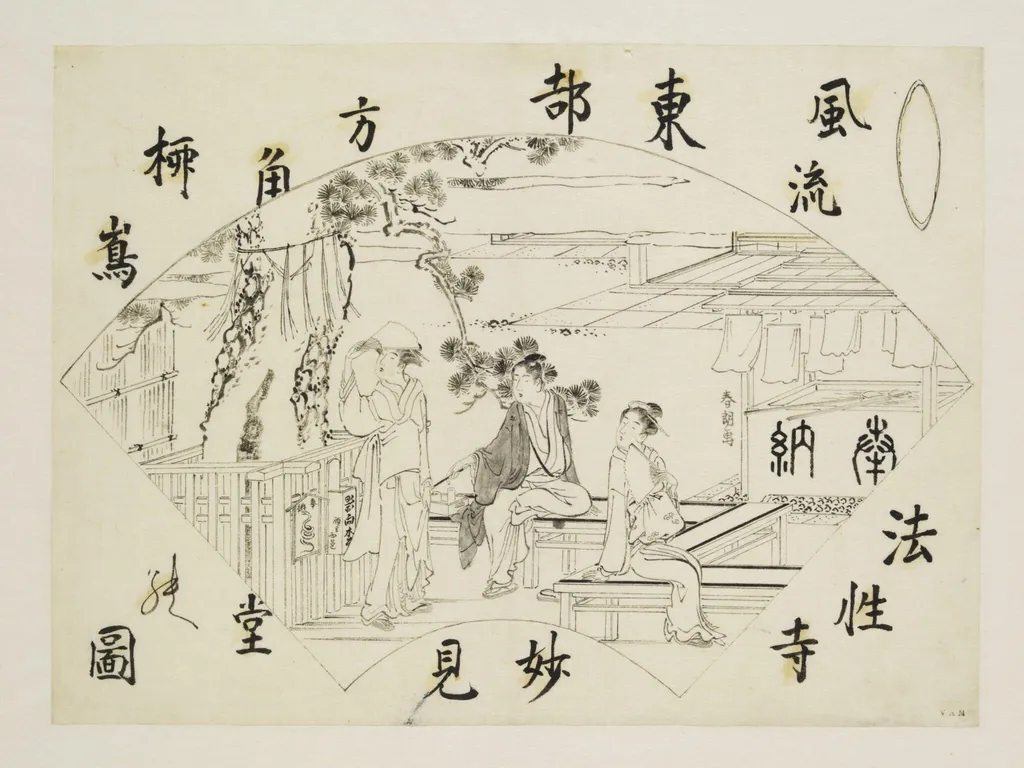
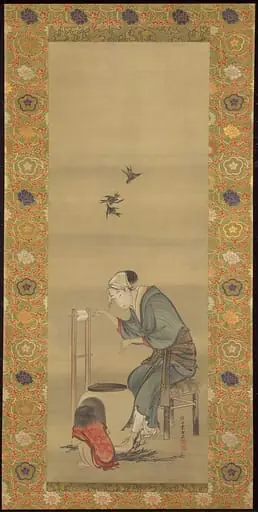
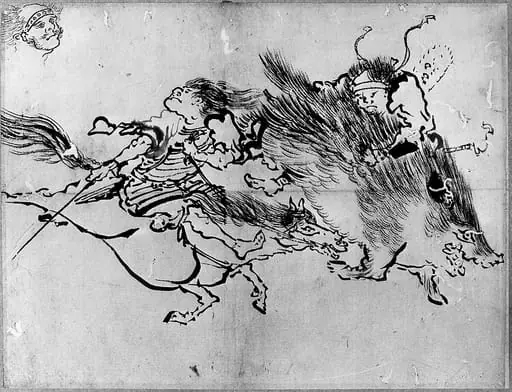
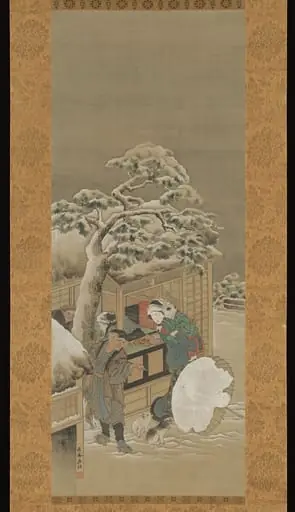
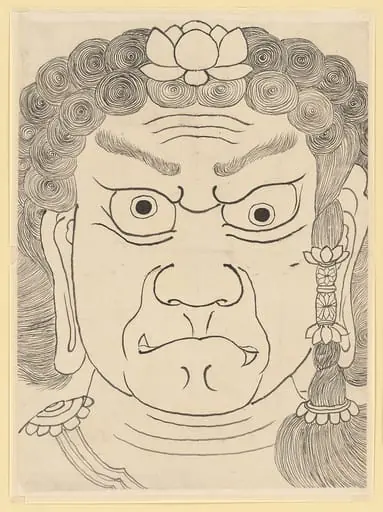
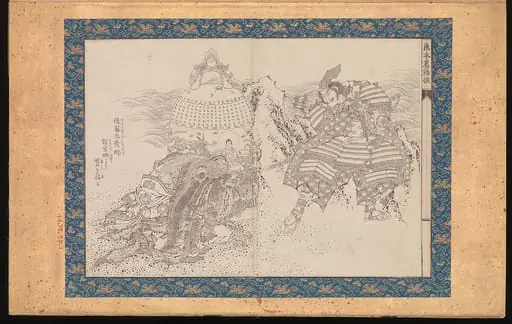
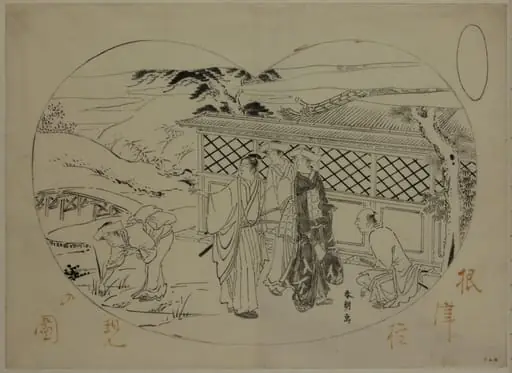
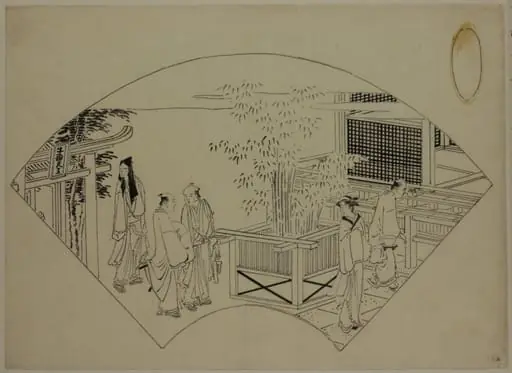
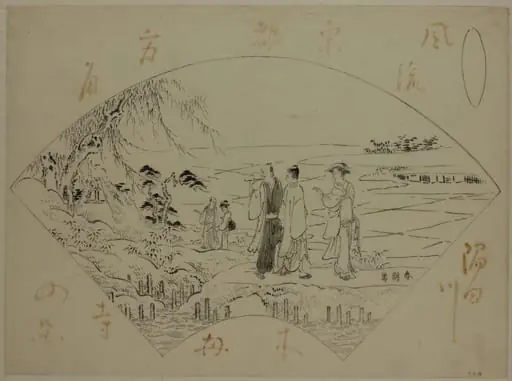
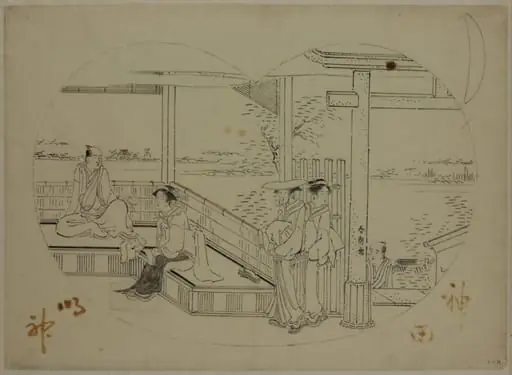
The Myoken Hall of the Hosshoji Temple at Yanagishima is a drawing by the Japonisme artist Katsushika Hokusai. It dates from 1786 and is held in the collection of the Victoria and Albert Museum.
About this work
Overview
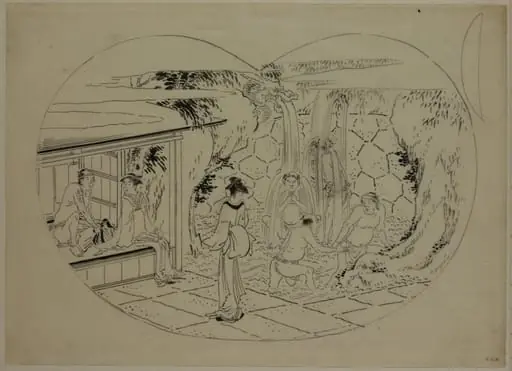
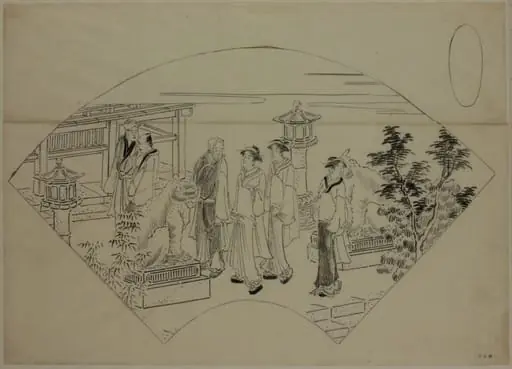
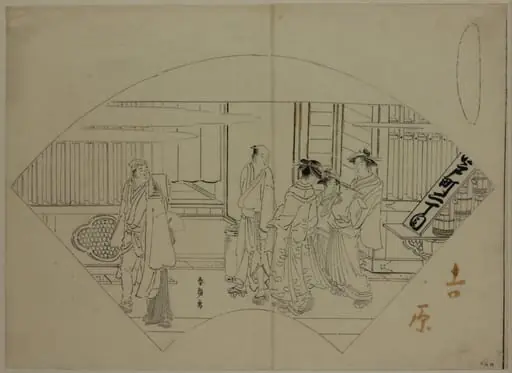
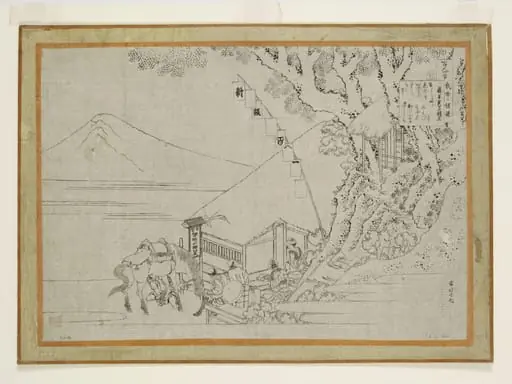
The drawing, a hanshita-e intended as a template for woodblock carving, depicts the interior of the Myoken Hall within the Hosshoji Temple on Yanagishima. Executed in the late 18th century, it records a bustling sacred space populated by worshippers and attendants, rendered with meticulous line work that conveys depth and movement.
Subject & Meaning
The composition centers on the hall that housed a statue of the Bodhisattva Myoken, a figure venerated by a sizable Edo‑city cult. By portraying the flow of devotees, the image reflects the communal devotion and the ritual atmosphere surrounding the cult’s focal deity.
Technique & Style
Hokusai employs fine, controlled lines and subtle shading to delineate architectural details and human forms, creating a sense of three‑dimensional space. The precision of the drawing served a practical purpose—guiding the block‑cutting artisan—yet also demonstrates his early mastery of line and perspective.
History & Provenance
Created between 1779 and 1794, the work bears the signature "Shunro," the name Hokusai used before achieving fame. It belongs to a significant group of preparatory drawings from this period, illustrating his involvement with religious commissions and his personal participation in the Myoken cult.
Context
During the Edo period, the Myoken Hall attracted large numbers of city residents, including Hokusai himself, who were drawn to the Bodhisattva’s reputed protective powers. The drawing thus records not only an architectural interior but also a social hub of popular Buddhist practice in early modern Japan.
Artist & collection

Artist
Katsushika Hokusai spent his life in Edo, now Tokyo, where he drew and carved prints for a living.