Artwork
高根山与一右ェ門 千田川吉五郎|The Sumo Wrestlers Takaneyama Yoichiemon and Sendagawa Kichigorō
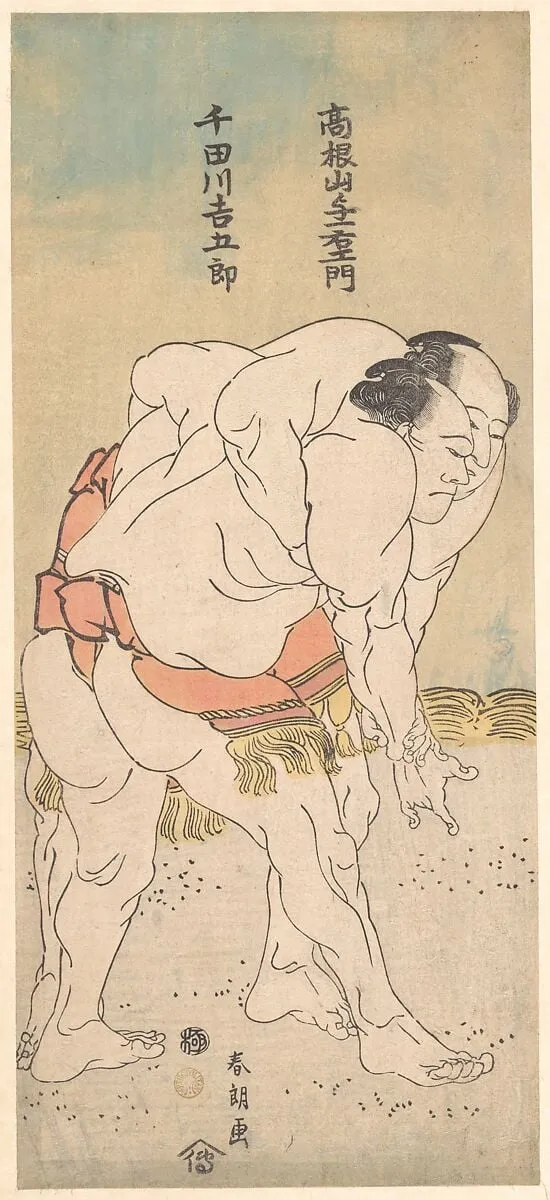
高根山与一右ェ門 千田川吉五郎|The Sumo Wrestlers Takaneyama Yoichiemon and Sendagawa Kichigorō is an ink print by the Japonisme artist Katsushika Hokusai. It dates from 1792 and is held in the collection of the Metropolitan Museum of Art.
About this work
The wrestlers are shown in a dynamic pose, with one wrestler leaning forward and the other wrestler standing upright.
This painting depicts two sumo wrestlers in the midst of a match. The wrestlers are shown in a dynamic pose, with one wrestler leaning forward and the other wrestler standing upright. The background of the painting is a light-colored wood grain, which adds a sense of texture and depth to the image.
The wrestlers are dressed in traditional sumo attire, with loincloths and belts wrapped around their waists. The wrestler on the left has a red loincloth, while the wrestler on the right has a white loincloth. The wrestlers' faces are contorted in effort, with their eyes fixed intently on each other.
The painting is a beautiful example of Japanese art from the late 18th century. If you're interested in learning more about the artist behind this piece, check out Katsushika Hokusai.
Overview
This woodblock print, created around 1792 by Katsushika Hokusai, portrays two sumo wrestlers, Takaneyama Yoichiemon and Sendagawa Kichigorō, in a dynamic pose during a match. The work is executed in ink and color on paper.
Subject & Meaning
The print captures the intensity of a sumo match, highlighting the physical and mental engagement of the wrestlers. Their contorted faces and focused gazes convey the competition's fervor.
Technique & Style
The print features a light-colored wood grain background, adding texture and depth. Traditional sumo attire is meticulously depicted, with contrasting red and white loincloths distinguishing the wrestlers.
History & Provenance
Created circa 1792, the print is part of The Metropolitan Museum of Art's collection.
Context
This work exemplifies late 18th-century Japanese art, specifically the ukiyo-e tradition, which often depicted scenes from everyday life, entertainment, and sports like sumo wrestling.
Artist & collection

Artist
Katsushika Hokusai spent his life in Edo, now Tokyo, where he drew and carved prints for a living.

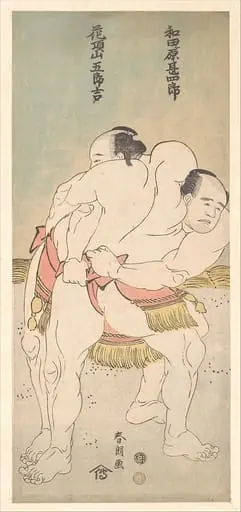 和田原甚四郎 花項山五郎吉|The Sumo Wrestlers Wadagahara Jinshirō and Kachōzan Gorokichi
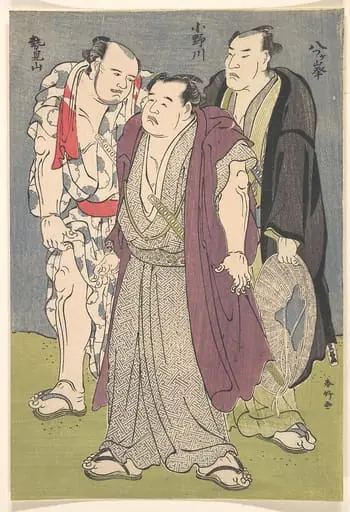 勝川春好画 大相撲力士「小野川・勢見山・八ヶ峯」|Three Sumō Wrestlers: Onogawa, Seimiyama, and Yatsugamine
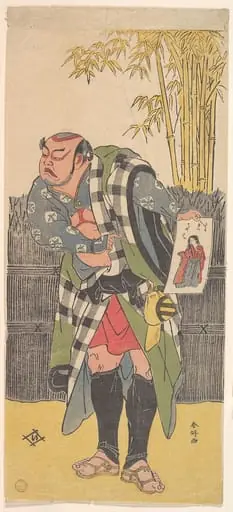 勝川春好画 七代目片岡仁左衛門 五代目市川團十郎|Kabuki Actor Kataoka Nizaemon VII
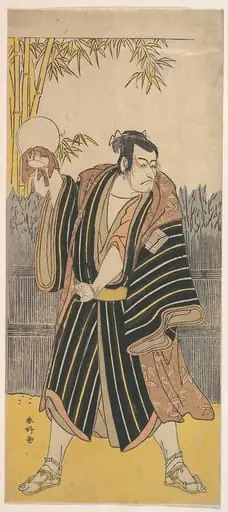 勝川春好画 七代目片岡仁左衛門 五代目市川團十郎|Kabuki Actor Ichikawa Danjūrō V
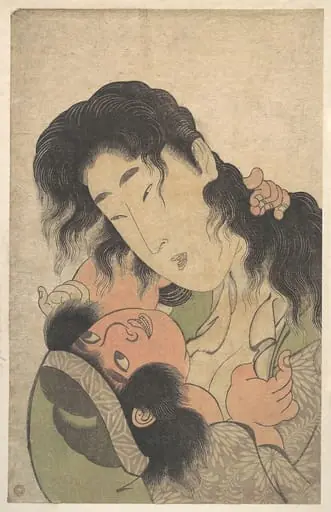 喜多川歌麿画 山姥と金太郎|Yamauba Playing with Kintarō
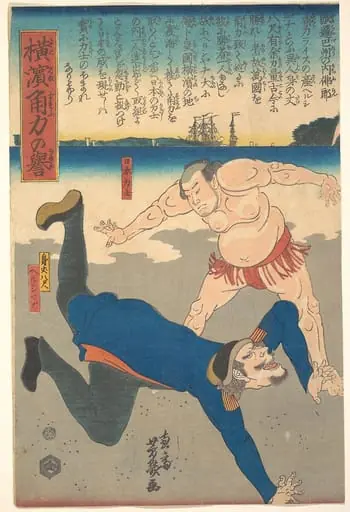 Sumo no homane|Sumo Wrestler Tossing a Foreigner
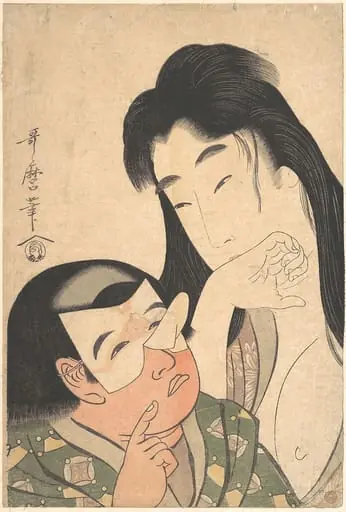 山姥と金太郎|Yamauba and Kintoki