Artwork
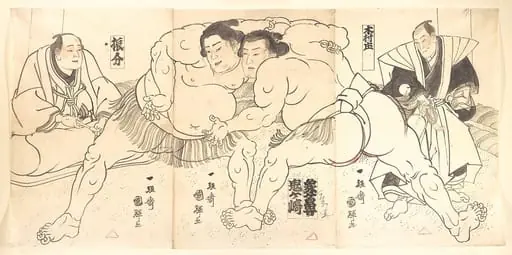
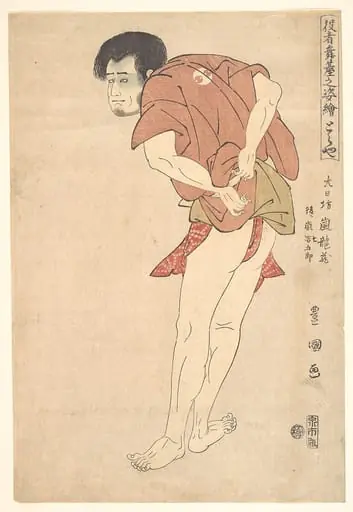
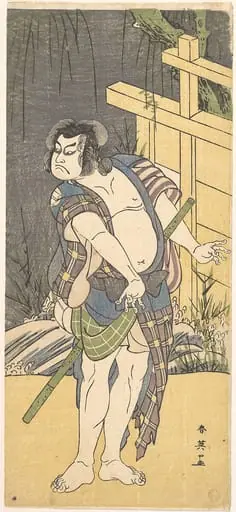
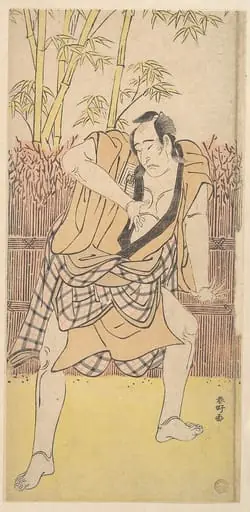
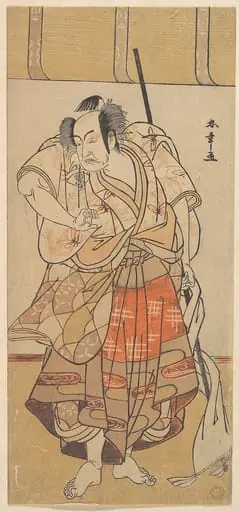
和田原甚四郎 花項山五郎吉|The Sumo Wrestlers Wadagahara Jinshirō and Kachōzan Gorokichi
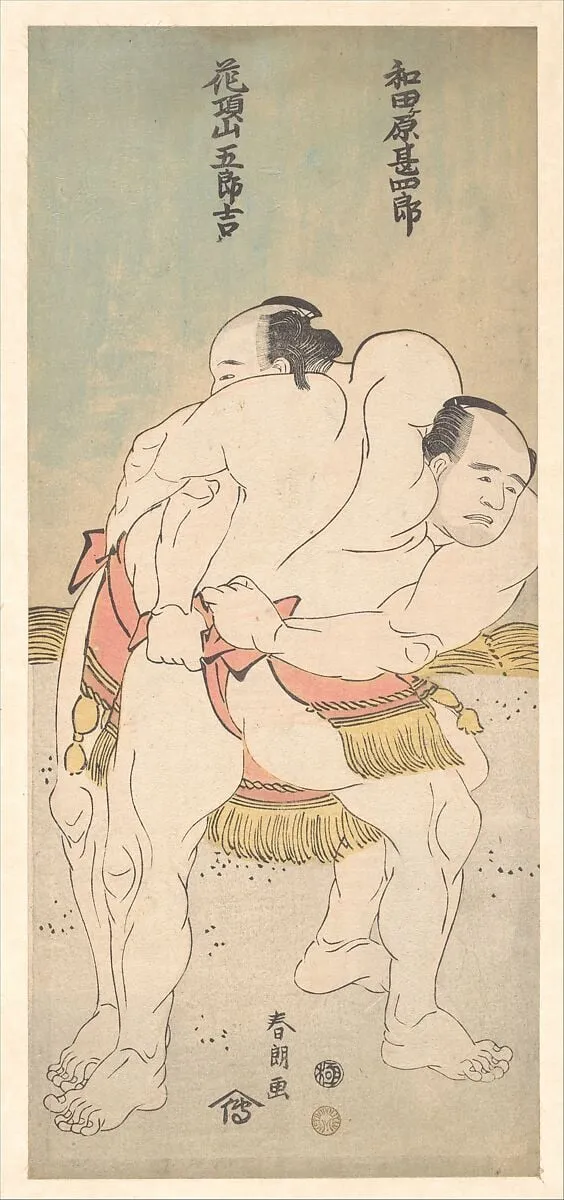
和田原甚四郎 花項山五郎吉|The Sumo Wrestlers Wadagahara Jinshirō and Kachōzan Gorokichi is an ink print by the Japonisme artist Katsushika Hokusai. It dates from 1783 and is held in the collection of the Metropolitan Museum of Art.
About this work
Overview
This woodblock print depicts two sumo wrestlers in active combat, created around 1783 by Katsushika Hokusai.
This woodblock print depicts two sumo wrestlers in active combat, created around 1783 by Katsushika Hokusai. Executed in ink and color on paper, it belongs to the ukiyo-e tradition of Japanese printmaking. The work is currently held in the collection of The Metropolitan Museum of Art, where it represents early examples of Hokusai’s engagement with popular subjects before his later landscapes and nature studies.
Subject & Meaning
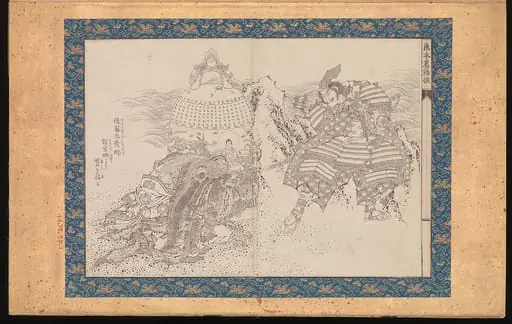
The print captures Wadagahara Jinshirō and Kachōzan Gorokichi mid-match, one wrestler hoisting the other by the shoulders while the latter grips tightly in resistance. Their strained expressions and taut musculature convey the physical intensity of sumo, a sport deeply tied to ritual and discipline in Edo-period Japan. The absence of a setting focuses attention on the wrestlers’ bodies as symbols of strength and competitive spirit.
Technique & Style
Hokusai employs bold, clean outlines and flat areas of color to emphasize form and motion. The wrestlers’ red and gold mawashi belts contrast against their dark trousers, while minimal background elements—scattered dots suggesting a ring floor—avoid distraction. The composition prioritizes dynamic tension over detail, reflecting the aesthetic of ukiyo-e prints designed for mass reproduction and public consumption.
History & Provenance
Created in the early phase of Hokusai’s career, the print reflects his work for publishers producing actor and wrestler portraits, a common genre at the time. It was likely part of a series documenting notable sumo athletes. The print entered The Metropolitan Museum of Art’s collection through established acquisition channels in the 20th century, preserving its place in the history of Japanese printmaking.
Context
In late 18th-century Edo, sumo wrestling was both a popular spectator sport and a cultural institution tied to Shinto ritual. Woodblock prints of wrestlers served as visual souvenirs, akin to modern sports memorabilia. Hokusai’s depiction aligns with a broader trend of depicting athletes as heroic figures, blending realism with stylized exaggeration to appeal to urban audiences.
Legacy
This print illustrates Hokusai’s early mastery of human form and movement, foreshadowing his later innovations in composition and line. While not among his most famous works, it remains a valuable record of Edo-period popular culture and the role of print media in documenting athletic life. It contributes to the understanding of how Japanese artists engaged with the physicality of everyday spectacle.
Artist & collection

Artist
Katsushika Hokusai spent his life in Edo, now Tokyo, where he drew and carved prints for a living.