Artwork
Untitled
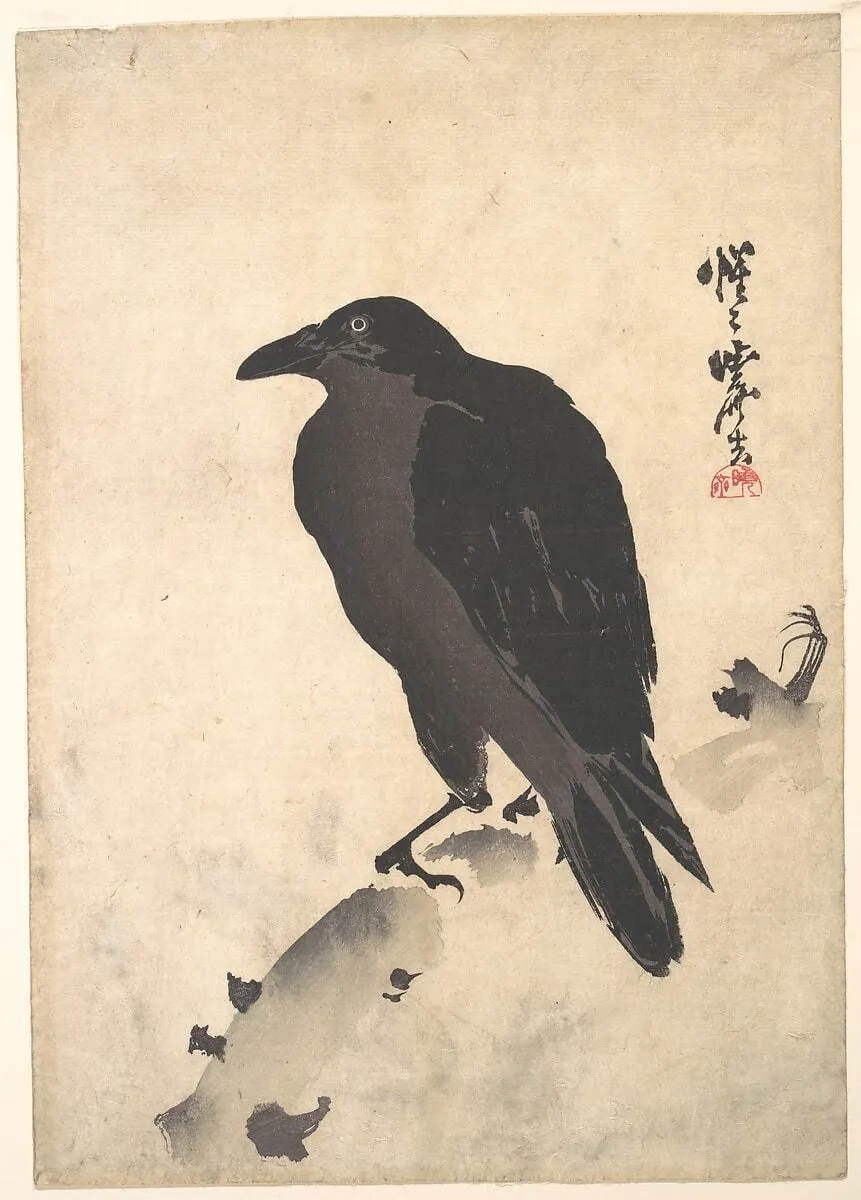
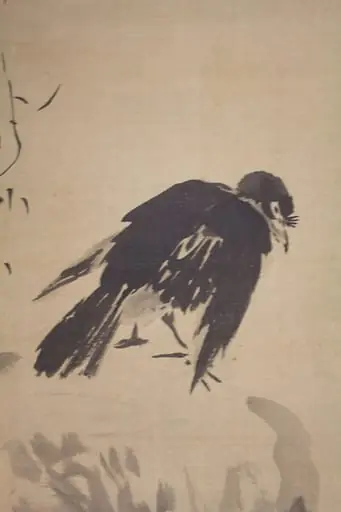
Untitled is an ink print by the Romanticist artist Kawanabe Kyōsai 河鍋暁斎. It dates from 1865 and is held in the collection of the Metropolitan Museum of Art. Created in 1865, this woodblock print by Kawanabe Kyōsai is a monochromatic composition in ink and subtle color on paper.
About this work
Overview
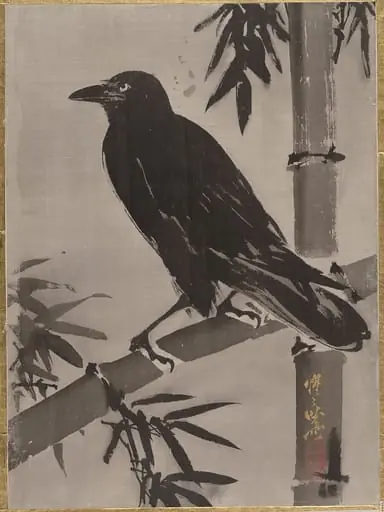
Though untitled, the image conveys a quiet intensity through minimal elements: a solitary crow and a slender plant against an unmarked ground.
Created in 1865, this woodblock print by Kawanabe Kyōsai is a monochromatic composition in ink and subtle color on paper. It exemplifies the artist’s ability to merge expressive spontaneity with technical precision, characteristic of late Edo-period printmaking. Though untitled, the image conveys a quiet intensity through minimal elements: a solitary crow and a slender plant against an unmarked ground.
Subject & Meaning
The print centers on a crow perched on a rugged stone, facing left with alert stillness. Its presence evokes traditional associations of crows as omens or spiritual messengers in Japanese culture, yet the image resists clear symbolism. The sparse addition of a fragile plant suggests resilience or transience, reinforcing a mood of solitary observation rather than narrative.
Technique & Style
Kyōsai employed bold, fluid ink strokes to model the crow’s form, using contrast and shadow to suggest volume without shading. The feathers are rendered with sharp, angular lines, while the background remains largely untouched, heightening the bird’s presence. The plant’s delicate stems contrast with the crow’s solidity, demonstrating his control over line weight and compositional balance.
History & Provenance
Produced during the final years of the Edo period, the print reflects Kyōsai’s engagement with both traditional ukiyo-e methods and his own experimental tendencies. Though not part of a known series, it aligns with his broader output of single-sheet prints made for private collectors. Its survival suggests it was valued for its artistic merit rather than mass appeal.
Context
In mid-19th century Japan, woodblock printing was evolving amid political upheaval and cultural change. Kyōsai, trained in classical styles, infused his work with wit and individuality, distinguishing himself from commercial ukiyo-e artists. This print reflects a shift toward personal expression within a medium often tied to popular imagery.
Legacy
Kyōsai’s work, including this print, influenced later generations of Japanese artists who sought to reconcile traditional techniques with modern sensibilities. His ability to convey psychological depth through minimal means set a precedent for 20th-century ink painting and printmaking, bridging Edo aesthetics with emerging modernist approaches.
Artist & collection
Artist
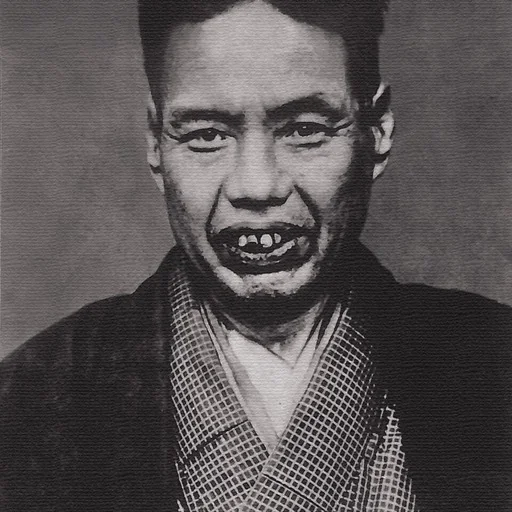
Kawanabe Kyōsai (河鍋 暁斎; May 18, 1831 – April 26, 1889) was a Japanese painter and caricaturist. In the words of art historian Timothy Clark, "an individualist and an independent, perhaps the last virtuoso in traditional Japanese painting".

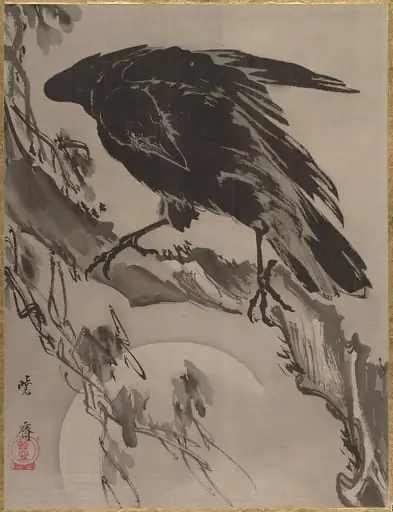 月に鴉図|Crow and the Moon
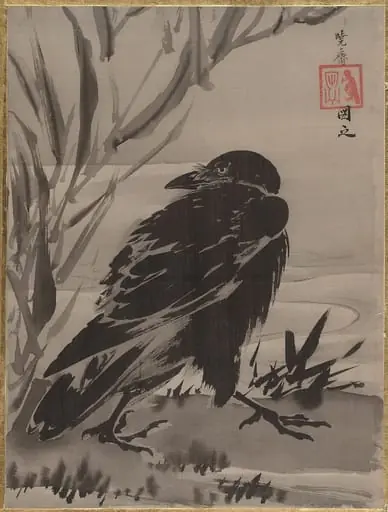 水辺に鴉図|Crow and Reeds by a Stream
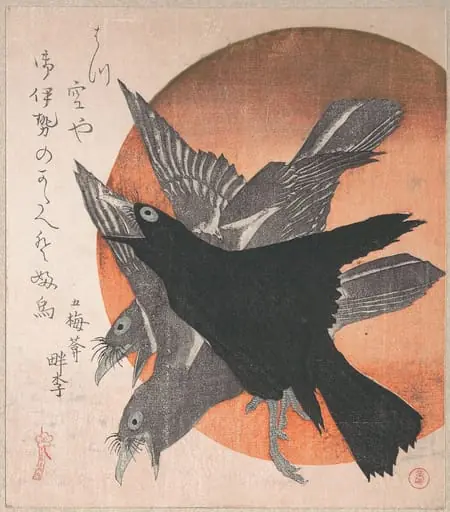 「三ひらの内」日輪に烏|Three Crows against the Rising Sun, from the series Three Sheets (Mihira no uchi)
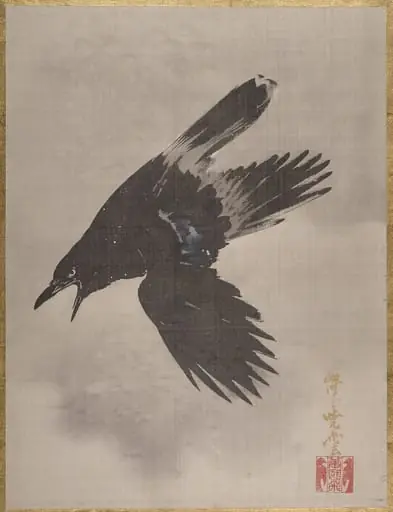 雪中鴉図|Crow Flying in the Snow
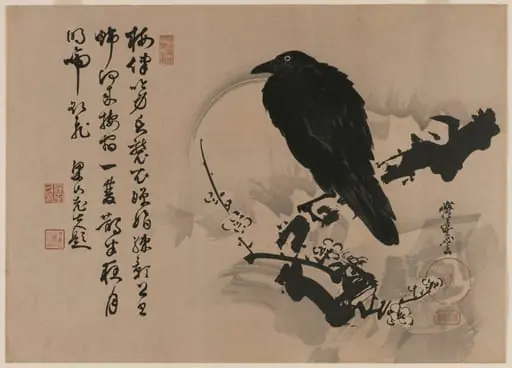 Full Moon with Crow on Plum Branch
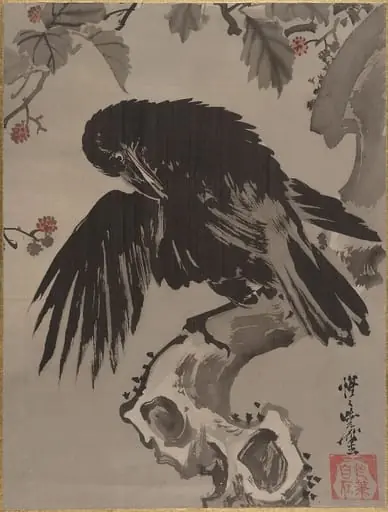 木に鴉図|Crow on a Branch
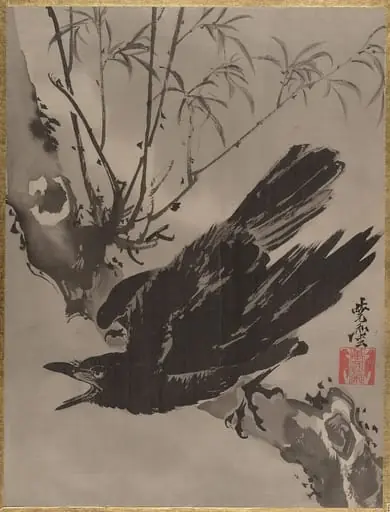 木に鴉図|Crow on a Branch
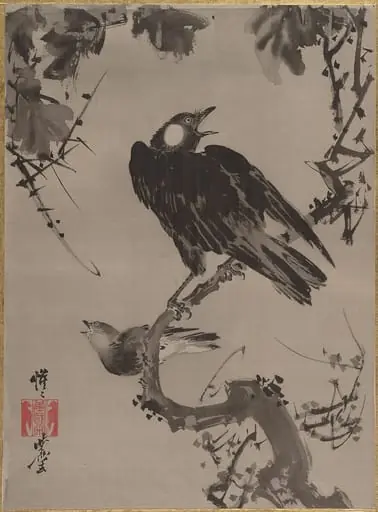 ムクドリ図|Starlings on a Branch
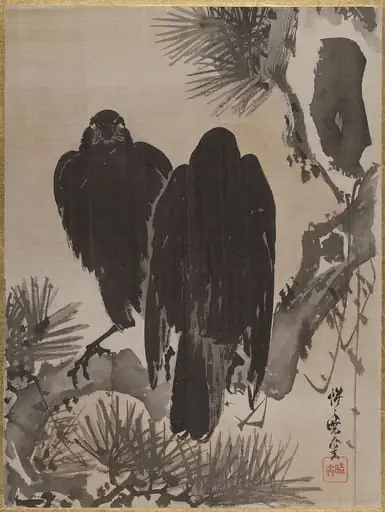 松に鴉図|Two Crows on a Pine Branch
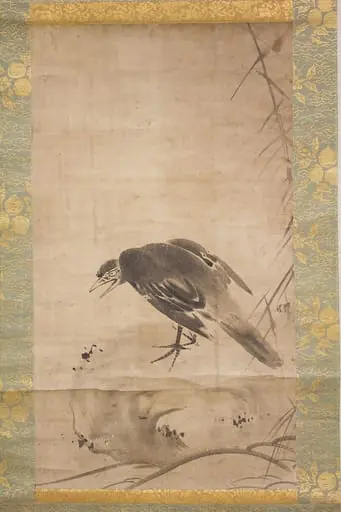 Untitled
 Untitled