Artwork
Portret Anny z Zamoyskich Aleksandrowej Sapieżyny
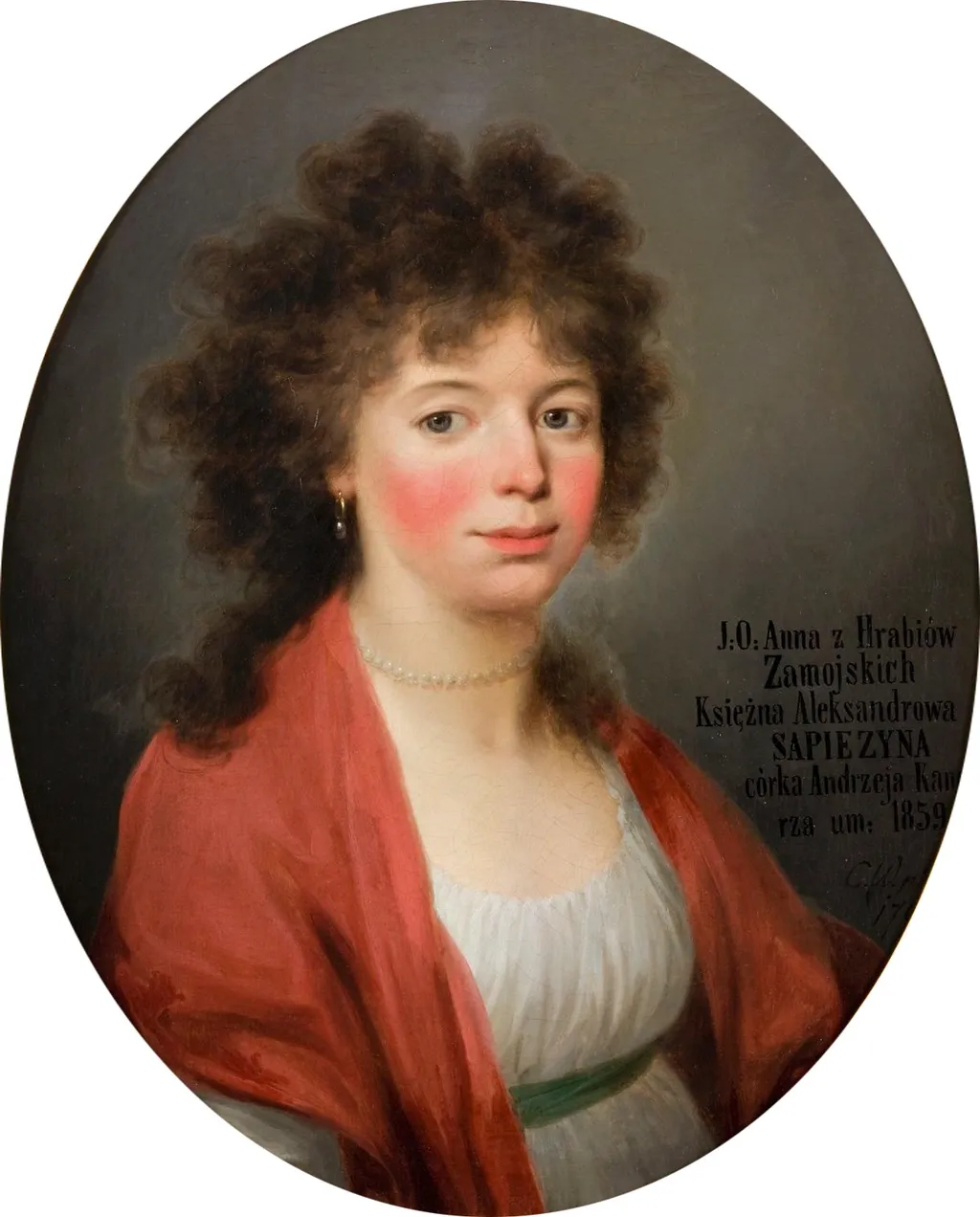
Portret Anny z Zamoyskich Aleksandrowej Sapieżyny is an oil painting by Kazimierz Wojniakowski. It dates from 1800 and is held in the collection of the National Museum in Kraków.
About this work
Overview
Painted in 1800 by Kazimierz Wojniakowski, this oil portrait depicts Anna z Zamoyskich Aleksandrowa Sapieżyna, a noblewoman of the Polish-Lithuanian Commonwealth. The work exemplifies Wojniakowski’s focus on portraiture during the early 19th century, reflecting the cultural and aesthetic values of Poland’s aristocratic circles at a time of political upheaval. It resides today in the National Museum in Kraków.
Subject & Meaning
The sitter, Anna Sapieżyna, is portrayed with quiet dignity, her refined attire and jewelry signaling her noble status.
The sitter, Anna Sapieżyna, is portrayed with quiet dignity, her refined attire and jewelry signaling her noble status. The absence of overt symbolism or narrative context emphasizes personal identity over social allegory. Her composed expression and elegant dress align with sentimentalist ideals, valuing inner feeling and moral grace over theatrical display, typical of elite portraiture in post-partition Poland.
Technique & Style
Wojniakowski employed oil paint to achieve subtle tonal transitions and a soft rendering of textures, particularly in the fabric of the white dress and the sheen of the pearl jewelry. The dark gray background isolates the figure, enhancing focus on her form. The loose brushwork in the shawl contrasts with the precise detail of her hair and accessories, balancing naturalism with stylistic restraint characteristic of late 18th-century Polish portraiture.
History & Provenance
Commissioned shortly after the Third Partition of Poland, the portrait likely served as a private affirmation of aristocratic identity amid national fragmentation. It remained within the Sapieżyna family before entering the National Museum in Kraków’s collection, where it has been preserved as part of Poland’s cultural heritage. Its survival reflects the resilience of noble patronage during a period of diminished state sovereignty.
Context
Created during a time when Poland had lost its independence, portraits like this one became vessels for preserving aristocratic memory and cultural continuity. Wojniakowski, influenced by Enlightenment ideals and Freemasonic networks, contributed to a visual language that emphasized individual dignity and moral refinement—values that resonated deeply among Polish nobility seeking to maintain identity beyond political borders.
Legacy
Wojniakowski’s portrait of Anna Sapieżyna stands as a representative example of early 19th-century Polish portraiture, capturing the quiet resilience of the nobility in the face of national dissolution. While not widely exhibited internationally, it remains a key work in the National Museum in Kraków’s collection, offering insight into the aesthetic and social priorities of Poland’s elite during a transformative historical moment.
Artist & collection
Artist
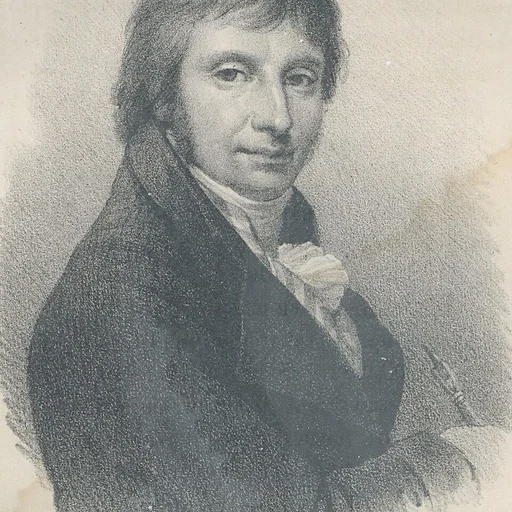
Kazimierz Wojniakowski (1771/72 – 1812) was a Polish painter, illustrator, and Freemason, known primarily for his portraits in the sentimentalist style.

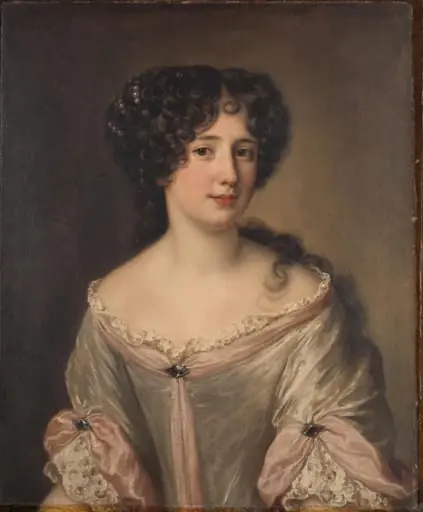 Portrait of La Duchessa Mancini Colonna (1646-1699)
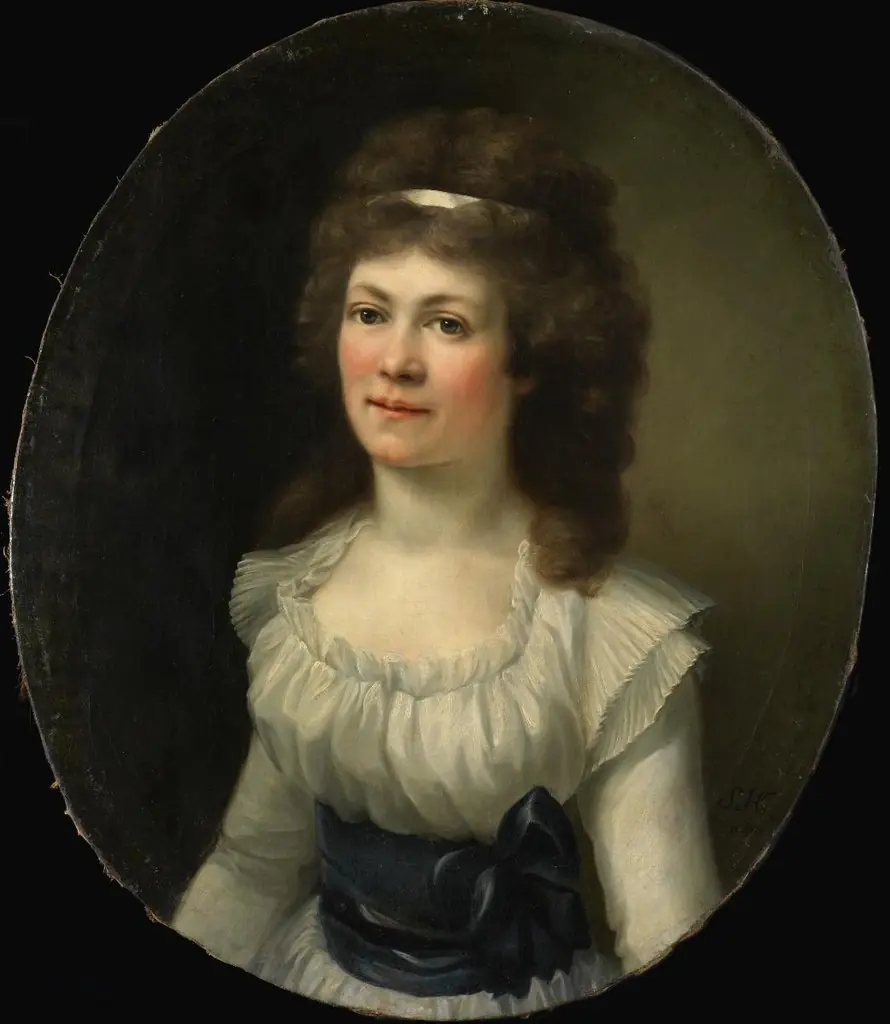 Bildnis Maria Barbara Schulthess, Gemahlin des Obmann Füssli
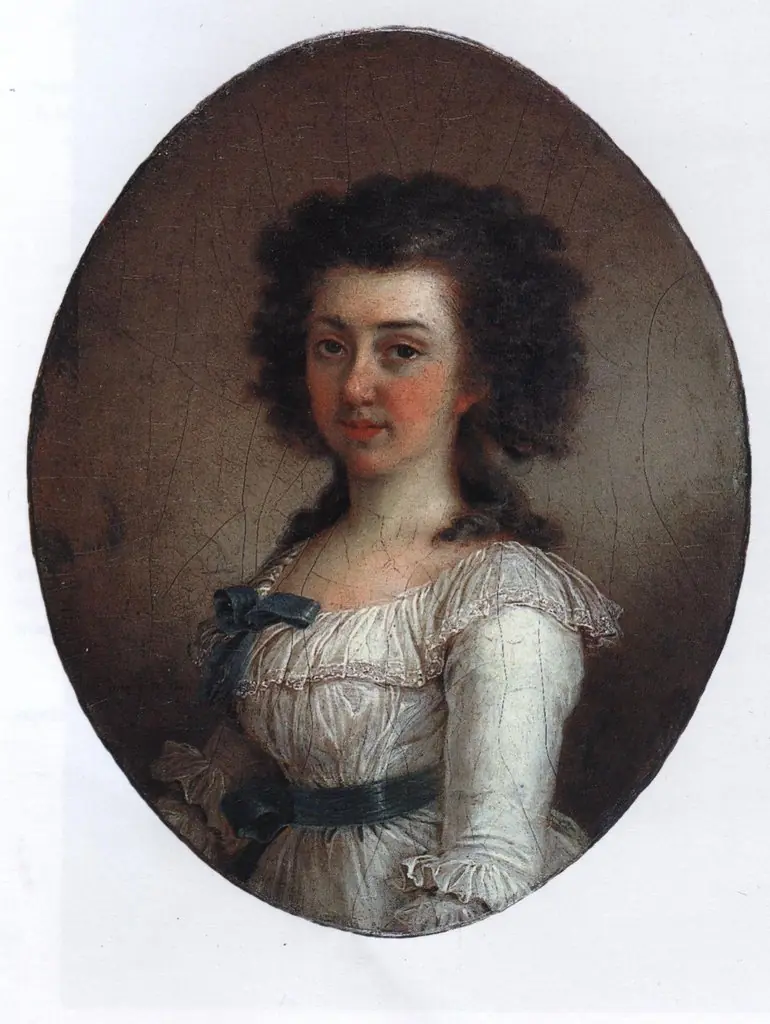 Porträt der Elizaveta Markovna Olenina
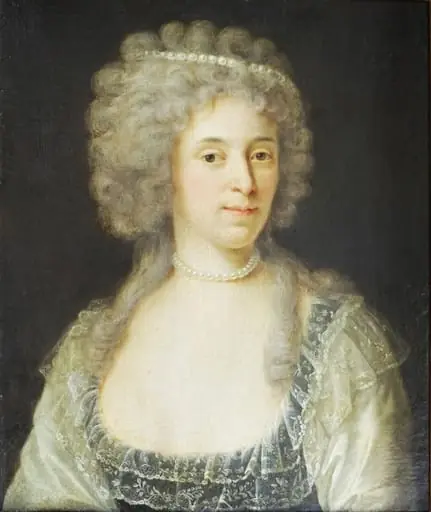 Portret de femeie
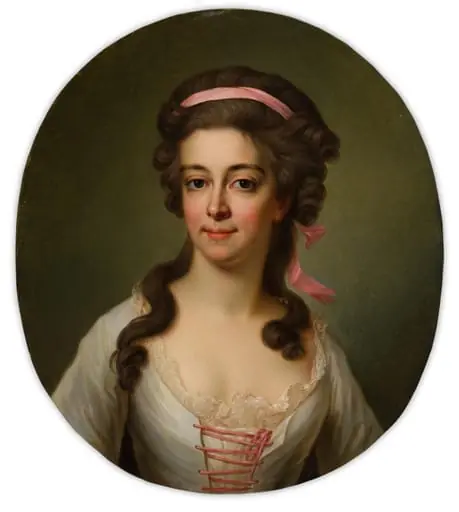 Kreivitär Maria Eleonora Lewenhaupt
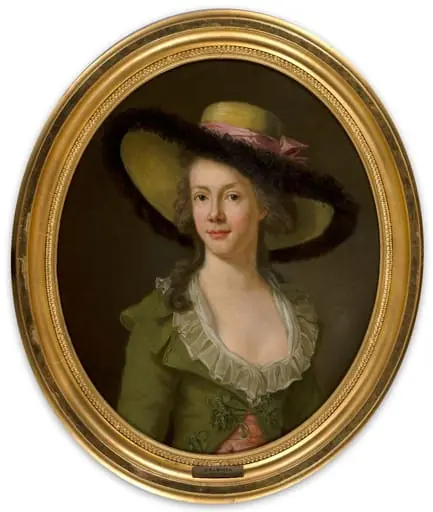 Maria de Ron, o.s. von Breda
 Portrait of Maria Mancini Colonna (1639-1715)
 Portrait of a Woman in Grey
 Portrait of Joanna Dzierzbicka
 Portrait of Louisa Frederica von Hohenzollern (1770–1836)
 Anna de Peyster (?)
 Портрет княгини Е.А. Долгорукой