Artwork
Mrs Rose
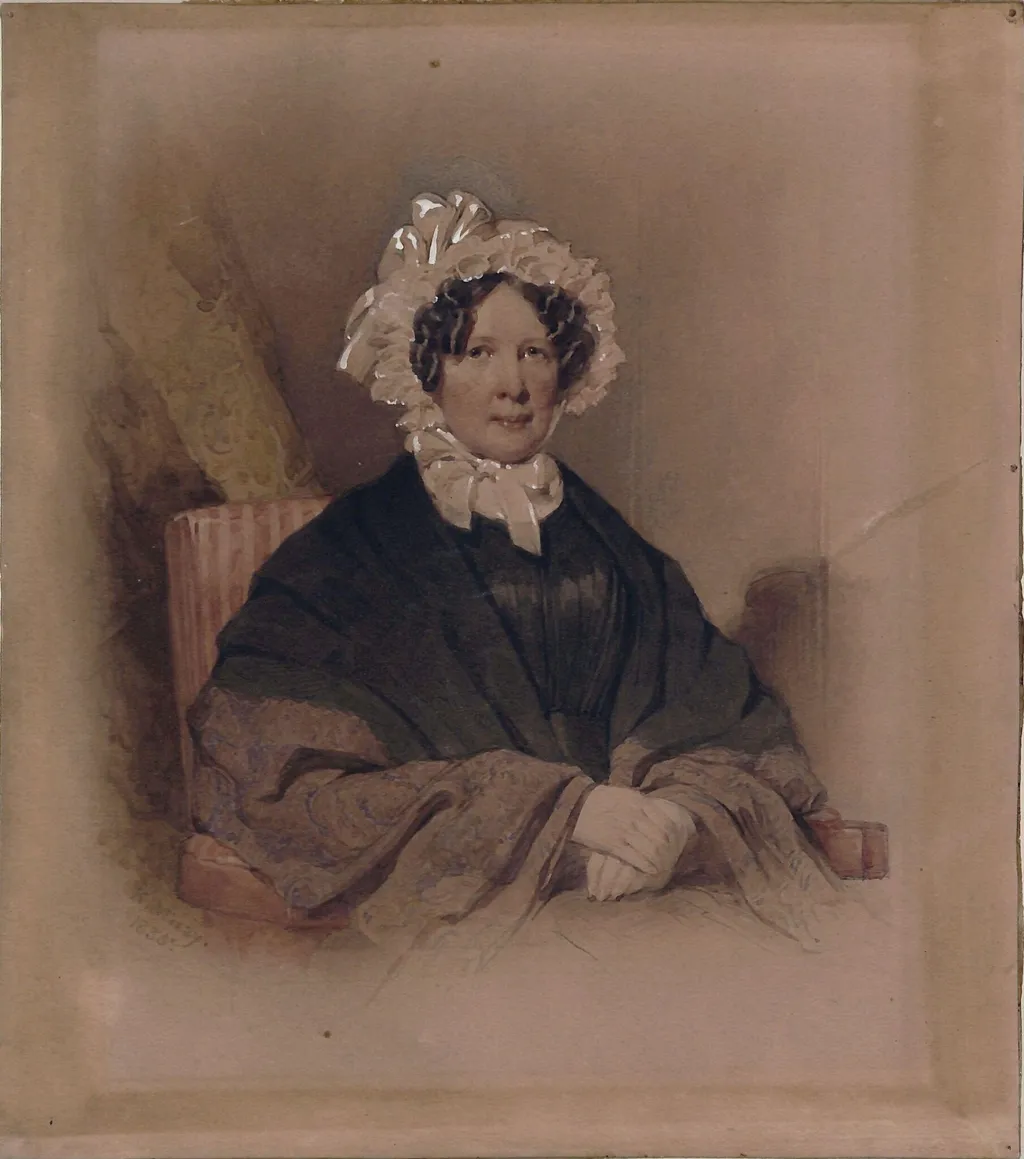
Mrs Rose is a watercolor work on paper by the British Romanticist artist Kenneth Macleay. It dates from 1835 and is held in the collection of the Victoria and Albert Museum. This watercolour portrait, dated 1835, depicts Mrs.
About this work
Overview
Executed by Kenneth Macleay, the work is signed and dated by the artist, situating it within his early 19th-century output.
This watercolour portrait, dated 1835, depicts Mrs. Rose, identified through familial connections to other figures in the same collection. Executed by Kenneth Macleay, the work is signed and dated by the artist, situating it within his early 19th-century output. The medium’s delicacy aligns with intimate domestic portraiture common among amateur and professional artists of the period, emphasizing quiet observation over grandeur.
Subject & Meaning
Mrs. Rose is portrayed as a private individual, not a public figure, suggesting the portrait served a personal or familial purpose. Her restrained posture and modest attire reflect contemporary ideals of feminine propriety. The inclusion of her daughter and mother-in-law in related works implies a broader family narrative, where such images functioned as visual records of kinship and social standing within a domestic sphere.
Technique & Style
Macleay employed watercolour with a soft, translucent approach, allowing subtle gradations of tone to model the face and fabric. Edges are blurred, and details are suggested rather than sharply defined, creating a gentle, atmospheric effect. The muted palette and lack of strong contrasts reinforce the quiet intimacy of the scene, characteristic of watercolour portraiture in this era.
History & Provenance
The portrait is part of a small group of works linked by familial subject matter, all attributed to Macleay. Its survival suggests it remained within the Rose or Wight family circle, possibly passed down as a keepsake. No public exhibition history is recorded, indicating it was likely kept in private hands, consistent with the personal nature of its subject and execution.
Context
In 1830s Britain, watercolour was widely used for domestic portraiture, especially among the middle and upper classes. Artists like Macleay often worked outside the Royal Academy system, producing intimate works for private patrons. This portrait reflects a cultural moment where personal identity and family ties were visually preserved through modest, refined media rather than grand oil paintings.
Legacy
Though not widely exhibited or published, the portrait contributes to understanding the role of watercolour in private portraiture during the early Victorian period. It exemplifies how artists like Macleay captured individual presence through subtle technique, offering insight into the visual culture of everyday life beyond official or monumental art.
Artist & collection
Artist
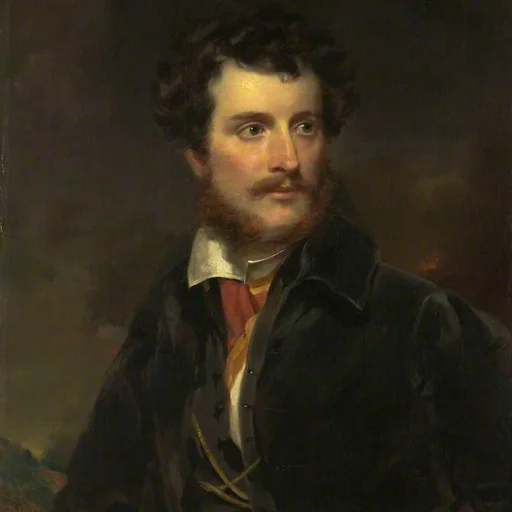
Kenneth Macleay the younger (4 July 1802 – 3 November 1878) was a Scottish miniature painter. He was the son of Kenneth Macleay the elder.

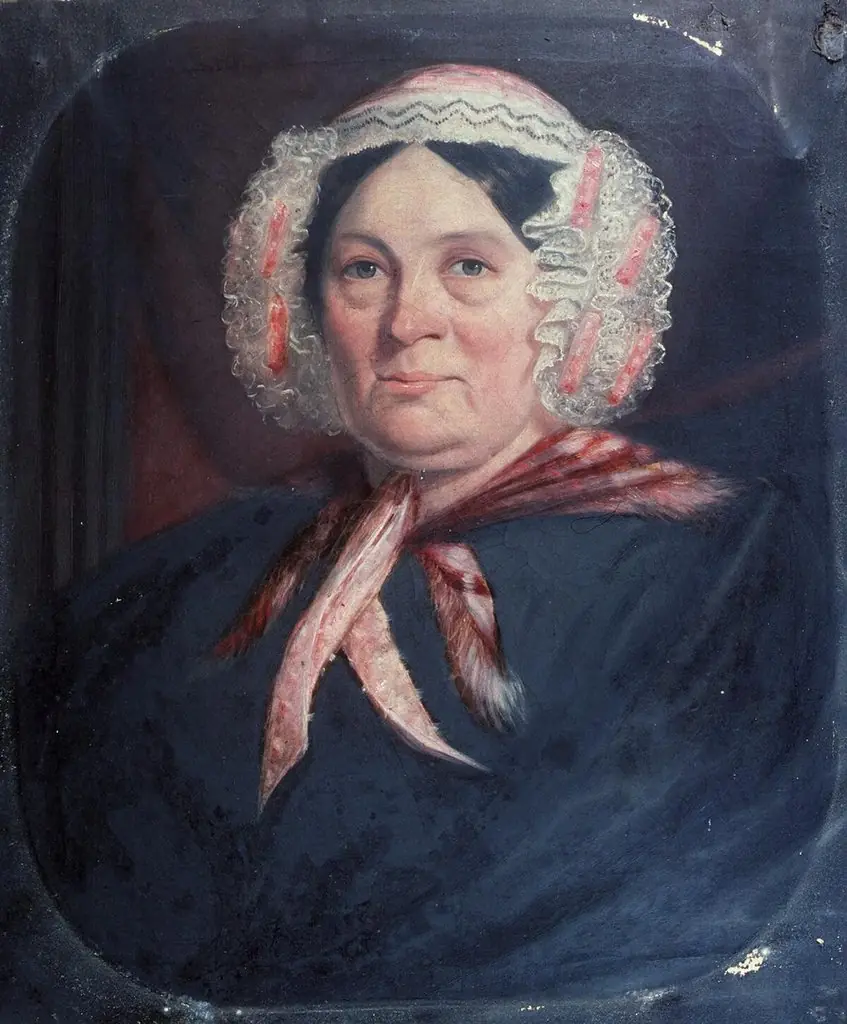 Margaret Thomas, Lammas St, Carmarthen
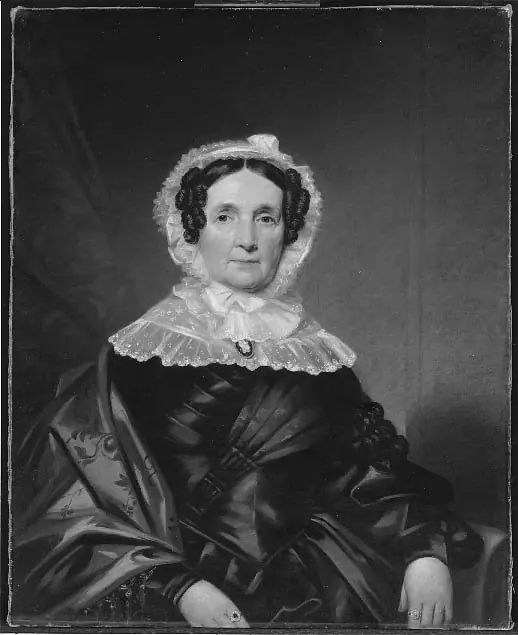 Mrs. Ward Nicholas Boylston (Alicia Darrow)
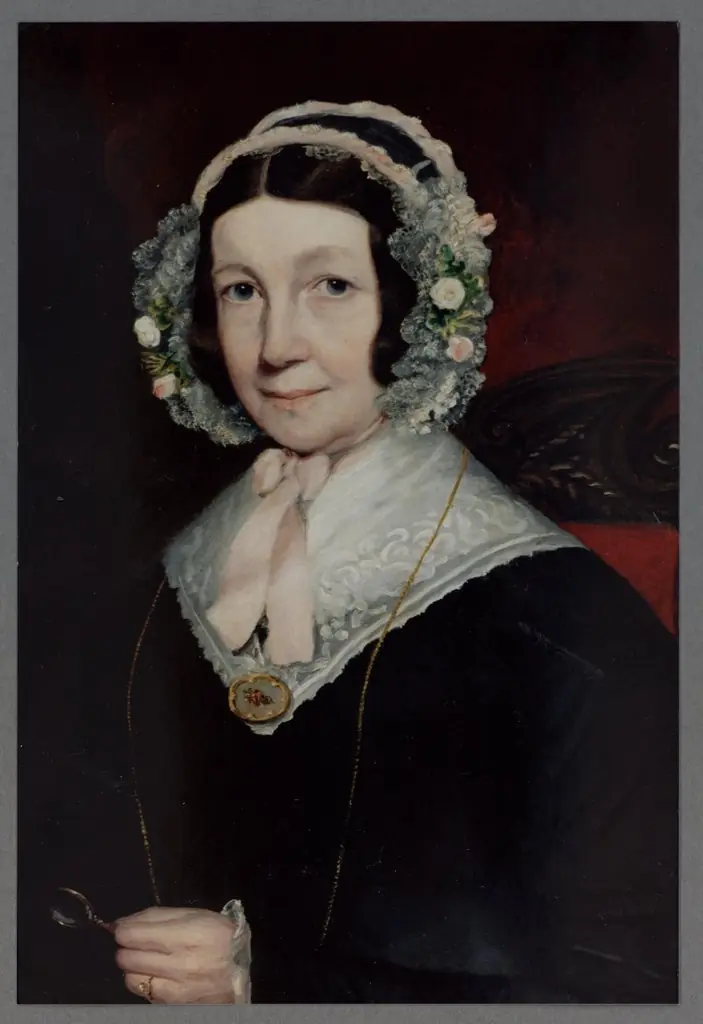 Mrs. Ann Williams, Tŷ Newydd
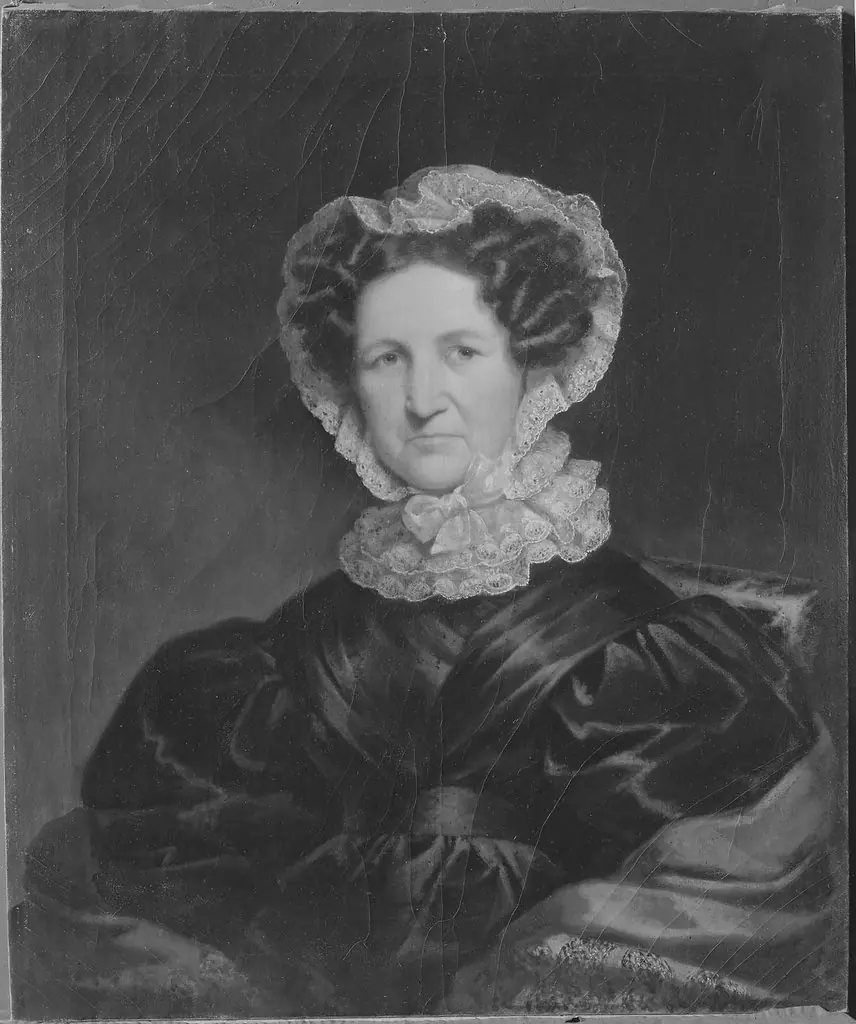 Mrs. Isaac Green (Ann Barrett)
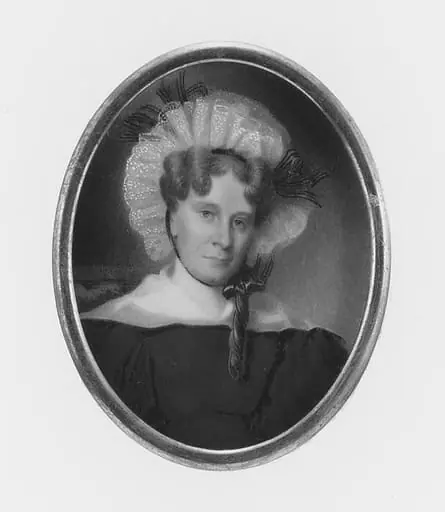 Portrait of a Lady
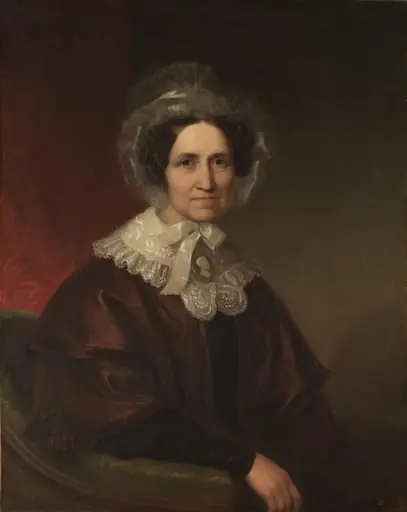 Sarah Eliot Scoville
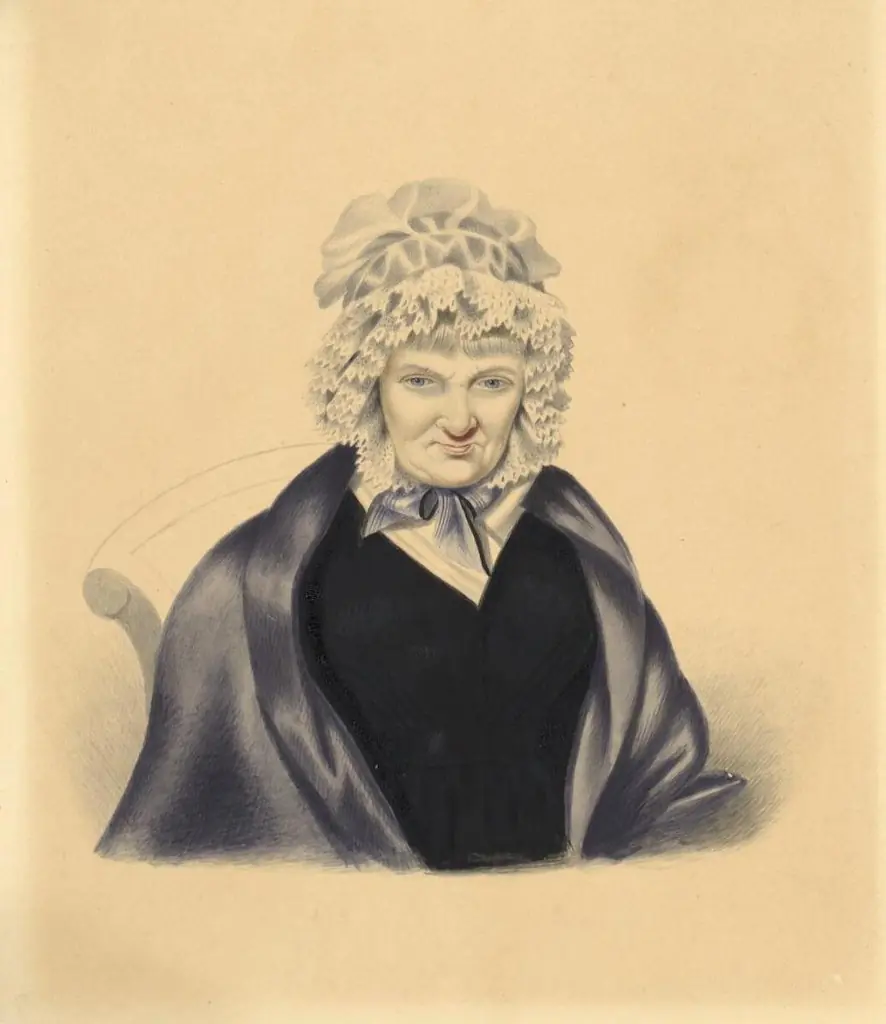 Hannah Gwynne
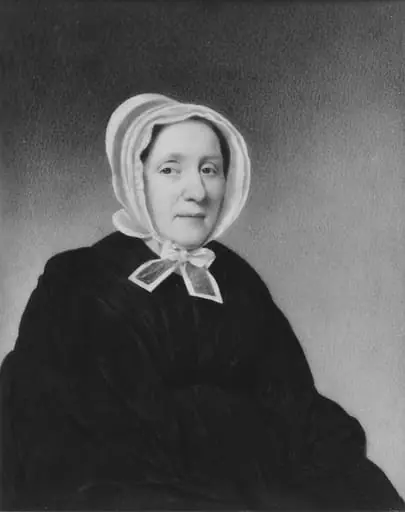 Mrs. Thomas Streatfield Clarkson (Elizabeth Van Horne)
 Mrs. Robert Waterston (Hephzibah Lord)
 Portrait of a Lady
 Mrs Janet Davies, Fronheulog, Llandderfel
 Margaret Lady Walsh (at 78)