Artwork
Portrait of John Francis Miller Erskine, Earl of Mar and Earl of Kellie
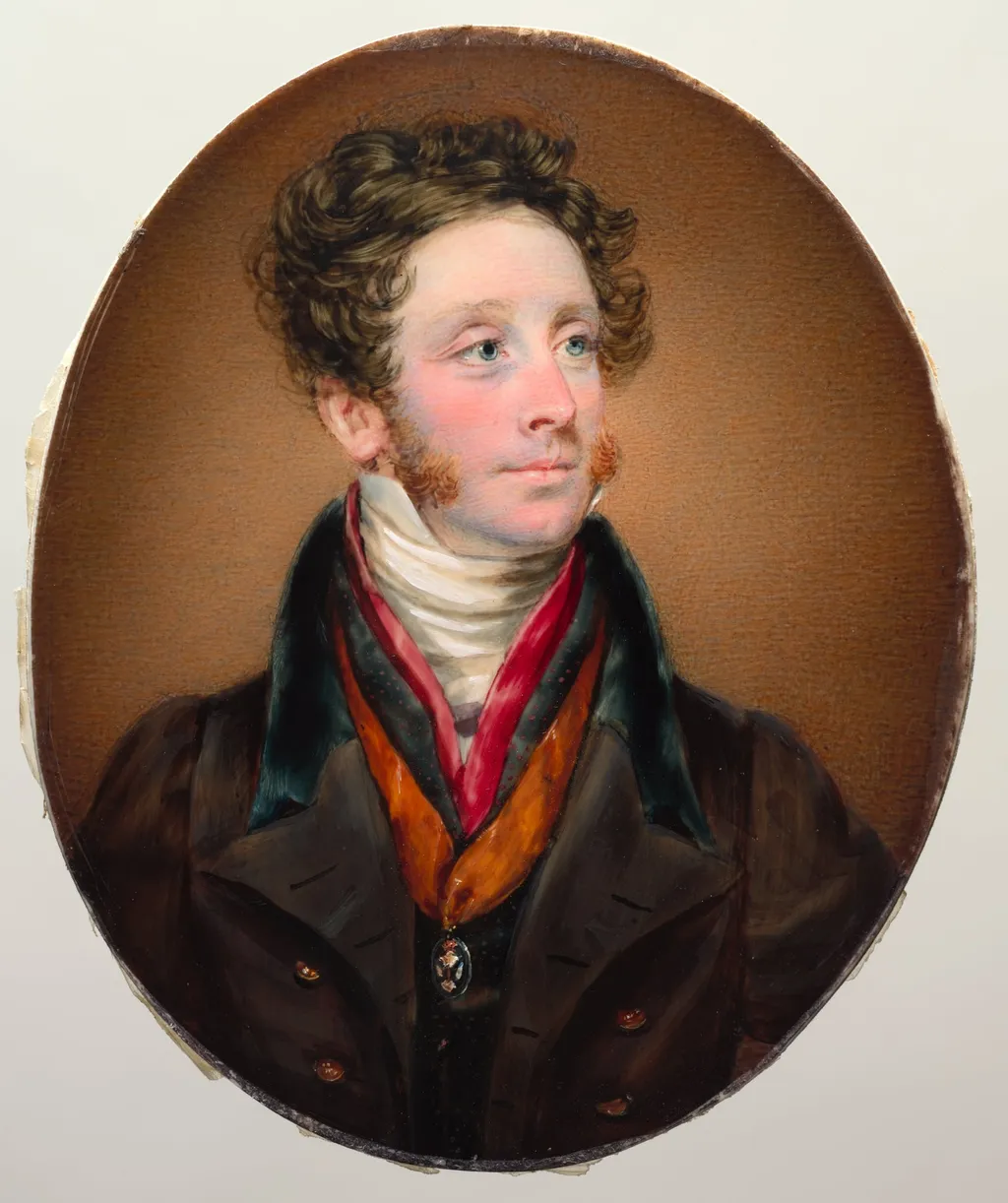
Portrait of John Francis Miller Erskine, Earl of Mar and Earl of Kellie is an unspecified portrait miniature by the British Romanticist artist Kenneth Macleay. It dates from 1825 and is held in the collection of the Cleveland Museum of Art.
About this work
Overview
The piece is now part of the Cleveland Museum of Art’s collection, where it remains a quiet testament to early 19th-century elite identity.
This portrait miniature, painted in 1825 by Kenneth Macleay, captures John Francis Miller Erskine, who held the Scottish titles of Earl of Mar and Earl of Kellie. Executed in watercolor on ivory, the work exemplifies the refined tradition of British miniature portraiture. Its small scale and intimate format were typical for personal keepsakes among the aristocracy. The piece is now part of the Cleveland Museum of Art’s collection, where it remains a quiet testament to early 19th-century elite identity.
Subject & Meaning
The sitter, John Francis Miller Erskine, is portrayed with composed dignity, his gaze steady and unsmiling. His attire—dark coat, vivid scarves, and a gold pin—signals status without ostentation. The absence of symbolic objects or elaborate settings directs focus to his bearing and presence. The portrait conveys aristocratic self-possession rather than narrative or political statement, reflecting a personal rather than public persona common in private miniatures of the era.
Technique & Style
Macleay employed fine brushwork and translucent watercolor layers on ivory to achieve subtle gradations of light and texture. The face is rendered with delicate modeling, emphasizing the play of light across the cheekbones and brow. The scarves and collar are rendered with heightened color contrast against the muted tones of the coat, drawing the eye without distraction. The plain brown oval background isolates the figure, a convention that heightens the intimacy of the likeness.
History & Provenance
Commissioned in 1825, the miniature likely served as a personal memento or family heirloom. Kenneth Macleay, trained in his father’s studio, was known for his precise, restrained style favored by Scottish nobility. The work entered the Cleveland Museum of Art’s collection through documented acquisition, though its earlier provenance within the Erskine family remains unrecorded in public archives. Its preservation reflects its enduring value as a portrait of lineage.
Context
Created during the height of British Romanticism, the portrait aligns with a cultural emphasis on individual character and emotional restraint. While Romanticism often embraced dramatic expression, miniature portraiture retained classical discipline. This work reflects the persistence of aristocratic visual codes in a period of social change, where personal identity was still expressed through refined appearance and subtle heraldic cues rather than overt symbolism.
Legacy
As a representative example of early 19th-century Scottish miniature painting, the portrait contributes to the understanding of how elite identity was visually sustained outside grand public art. Macleay’s technique influenced later practitioners of the form, though his name remains less known than contemporaries. The work endures not as a landmark, but as a quiet, well-crafted record of a man and his moment in a fading social order.
Artist & collection
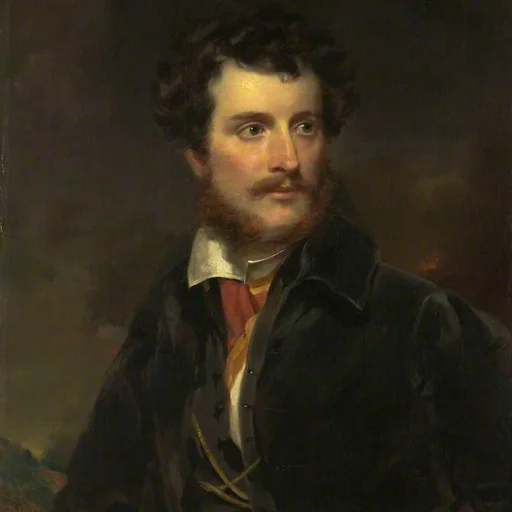
Artist
Kenneth Macleay the younger (4 July 1802 – 3 November 1878) was a Scottish miniature painter. He was the son of Kenneth Macleay the elder.

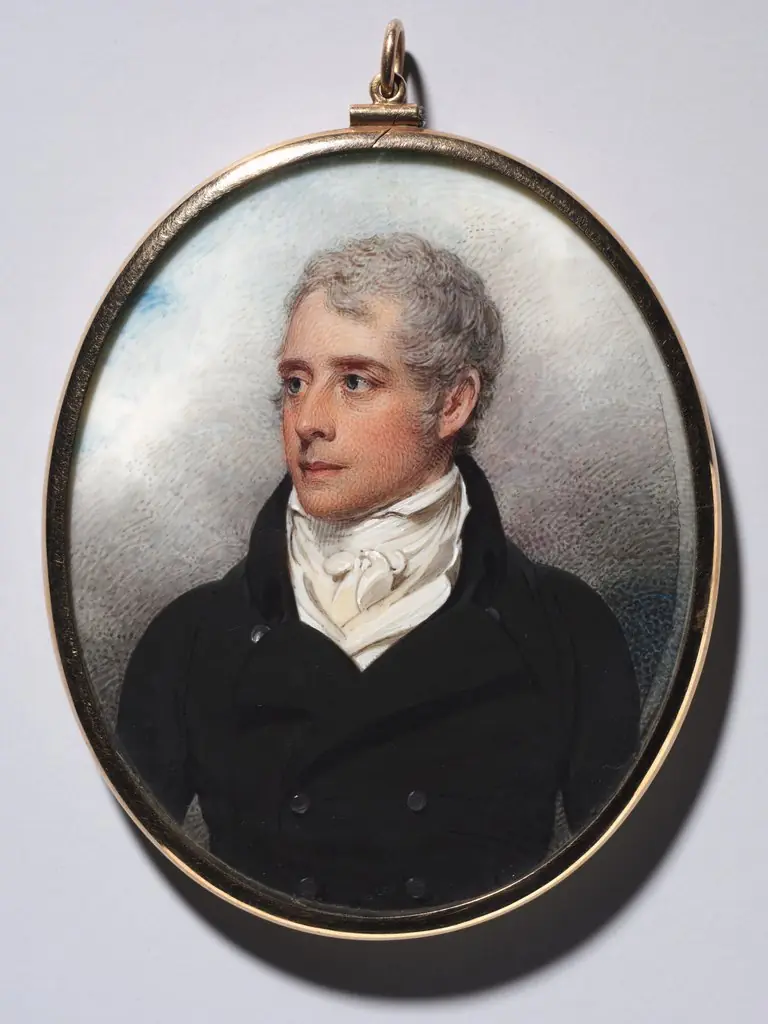 Portrait of Sandford Peacocke
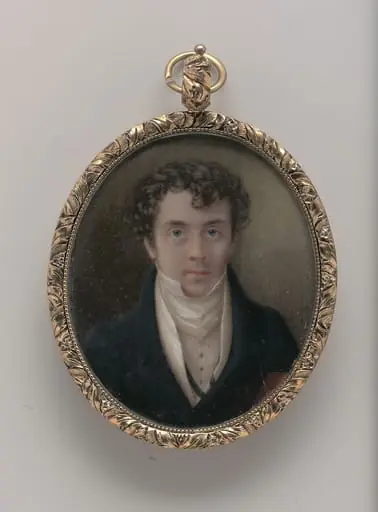 Self-Portrait
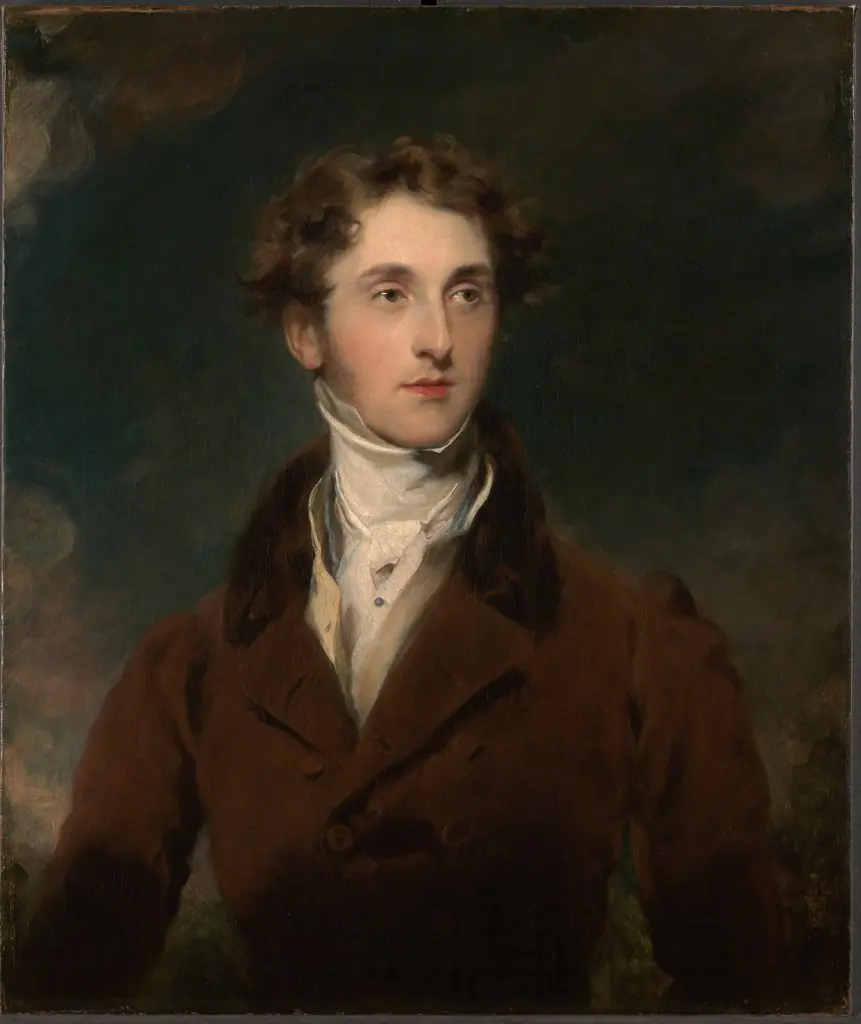 Portrait of Frederick H. Hemming
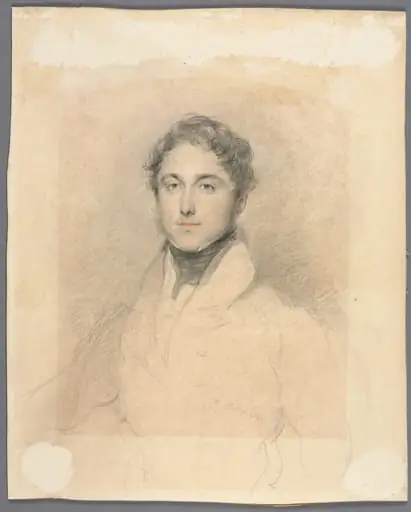 Portrait of a Man
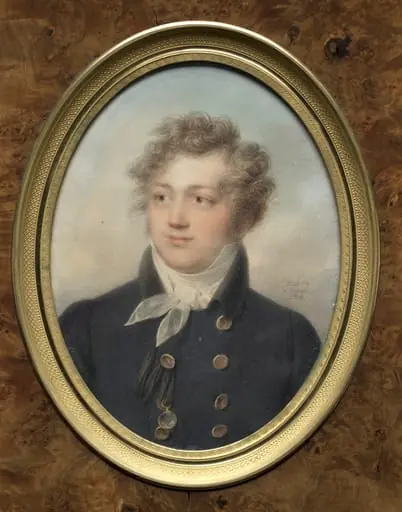 Portrait of a Man, possibly Alexander I, Emperor of Russia
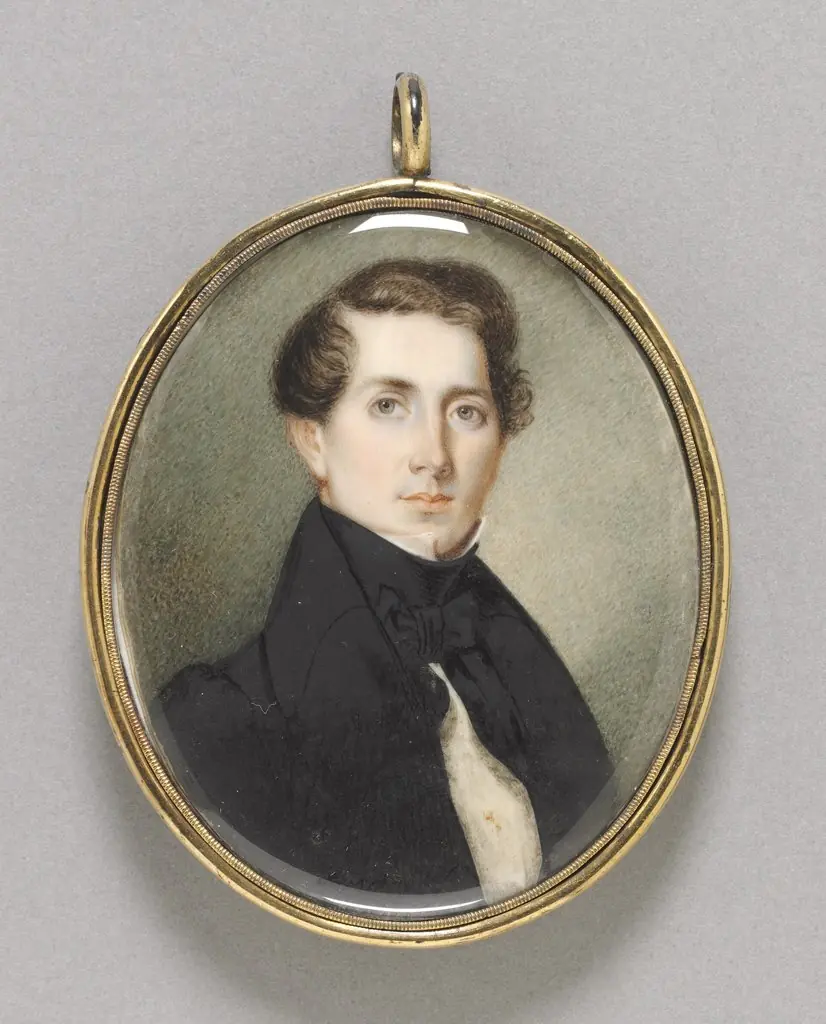 Portrait of a Man
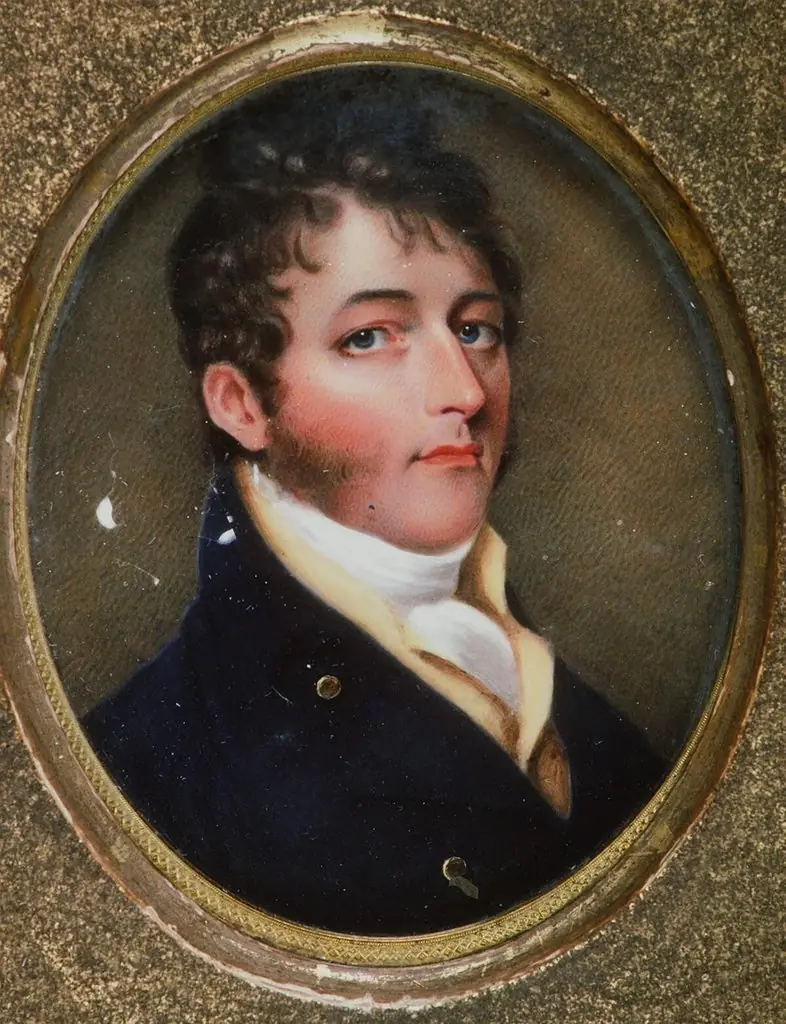 Pryse Pryse, Gogerddan
 Portrait of a Man
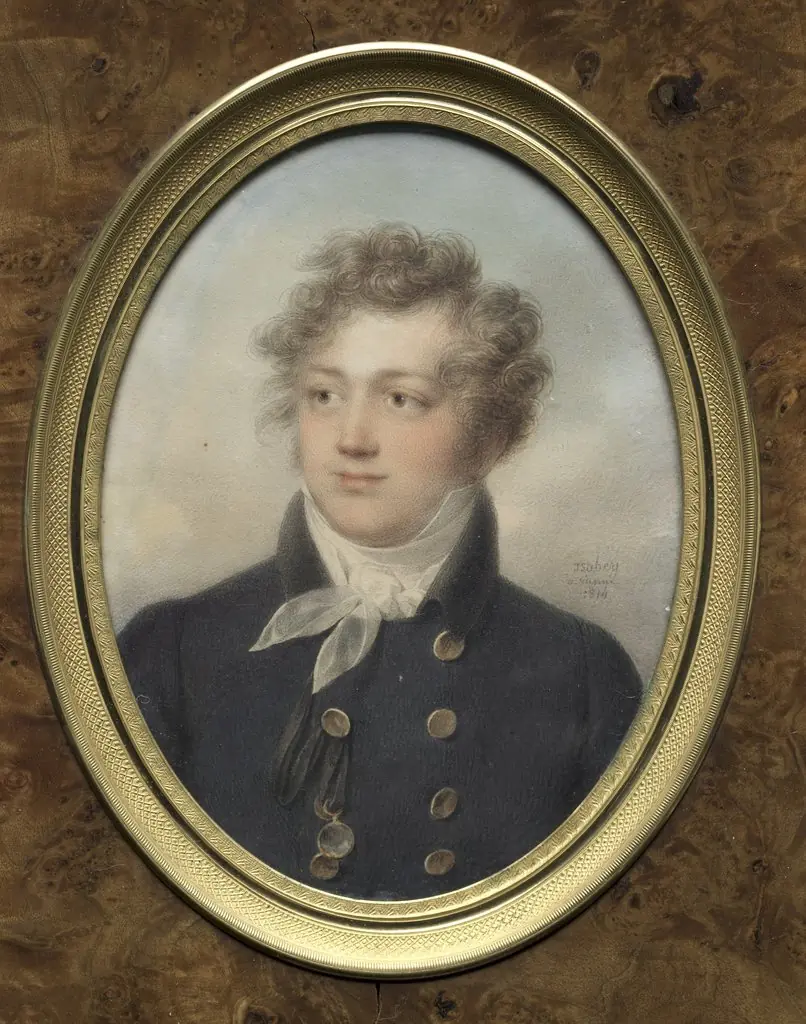 Portrait of a Man, possibly Alexander I, Emperor of Russia
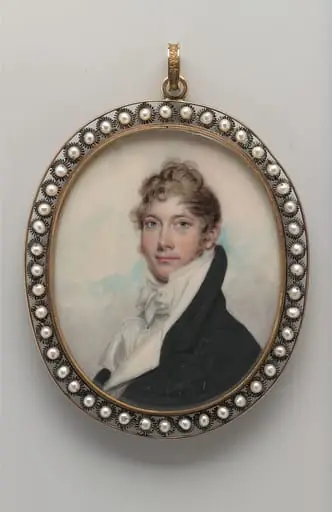 Benjamin Kintzing
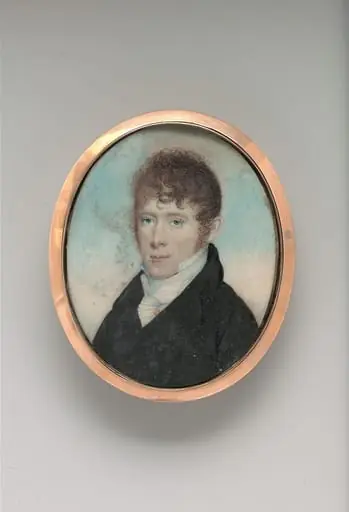 Portrait of a Gentleman
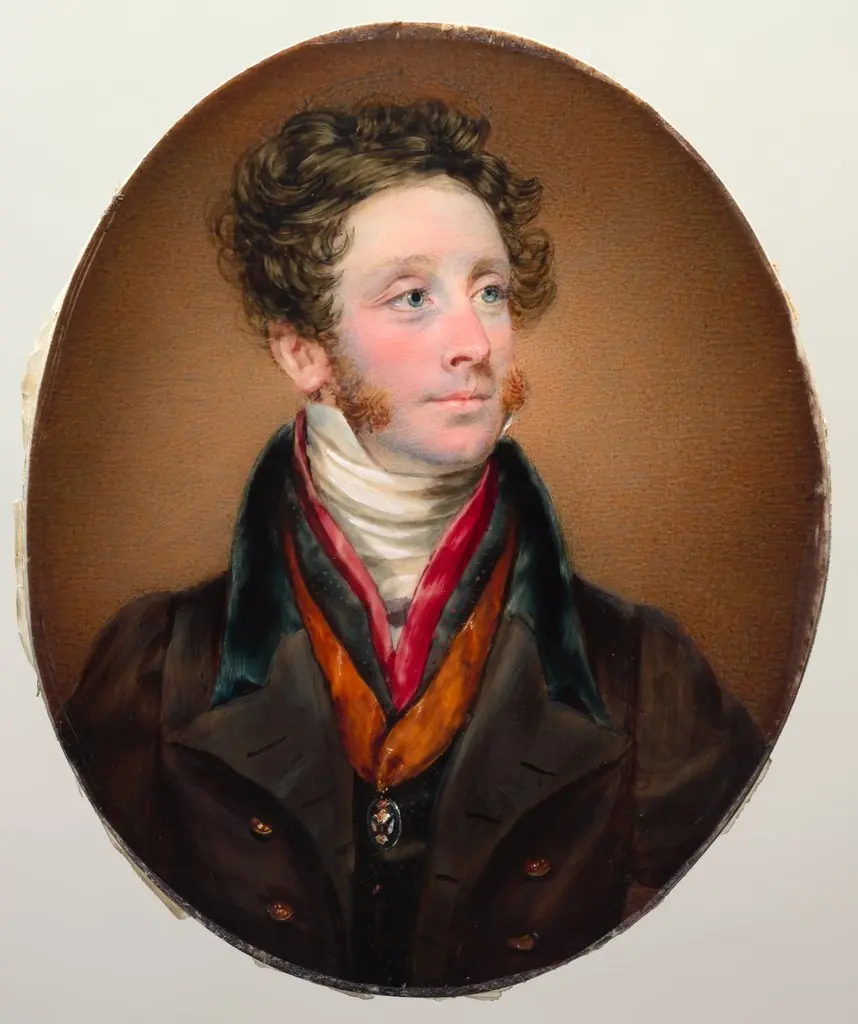 Portrait of John Francis Miller Erskine, Earl of Mar and Earl of Kellie