Artwork
Leopold II, Holy Roman Emperor
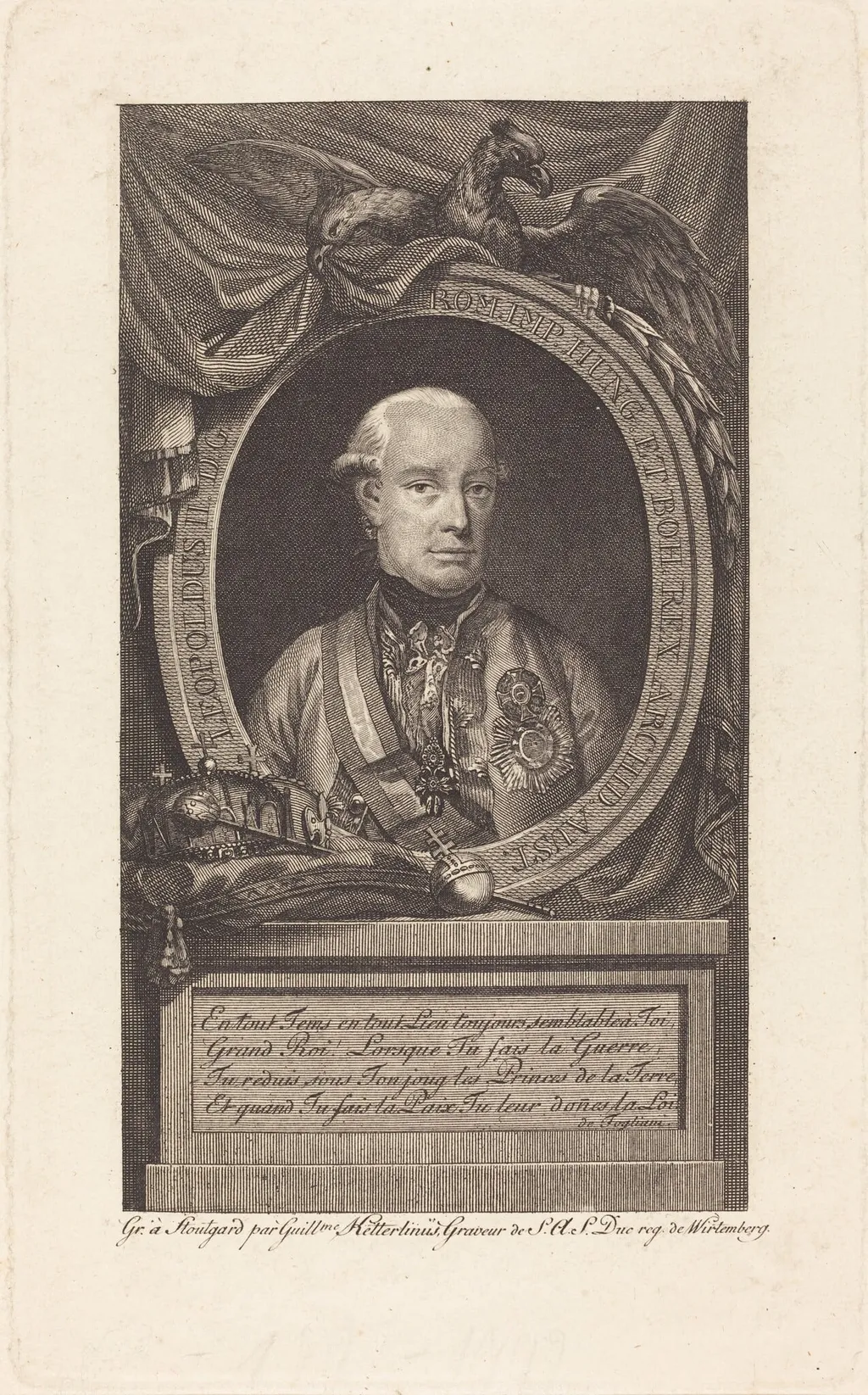
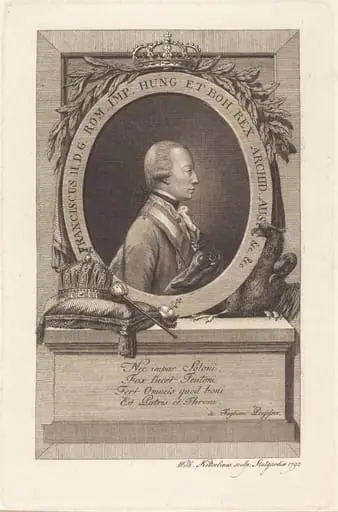
Leopold II, Holy Roman Emperor is an ink print by the Romanticist artist Christian Wilhelm Ketterlinus. It dates from 1784 and is held in the collection of the National Gallery of Art.
About this work
Overview
This 1784 engraving by Christian Wilhelm Ketterlinus depicts Leopold II, Holy Roman Emperor, rendered in fine black-and-white lines on wove paper.
This 1784 engraving by Christian Wilhelm Ketterlinus depicts Leopold II, Holy Roman Emperor, rendered in fine black-and-white lines on wove paper. The print captures the emperor in formal attire, emphasizing his imperial status through detailed ornamentation. The technique relies on incised metal plates to produce precise, intricate textures, typical of late 18th-century portraiture in print form.
Subject & Meaning
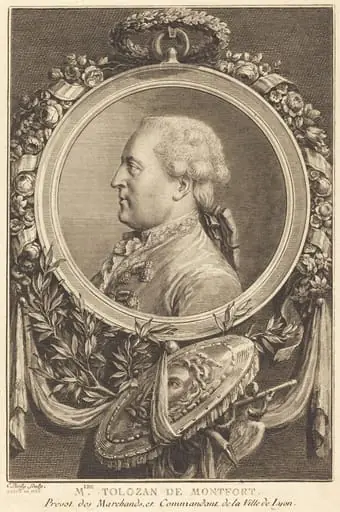
Leopold II is portrayed with a composed expression, dressed in elaborate court garments, a powdered wig, and multiple medals. Above him, a wreath of leaves and ribbons functions as a symbolic crown, evoking classical authority rather than a literal royal diadem. The surrounding scroll, inscribed with minute text, likely contains titles or honors, reinforcing his political and dynastic legitimacy.
Technique & Style
Ketterlinus employed traditional engraving methods, using fine burin lines to build tone and texture across the portrait. The meticulous cross-hatching and stippling define fabric folds, medal details, and the texture of the wig. The composition is formal and symmetrical, reflecting the conventions of official portraiture, where clarity and dignity outweigh expressive flair.
History & Provenance
Created in 1784, the print likely served as a diplomatic or ceremonial gift, circulating among European courts to affirm Leopold’s authority. Its production coincided with his ascension to the imperial throne. While specific early ownership records are sparse, such engravings were commonly reproduced and collected by nobility and institutions seeking to document imperial imagery.
Context
In the late 18th century, engraved portraits of monarchs were vital tools for projecting power across territories with limited access to live imagery. Leopold’s reign followed the absolutist traditions of the Habsburgs, yet he was known for reformist policies. This print aligns with the visual language of legitimacy, using classical symbols to bridge tradition with emerging Enlightenment ideals.
Legacy
Ketterlinus’s engraving remains a documented example of imperial portraiture from the Habsburg era. It contributes to the visual archive of European rulership, illustrating how print media sustained political presence beyond court circles. Though not widely known today, it reflects the broader practice of using engraved images to reinforce state authority in pre-photographic society.
Artist & collection