Artwork
Mountains (Berge)
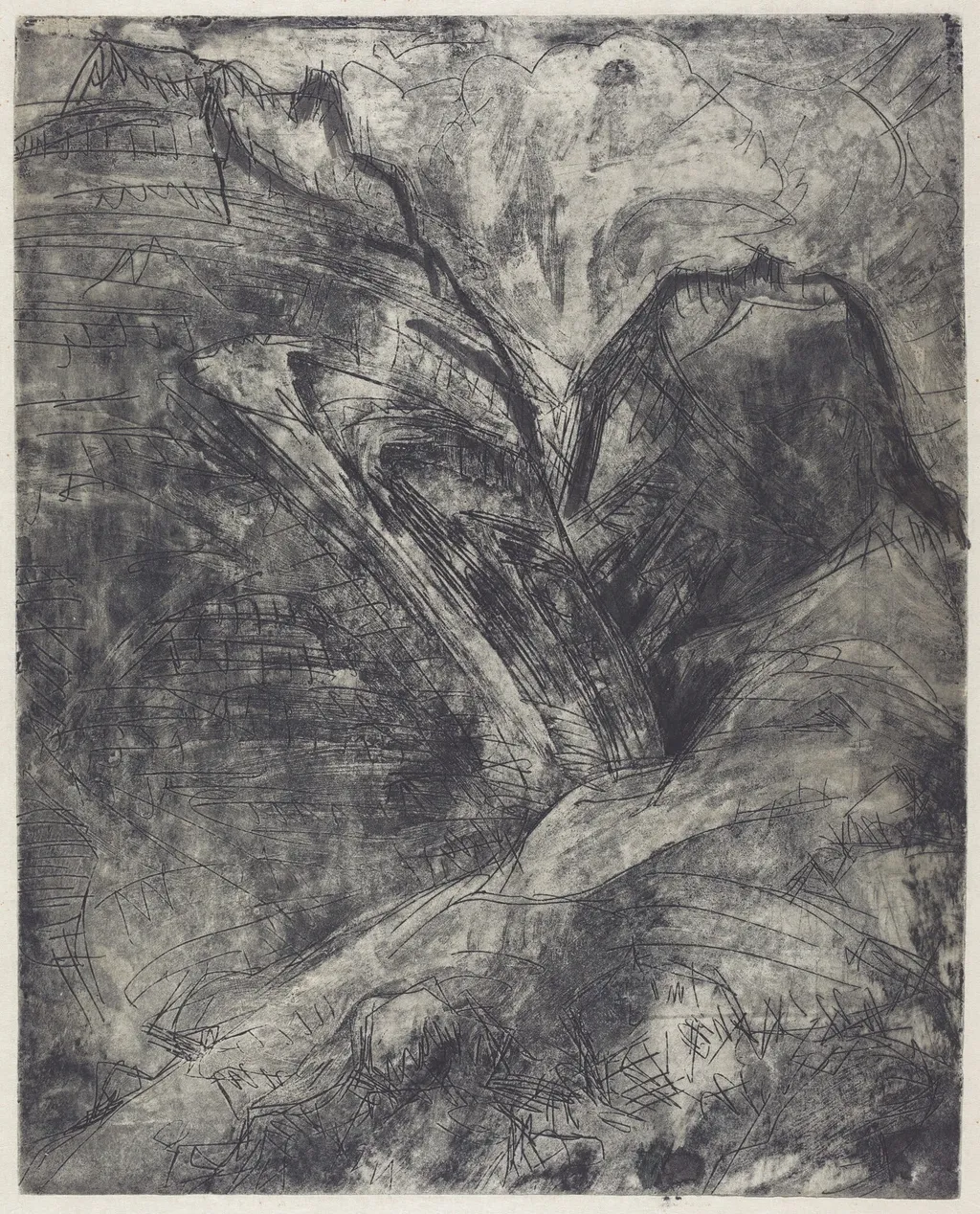
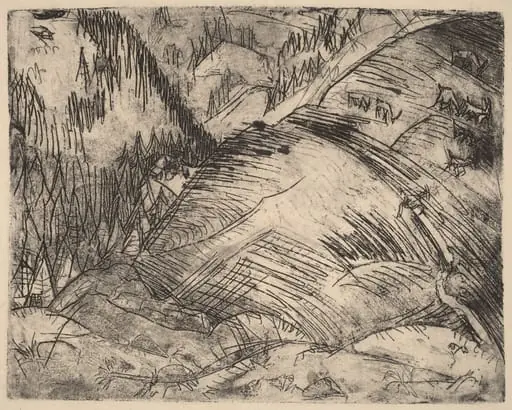
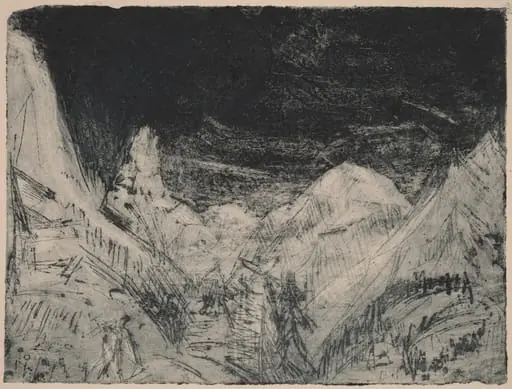
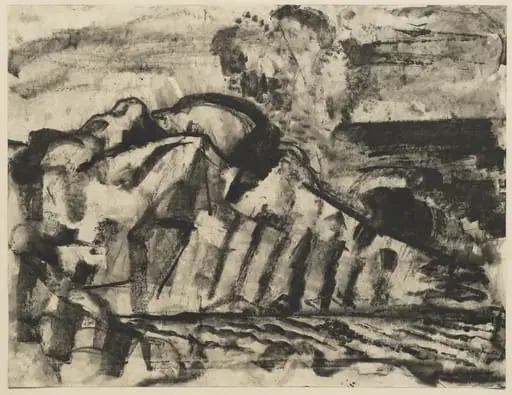
Mountains (Berge) is an ink print by Ernst Ludwig Kirchner. It dates from 1920 and is held in the collection of the National Gallery of Art.
About this work
Overview
Ernst Ludwig Kirchner created *Mountains (Berge)* in 1920 as a printed work using etching and tonal etching techniques.
Ernst Ludwig Kirchner created *Mountains (Berge)* in 1920 as a printed work using etching and tonal etching techniques. Executed in black ink with subtle gray touches on blotting paper, the piece reflects his engagement with printmaking during a period of personal and artistic reorientation after World War I. The medium’s inherent texture aligns with his interest in raw, unrefined visual expression.
Subject & Meaning
The composition depicts an abstracted mountain range rendered through abrupt, angular lines and irregular forms. Rather than a literal landscape, the peaks suggest emotional intensity and instability, echoing Kirchner’s inner turmoil following his wartime trauma. The absence of human presence or conventional perspective reinforces a sense of isolation, characteristic of his post-war aesthetic.
Technique & Style
Kirchner employed etching to carve lines into a metal plate, then used tonal etching to create gradations of gray through controlled ink application. The blotting paper absorbed ink unevenly, enhancing the work’s rough, sketch-like quality. Layers of ink were pressed into the paper, producing a tactile surface that mimics the spontaneity of drawing, prioritizing expressive energy over technical polish.
History & Provenance
Created during Kirchner’s recovery in Davos, Switzerland, the print emerged after his military service and subsequent psychological collapse. By 1937, Nazi authorities classified his work as degenerate, confiscating and destroying hundreds of his prints and paintings. *Mountains (Berge)* survived, likely due to its private ownership or early export, avoiding the systematic purge that targeted Expressionist art.
Context
Kirchner co-founded Die Brücke in 1905, championing emotional authenticity over naturalism. By 1920, his style had evolved from the vibrant, distorted figures of his early years toward more introspective, monochromatic landscapes. This shift coincided with his retreat from urban life and increasing preoccupation with nature as a site of psychological refuge amid postwar disillusionment.
Legacy
The print exemplifies Kirchner’s enduring contribution to modern printmaking: transforming technical processes into vehicles for psychological expression. Its raw texture and emotional gravity influenced later generations of artists exploring abstraction and materiality. Though overshadowed by his paintings, his prints remain vital to understanding the depth of Expressionist innovation.
Own this work as a print
Artist & collection
Artist
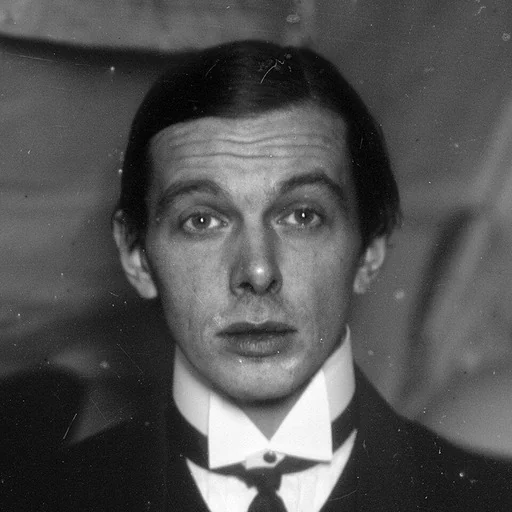
Ernst Ludwig Kirchner (6 May 1880 – 15 June 1938) was a German expressionist painter and printmaker.

![Dance Hall Bellevue [obverse], by Ernst Ludwig Kirchner](https://artifactworldgallery.com/img/ernst-ludwig-kirchner--dance-hall-bellevue-obverse--d1e14aac4297c69e-w320.webp)
![Nude Figure [reverse], by Ernst Ludwig Kirchner](https://artifactworldgallery.com/img/ernst-ludwig-kirchner--nude-figure-reverse--4b135f0364753e98-w320.webp)
![Two Nudes [obverse], by Ernst Ludwig Kirchner](https://artifactworldgallery.com/img/ernst-ludwig-kirchner--two-nudes-obverse--eb3914183f0bc96d-w320.webp)
![Dancing Couple in the Snow [reverse], by Ernst Ludwig Kirchner](https://artifactworldgallery.com/img/ernst-ludwig-kirchner--dancing-couple-in-the-snow-reverse--87ca007d7c05b553-w320.webp)