Artwork
Peter Schlemihls wundersame Geschichte: Begegnung Schlemihls mit dem grauen Männlein auf der Landstrasse (Peter Schlemihl's Wondrous Story: Schlemihl Encounters the Little Gray Man on the Road)
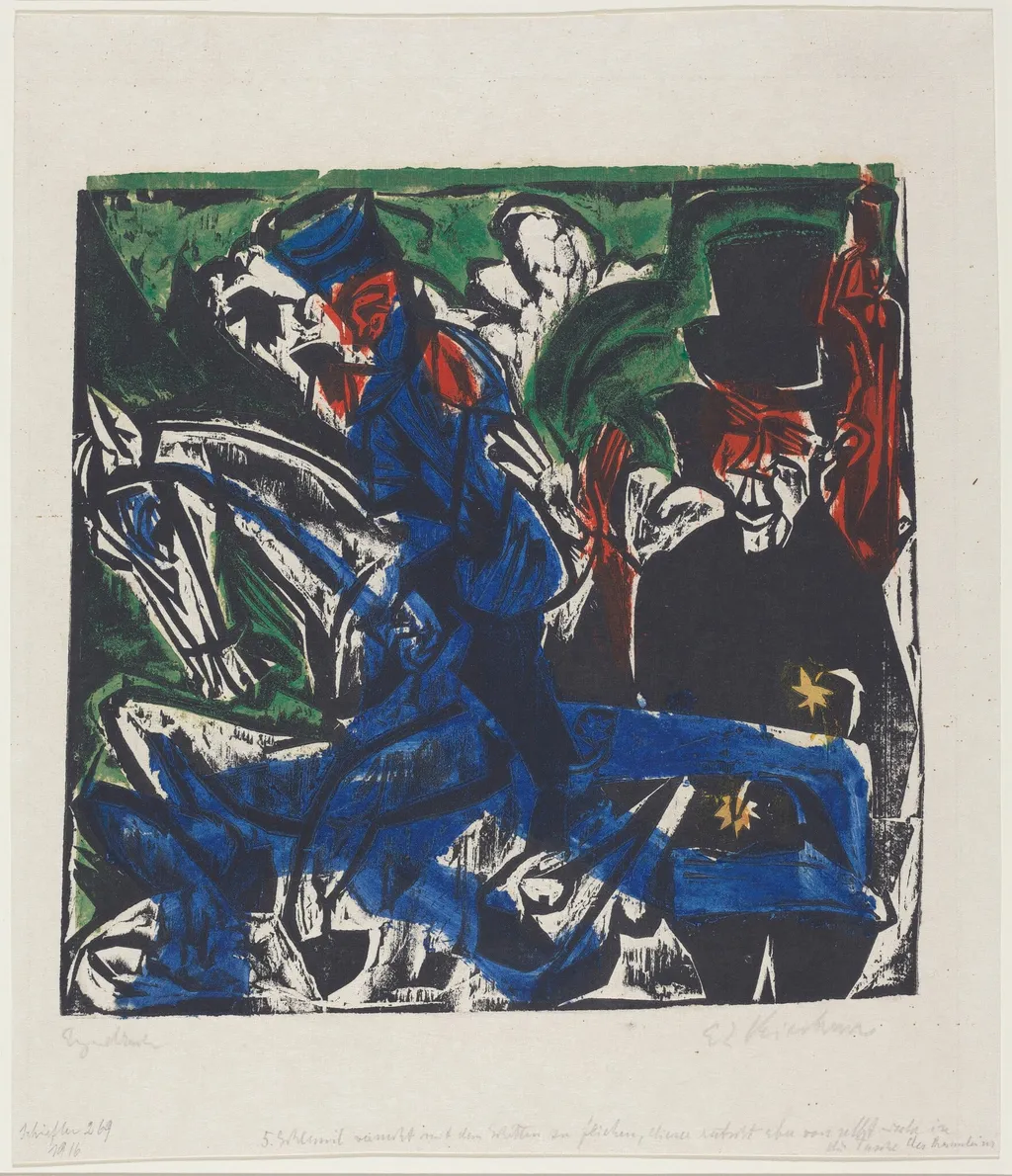
Peter Schlemihls wundersame Geschichte: Begegnung Schlemihls mit dem grauen Männlein auf der Landstrasse (Peter Schlemihl's Wondrous Story: Schlemihl Encounters the Little Gray Man on the Road) is an ink print by Ernst Ludwig Kirchner. It dates from 1915 and is held in the collection of the National Gallery of Art.
About this work
Overview
Executed on wove paper, the print exemplifies Kirchner’s Expressionist approach, emphasizing emotional tension over naturalistic detail.
Created in 1915, this color woodcut by Ernst Ludwig Kirchner illustrates a moment from Adelbert von Chamisso’s 1814 novella about a man who trades his shadow for infinite wealth. Executed on wove paper, the print exemplifies Kirchner’s Expressionist approach, emphasizing emotional tension over naturalistic detail. The technique involves carving into wood blocks, then inking and pressing them to produce layered, vivid imagery.
Subject & Meaning
The scene captures Peter Schlemihl’s fateful meeting with a mysterious figure known as the little gray man, a symbolic representation of temptation and moral loss. The blurred faces and elongated, shadowy forms suggest psychological unease rather than literal narrative. The exchange depicted is not just physical but existential — the loss of one’s shadow becomes a metaphor for alienation and the cost of worldly gain.
Technique & Style
Kirchner employed thick, jagged lines and bold, non-naturalistic colors — deep blues, blacks, and a stark red — to heighten emotional impact. The rough, uneven carving of the woodblocks creates a tactile, almost agitated surface. Color layers are applied with deliberate crudeness, rejecting academic refinement in favor of raw, expressive energy characteristic of Die Brücke’s aesthetic.
History & Provenance
Made during World War I, the print emerged from a period of personal and societal upheaval for Kirchner. Though produced in 1915, it was later targeted by the Nazi regime, which labeled his work as degenerate and removed it from public collections. The print’s survival reflects its endurance as a document of artistic resistance amid political repression.
Context
Kirchner’s engagement with literary sources like Chamisso’s tale aligned with Expressionist interests in inner turmoil and mythic themes. The work reflects broader early 20th-century anxieties about identity, modernity, and moral compromise. His use of woodcut — a medium historically tied to folk art and religious prints — was reimagined to convey psychological depth rather than devotional clarity.
Legacy
This print remains a key example of how Expressionists transformed traditional printmaking into a vehicle for psychological exploration. Its stark visual language influenced later artists seeking to convey inner states through distortion and color. Though marginalized by the Nazis, its survival in institutional collections ensures its place in the history of modern German art.
Artist & collection
Artist
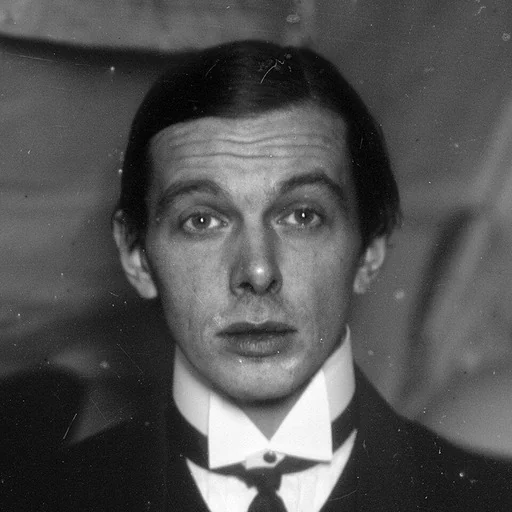
Ernst Ludwig Kirchner (6 May 1880 – 15 June 1938) was a German expressionist painter and printmaker.

![Dance Hall Bellevue [obverse], by Ernst Ludwig Kirchner](https://artifactworldgallery.com/img/ernst-ludwig-kirchner--dance-hall-bellevue-obverse--d1e14aac4297c69e-w320.webp)
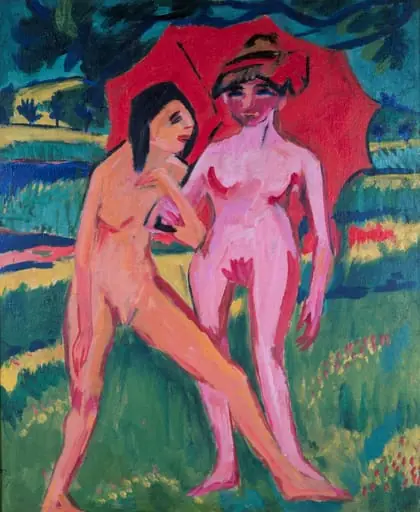
![Nude Figure [reverse], by Ernst Ludwig Kirchner](https://artifactworldgallery.com/img/ernst-ludwig-kirchner--nude-figure-reverse--4b135f0364753e98-w320.webp)
![Two Nudes [obverse], by Ernst Ludwig Kirchner](https://artifactworldgallery.com/img/ernst-ludwig-kirchner--two-nudes-obverse--eb3914183f0bc96d-w320.webp)
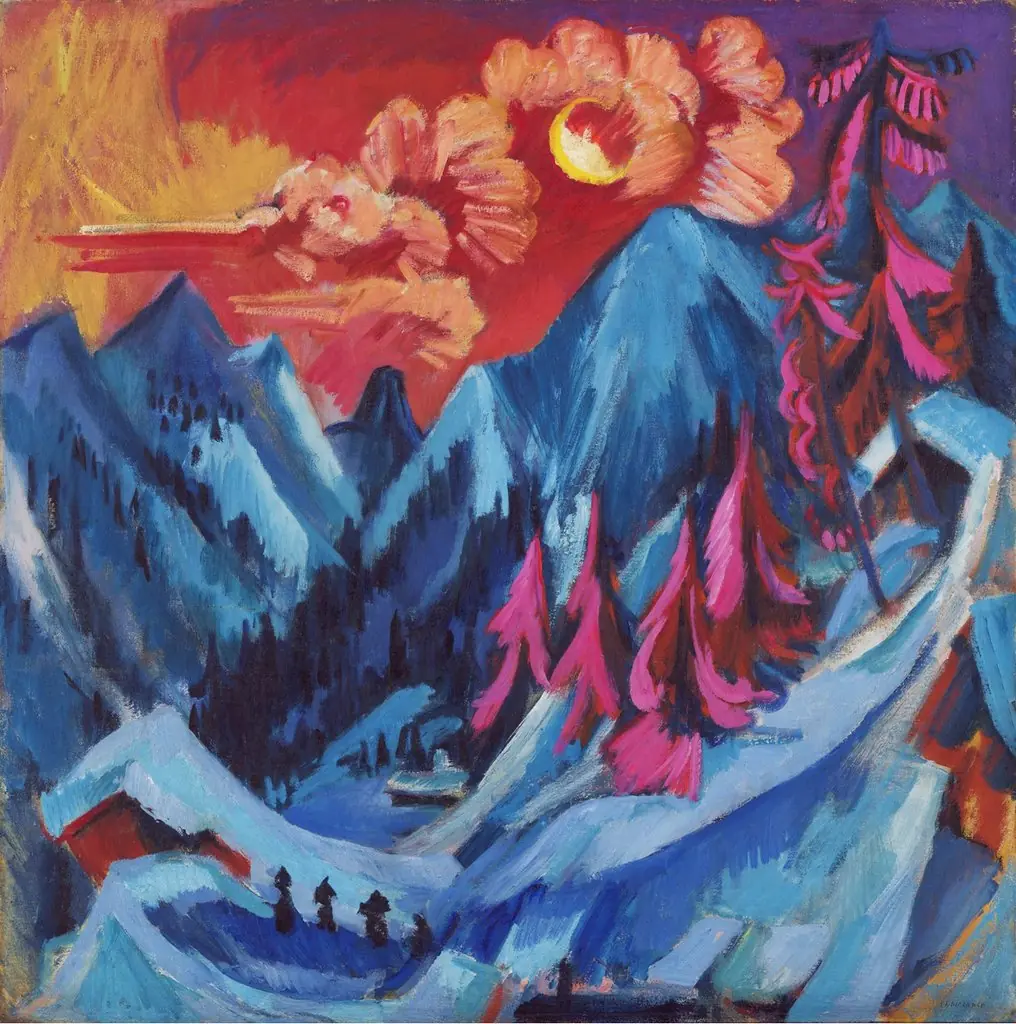
![Dancing Couple in the Snow [reverse], by Ernst Ludwig Kirchner](https://artifactworldgallery.com/img/ernst-ludwig-kirchner--dancing-couple-in-the-snow-reverse--87ca007d7c05b553-w320.webp)
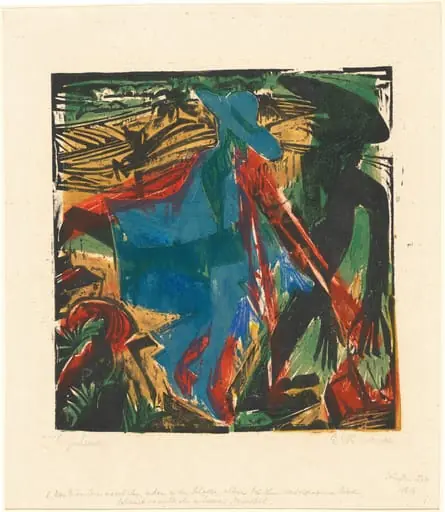 Peter Schlemihls wundersame Geschichte: Schlemihls Begegnung mit dem Schatten (Peter Schlemihl's Wondrous Story: Schlemihl's Encounter with His Shadow)
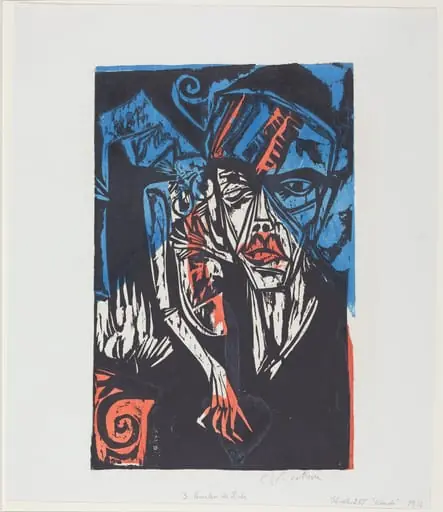 Peter Schlemihls wundersame Geschichte: Kämpfe. Qualen der Liebe (Peter Schlemihl's Wondrous Story: Battles. The Agonies of Love)
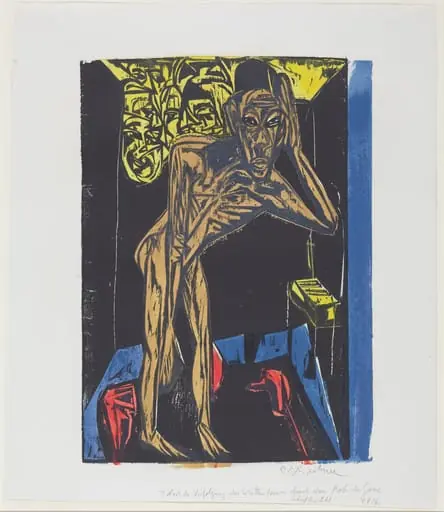 Peter Schlemihls wundersame Geschichte: Schlemihl in der Einsamkeit des Zimmers (Peter Schlemihl's Wondrous Story: Schlemihl in the Solitude of His Room)
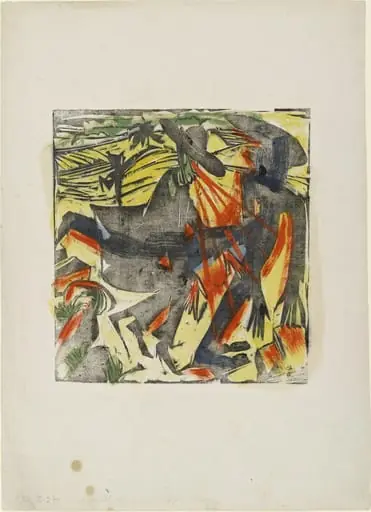 Untitled
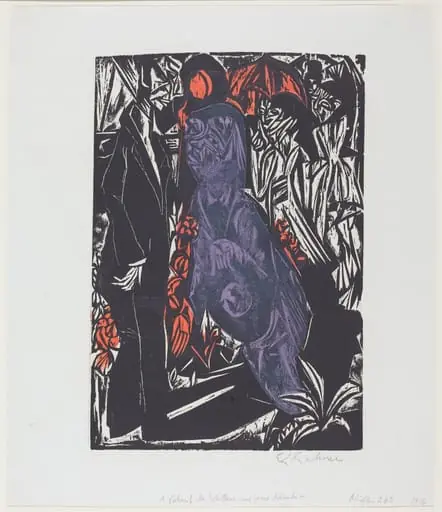 Peter Schlemihls wundersame Geschichte: Der Verkauf des Schattens (Peter Schlemihl's Wondrous Story: The Sale of His Shadow)
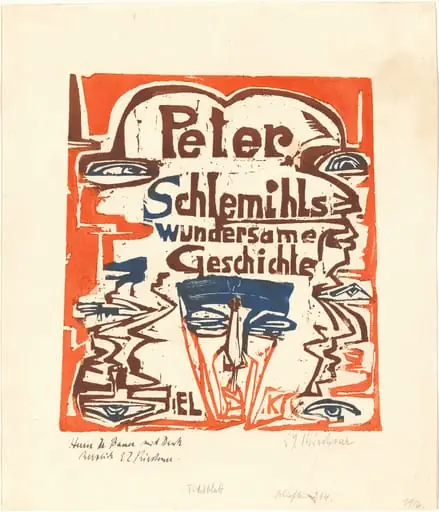 Peter Schlemihls wundersame Geschichte (Peter Schlemihl's Wondrous Story) (Title Page)