Artwork
Russian Dancers
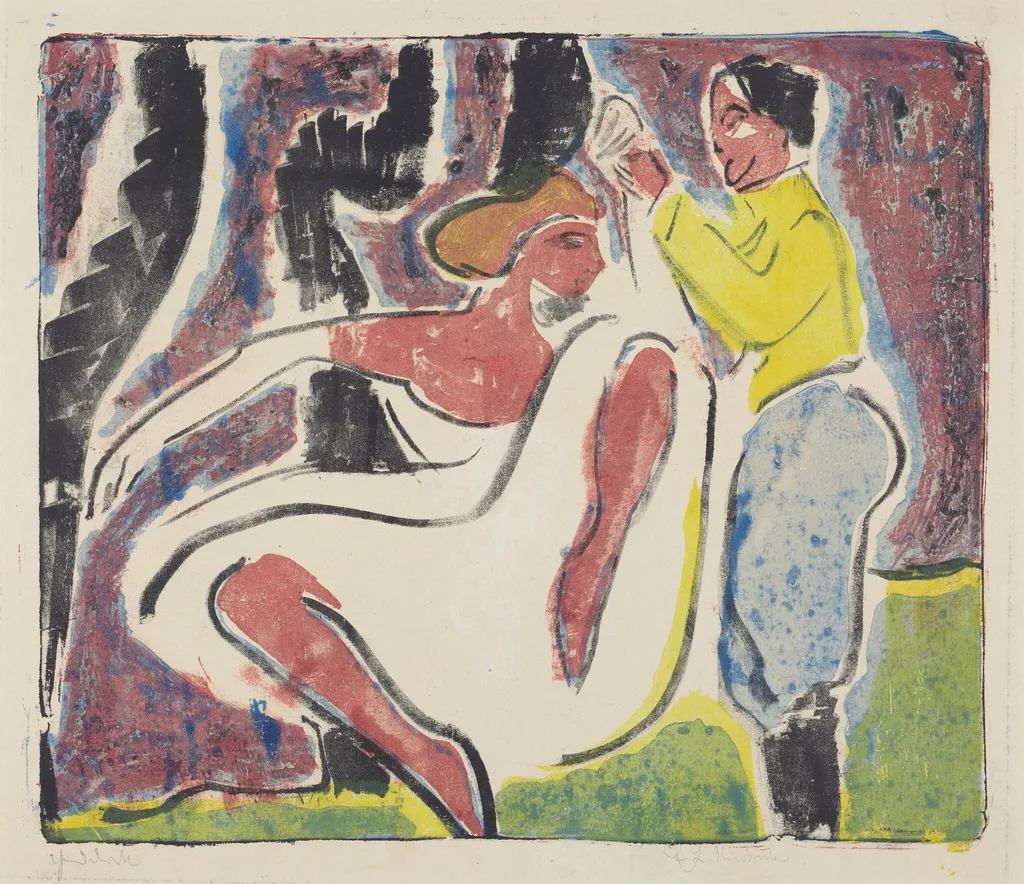
Russian Dancers is an ink print by Ernst Ludwig Kirchner. It dates from 1909 and is held in the collection of the National Gallery of Art.
About this work
Overview
Created in 1909, *Russian Dancers* is a color lithograph by German Expressionist Ernst Ludwig Kirchner.
Created in 1909, *Russian Dancers* is a color lithograph by German Expressionist Ernst Ludwig Kirchner. Executed on wove paper, the work belongs to a series of prints produced during his time with Die Brücke, a collective focused on emotional intensity and formal innovation. The piece captures movement through simplified forms and heightened color, reflecting Kirchner’s interest in capturing visceral experience over naturalistic representation.
Subject & Meaning
The print portrays two figures in dynamic, almost abstracted poses: one reclining with bent legs, the other standing in a bright yellow garment, clutching a pale object. Though titled 'Russian Dancers,' the figures are not literal representations but stylized embodiments of motion and rhythm. The composition suggests theatricality and raw energy, evoking the vitality of performance without anchoring it to a specific cultural narrative.
Technique & Style
Kirchner employed thick, angular lines and flat planes of unmodulated color—yellow, red, black, and blue—to construct a sense of urgency and emotional charge. The lithographic process allowed for bold, hand-drawn marks that retained the spontaneity of sketching. Background elements are deliberately chaotic, with splintered shapes and overlapping hues that destabilize spatial depth, reinforcing the expressive intent over descriptive accuracy.
History & Provenance
Made during Kirchner’s active years with Die Brücke, the print emerged from a period of intense experimentation in printmaking. The group sought to break from academic traditions, favoring direct, emotionally charged imagery. *Russian Dancers* was likely produced in a small edition, typical of Die Brücke’s print output, and circulated among avant-garde circles in Dresden and Berlin before entering institutional collections.
Context
In early 20th-century Germany, artists like Kirchner turned to non-Western and folk art for inspiration, seeking authenticity beyond industrial modernity. The 'Russian' reference may allude to popular traveling troupes in European cities, which fascinated Expressionists with their physical expressiveness. The work reflects broader cultural interests in movement, ritual, and the body as vessels of unfiltered emotion.
Legacy
Kirchner’s *Russian Dancers* exemplifies how printmaking became a vital medium for Expressionist experimentation. Its bold forms and emotional intensity influenced later generations of artists exploring abstraction and psychological depth. The work remains a key example of how lithography could convey raw energy, bridging the gap between drawing and fine art print in modernist practice.
Artist & collection
Artist
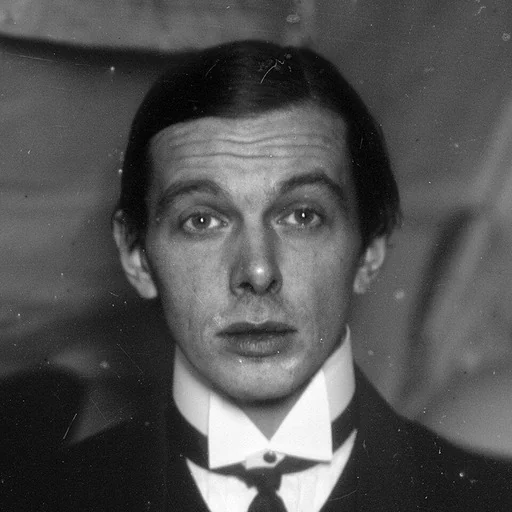
Ernst Ludwig Kirchner (6 May 1880 – 15 June 1938) was a German expressionist painter and printmaker.

![Dance Hall Bellevue [obverse], by Ernst Ludwig Kirchner](https://artifactworldgallery.com/img/ernst-ludwig-kirchner--dance-hall-bellevue-obverse--d1e14aac4297c69e-w320.webp)
![Nude Figure [reverse], by Ernst Ludwig Kirchner](https://artifactworldgallery.com/img/ernst-ludwig-kirchner--nude-figure-reverse--4b135f0364753e98-w320.webp)
![Two Nudes [obverse], by Ernst Ludwig Kirchner](https://artifactworldgallery.com/img/ernst-ludwig-kirchner--two-nudes-obverse--eb3914183f0bc96d-w320.webp)
![Dancing Couple in the Snow [reverse], by Ernst Ludwig Kirchner](https://artifactworldgallery.com/img/ernst-ludwig-kirchner--dancing-couple-in-the-snow-reverse--87ca007d7c05b553-w320.webp)
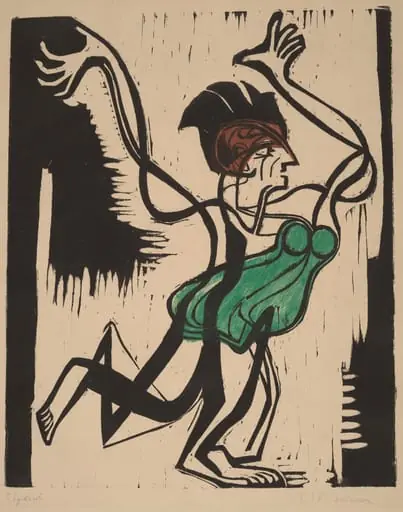 Palucca
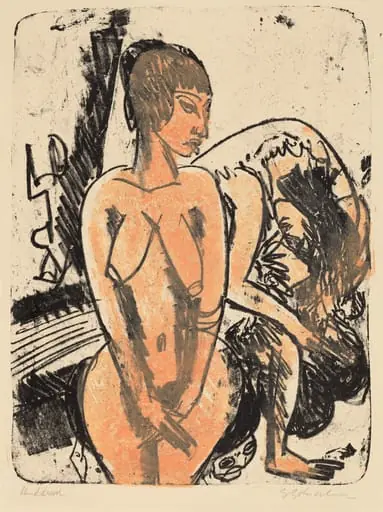 Two Women (Zwei Frauen)
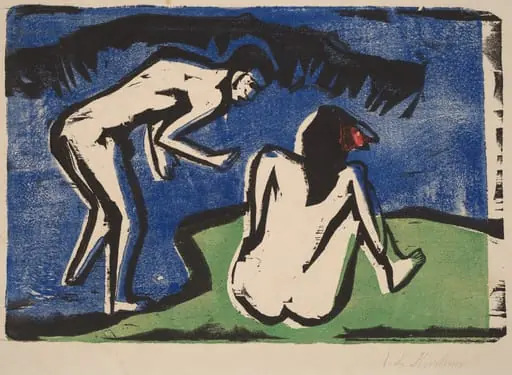 Bathing Couple
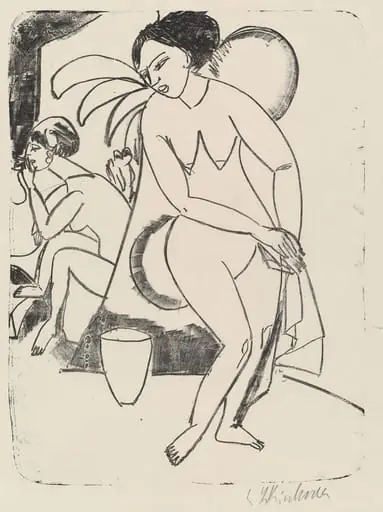 Naked Girls in the Studio (Nackte Mädchen im Atelier)
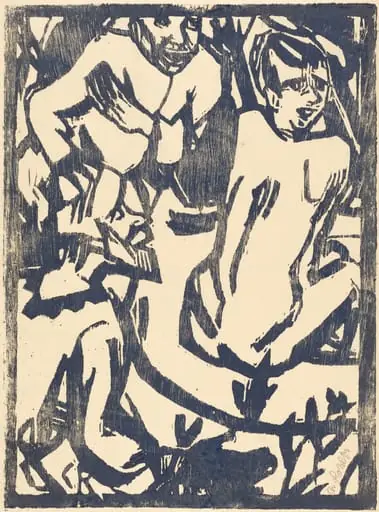 Susanna and the Elders
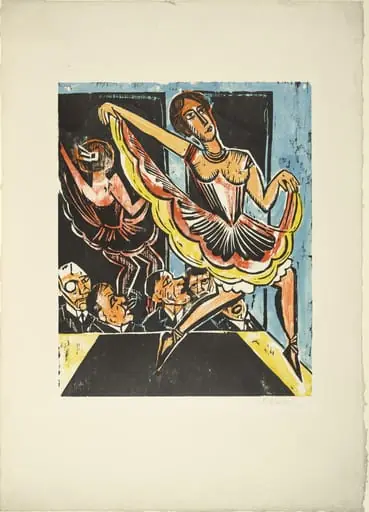 Untitled
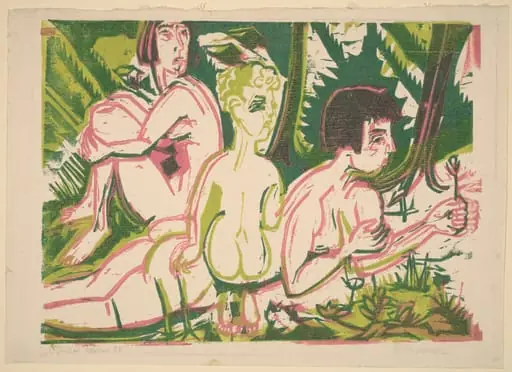 Nude Women with a Child in the Forest
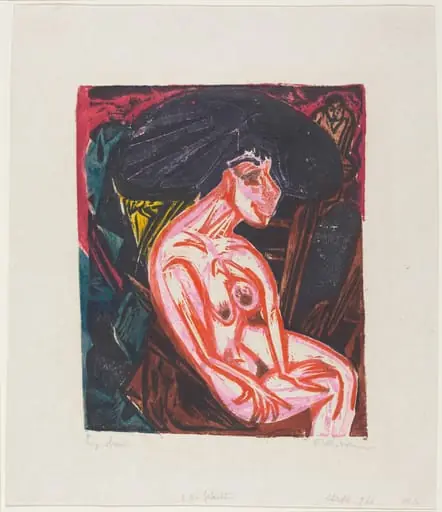 Peter Schlemihls wundersame Geschichte: Die Geliebte (Peter Schlemihl's Wondrous Story: The Beloved)
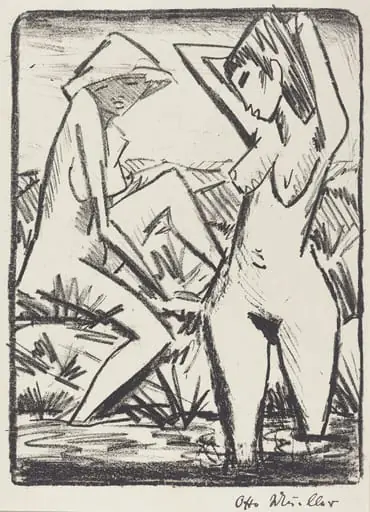 Standing Girl in Water and the Other Sitting on Shore (Im Wasser stehendes und am Ufer sitzendes Madchen mit Hut)
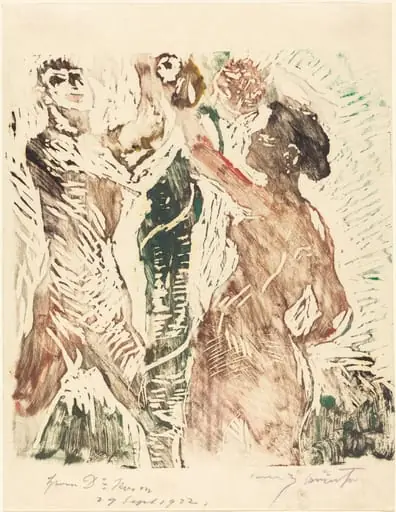 The Fall of Man (Der Sündenfall)
 Dancers in Studio
 Performer Bowing