Artwork
Self-Portrait
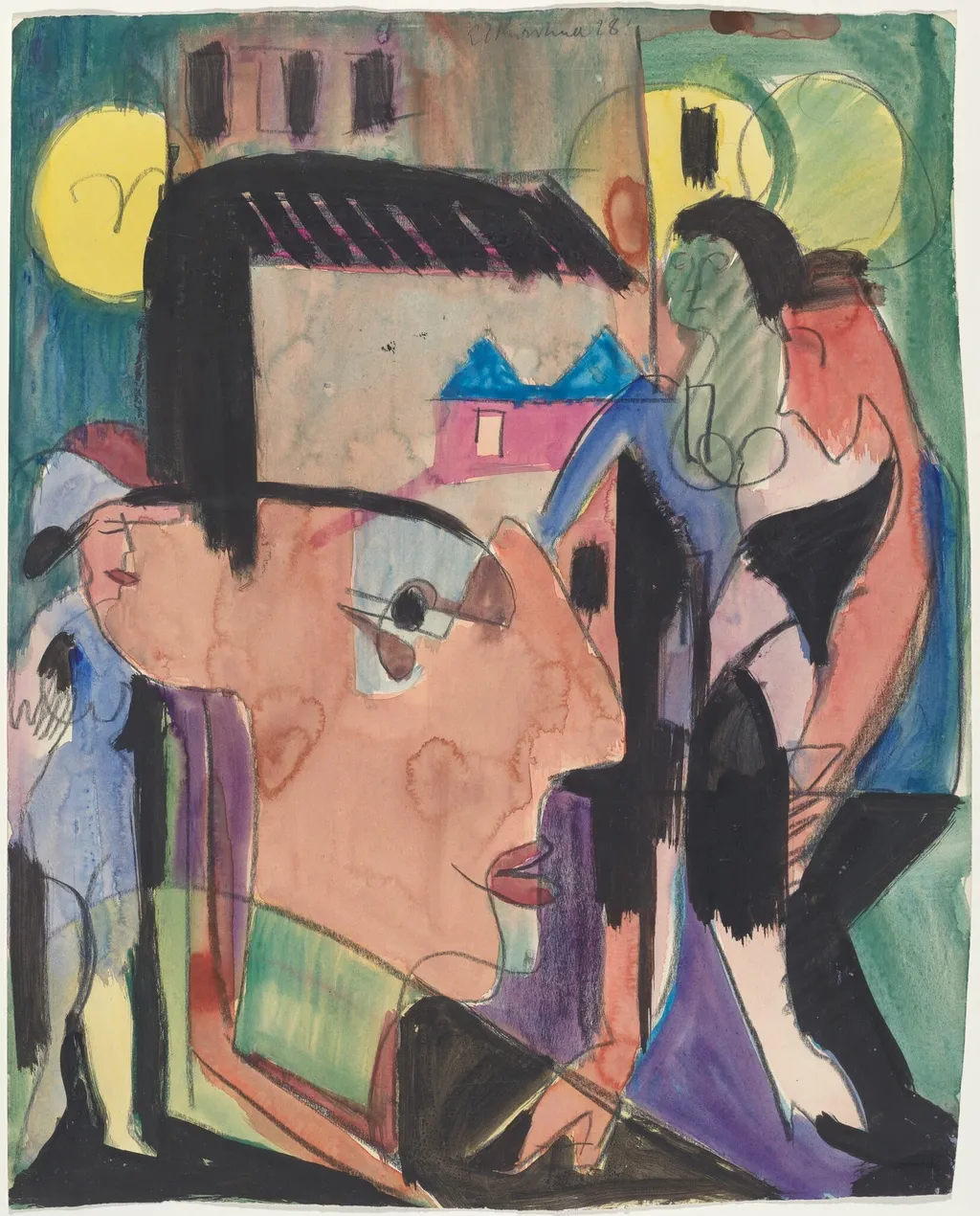
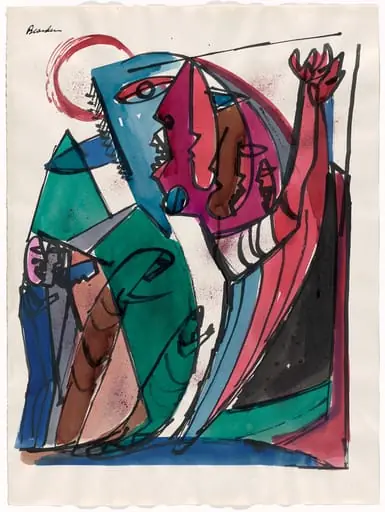
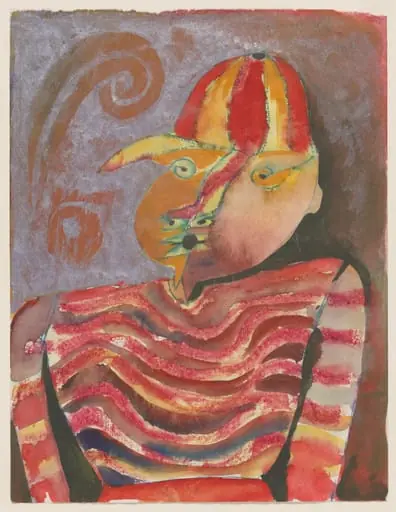
Self-Portrait is an ink drawing by Ernst Ludwig Kirchner. It dates from 1928 and is held in the collection of the National Gallery of Art.
About this work
If you're interested in learning more about the artist's work, you might want to check out other pieces by Kirchner, Ernst Ludwig.
This painting is a self-portrait of the artist, created in 1928. It's done in brush, ink with watercolor over black crayon on paper. The image shows a person with a large head and face, with a few other figures in the background.
The artist's use of bold lines and vibrant colors creates a dynamic and expressive portrait. The painting's abstract style gives it a sense of movement and energy.
If you're interested in learning more about the artist's work, you might want to check out other pieces by Kirchner, Ernst Ludwig.
Overview
Ernst Ludwig Kirchner’s 1928 self‑portrait presents the artist’s own likeness rendered on paper with a combination of brush, ink, watercolor and black crayon. The composition centers a disproportionately large head and face, while faint, simplified figures occupy the background, giving the work a layered, almost theatrical quality. The piece reflects Kirchner’s mature period, shortly before his forced exile from the German art scene.
Subject & Meaning
The drawing functions as a direct study of Kirchner’s identity, emphasizing the psychological intensity of the gaze rather than a literal likeness. The exaggerated proportions and stark contrasts convey inner tension, suggesting the artist’s awareness of his precarious position within a rapidly changing cultural climate. The presence of additional, indistinct figures hints at external pressures or societal forces surrounding the individual.
Technique & Style
Kirchner employed a mixed media approach: a foundation of black crayon outlines is overlaid with ink washes and watercolor pigments applied with a brush. The bold, gestural lines and saturated hues generate a sense of movement, while the abstracted forms align with Expressionist goals of conveying emotion over realism. The paper support allows the artist to exploit translucency and texture, enhancing the work’s dynamic surface.
History & Provenance
Created in the late 1920s, the portrait predates the Nazi regime’s condemnation of modern art. In 1933, Kirchner’s oeuvre, including works like this self‑portrait, was classified as “degenerate,” leading to confiscation and marginalisation. The piece survived the period of suppression and now serves as a testament to Kirchner’s resilience and the broader challenges faced by avant‑garde artists under totalitarian rule.
Artist & collection
Artist
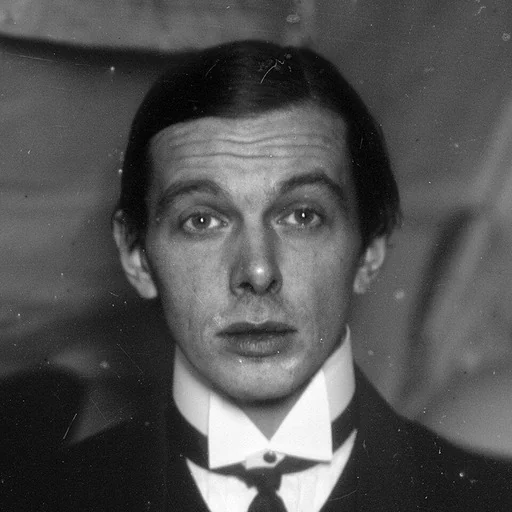
Ernst Ludwig Kirchner (6 May 1880 – 15 June 1938) was a German expressionist painter and printmaker.

![Dance Hall Bellevue [obverse], by Ernst Ludwig Kirchner](https://artifactworldgallery.com/img/ernst-ludwig-kirchner--dance-hall-bellevue-obverse--d1e14aac4297c69e-w320.webp)
![Nude Figure [reverse], by Ernst Ludwig Kirchner](https://artifactworldgallery.com/img/ernst-ludwig-kirchner--nude-figure-reverse--4b135f0364753e98-w320.webp)
![Two Nudes [obverse], by Ernst Ludwig Kirchner](https://artifactworldgallery.com/img/ernst-ludwig-kirchner--two-nudes-obverse--eb3914183f0bc96d-w320.webp)
![Dancing Couple in the Snow [reverse], by Ernst Ludwig Kirchner](https://artifactworldgallery.com/img/ernst-ludwig-kirchner--dancing-couple-in-the-snow-reverse--87ca007d7c05b553-w320.webp)