Artwork
In the Box
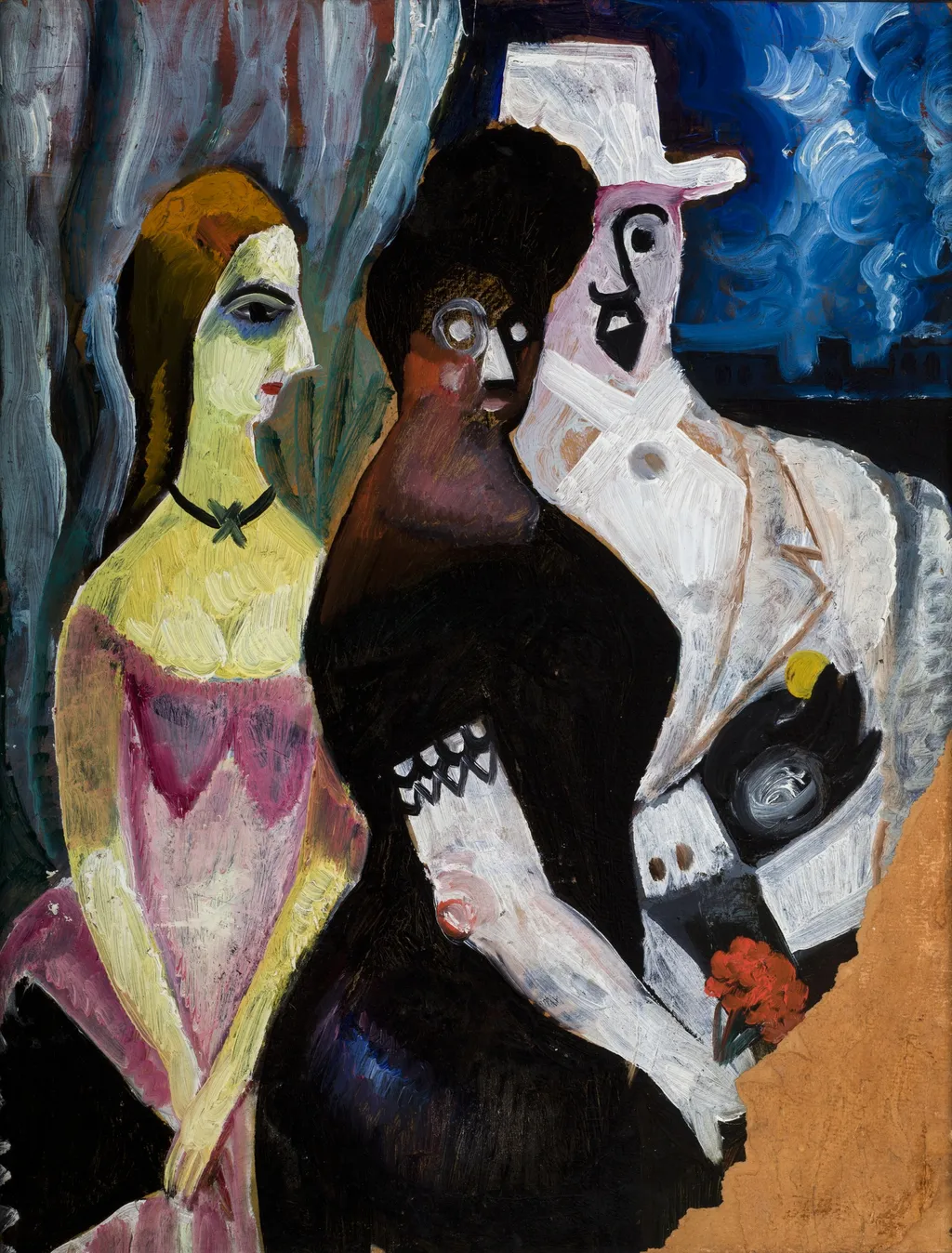
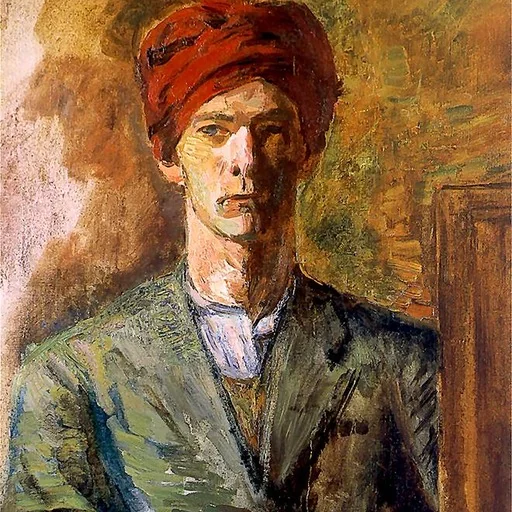
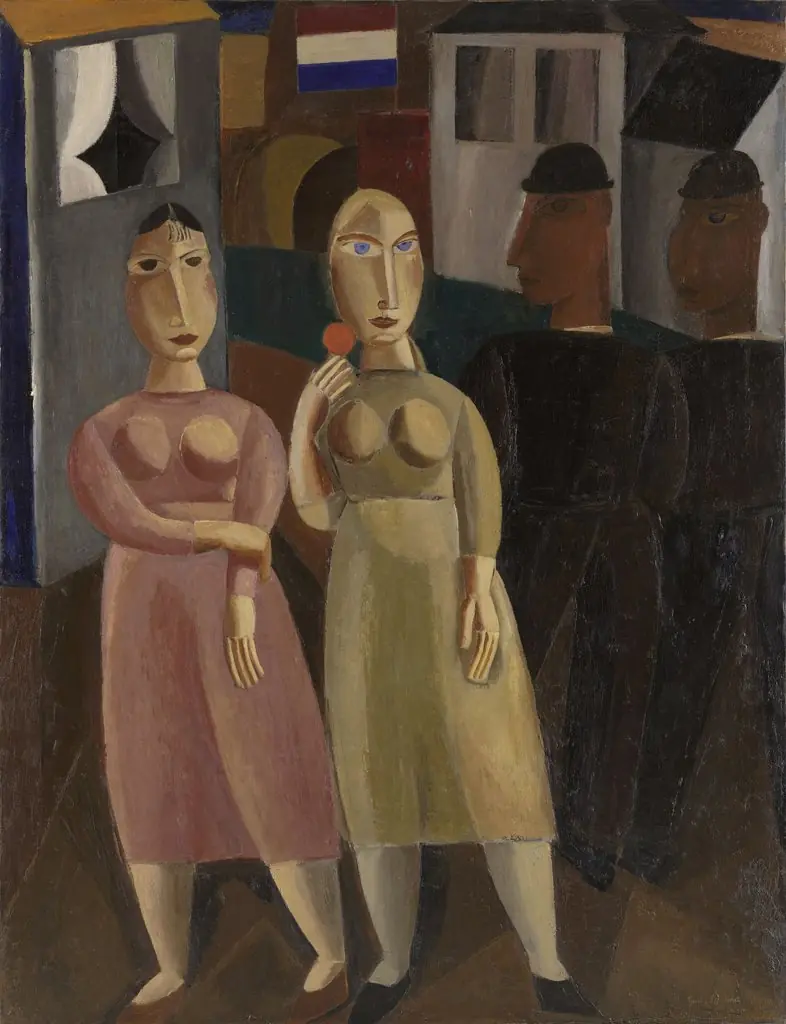
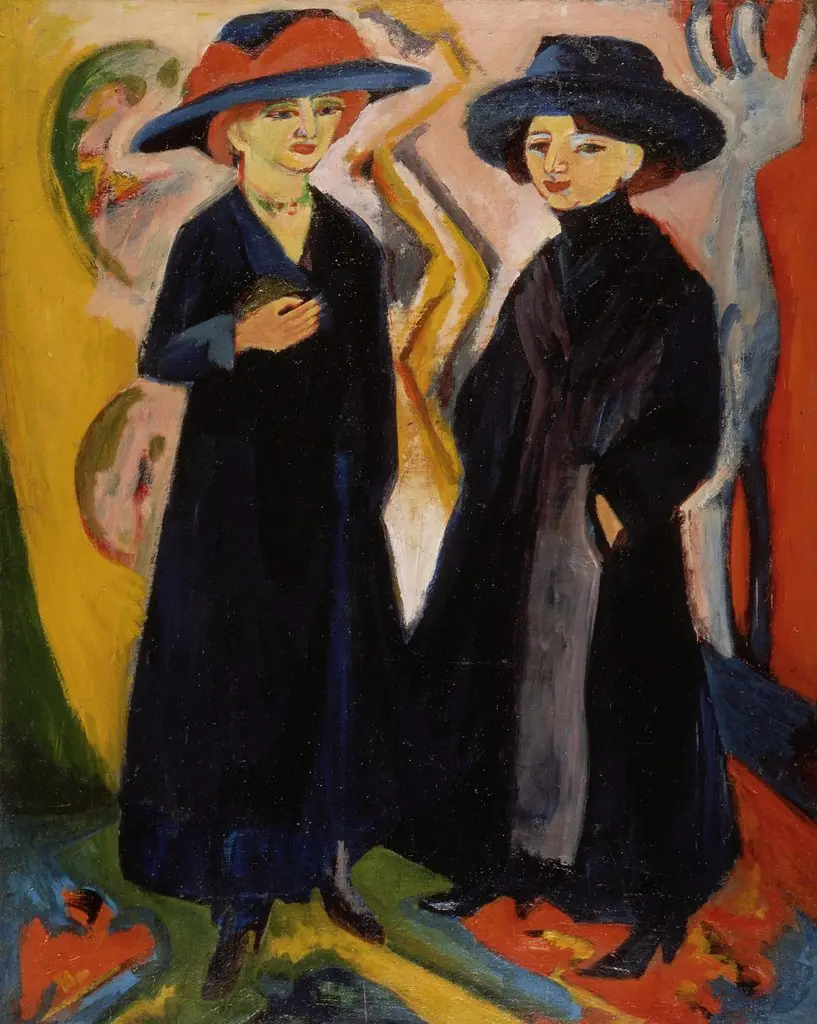
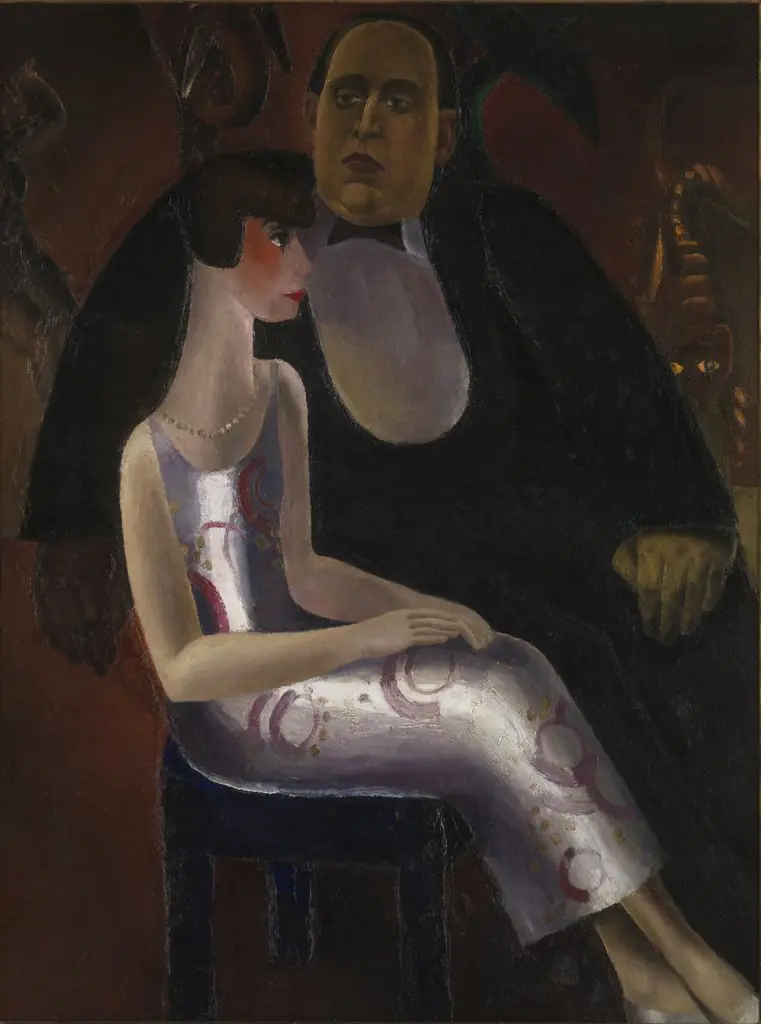
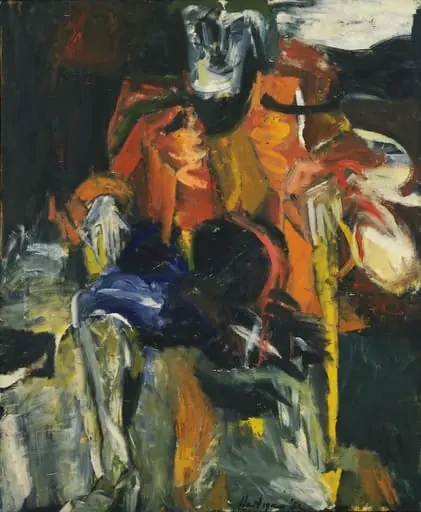
In the Box is an oil painting by the Post-Impressionist artist Zygmunt Waliszewski. It dates from 1922 and is held in the collection of the National Museum in Kraków.
About this work
Overview
The work is held in the collection of the National Museum in Kraków, reflecting its significance within early 20th-century Polish art.
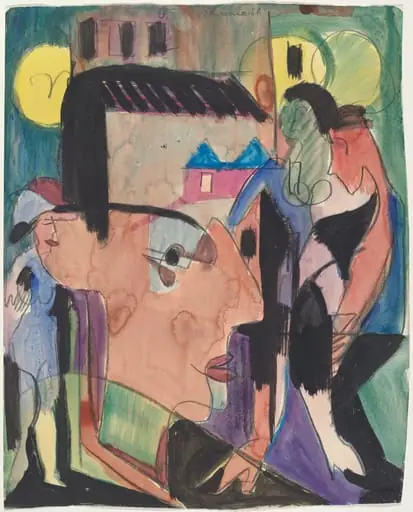
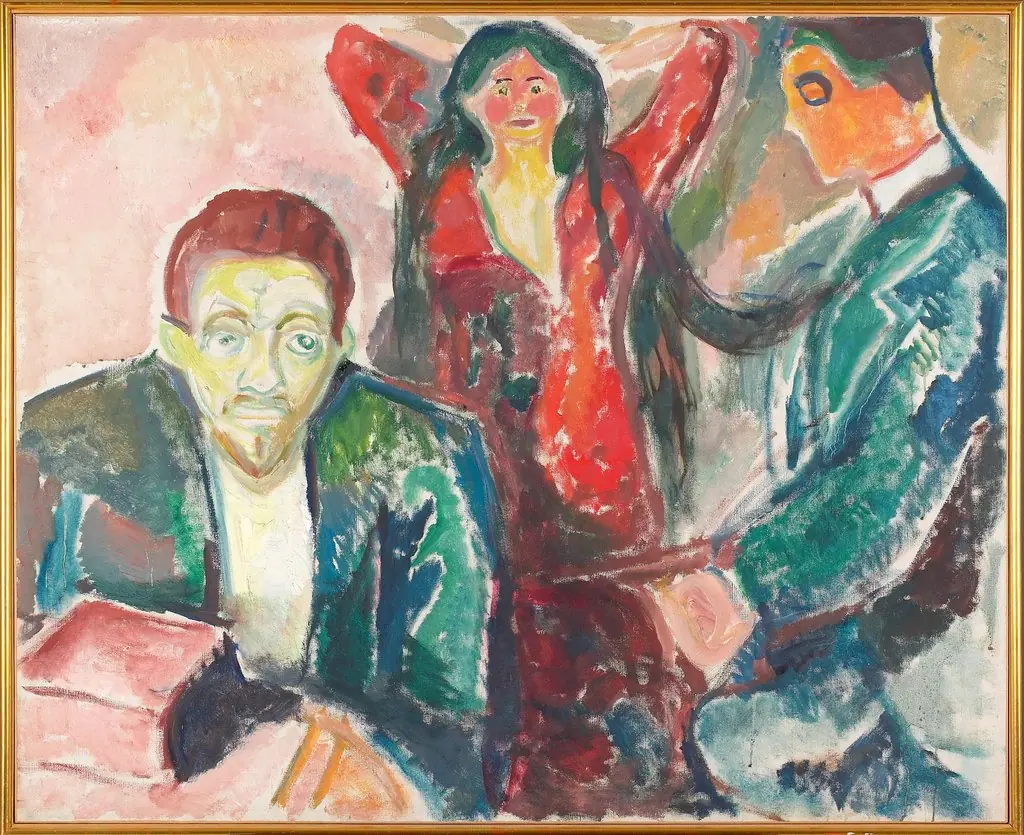
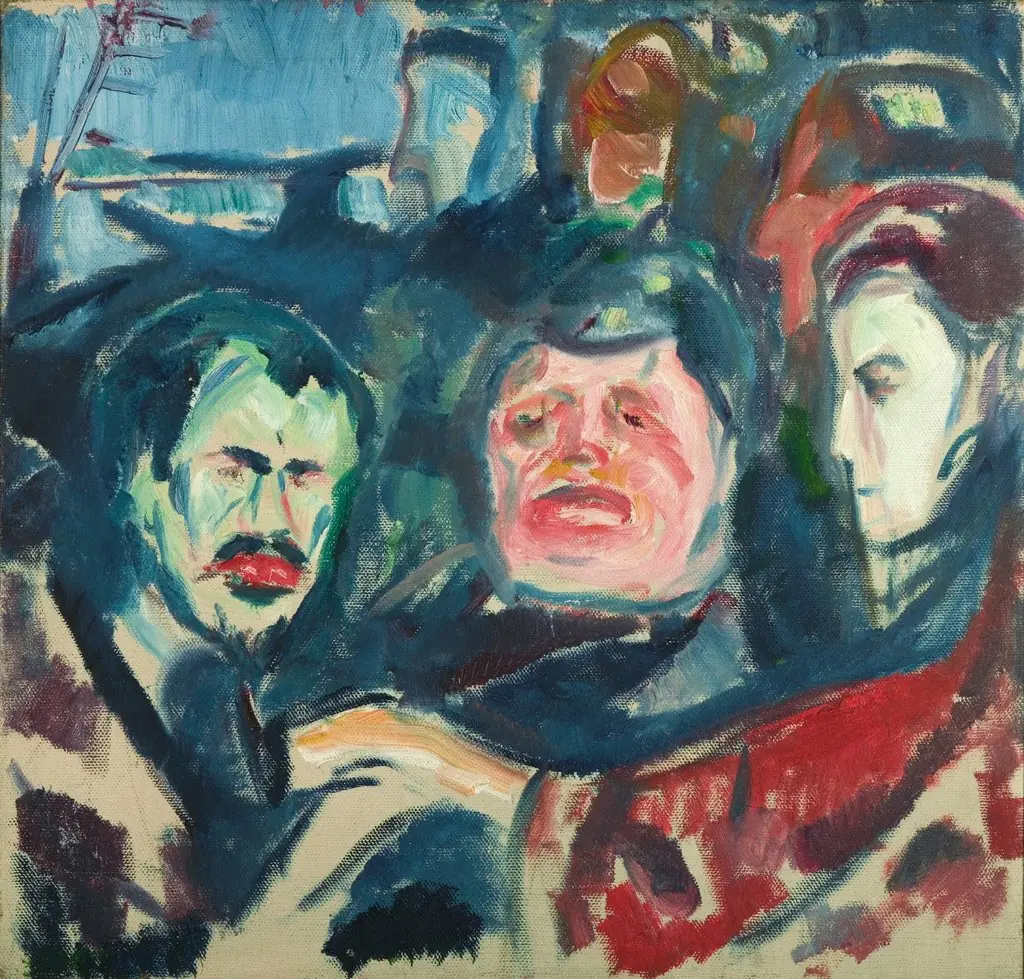
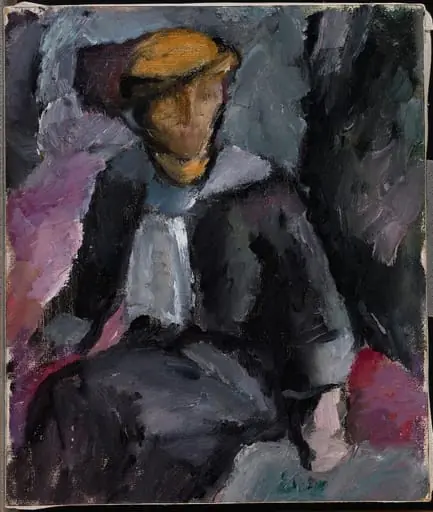
Created in 1922, this double-sided oil painting by Zygmunt Waliszewski presents two distinct compositions on a single wooden panel. One side features a self-portrait; the other, a group of three figures in close proximity. The work is held in the collection of the National Museum in Kraków, reflecting its significance within early 20th-century Polish art. Its dual nature invites simultaneous viewing, challenging conventional portrait formats.
Subject & Meaning
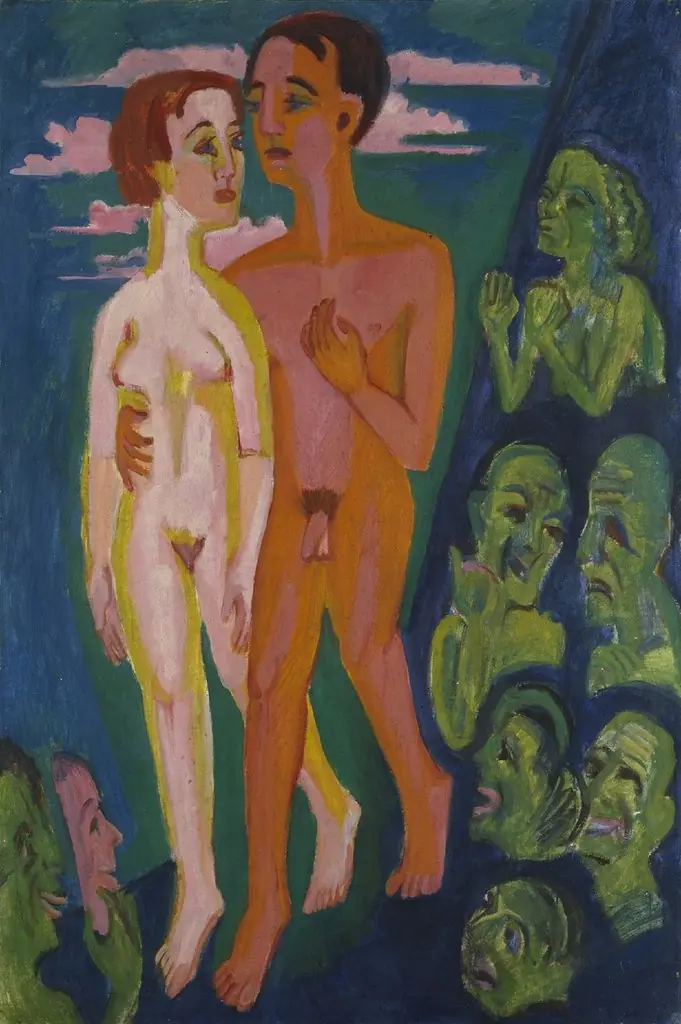
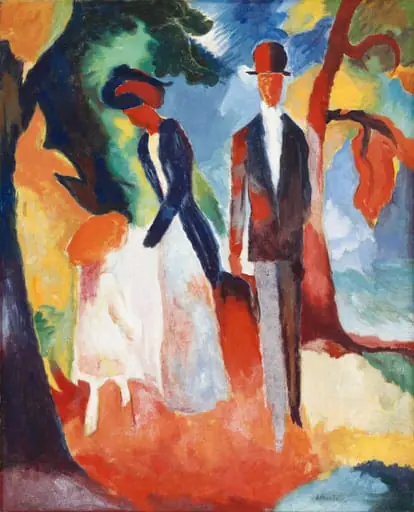
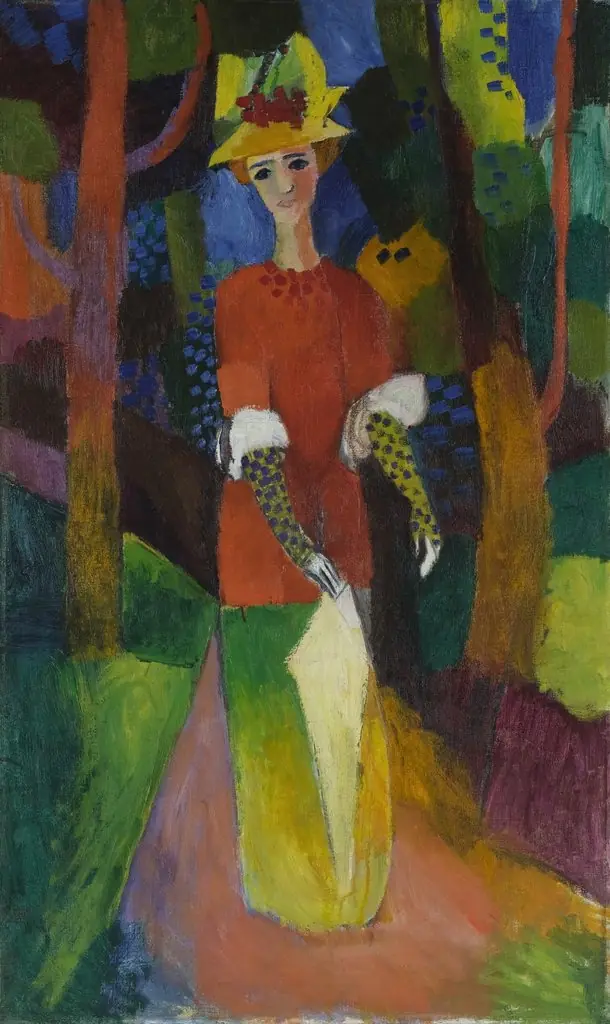
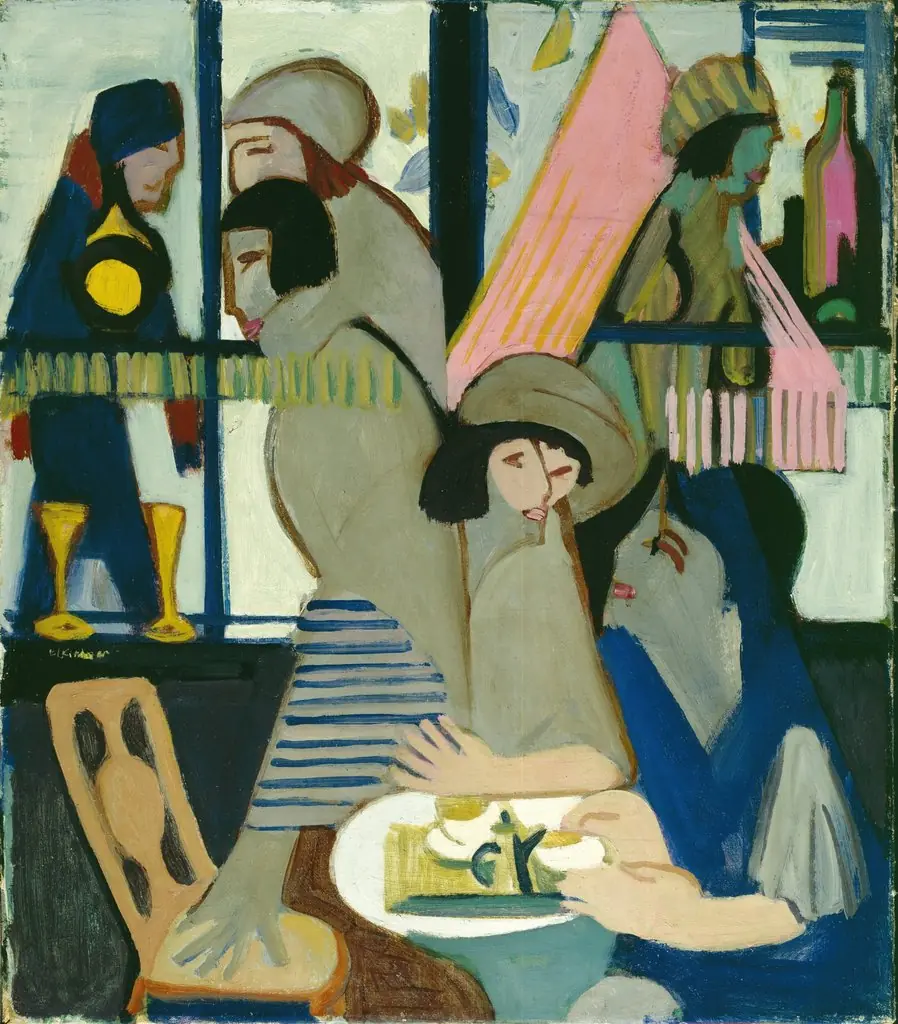
The figures depicted appear to represent a personal or symbolic ensemble rather than a literal scene. The central shirtless figure, dark-skinned and gloved, may allude to labor, exoticism, or identity. The figure on the right holds a red flower, suggesting emotion or ritual. The leftmost figure, in yellow with a black bow, introduces a formal contrast. Together, they form an enigmatic trio, possibly reflecting the artist’s inner world or social observations.
Technique & Style
Waliszewski applied oil paint with thick, irregular brushstrokes, creating a tactile, uneven surface. Color is used boldly but without gradation—shadows and highlights are absent, flattening spatial depth. The palette is restrained yet intense, emphasizing form over realism. This approach aligns with Expressionist tendencies, prioritizing emotional resonance over naturalistic detail, and rejecting academic conventions of modeling.
History & Provenance
The painting was completed in 1922, during a period of cultural redefinition in Poland after regaining independence. It entered the National Museum in Kraków’s collection shortly after its creation, likely through direct acquisition or donation by the artist. Its preservation suggests early recognition of its experimental nature, though it remained outside mainstream artistic discourse for decades.
Context
Waliszewski worked amid the rise of modernist movements in interwar Poland, where artists experimented with identity, form, and symbolism. This painting reflects broader European trends—Expressionism’s emotional intensity, Primitivism’s engagement with the 'other'—while resisting easy categorization. Its dual-sided structure may respond to the fractured sense of self common in postwar society, merging private and public personas.
Legacy
Though not widely exhibited during his lifetime, the work has gained scholarly attention as an early example of Polish modernist experimentation. Its unorthodox composition and psychological ambiguity continue to inform interpretations of interwar Polish art. The painting remains a quiet but persistent reference point for studies of identity, duality, and the boundaries of portraiture in Eastern European modernism.
Own this work as a print
Artist & collection