Artwork
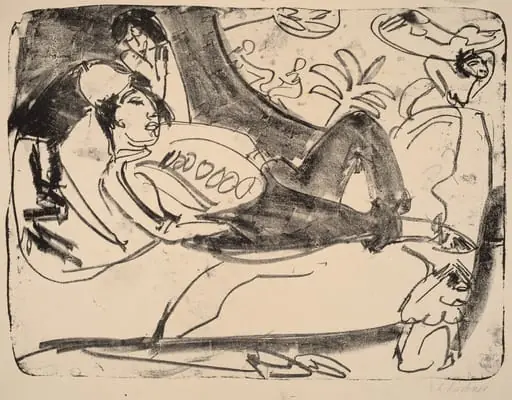
Woman Lying on a Sofa
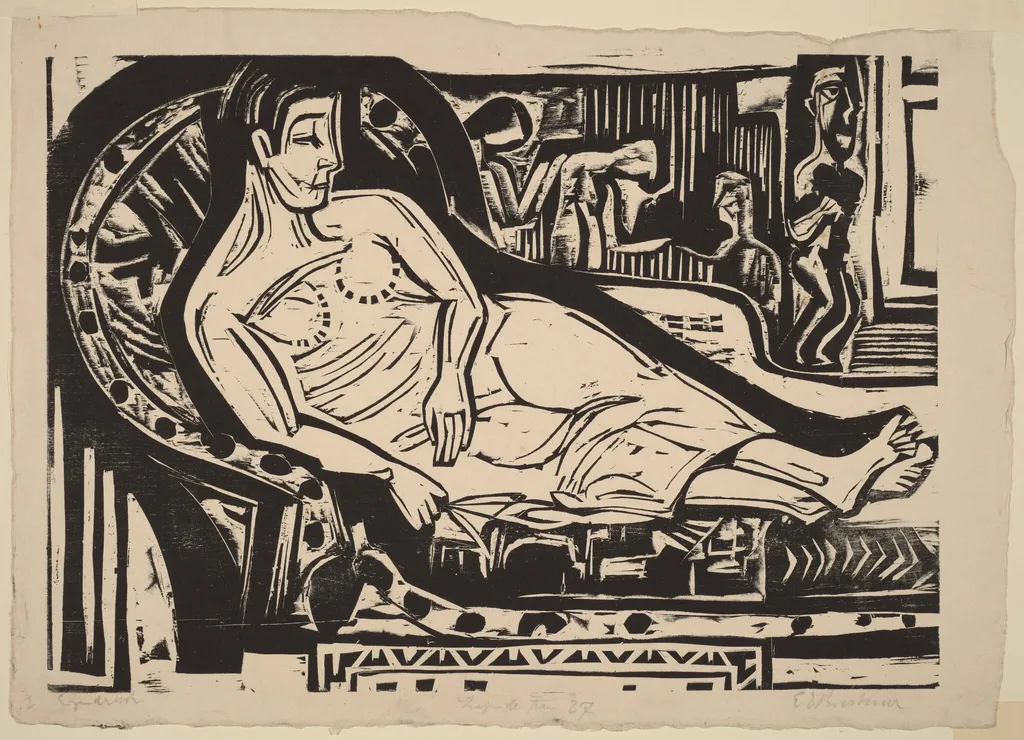
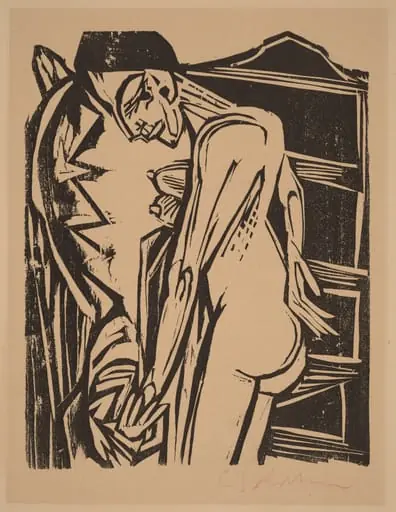
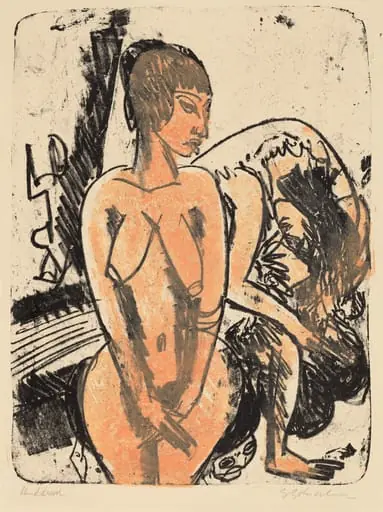
Woman Lying on a Sofa is an ink print by Ernst Ludwig Kirchner. It dates from 1926 and is held in the collection of the National Gallery of Art.
About this work
Overview
Ernst Ludwig Kirchner produced the woodcut *Woman Lying on a Sofa* in 1926. Executed entirely in black ink, the print presents a solitary nude figure reclined on a sofa, her profile turned away from the viewer. The composition is dominated by stark contrasts between the dark background and the lighter tones that suggest the woman's skin, creating a focused, intimate scene.
Subject & Meaning
The work portrays a woman in a relaxed pose, her legs extended and arms resting on the sofa, conveying a sense of quiet repose. The profile view and the absence of surrounding narrative elements emphasize the figure’s bodily presence, inviting contemplation of the private, unguarded moment rather than a specific story or allegory.
Technique & Style
Kirchner employed the woodcut process, carving the image into a wooden block and printing it in a single black layer. The design relies on bold, decisive lines and simplified geometric shapes to suggest volume and depth, characteristic of his later expressionist approach, where form is reduced to essential contours and tonal contrast.
History & Provenance
Created after Kirchner’s return from military service and his subsequent mental breakdown, the print belongs to the artist’s later period, when he turned increasingly to printmaking. As a member of the founding group Die Brücke, Kirchner’s output during this time reflects a shift toward more introspective subjects, and the piece remains documented within his post‑war oeuvre.
Own this work as a print
Artist & collection
Artist
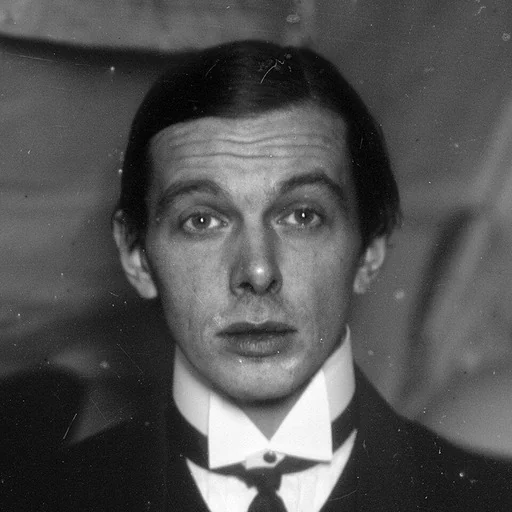
Ernst Ludwig Kirchner (6 May 1880 – 15 June 1938) was a German expressionist painter and printmaker.

![Dance Hall Bellevue [obverse], by Ernst Ludwig Kirchner](https://artifactworldgallery.com/img/ernst-ludwig-kirchner--dance-hall-bellevue-obverse--d1e14aac4297c69e-w320.webp)
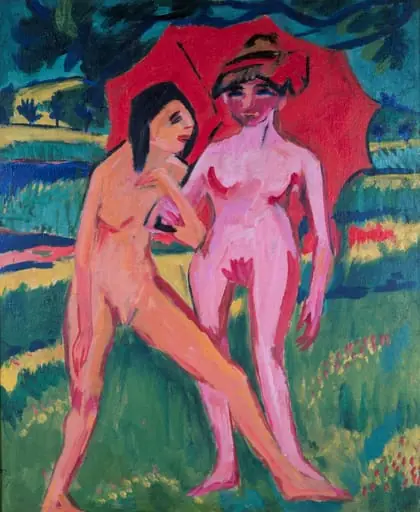
![Nude Figure [reverse], by Ernst Ludwig Kirchner](https://artifactworldgallery.com/img/ernst-ludwig-kirchner--nude-figure-reverse--4b135f0364753e98-w320.webp)
![Two Nudes [obverse], by Ernst Ludwig Kirchner](https://artifactworldgallery.com/img/ernst-ludwig-kirchner--two-nudes-obverse--eb3914183f0bc96d-w320.webp)
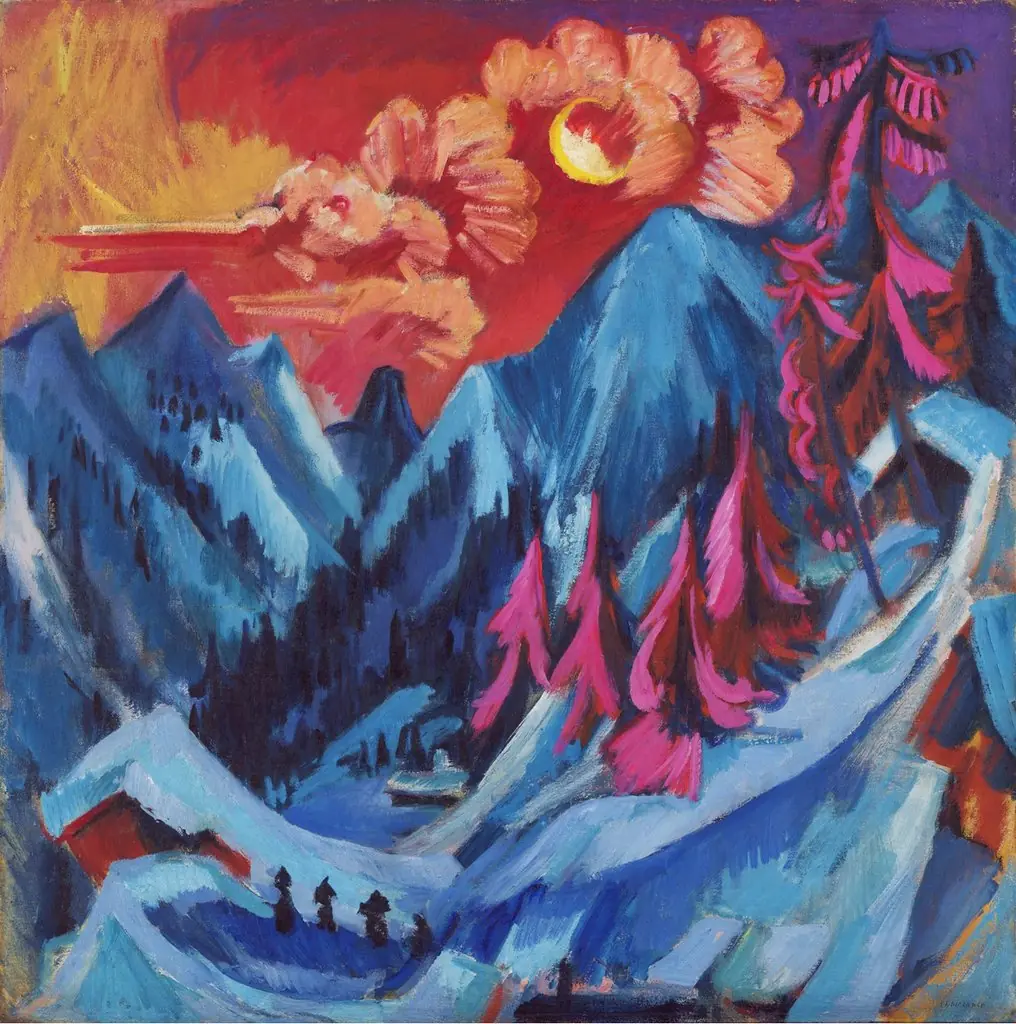
![Dancing Couple in the Snow [reverse], by Ernst Ludwig Kirchner](https://artifactworldgallery.com/img/ernst-ludwig-kirchner--dancing-couple-in-the-snow-reverse--87ca007d7c05b553-w320.webp)