Artwork
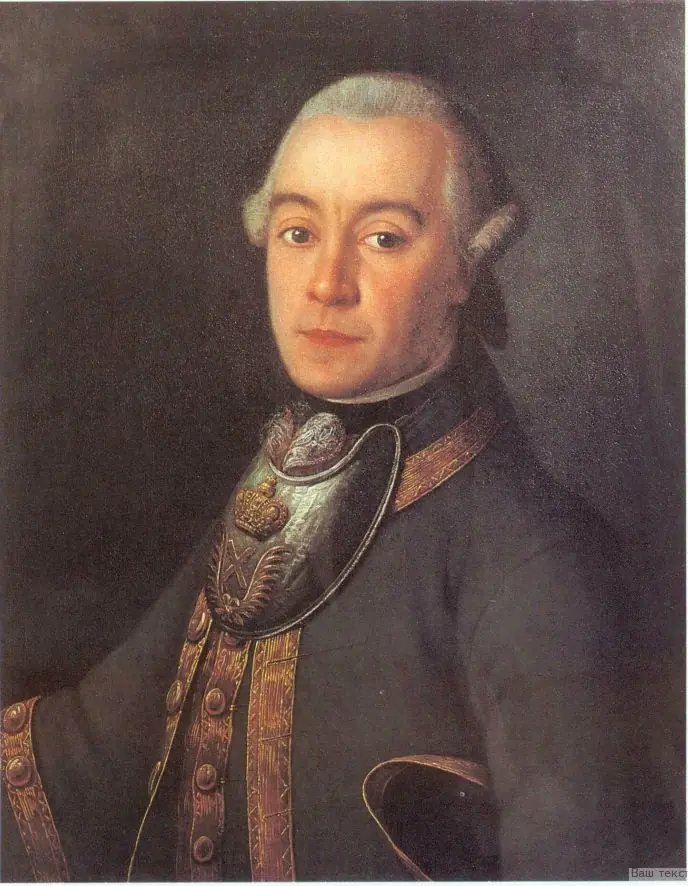
Portrait of Savva Krenitsin
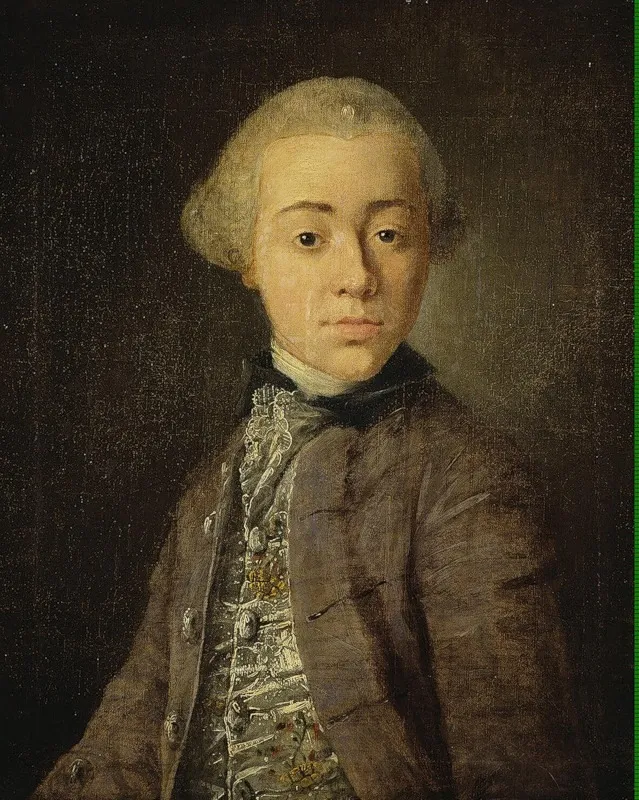
Portrait of Savva Krenitsin is an oil painting by the Rococo painting artist Kirill Golovachevskiy. It dates from 1750 and is held in the collection of the Hermitage Museum. This oil portrait, dated around 1750, depicts Savva Krenitsin, a Russian official of the mid-18th century.
About this work
The artist's use of oil paint and the level of detail in the subject's clothing and facial expression indicate a high level of skill and attention to detail.
This portrait features a man with light skin and short, light-colored hair. He is dressed in a brown jacket over a patterned shirt, with a white collar visible at his neck. The background of the painting is dark, which helps to accentuate the subject's features.
The man's attire and hairstyle suggest that the portrait was painted during the 18th century. The artist's use of oil paint and the level of detail in the subject's clothing and facial expression indicate a high level of skill and attention to detail.
The painting is held at the State Hermitage Museum, which is known for its extensive collection of artworks from around the world.
Overview
This oil portrait, dated around 1750, depicts Savva Krenitsin, a Russian official of the mid-18th century. Painted by Kirill Golovachevskiy, it is part of the State Hermitage Museum’s collection in Saint Petersburg. The work exemplifies the portraiture tradition of the Russian imperial court, emphasizing individual identity through careful rendering of dress and expression. Its preservation reflects its historical significance within Russia’s artistic heritage.
Subject & Meaning
Savva Krenitsin is portrayed with quiet composure, his gaze direct and unadorned. His attire—a brown jacket over a patterned shirt and a crisp white collar—signals his status as a member of the administrative or merchant elite. The absence of symbolic objects or grand setting suggests a preference for realism over allegory, aligning with emerging Enlightenment ideals that valued individual character over inherited rank.
Technique & Style
Golovachevskiy employed oil paint with restrained brushwork to capture subtle textures: the weave of fabric, the sheen of skin, and the softness of hair. The dark, unmodeled background isolates the figure, focusing attention on facial expression and clothing details. The lighting is even and naturalistic, avoiding dramatic contrasts, which reflects a preference for clarity and restraint over theatricality common in early Russian portraiture.
History & Provenance
The painting entered the Hermitage’s collection in the 18th or early 19th century, likely through imperial acquisition or donation. Its survival through centuries of political change underscores its perceived cultural value. While little is documented about Krenitsin’s personal life, the portrait’s inclusion in the museum’s holdings indicates it was recognized early as a representative work of its time.
Context
Painted during the reign of Empress Elizabeth, this portrait reflects a period when Russian elites increasingly sought to align themselves with European cultural norms. Portraiture became a tool for asserting social standing through visual precision rather than heraldic symbolism. Golovachevskiy’s work fits within a broader trend of Russian artists training in Western techniques while adapting them to local subjects and tastes.
Legacy
Though not widely known outside academic circles, the portrait remains a key example of mid-18th-century Russian secular portraiture. It contributes to the understanding of how Russian artists interpreted individual identity before the rise of more formal academic styles. Its presence in the Hermitage ensures continued study and contextual placement within the evolution of Russian visual culture.
Artist & collection

 The Court Seal Engraver Ahron Jacobson
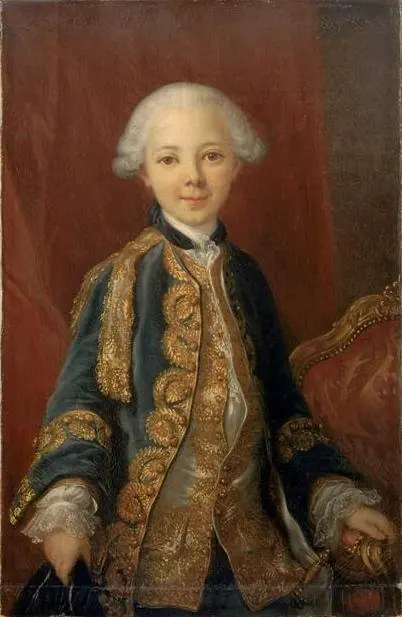 Portrait of Jean Marie de Bourbon, Duke of Châteauvillain third son of the Duke of Penthièvre (1748-1755)
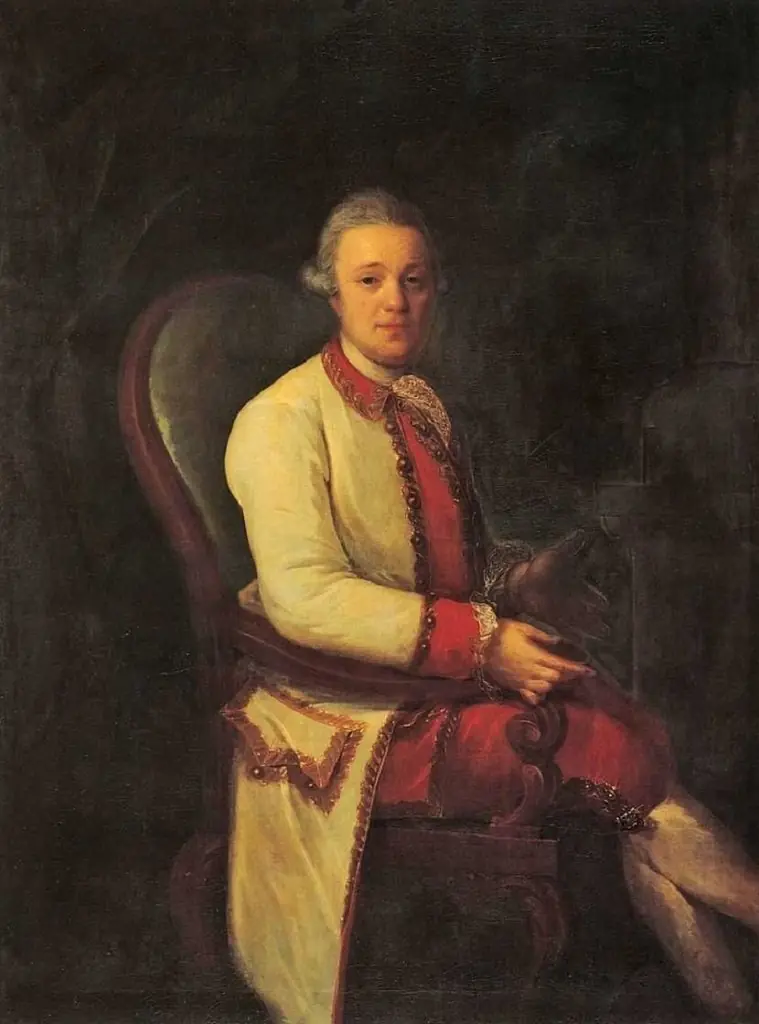 Portrait of Ivan N. Tutchev
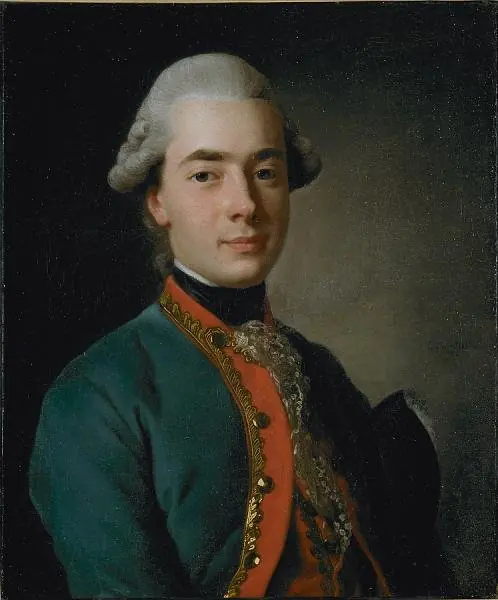 Count Andrey Kyrillovich Razumovsky
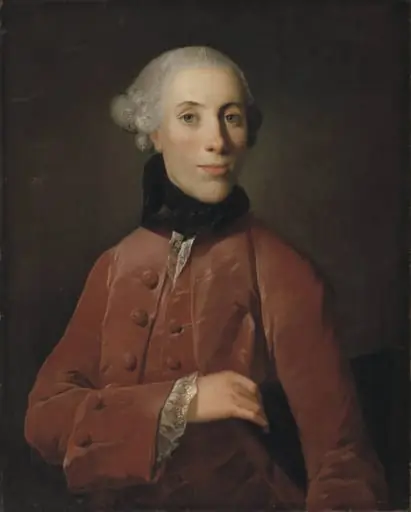 The Court Seal Engraver Ahron Jacobson
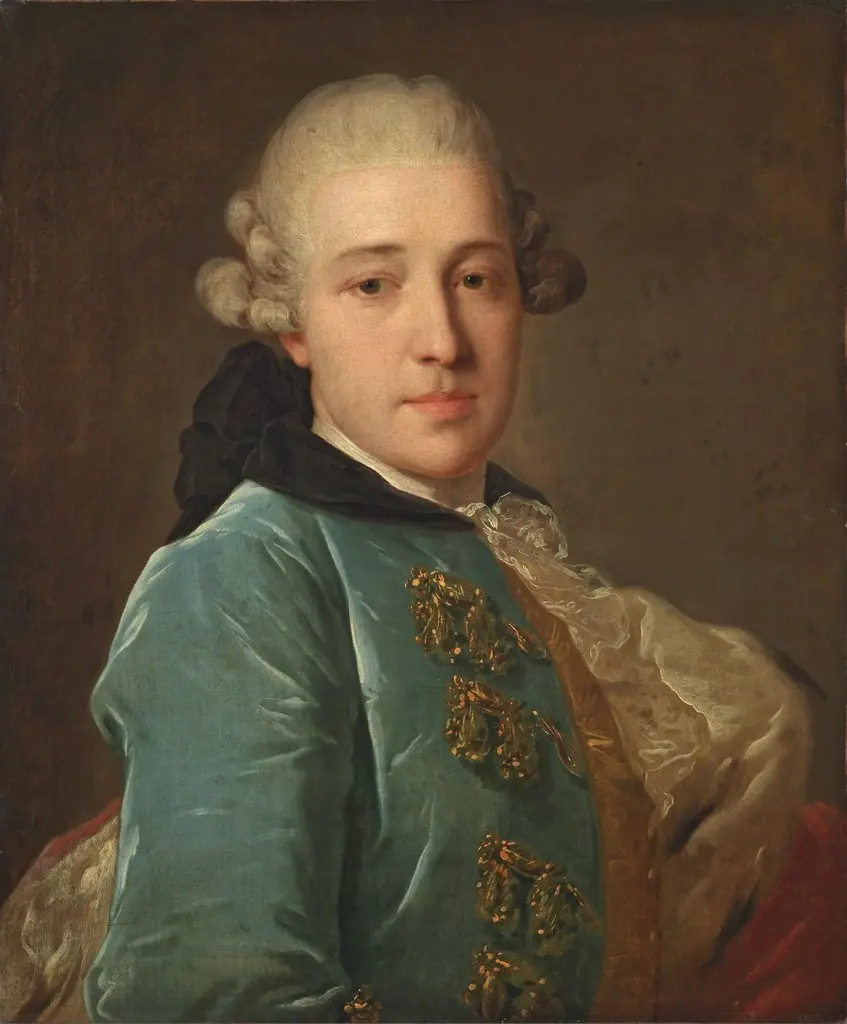 Portrait of Prince Dmitry Mikhailovich Golitsyn
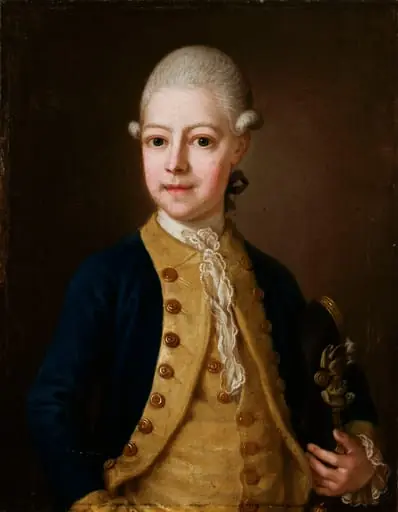 Carl Johan von Schultzenheim
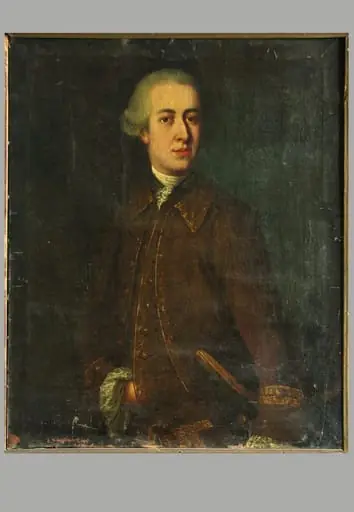 Johann Friedrich Czekelius von Rosenfeld (în Reg. Inv.: Johann Fr. von Rosenfeld)
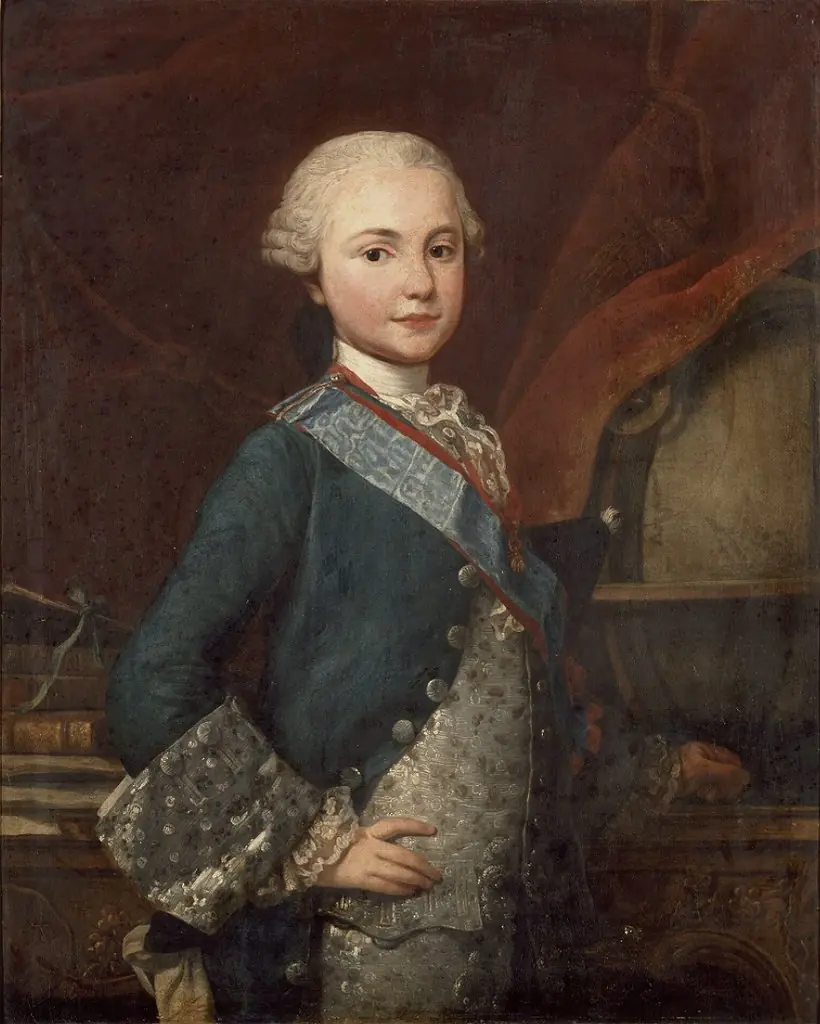 Ferdinando I of Parma
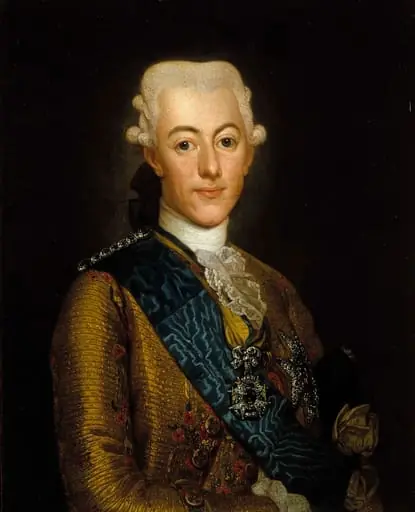 Kuningas Kustaa III
 Untitled
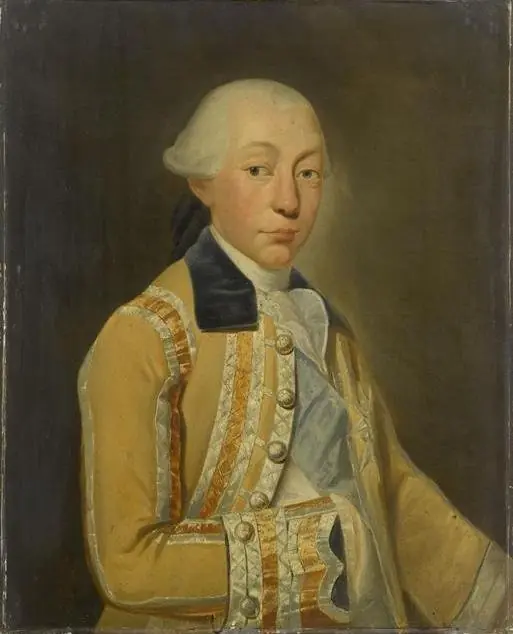 Portrait of Louis François Joseph de Bourbon, Prince of Conti in hunting costume