Artwork
Count Andrey Kyrillovich Razumovsky
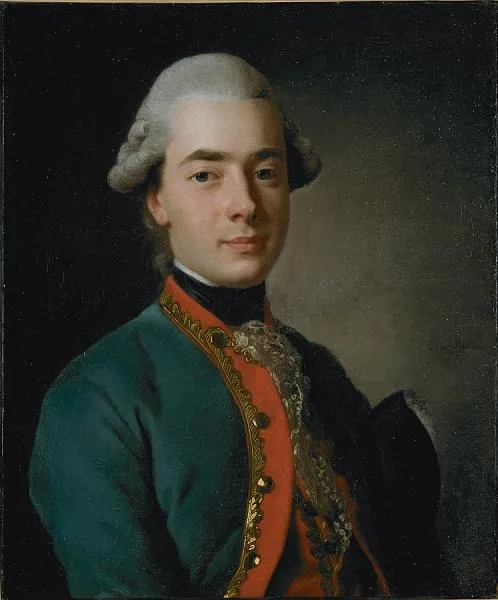
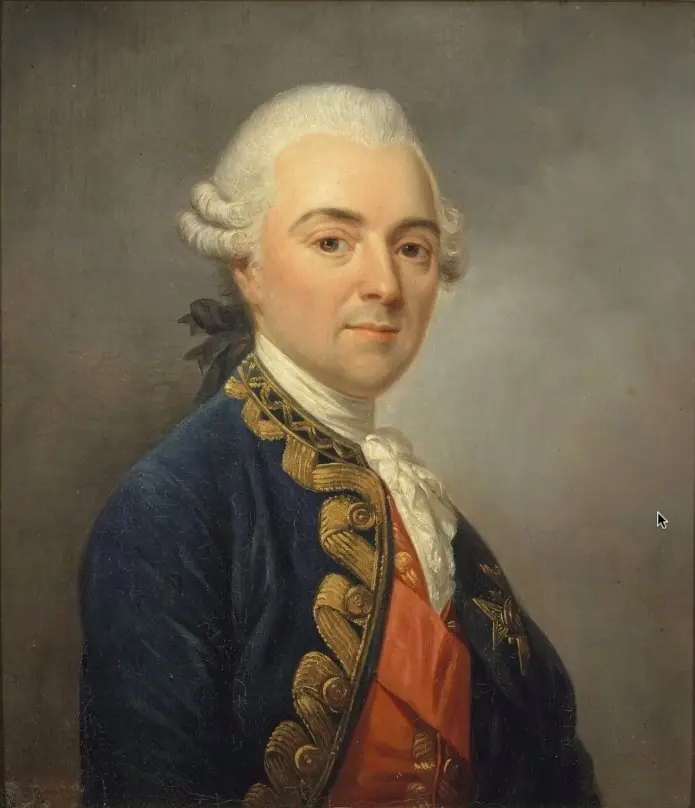
Count Andrey Kyrillovich Razumovsky is an oil painting by the Rococo painting artist Alexander Roslin. It dates from 1788 and is held in the collection of the National Gallery of Victoria.
About this work
The painting depicts a man with white hair, dressed in a green jacket with red trim and gold accents.
The painting depicts a man with white hair, dressed in a green jacket with red trim and gold accents. He wears a black turtleneck underneath, and his gaze is directed to the right.
The man's attire suggests a formal or official setting, possibly from the 18th century. The artist's use of color and detail adds depth to the portrait.
For more information on the artist behind this work, look up Alexander Roslin.
Overview
Created in 1788, this oil-on-canvas portrait presents Count Andrey Kyrillovich Razumovsky, a Russian nobleman, rendered by the Swedish painter Alexander Roslin. The composition centers the sitter, whose white hair and dignified expression convey a sense of authority. The work is part of the National Gallery of Victoria’s collection, where it exemplifies late‑18th‑century aristocratic portraiture.
Subject & Meaning
The figure is shown in a formal green jacket trimmed in red and gold, over a black turtleneck, his gaze turned to the right. The attire and composed demeanor suggest a public or diplomatic role, reflecting the count’s status within the Russian imperial hierarchy. Roslin’s careful rendering of facial features conveys both the sitter’s age and his poised confidence.
Technique & Style
Roslin employs a refined Rococo palette, balancing luminous skin tones with the deep hues of the jacket. Fine brushwork delineates the texture of silk and embroidered details, while subtle chiaroscuro models the facial planes. The artist’s skill in capturing the sheen of fabric and the sparkle of gold accents demonstrates his expertise in rendering luxurious materiality.
History & Provenance
After its completion, the portrait remained in private hands before entering the National Gallery of Victoria, where it is displayed among other European works of the period. The painting’s provenance traces a path from the Russian aristocracy through European collectors, illustrating the cross‑cultural circulation of portraiture in the late 1700s.
Context
Roslin, active across Europe, was renowned for his portraits of high‑ranking patrons, blending Swedish sensibility with the decorative elegance of the Rococo. This work aligns with his broader oeuvre, which often emphasized psychological insight alongside meticulous rendering of clothing, catering to the tastes of an elite clientele seeking to affirm their social rank through art.
Artist & collection
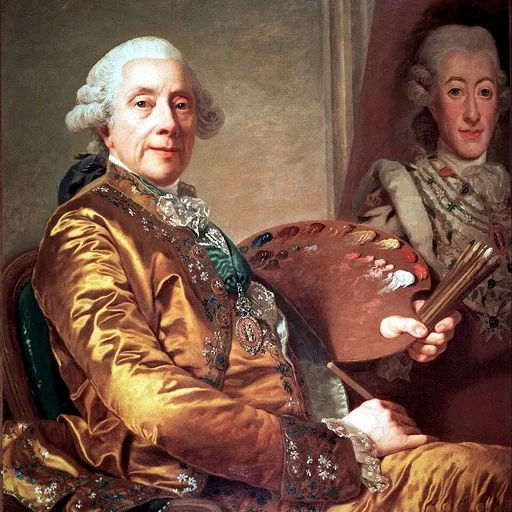
Artist
Alexander Roslin (pronounced ; spelled Alexandre in French, pronounced ; 15 July 1718 – 5 July 1793) was a Swedish painter who worked in Scania, Bayreuth, Paris, Italy, Warsaw and St.

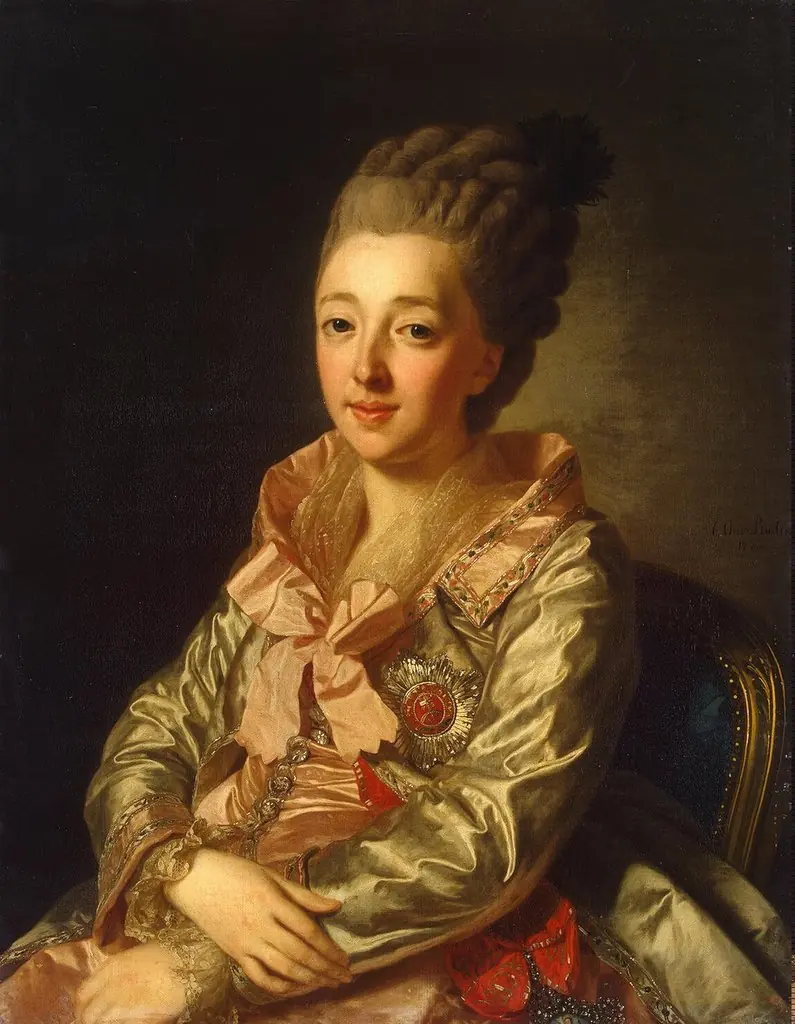 Portrait of Grand Duchess Natalia Alexeyevna
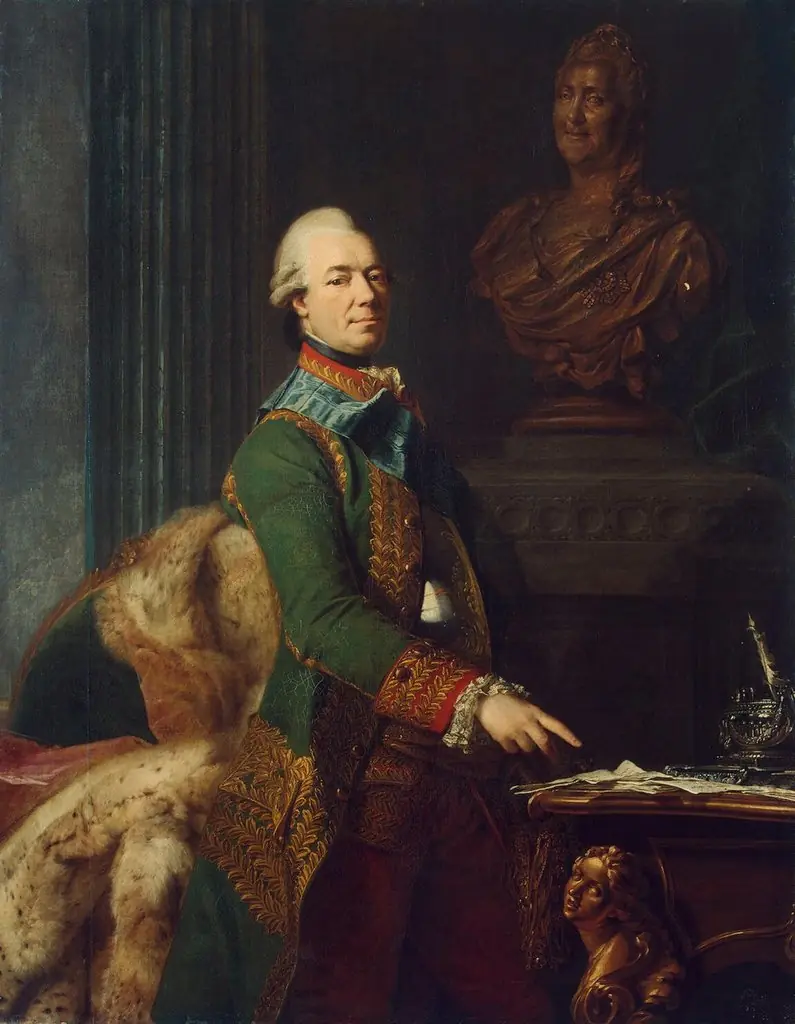 Portrait of Count Zakhar Chernyshev
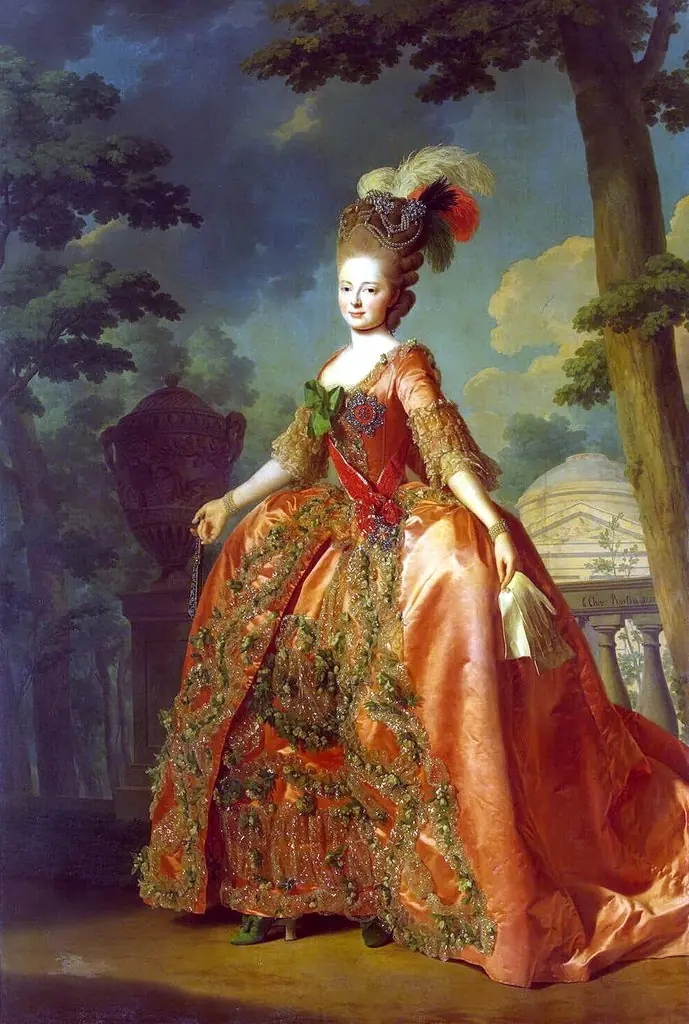 Portrait of Grand Duchess Maria Fiodorovna
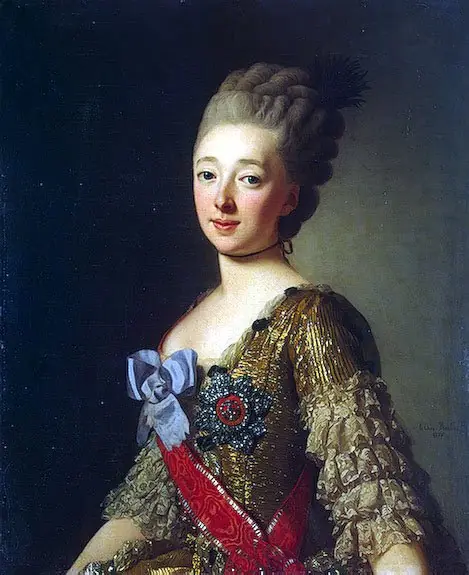 Portrait of Grand Duchess Natalia Alexeievna (Wilhelmina Louisa of Hesse-Darmstadt)
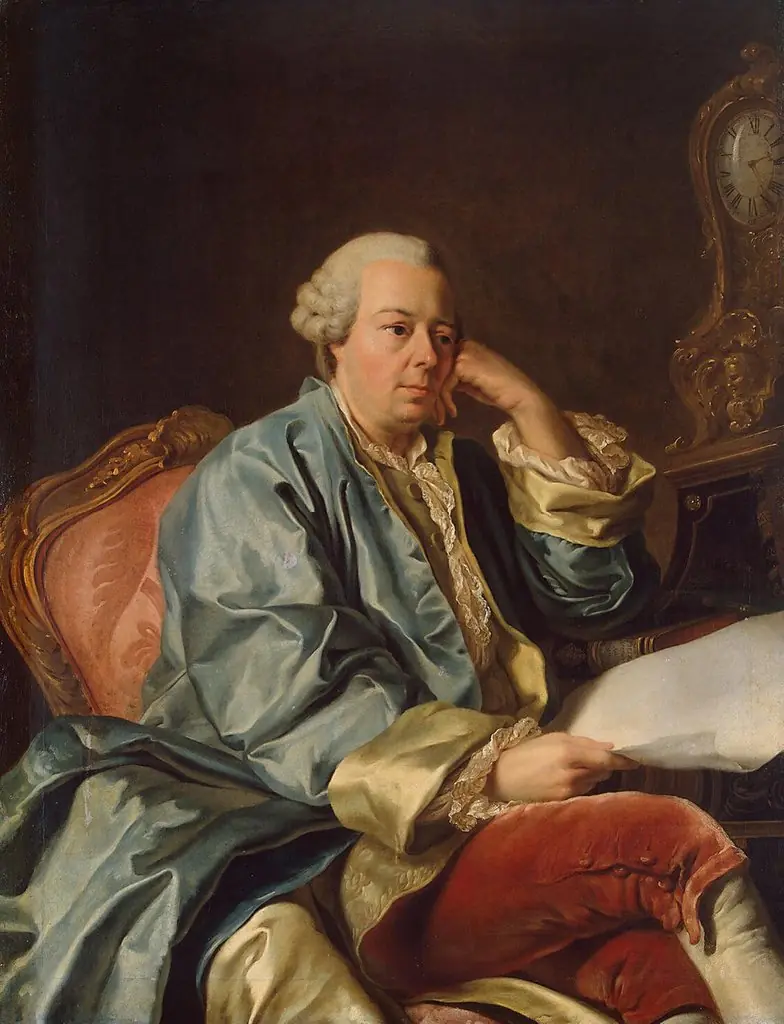 Portrait of Ivan Ivanovich Betskoi Wearing a Dressing Gown (copy)
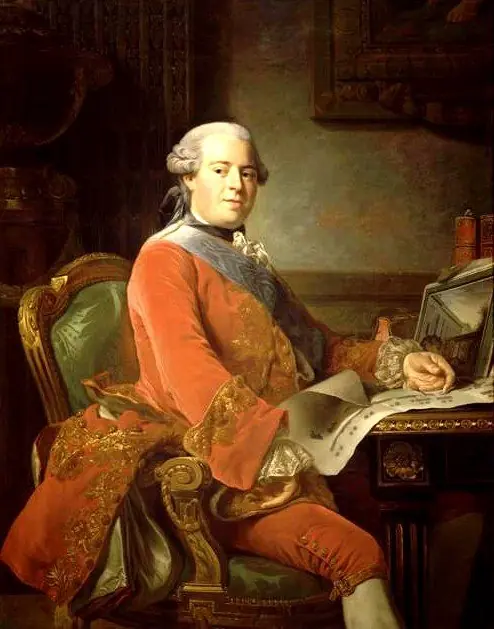 Portrait of Abel-François Poisson, marquis de Marigny
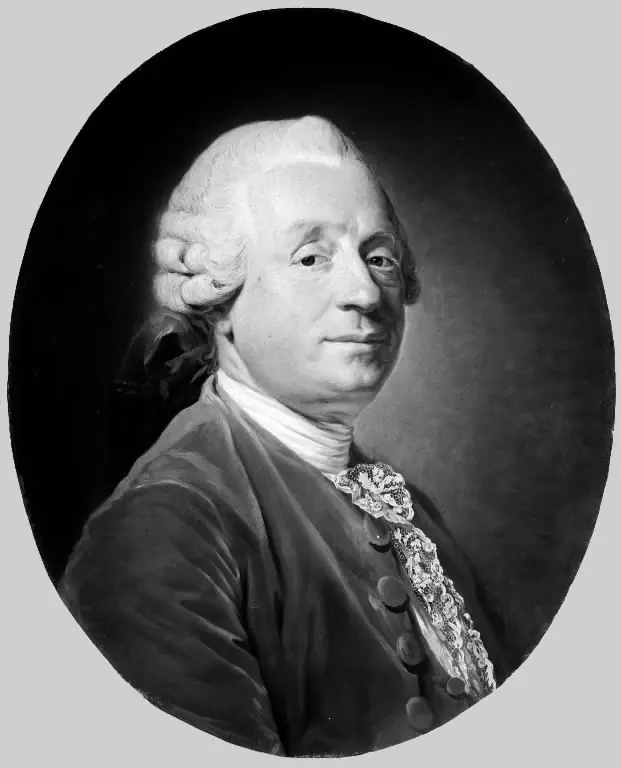 Portrait of Charles Auguste Bourlet de Vauxelles
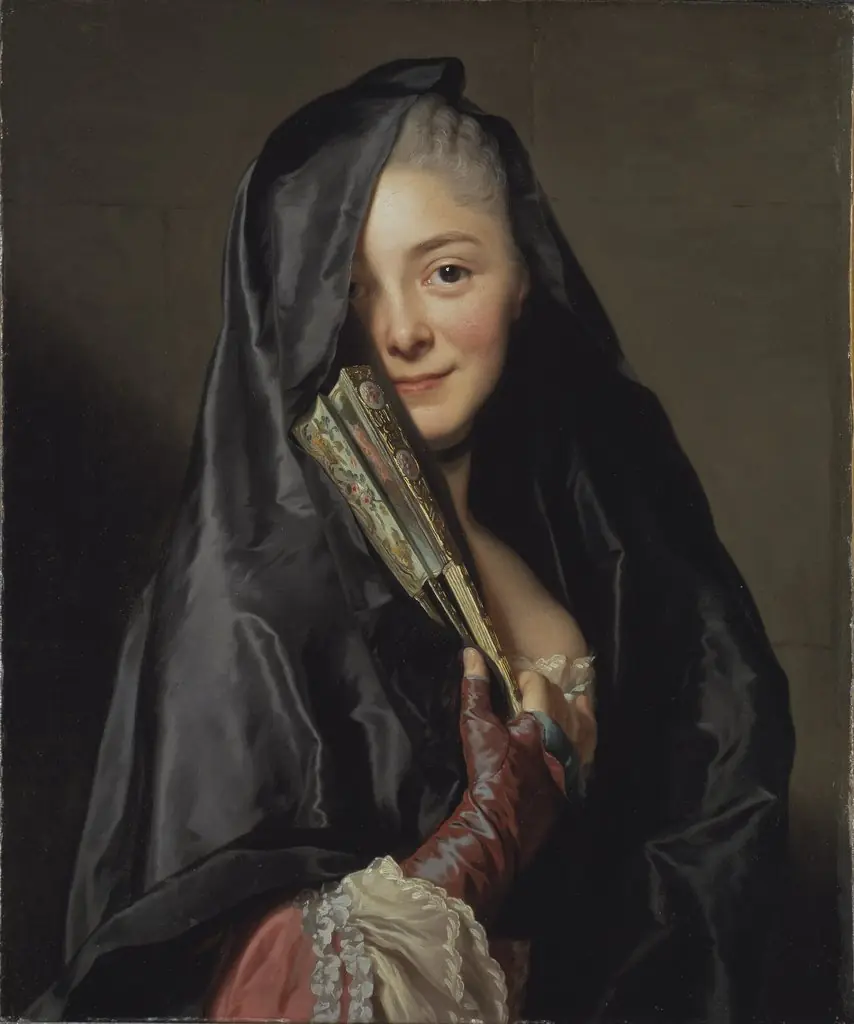 The Lady with a Fan, The Artist's Wife
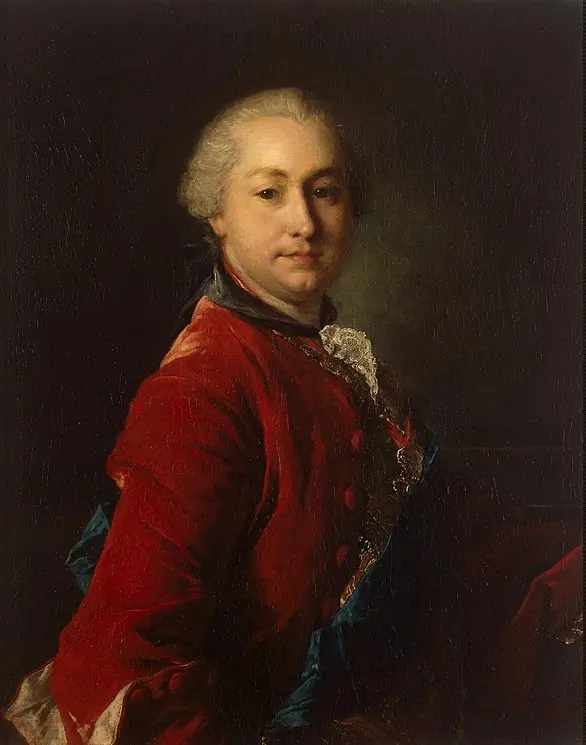 Portrait of Ivan Shuvalov
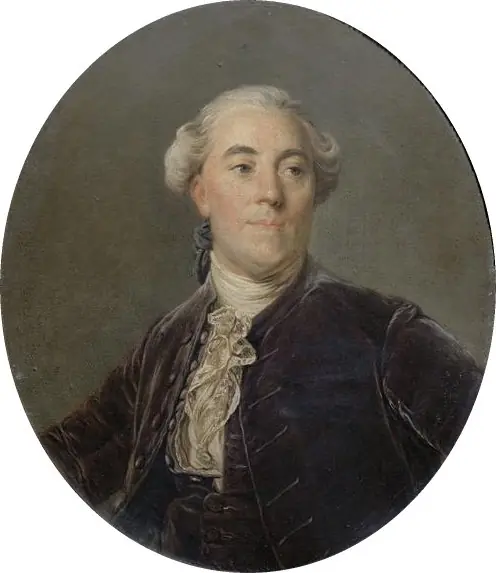 Portrait of Jacques Necker (1732-1804)
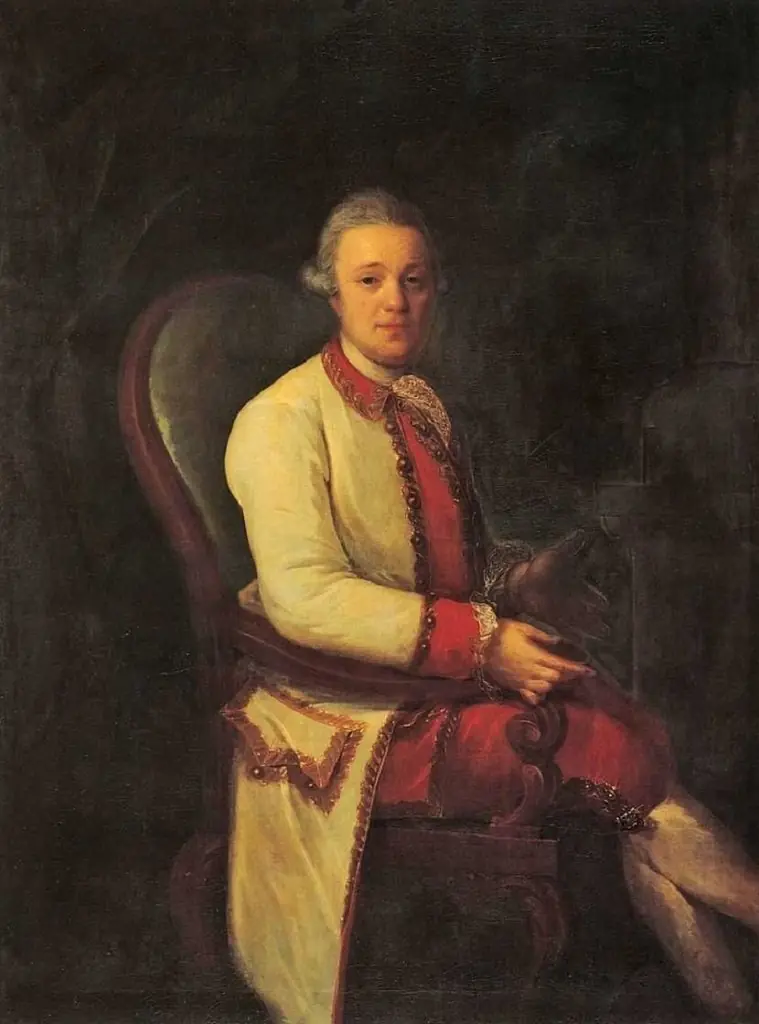 Portrait of Ivan N. Tutchev
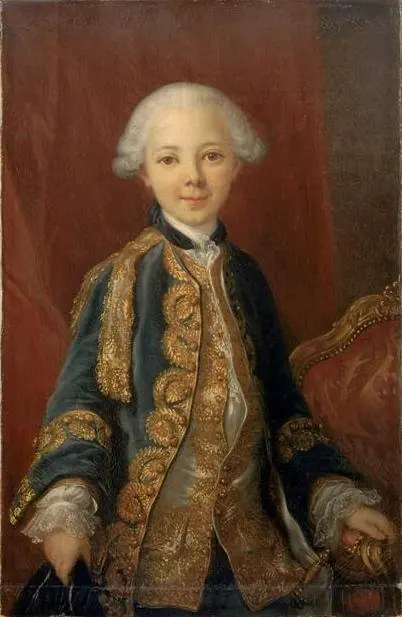 Portrait of Jean Marie de Bourbon, Duke of Châteauvillain third son of the Duke of Penthièvre (1748-1755)
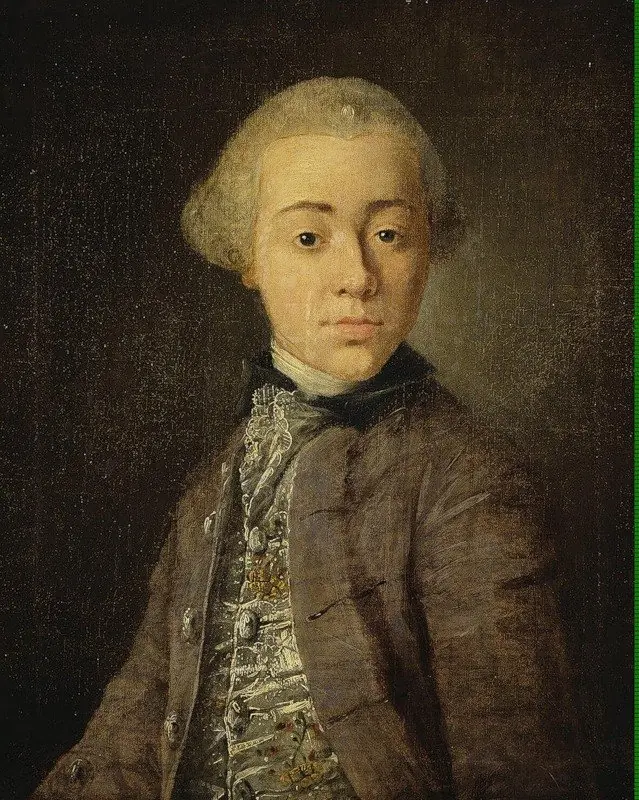 Portrait of Savva Krenitsin
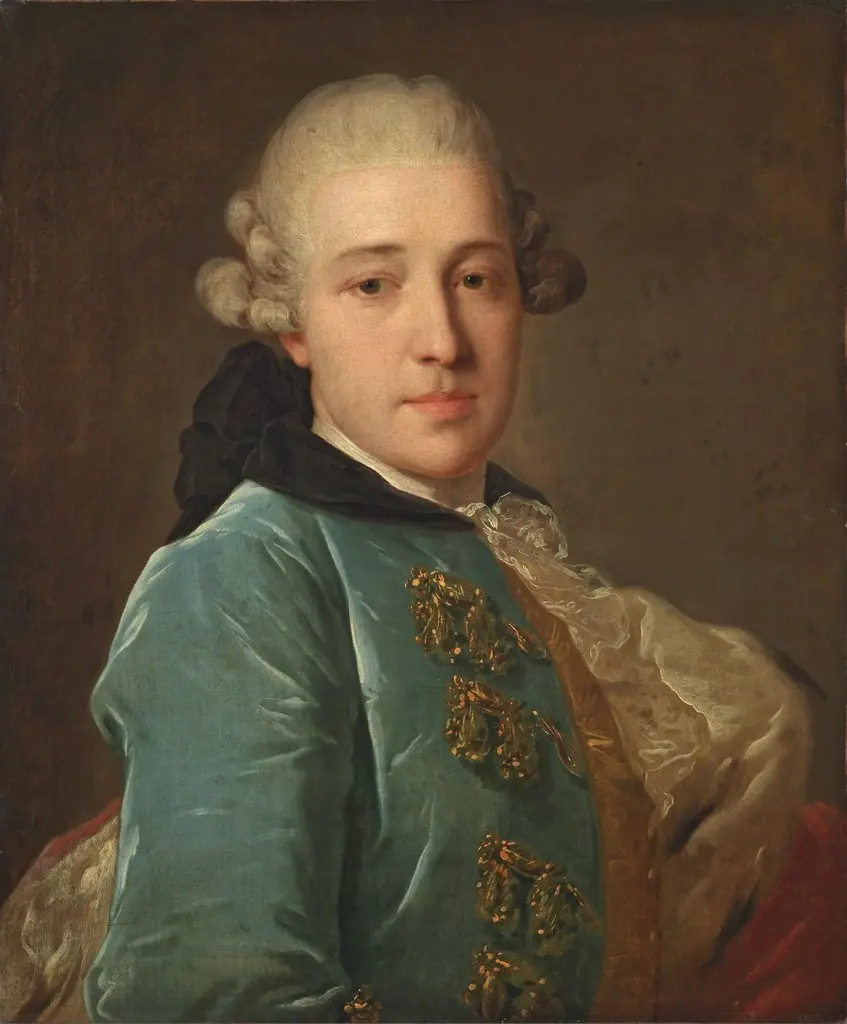 Portrait of Prince Dmitry Mikhailovich Golitsyn
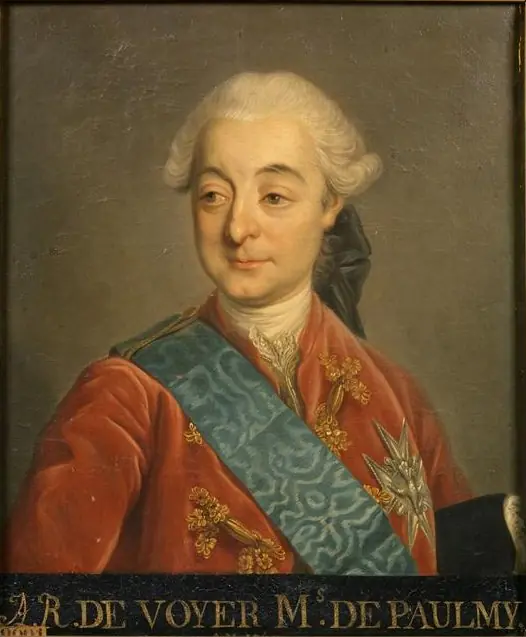 Antoine-René de Voyer de Paulmy, marquis d'Argenson (1722-1787), ministre
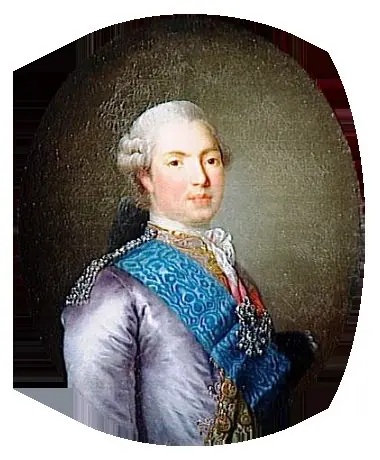 Portrait of the comte de Provence (1755-1824)
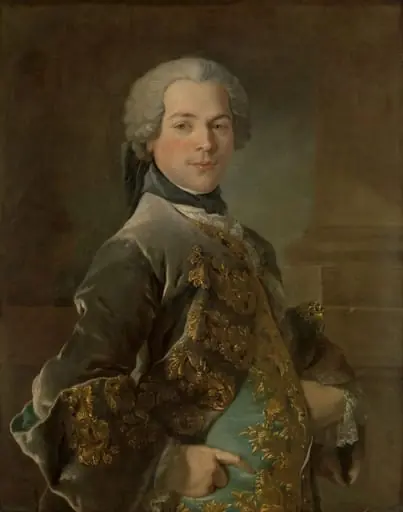 Portrait of Isaac van Rijneveld
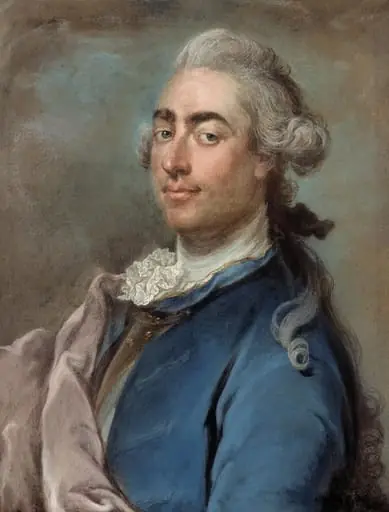 Nuori ylimys
 Portrait of Victor-Maurice de Riquet de Caraman (1722-1807)