Artwork
Atropa Belladonna
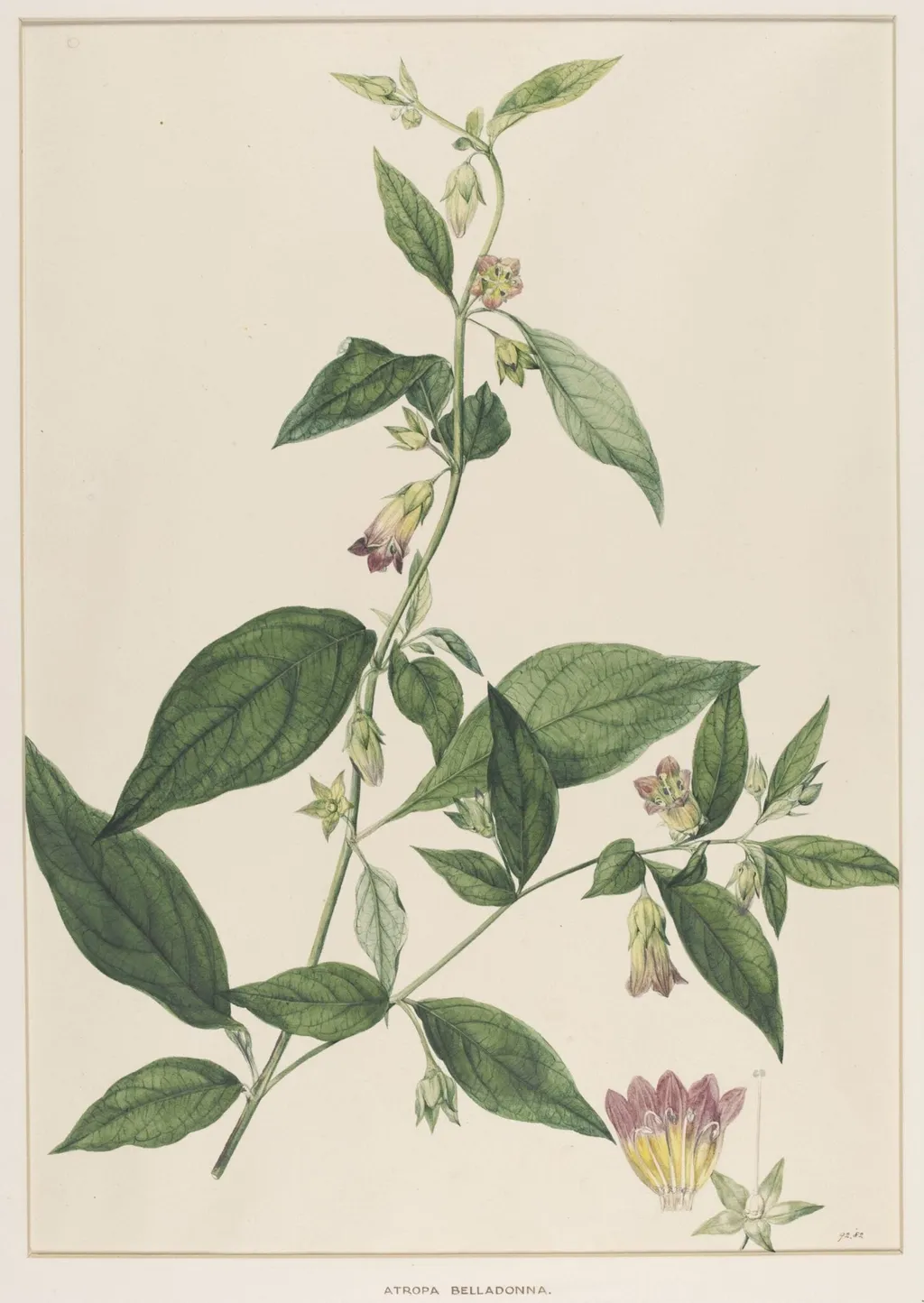
Atropa Belladonna is a watercolor work on paper by Johann Knapp. It is held in the collection of the Victoria and Albert Museum.
About this work
Overview
This watercolour painting, created in 1850 by Johann Knapp, depicts a single specimen of Atropa belladonna, commonly known as deadly nightshade.
This watercolour painting, created in 1850 by Johann Knapp, depicts a single specimen of Atropa belladonna, commonly known as deadly nightshade. Rendered with precision on plain paper, the composition isolates the plant against an unadorned background to emphasize its botanical features. The work belongs to a tradition of scientific illustration, where clarity and accuracy take precedence over aesthetic embellishment.
Subject & Meaning
The painting captures the distinctive morphology of Atropa belladonna, including its branching stems, elongated leaves, and clustered flowers that vary in hue from deep purple to pale yellow. Though toxic, the plant held historical significance in early pharmacology, used in minute doses for pain relief and as a pupil-dilating agent. The inclusion of its scientific name underscores its role as a documented specimen rather than a decorative object.
Technique & Style
Knapp employed fine brushwork and layered watercolour to render subtle gradations in colour and texture. The petals show delicate transitions from dark tips to lighter bases, while the stamen and stigma in the lower right are rendered with microscopic detail. The absence of shading or background elements directs focus entirely to the plant’s structure, reflecting the conventions of 19th-century botanical documentation.
History & Provenance
Johann Knapp was a Swiss botanist and illustrator known for his meticulous plant studies in the mid-1800s. This piece likely originated as part of a private or institutional collection of botanical reference material, possibly intended for academic use. Its survival suggests it was valued for its scientific utility rather than artistic merit, consistent with the practices of naturalists of the era.
Context
During the 19th century, botanical illustration served as a critical tool for taxonomy and medical research, especially as European scientists catalogued flora from global expeditions. Knapp’s work aligns with this movement, where accurate visual records were essential for identifying plants with pharmacological properties. Atropa belladonna, though dangerous, was a subject of ongoing study due to its alkaloid content.
Legacy
Knapp’s illustrations remain referenced in botanical archives for their fidelity to plant anatomy. While not widely exhibited today, his watercolours contribute to the historical record of plant science, offering insight into how naturalists visually encoded knowledge before photographic documentation became standard. This piece exemplifies the quiet, methodical work underpinning botanical classification.
Artist & collection

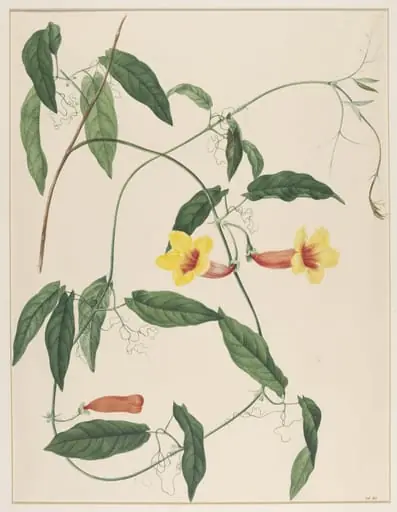
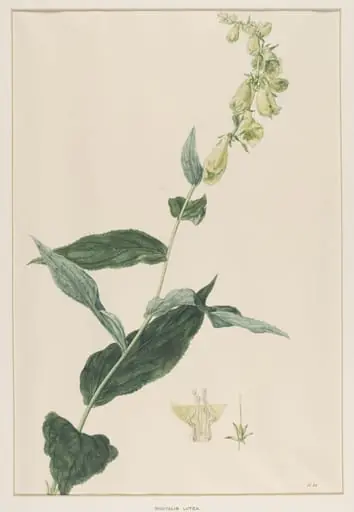 Digitalis Lutea
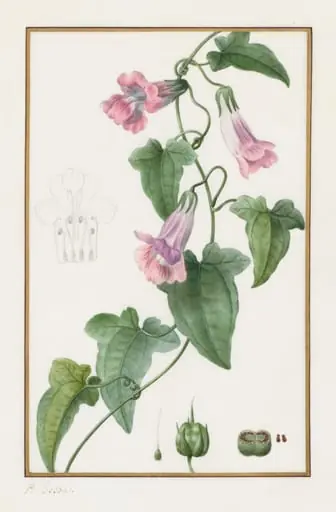 (Botanical: Maurándia semperflorens)
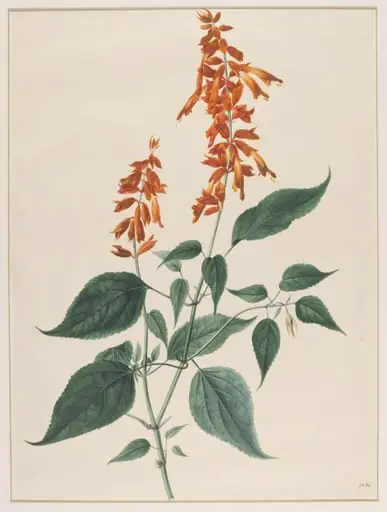 Salvia Splendens
![The Botanical Magazine or Flower Garden Displayed: Plate 929, Symphyum Asperrim. Prickley Comfrey. [Symphytum asperum], by Francis Sansom](https://artifactworldgallery.com/img/francis-sansom--the-botanical-magazine-or-flower-garden-displayed-plate-929--35fcf24fe6d7acee-w320.webp) The Botanical Magazine or Flower Garden Displayed: Plate 929, Symphyum Asperrim. Prickley Comfrey. [Symphytum asperum]
The Botanical Magazine or Flower Garden Displayed: Plate 929, Symphyum Asperrim. Prickley Comfrey. [Symphytum asperum]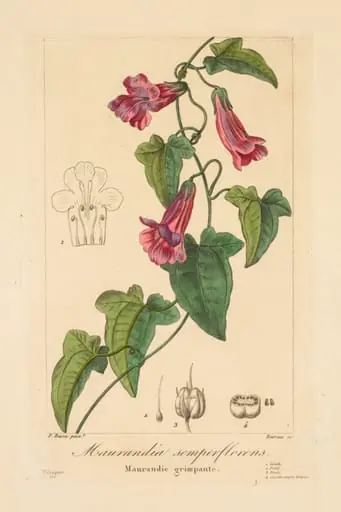 Flore des Jardiniers, Amateurs et Manufacturiers: Maurandia semperflorens
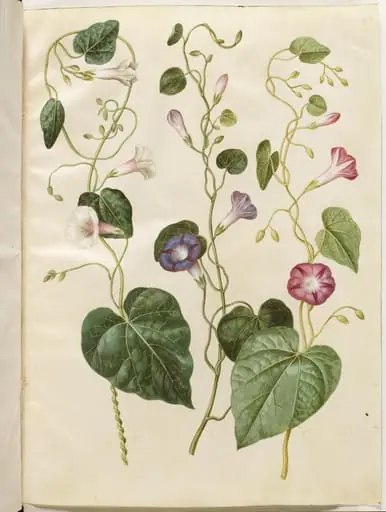 Ipomoea purpurea (purpur-pragtsnerle)
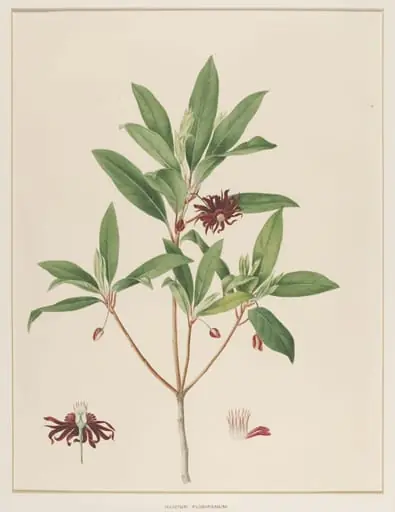 Illicium Floridanum
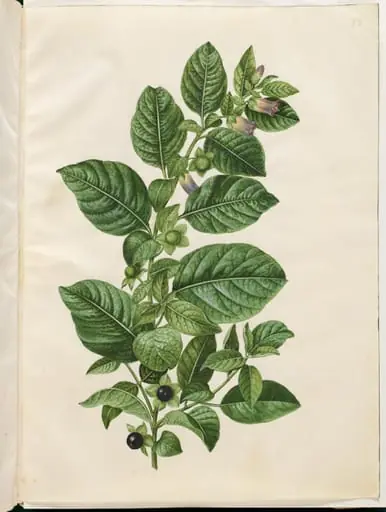 Atropa belladonna (galnebær)