Artwork
Katajanokka
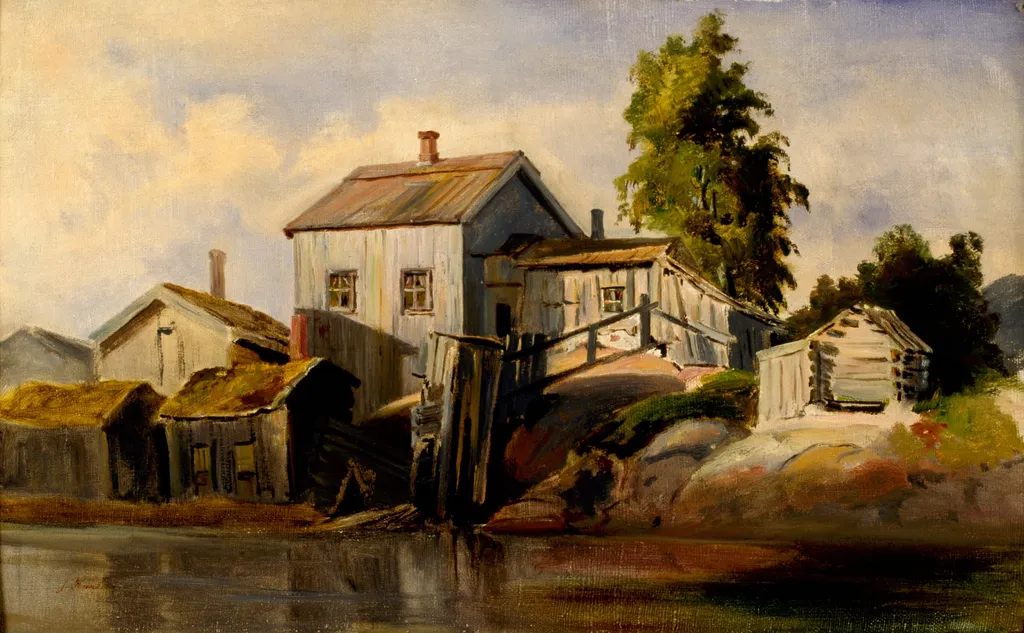
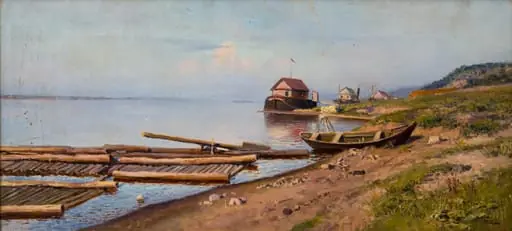
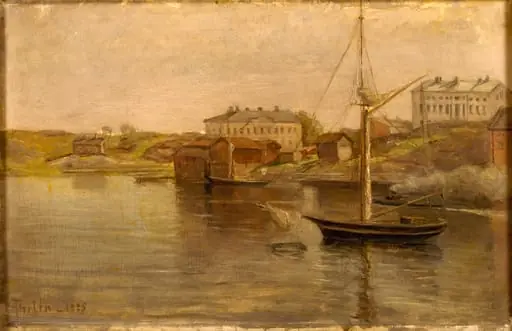
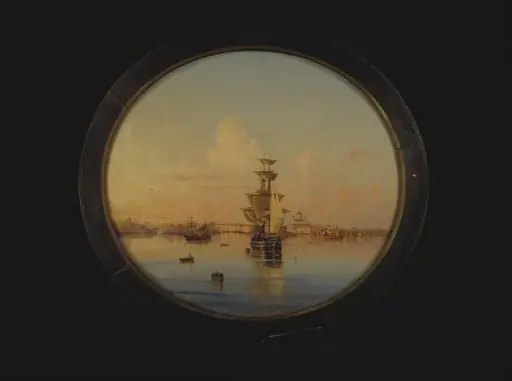
Katajanokka is a drawing by Johan Knutson. It dates from 1866 and is held in the collection of the Helsinki City Museum.
About this work
Overview
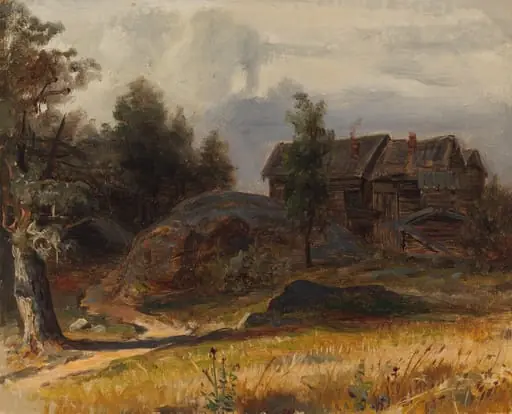
Johan Knutson painted Katajanokka around 1866, capturing a modest waterfront settlement in Helsinki. The composition centers on a cluster of aging wooden structures, their forms softened by time and weather. The scene lacks human figures, emphasizing quiet solitude and the quiet persistence of vernacular architecture along the shore.
Subject & Meaning
The painting depicts a working-class maritime enclave, likely used for storage, fishing, or small-scale trade. The weathered buildings and sparse surroundings suggest a place shaped by utility rather than ornament. The lone tree behind the structures may symbolize resilience or the boundary between human habitation and the natural environment.
Technique & Style
Knutson employed loose, expressive brushwork that avoids fine detail, lending the scene an immediate, almost sketchlike quality. Colors are restrained—dominated by muted browns, grays, and olive greens—reflecting the natural patina of wood and water. The calm surface of the water mirrors the buildings, reinforcing the stillness of the moment.
History & Provenance
Created during Knutson’s early career, the work reflects his interest in Finnish landscapes and everyday life. It was likely painted during a period when artists were turning toward local subjects, away from idealized historical or mythological themes. The painting remains within Finnish collections, though its exact early ownership is undocumented.
Context
In the mid-19th century, Finland was developing a distinct cultural identity under Russian rule. Artists like Knutson contributed by documenting regional architecture and rural life, helping to define a visual language rooted in the nation’s geography. Katajanokka aligns with this movement, valuing authenticity over romanticism.
Legacy
Katajanokka stands as an early example of Finnish realist landscape painting, influencing later generations interested in depicting ordinary scenes with emotional restraint. While not widely exhibited, it is recognized in scholarly circles for its quiet observation and contribution to the development of national artistic expression.
Artist & collection

 Harmaa hirsirakennus maisemassa
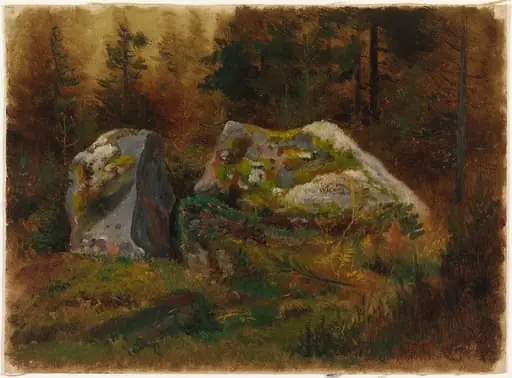 Sammaleisia kiviä metsässä
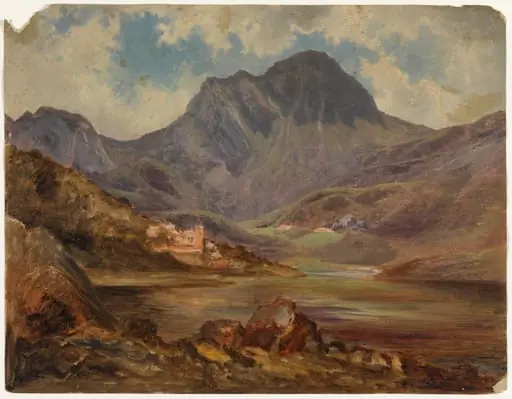 Alppijärvi Baijerissa
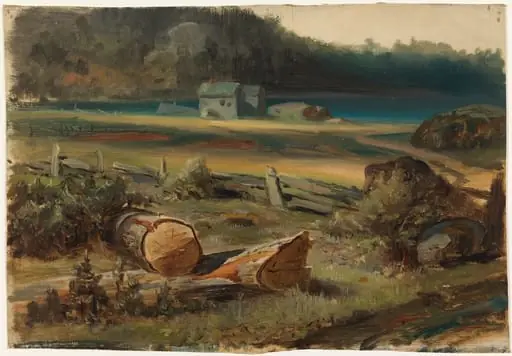 Rantamaisema
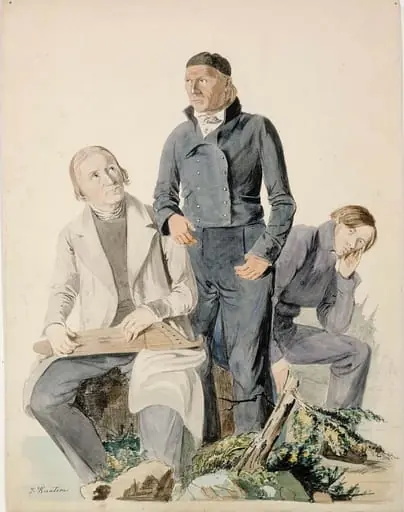 Kansanrunoilijat Olli Kymäläinen, Pietari Makkonen ja Antti Puhakka ; Kuvitusta R.Tengströmin teokseen, Finsk antologi.
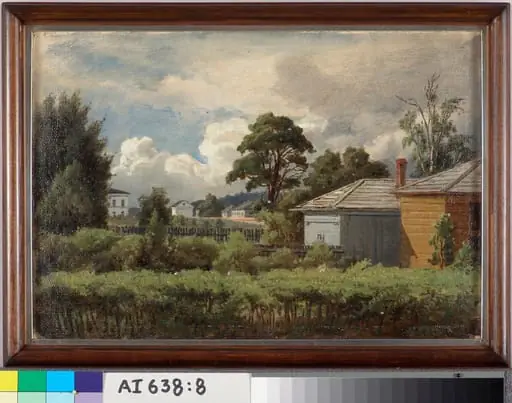 Porvoon laitamilta
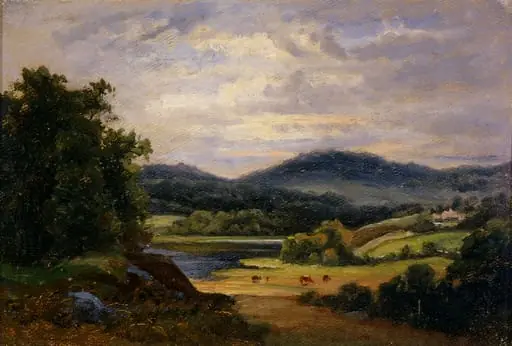 Maisema Ylä-Tornion Matinahosta
 Sotalaivoja ankkuroituna Helsingin edustalla