Artwork
Maisema Ylä-Tornion Matinahosta
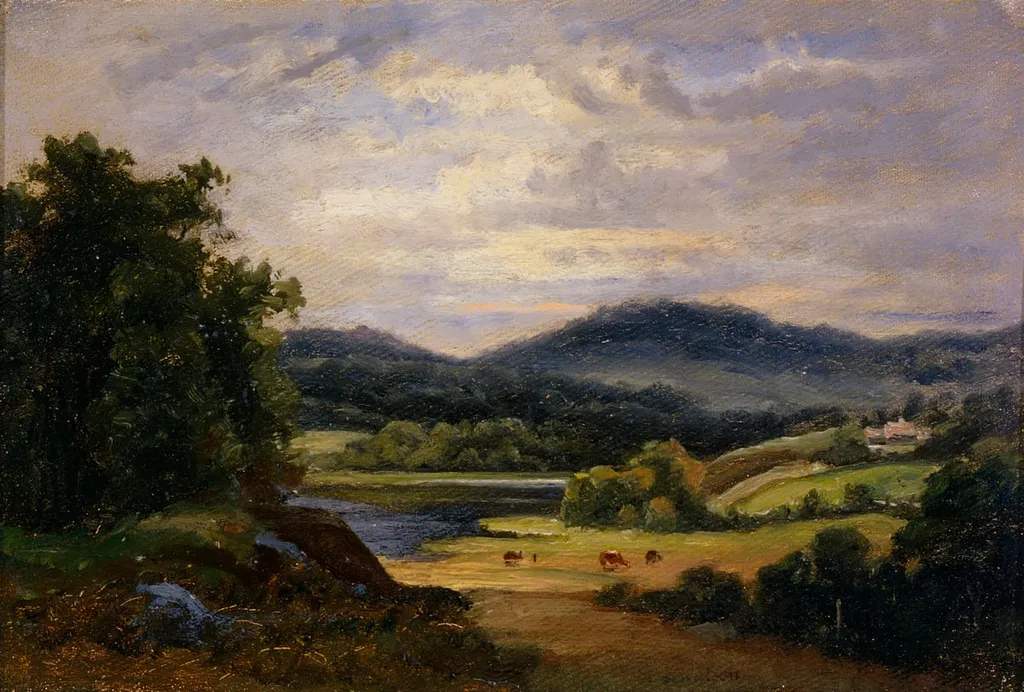
Maisema Ylä-Tornion Matinahosta is an unspecified painting by Johan Knutson. It dates from 1866 and is held in the collection of the Finnish National Gallery.
About this work
Overview
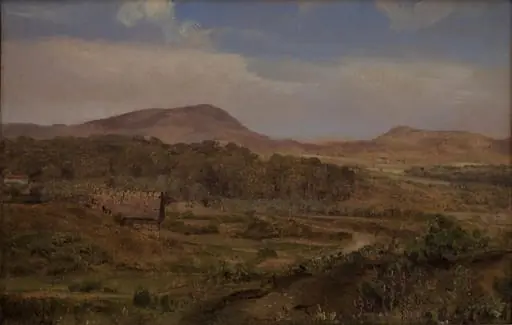
Painted around 1866 by Johan Knutson, this landscape captures a tranquil stretch of the Ylä-Tornio region in northern Finland. The composition centers on a gentle river meandering through open pastures, framed by dense trees on one side and rolling hills receding into the distance. The atmosphere is quiet and unhurried, emphasizing natural harmony over human presence.
Subject & Meaning
The scene depicts a rural Finnish valley in late afternoon light, with grazing cattle and undisturbed terrain suggesting a life in balance with nature. There is no overt narrative or symbolic element; instead, the work conveys a sense of stillness and continuity, reflecting a regional identity rooted in the land rather than in event or drama.
Technique & Style
Knutson employs loose, fluid brushwork that borders on the sketchlike, avoiding sharp definition in favor of atmospheric suggestion. Light is rendered through soft gradations and subtle highlights, particularly on the clouds and distant slopes. The paint is applied with a light touch, creating a luminous effect without heavy impasto, enhancing the sense of air and openness.
History & Provenance
Created during Knutson’s active period in Finland, the painting likely originated as a personal study or regional record rather than a commissioned piece. Its early documentation is limited, but it has remained within Finnish collections since the late 19th century, preserving its connection to the cultural landscape of the north.
Context
In the mid-19th century, Finnish artists increasingly turned to native scenery as national identity began to form apart from Swedish and Russian influences. Knutson’s work aligns with this trend, offering a quiet, unidealized view of the countryside that resonated with emerging ideas of Finnishness grounded in nature and local tradition.
Legacy
Though not widely exhibited outside Finland, the painting contributes to a broader understanding of 19th-century Nordic landscape painting. Its restrained approach and sensitivity to light distinguish it from more dramatic Romantic traditions, offering a quieter, introspective model that influenced later regional artists focused on everyday natural beauty.
Artist & collection

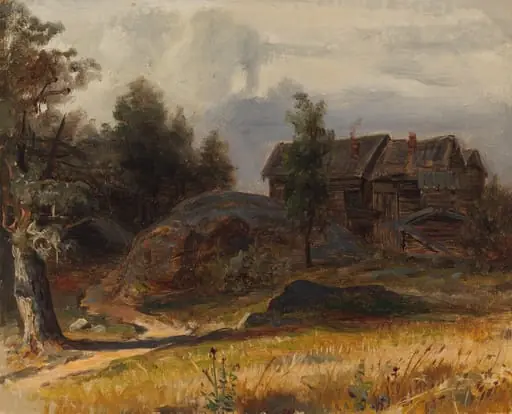 Harmaa hirsirakennus maisemassa
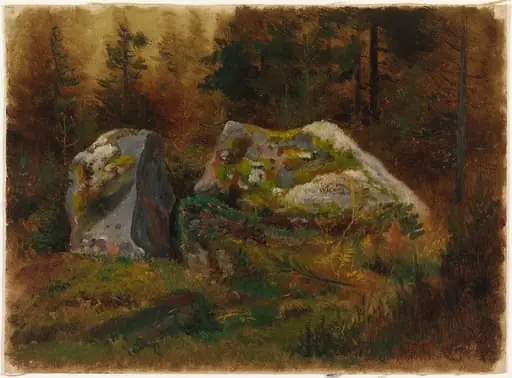 Sammaleisia kiviä metsässä
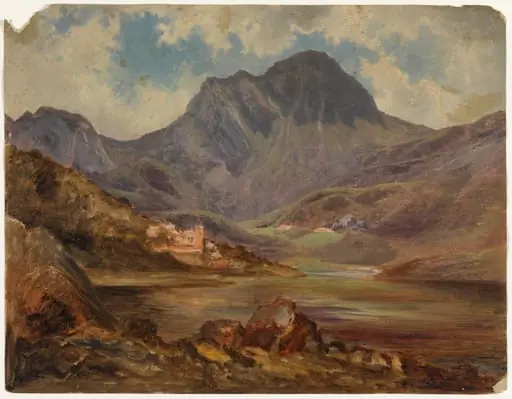 Alppijärvi Baijerissa
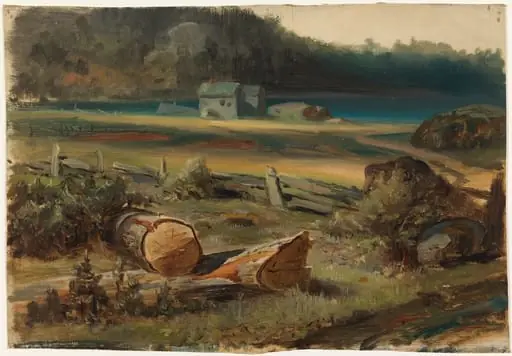 Rantamaisema
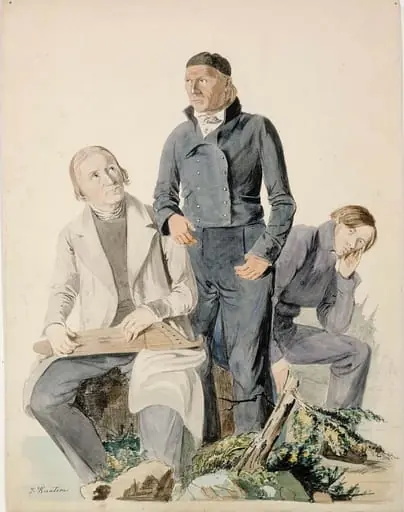 Kansanrunoilijat Olli Kymäläinen, Pietari Makkonen ja Antti Puhakka ; Kuvitusta R.Tengströmin teokseen, Finsk antologi.
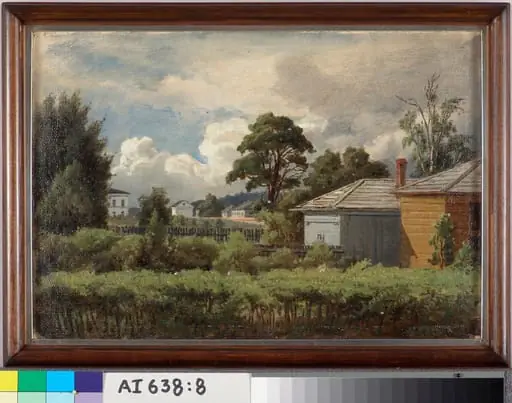 Porvoon laitamilta
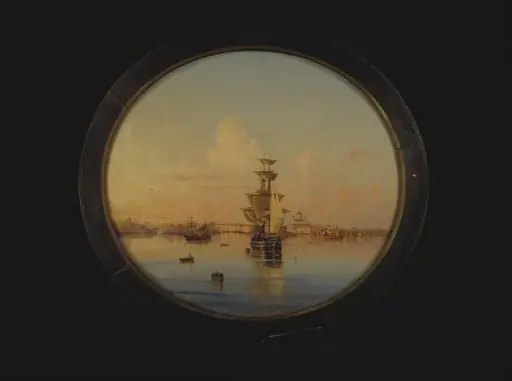 Sotalaivoja ankkuroituna Helsingin edustalla
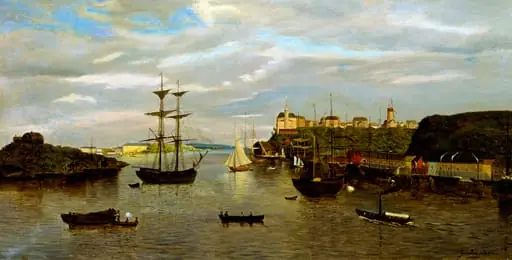 Näkymä Kaivopuistoon ja Viaporiin Eteläsataman suunnasta
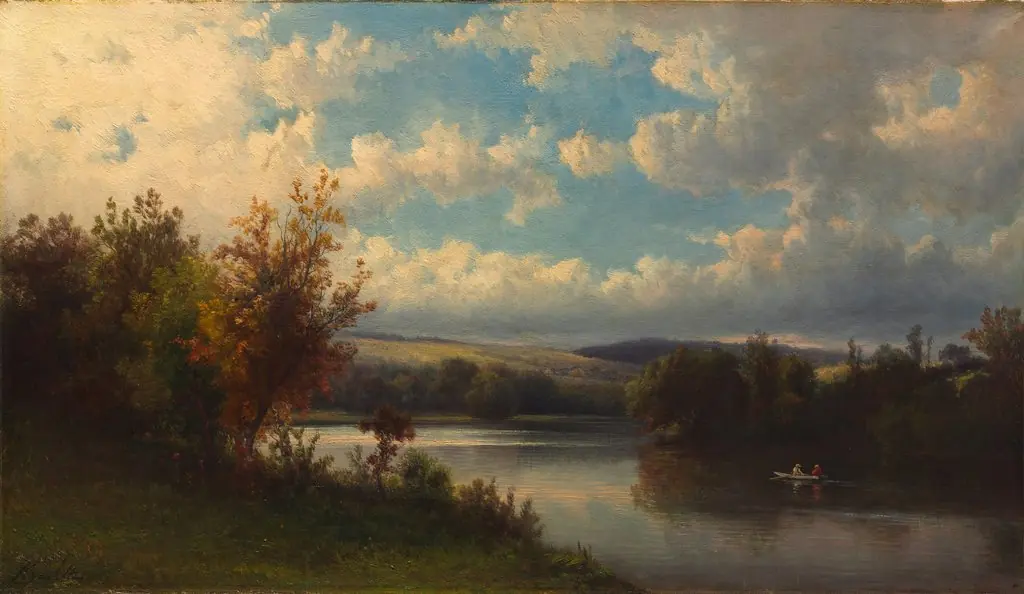 Landscape near Granby, Connecticut
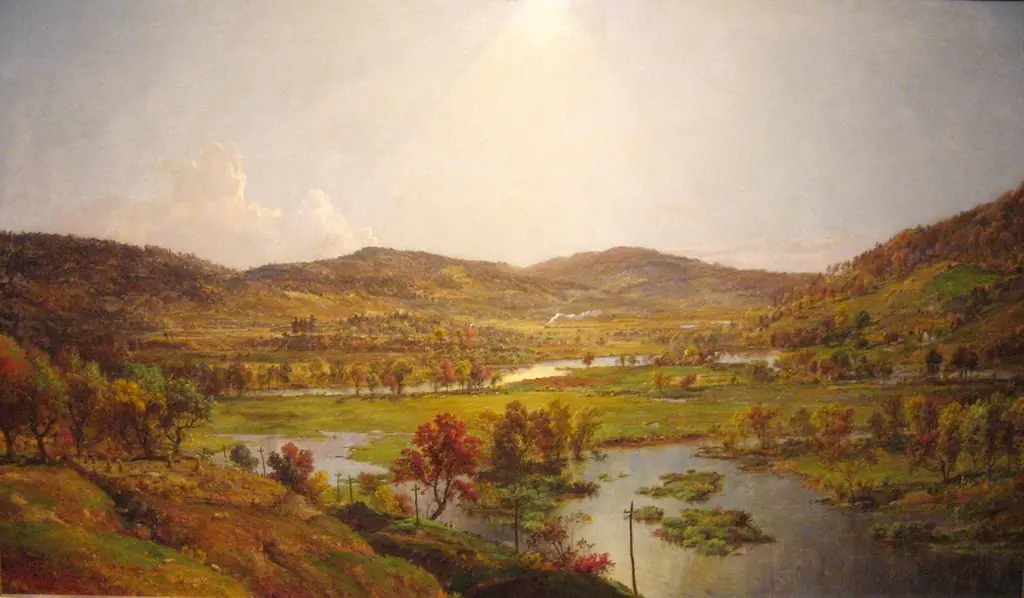 Sidney Plains with the Union of the Susquehanna and Unadilla Rivers
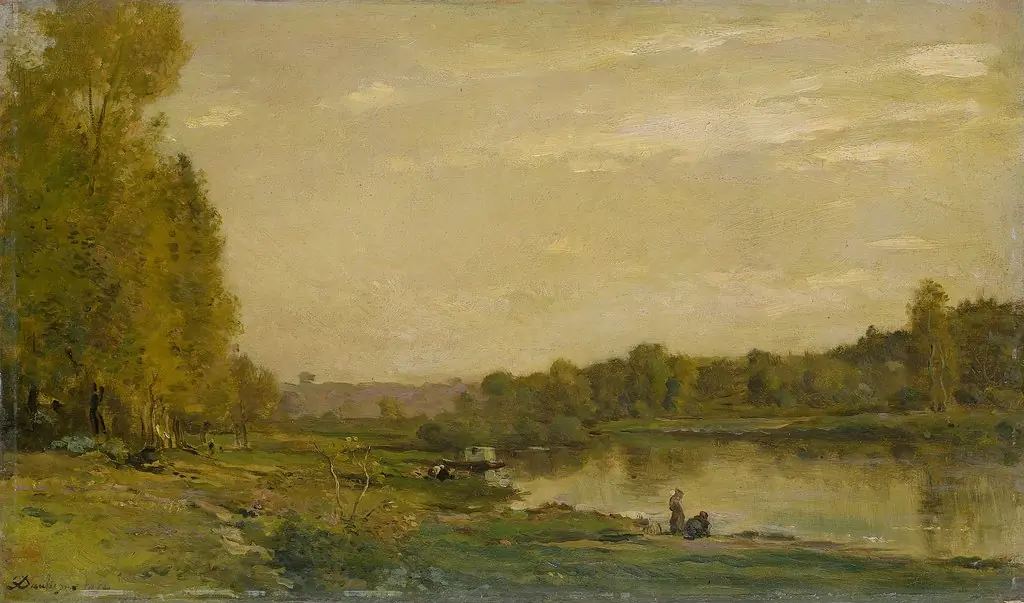 Landscape on the River Oise
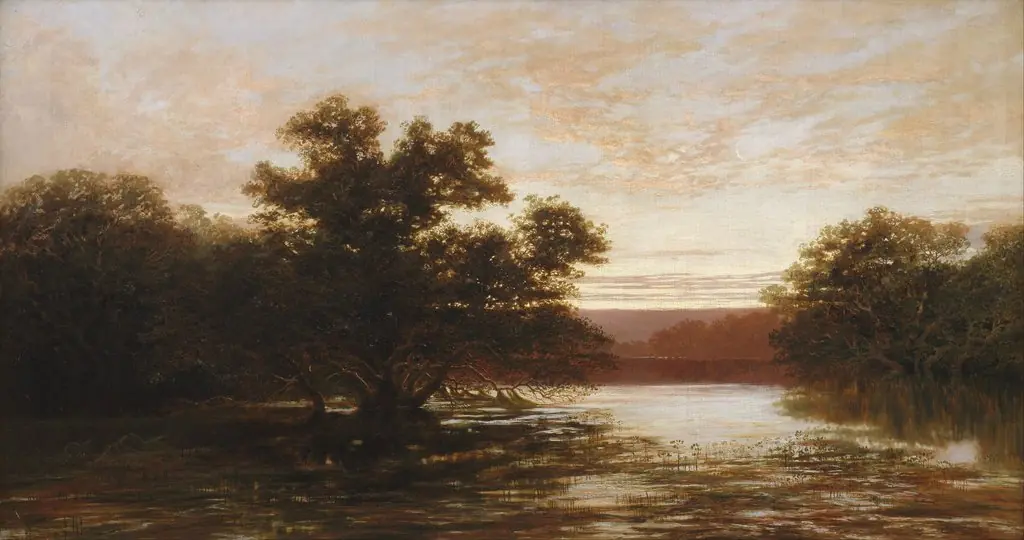 An Australian mangrove, ebb tide
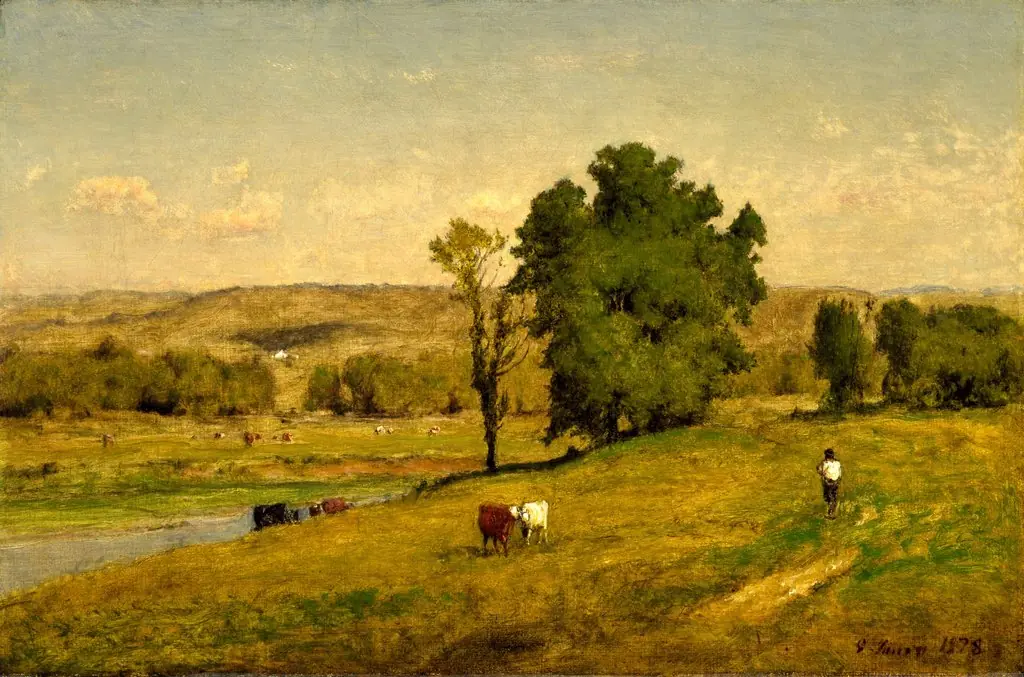 Landscape
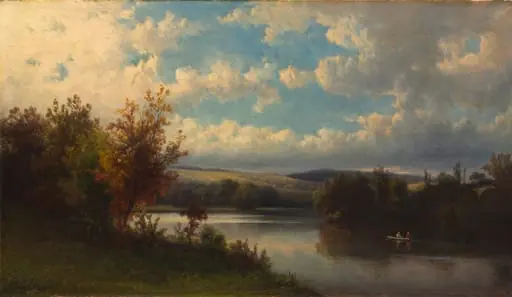 Landscape near Granby, Connecticut
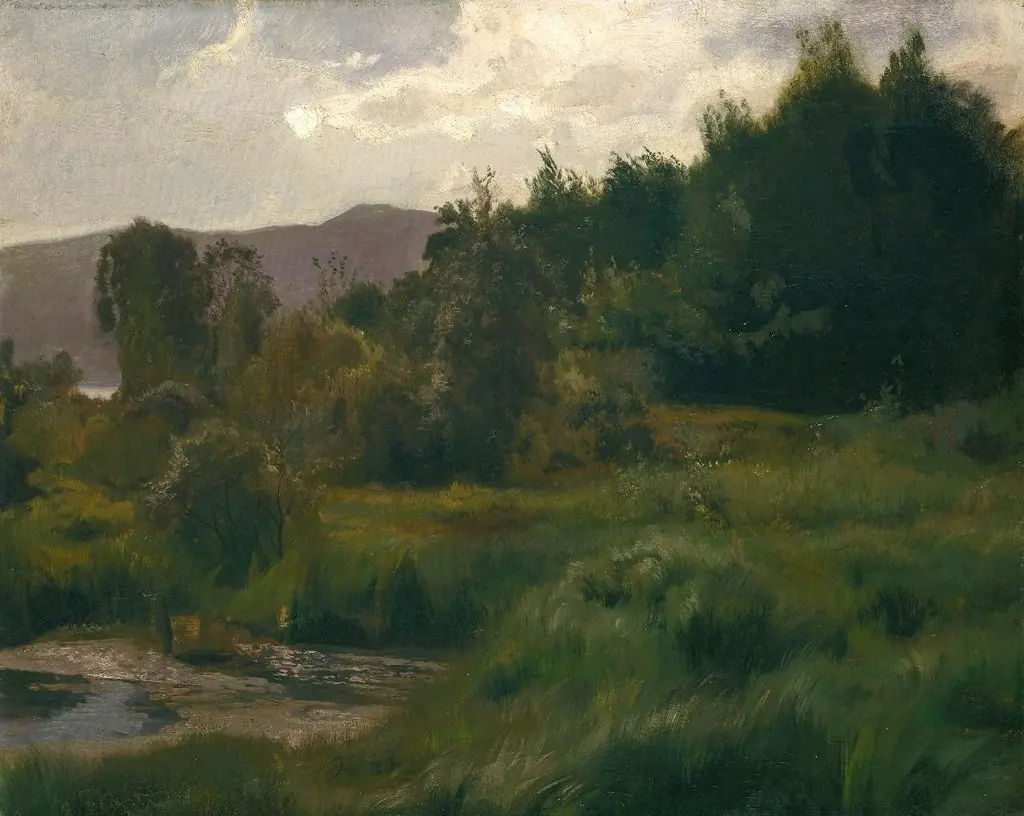 Am Zürichhorn (Studie)
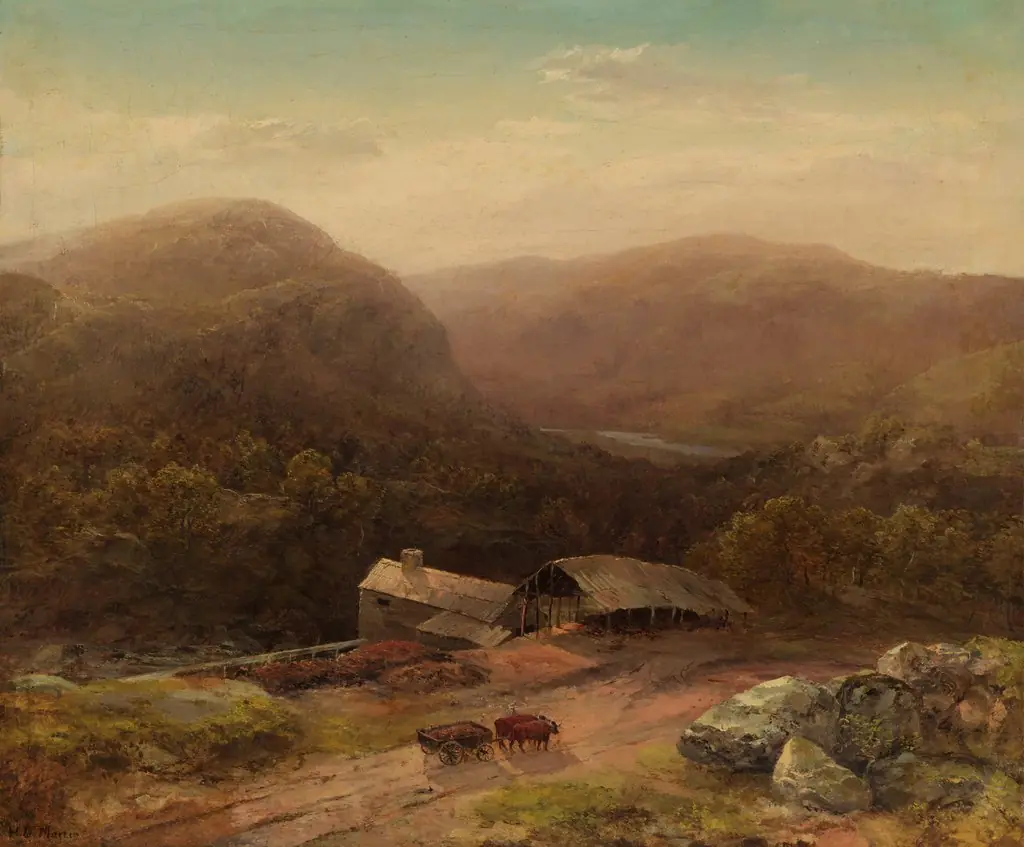 In the Housatonic Valley
 View of Mt. Washington
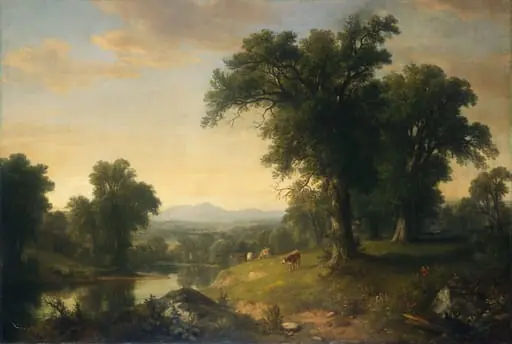 A Pastoral Scene
 Landscape near Blokhus, Jutland
 River Landscape