Artwork
Portrait of an Elderly Woman
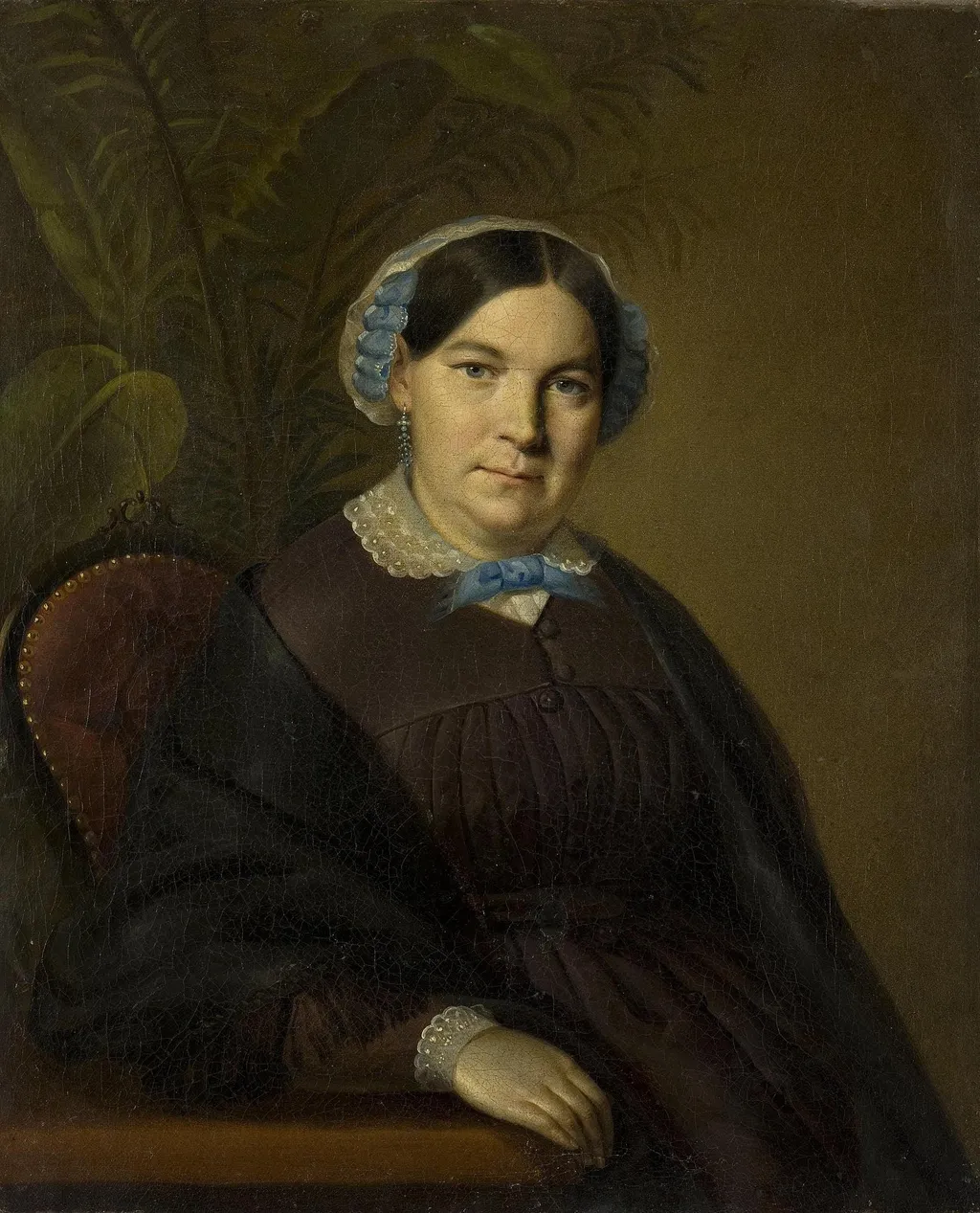
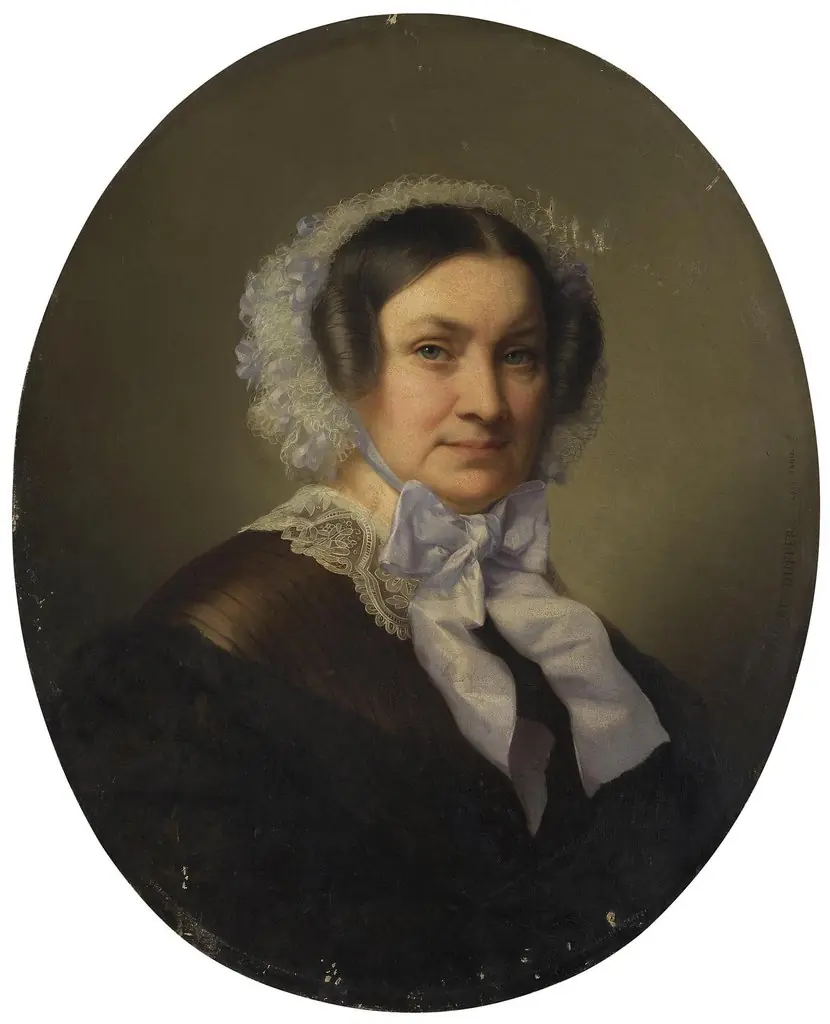
Portrait of an Elderly Woman is an oil painting by the Realist artist Konstantin Trutovsky. It dates from 1850 and is held in the collection of the Hermitage Museum.
About this work
Overview
Painted around 1850 by Konstantin Trutovsky, this oil portrait captures an elderly woman with quiet precision.
Painted around 1850 by Konstantin Trutovsky, this oil portrait captures an elderly woman with quiet precision. As a student and later instructor at the Imperial Academy of Arts, Trutovsky aligned with the Realist tendency to depict ordinary individuals without idealization. The work belongs to a broader series of portraits and genre scenes focused on rural Russian life, reflecting his interest in authentic human presence over theatrical composition.
Subject & Meaning
The subject is an older woman, portrayed in a composed, seated posture that conveys dignity rather than sentimentality. Her attire—dark dress, lace collar, blue ribbon, and floral headpiece—suggests regional dress from Malorossiya, hinting at cultural identity rather than social status. The absence of narrative or symbolic props directs focus to her expression and presence, emphasizing quiet endurance and individuality.
Technique & Style
Trutovsky employed subtle gradations of dark tones to model the woman’s form, with careful attention to texture in fabric, hair, and lace. The background is simplified—a dark wall and a single potted plant—creating depth without distraction. Brushwork is restrained yet precise, avoiding flourish in favor of observational clarity. The muted palette reinforces the painting’s introspective mood, characteristic of mid-19th-century Russian Realism.
History & Provenance
The painting entered the collection of the State Hermitage Museum in Saint Petersburg, where it remains today. While its exact acquisition date is undocumented, its presence in the museum aligns with the institution’s broader effort during the 19th century to preserve works by Academy-trained artists engaged with national themes. Trutovsky’s reputation as a portraitist and illustrator likely contributed to its inclusion.
Context
Created during a period when Russian art increasingly turned to everyday subjects, this portrait reflects the influence of Western Realism filtered through local traditions. Trutovsky’s engagement with rural life and literary illustration—particularly of Gogol and Krylov—reveals a consistent interest in authentic representation. The painting stands as a quiet counterpoint to grand historical or mythological themes favored by academic circles.
Legacy
Though not widely exhibited outside institutional collections, the portrait exemplifies Trutovsky’s contribution to Russian Realism through understated observation. It preserves a visual record of regional dress and aging in 19th-century rural society, offering insight into the cultural values of the time. His focus on unadorned humanity influenced later generations of artists seeking to depict ordinary life with sincerity.
Own this work as a print
Artist & collection
Artist
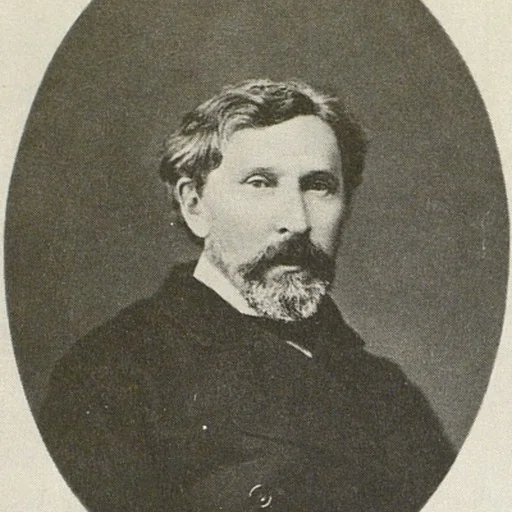
Konstantin Aleksandrovich Trutovsky (Russian: Костантин Александрович Трутовский; 9 February 1826 – 29 March 1893) was a Russian painter, illustrator, and academic.

 Victoria Åbergin muotokuva
 Portrait of a woman in a cap
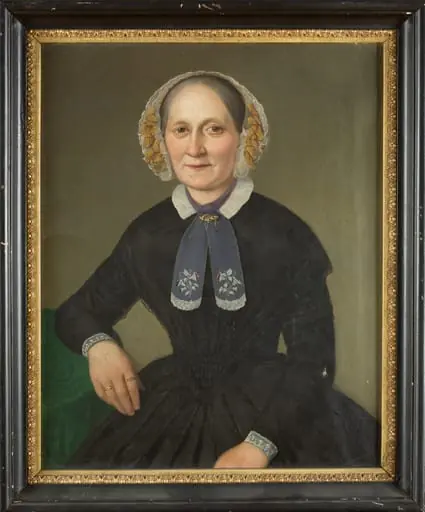 Frauenportrait
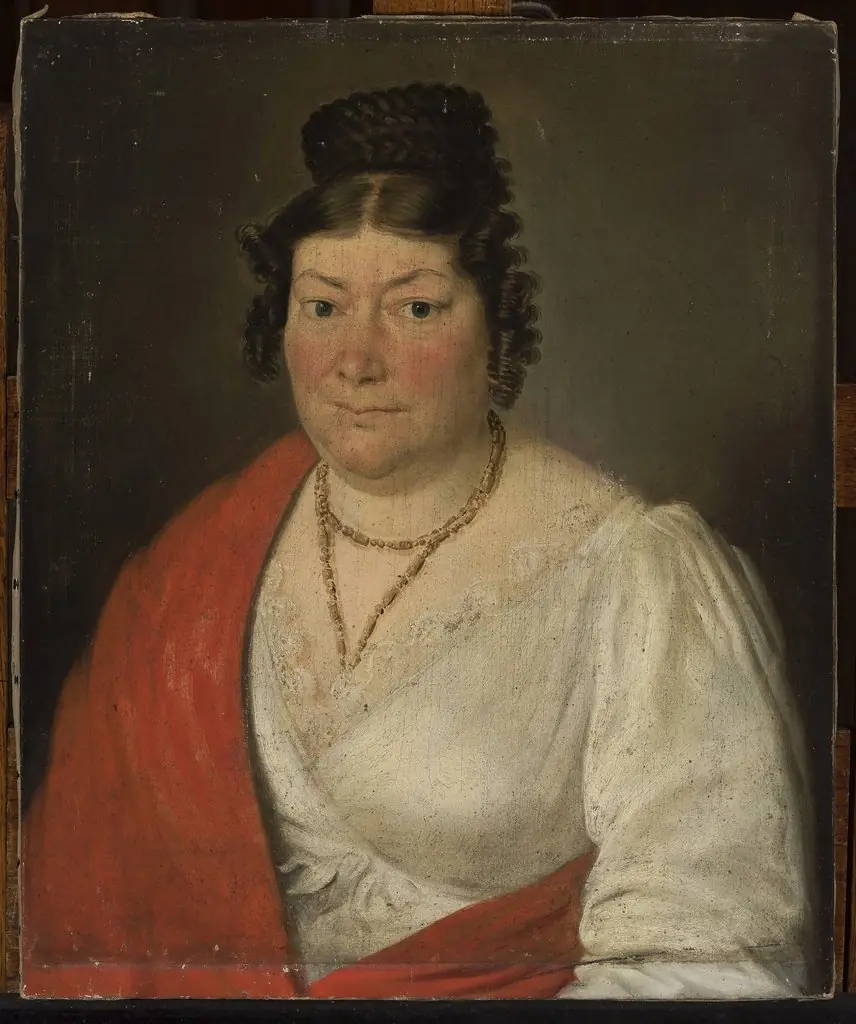 Portrait of a woman
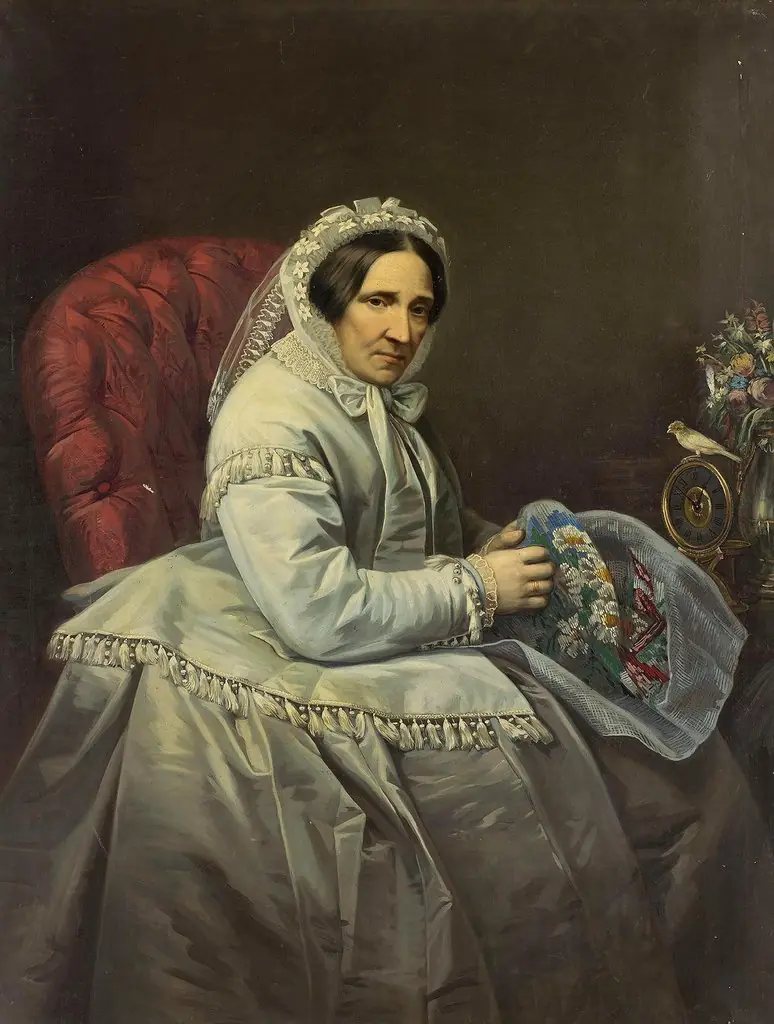 Portrait of Maria Adlerberg
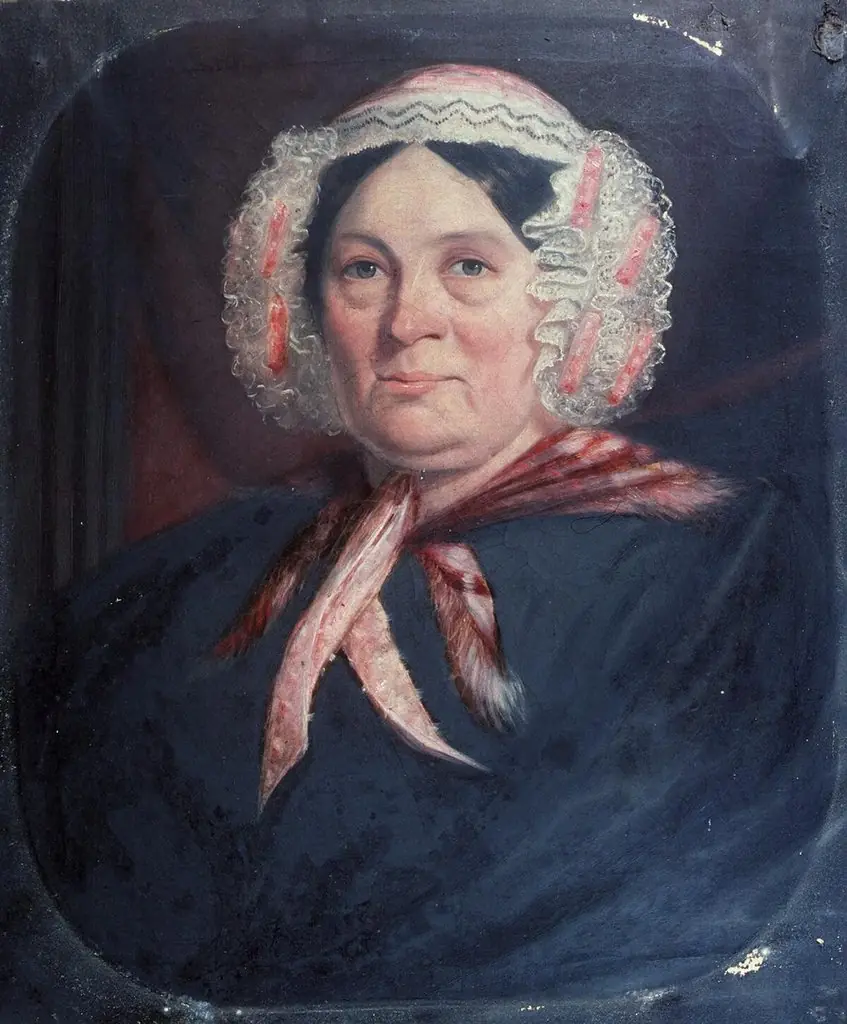 Margaret Thomas, Lammas St, Carmarthen
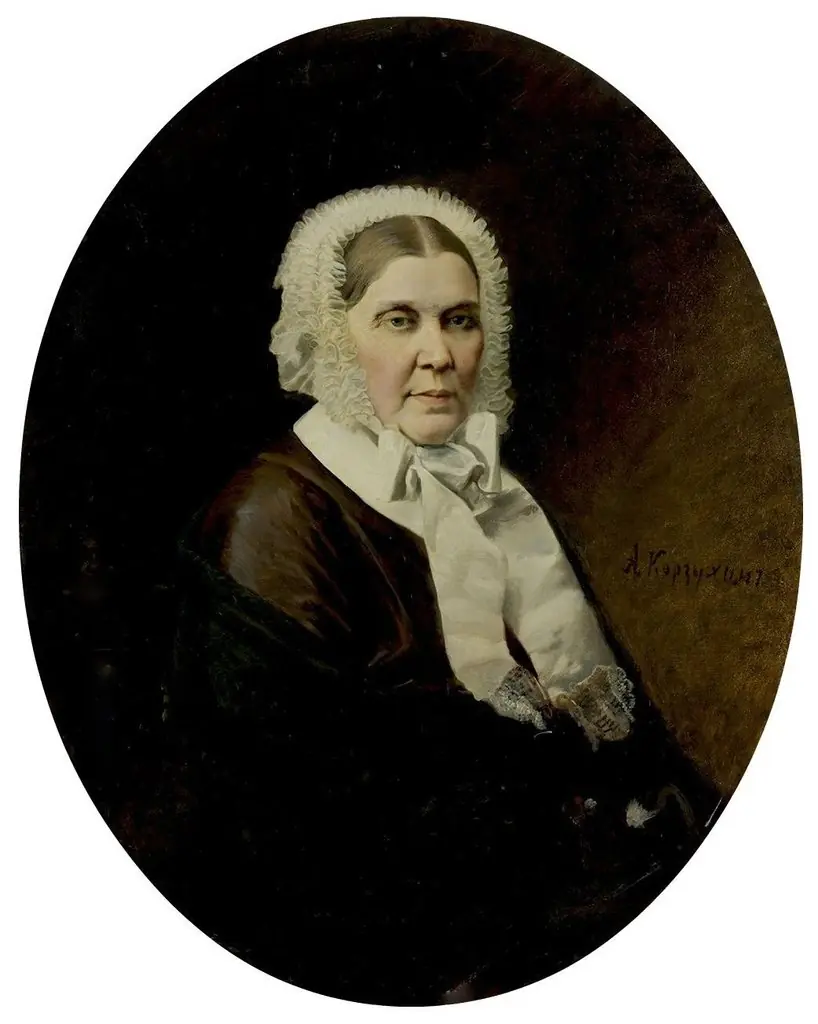 Portrait of an Unknown Woman
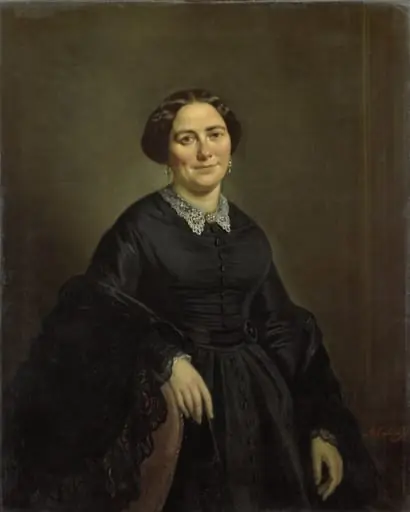 Johanna Christina Beelenkamp (1820-90). Wife of Cornelis Outshoorn
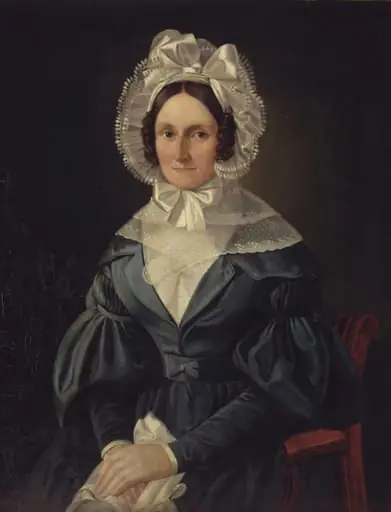 Anna Theodora Barbara Regenburg, f. Wetche
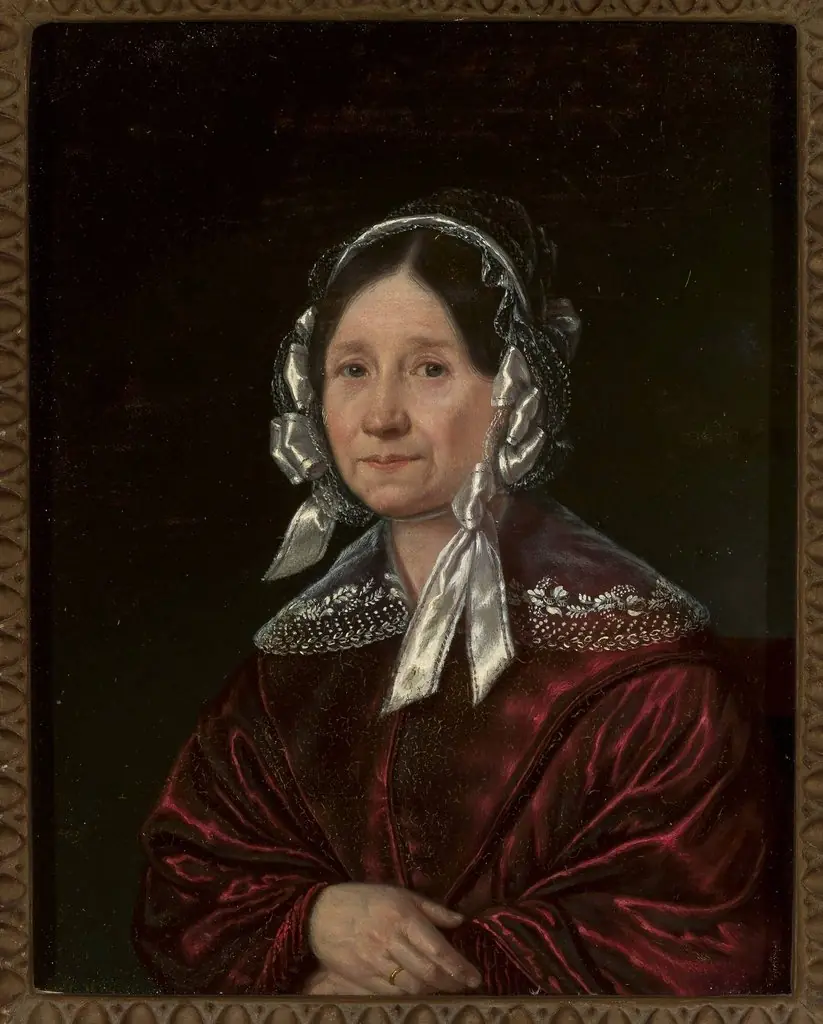 Portrait of Teresa Kicka
 Portrait of Elizaveta Nikolaevna Odintsova
 Portrait of an Elderly Woman