Artwork
Portrait of Stanisław August Poniatowski (1732–1798), King of Poland
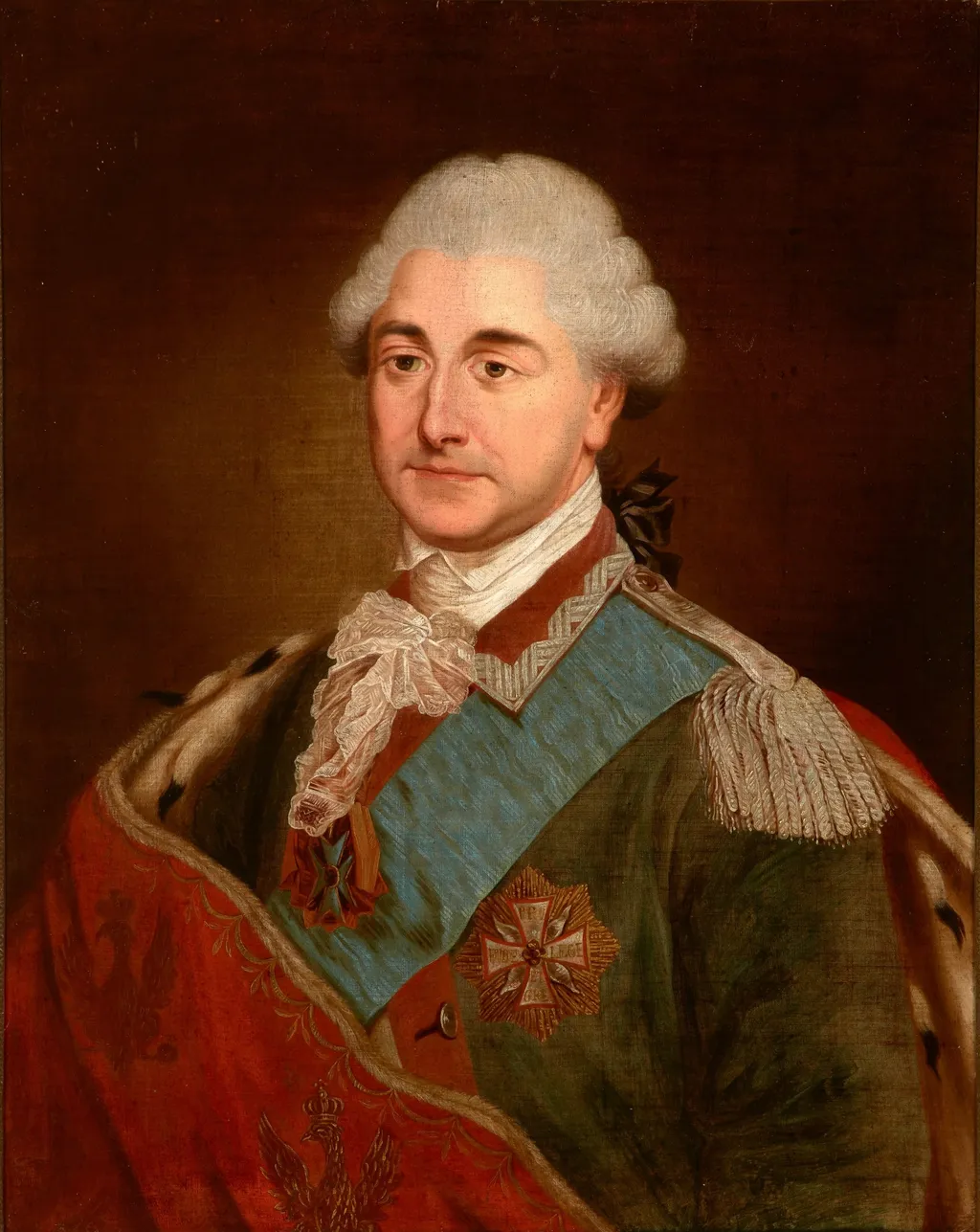
Portrait of Stanisław August Poniatowski (1732–1798), King of Poland is an oil painting by Konstanty Aleksandrowicz. It dates from 1794 and is held in the collection of the National Museum in Kraków.
About this work
If you're interested in learning more about the artist who created this portrait, look up Konstanty Aleksandrowicz.
This portrait shows a man with white hair, dressed in an elaborate outfit. He wears a green jacket with a blue sash and a red cape, adorned with a cross on his chest. The background is a dark brown color.
The man's attire and the cross suggest that he holds a high rank or position of power. The painting's style and the subject's clothing indicate that it was created in the 18th century.
If you're interested in learning more about the artist who created this portrait, look up Konstanty Aleksandrowicz.
Overview
This oil painting from 1794 portrays Stanisław August Poniatowski, the last king of Poland, executed by Konstanty Aleksandrowicz. It captures the monarch in formal court attire during a period of political instability as the Polish-Lithuanian Commonwealth neared its dissolution. The work resides in the National Museum in Kraków, serving as a visual record of royal presence amid national upheaval.
Subject & Meaning
The portrait presents Poniatowski in regal dress, emphasizing his status through symbolic elements: a blue sash, red cape, and a cross on his chest, likely denoting membership in a chivalric order. His white hair and composed expression convey age and authority, reflecting his role as a ruler navigating the final years of an eroding monarchy. The image functions as a statement of dignity amid diminishing sovereignty.
Technique & Style
Aleksandrowicz employs a restrained, academic style typical of late 18th-century portraiture. The figure is rendered with precise detail in fabric and texture, while the dark brown background isolates the subject, focusing attention on his attire and bearing. Brushwork is controlled, avoiding dramatic lighting or emotional intensity, aligning with the formal conventions of royal representation at the time.
History & Provenance
Painted in 1794, the portrait was created shortly after the Second Partition of Poland and during the Kościuszko Uprising, when Poniatowski’s authority was severely constrained. It likely served as an official likeness, possibly commissioned to affirm continuity of rule. The painting entered the National Museum in Kraków’s collection in the 19th century, where it remains as a document of royal identity in a fractured state.
Context
The portrait emerges during a critical juncture in Polish history, as foreign powers dismantled the Commonwealth. Poniatowski, once a reform-minded monarch, now appears as a symbolic figure rather than a ruling sovereign. The elaborate costume and insignia reflect the persistence of courtly tradition even as political power waned, illustrating the tension between ceremonial legitimacy and actual authority.
Legacy
As one of the last official portraits of Poland’s final king, it preserves the visual language of monarchy at its twilight. The work contributes to historical memory of the Polish-Lithuanian Commonwealth’s end, offering insight into how rulers were represented when their power was no longer absolute. It remains a key artifact in understanding the intersection of image and authority in late Enlightenment Europe.
Own this work as a print
Artist & collection
Artist
Polish portrait painter working in the 1780s, Konstanty Aleksandrowicz put the faces of powerful people on canvas.

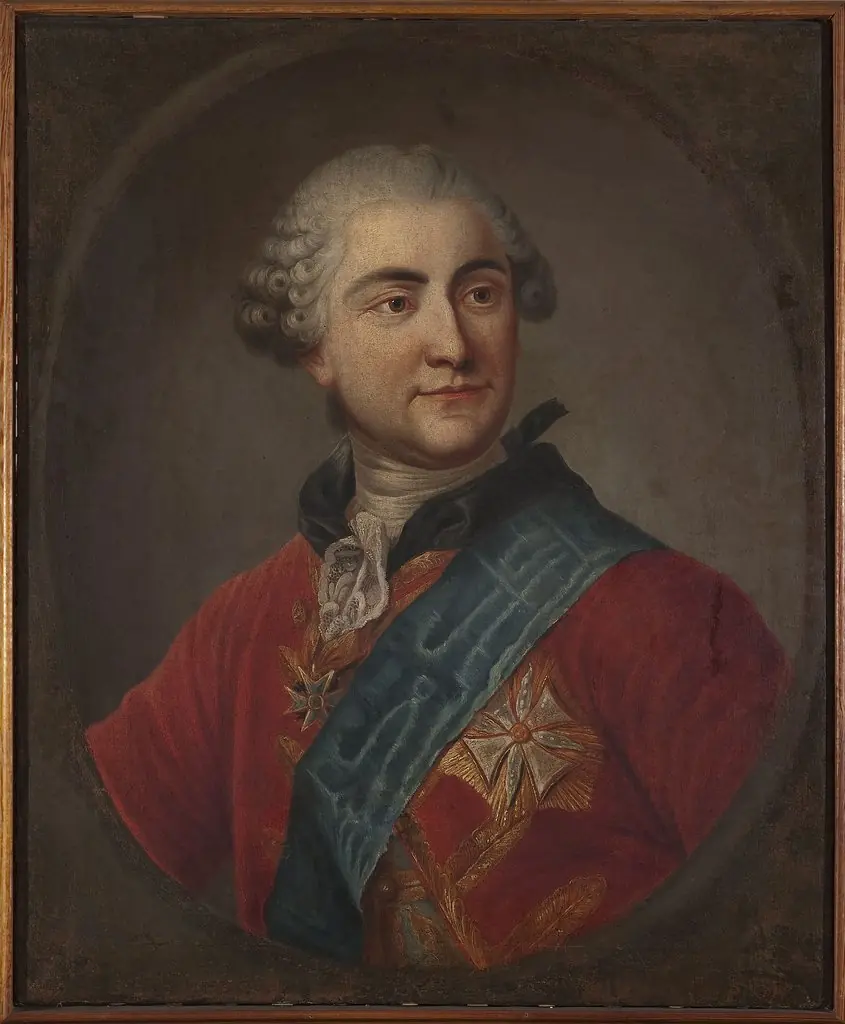 Portrait of Stanisław August Poniatowski
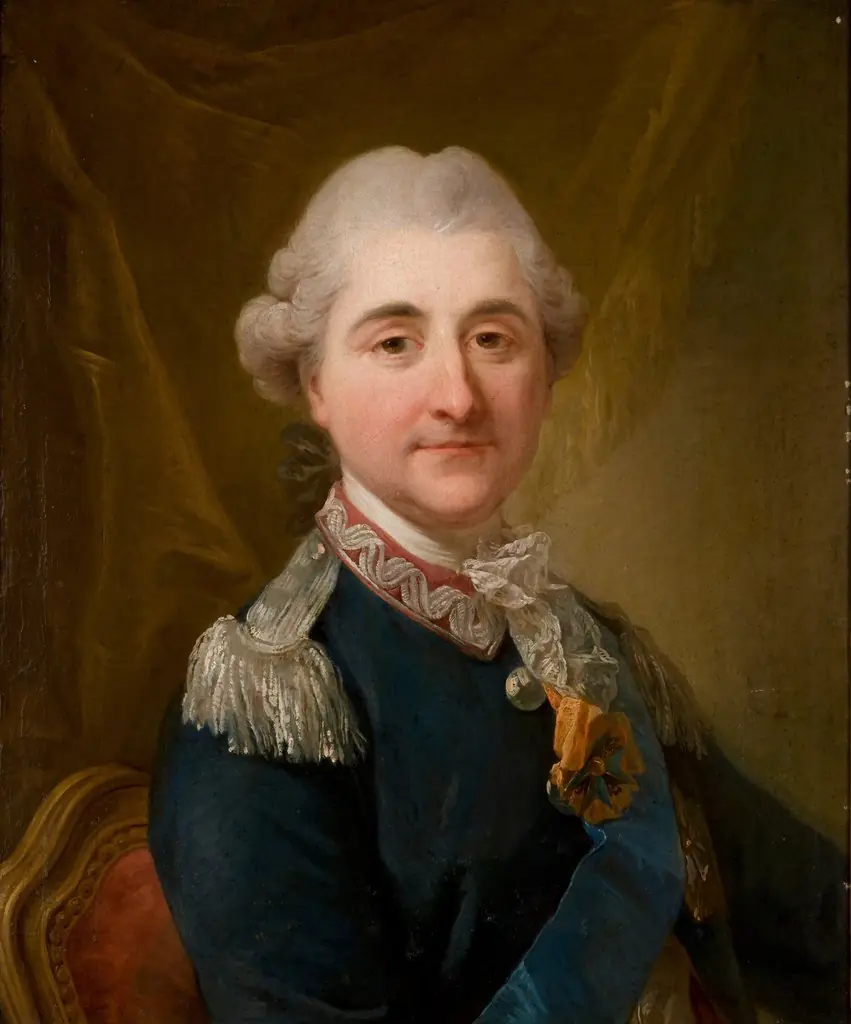 Portrait of King Stanislaus Augustus Poniatowski
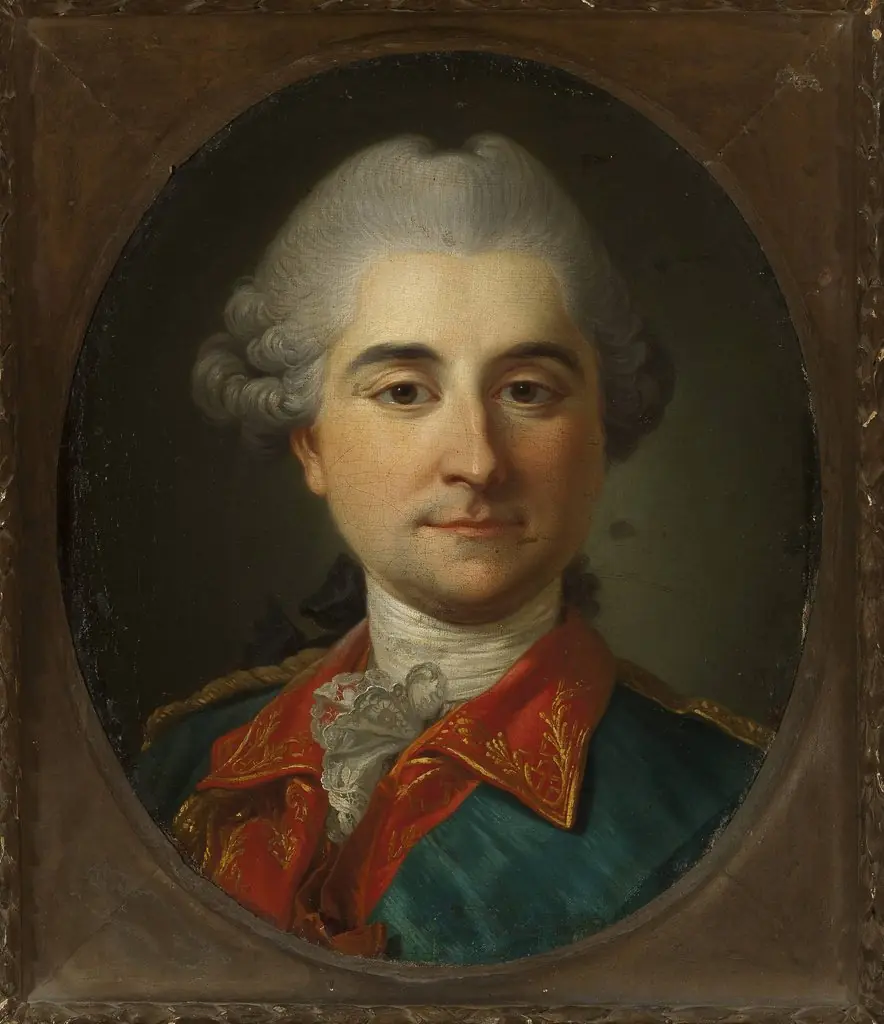 Portrait of Stanisław August Poniatowski
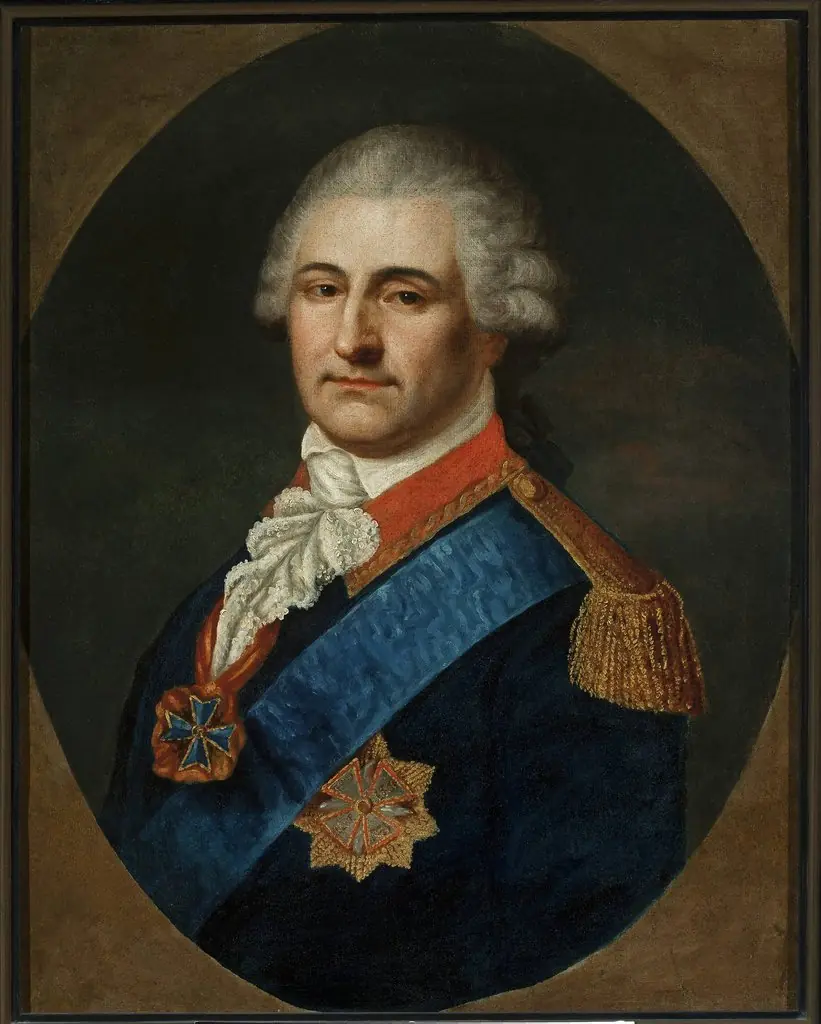 Portrait of Stanisław August Poniatowski in the general’s uniform
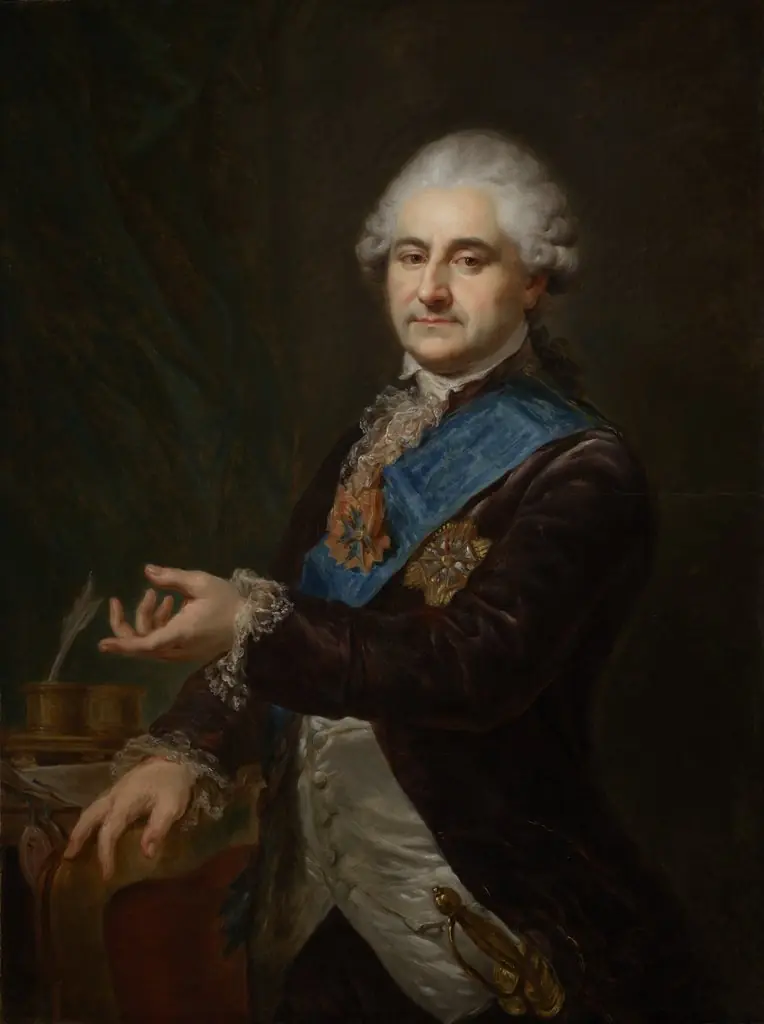 Portrait of Stanislaus Augustus Poniatowski (1732–1798)
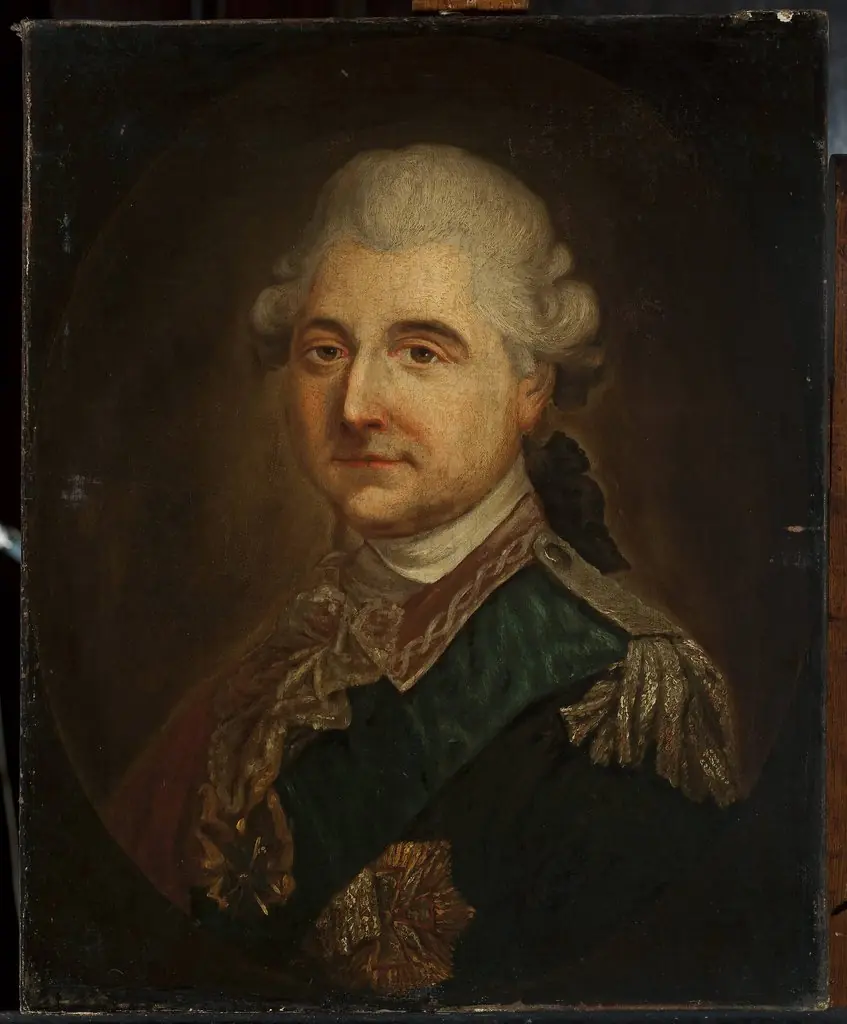 Portrait of Stanisław August Poniatowski in the uniform of the head of the Corps of Cadets
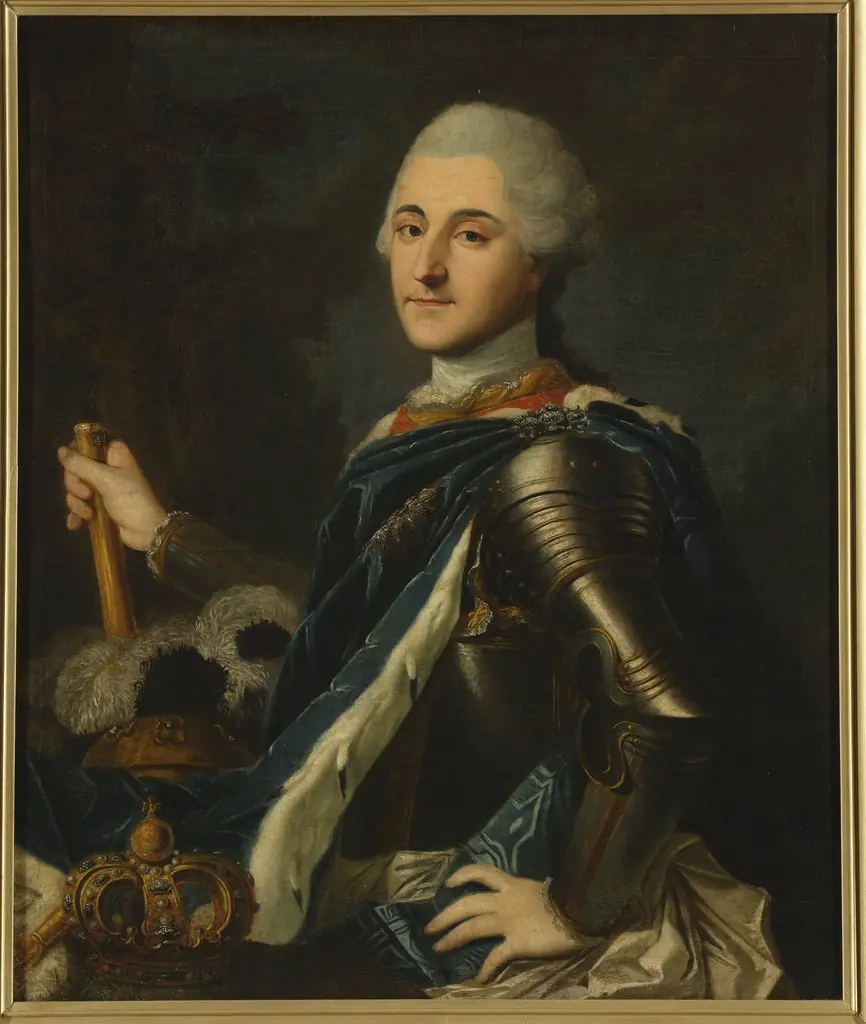 Portrait of king Stanisław August in armour
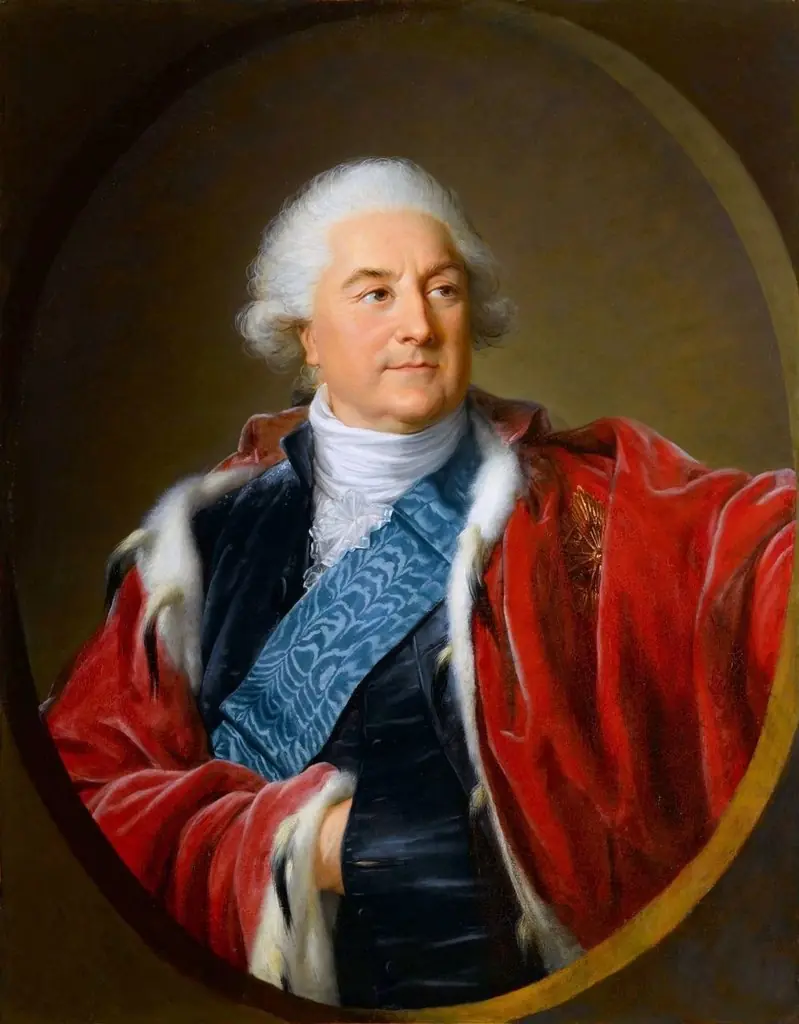 Portrait of Stanislaus Augustus Poniatowski, king of Poland
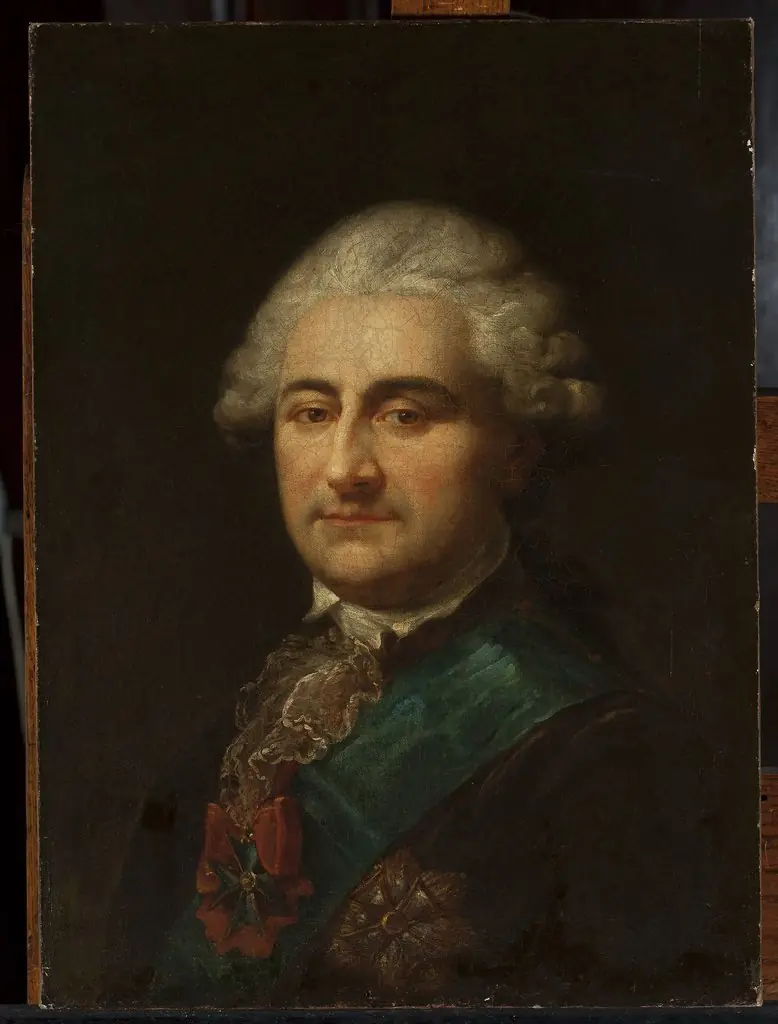 Portrait of Stanisław August Poniatowski with the Order of the White Eagle
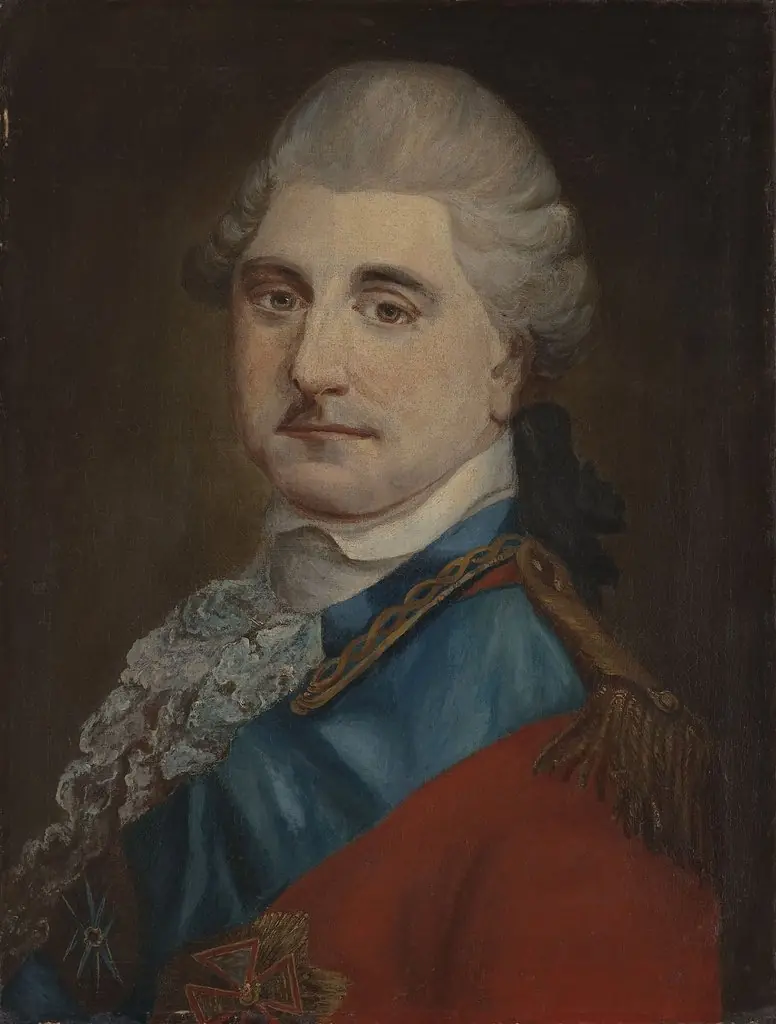 Portrait of Stanisław August Poniatowski in the uniform of the head of the Corps of Cadets
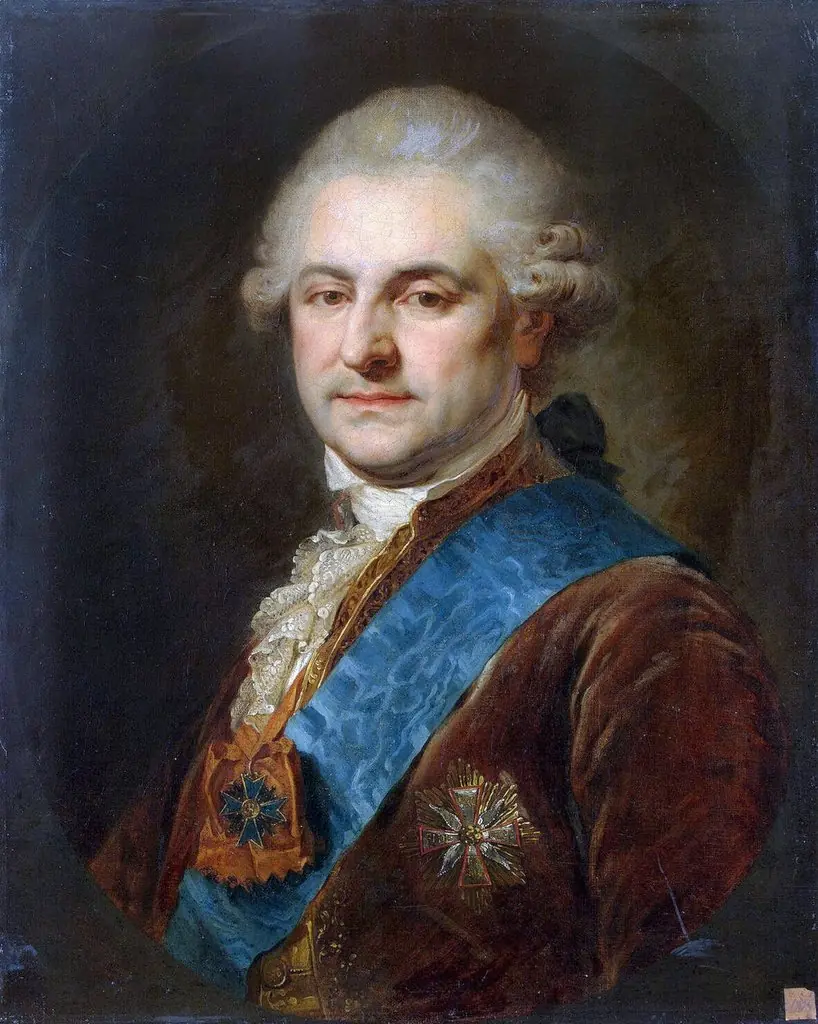 Portrait of Stanislas-Auguste Poniatowski