Artwork
Portrait of a lady
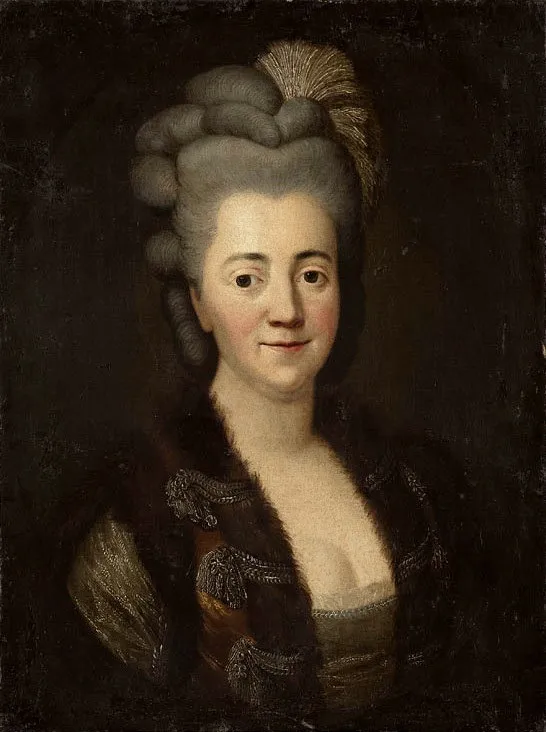
Portrait of a lady is an oil painting by the Rococo painting artist Konstanty Aleksandrowicz. It dates from 1792 and is held in the collection of the National Museum in Warsaw.
About this work
Overview
Konstanty Aleksandrowicz’s oil painting, dated 1792, presents a solitary female sitter whose identity remains unknown. Executed on canvas, the work is part of the collection of the National Museum in Warsaw. The composition isolates the figure against a stark black backdrop, emphasizing her presence through contrast and careful rendering of texture.
Subject & Meaning
The portrait features a light‑skinned woman adorned with an elaborate white wig piled high, a fashion statement of the late eighteenth century. She wears a dark dress trimmed with fur and edged with delicate lace at the neckline. Her expression is composed, with gentle shading beneath the eyes and cheeks that suggests a calm, perhaps introspective demeanor.
Technique & Style
Aleksandrowicz employs chiaroscuro, using deep shadows and bright highlights to model the figure’s form and to give the fur collar a tactile quality. The contrast between the luminous wig and the dark fabric, set against the black background, creates a three‑dimensional effect that draws the viewer’s eye to the sitter’s face and attire.
History & Provenance
Created in 1792, the painting entered the holdings of Warsaw’s National Museum, where it remains on display. Documentation traces its acquisition to the museum’s early 20th‑century collection efforts, though the original patron or commission details have not survived, leaving the sitter’s identity and the work’s early ownership uncertain.
Context
The portrait reflects the aesthetic preferences of the Polish–Lithuanian Commonwealth’s aristocratic circles in the final decades before the partitions.
The portrait reflects the aesthetic preferences of the Polish–Lithuanian Commonwealth’s aristocratic circles in the final decades before the partitions. The high white wig and fur‑trimmed dress align with contemporary European fashion, while the subdued background and focus on individual character echo the Enlightenment’s interest in personal portraiture as a means of recording status and identity.
Artist & collection
Artist
Polish portrait painter working in the 1780s, Konstanty Aleksandrowicz put the faces of powerful people on canvas.

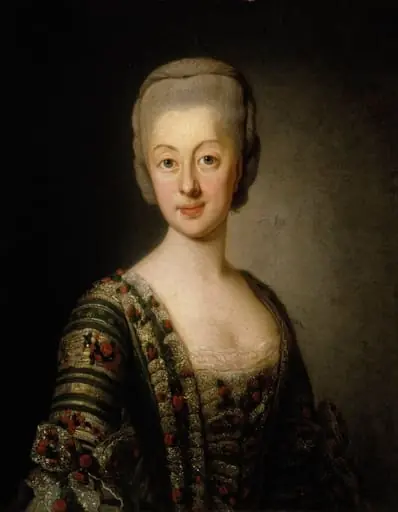 Kuningatar Sofia Magdalena
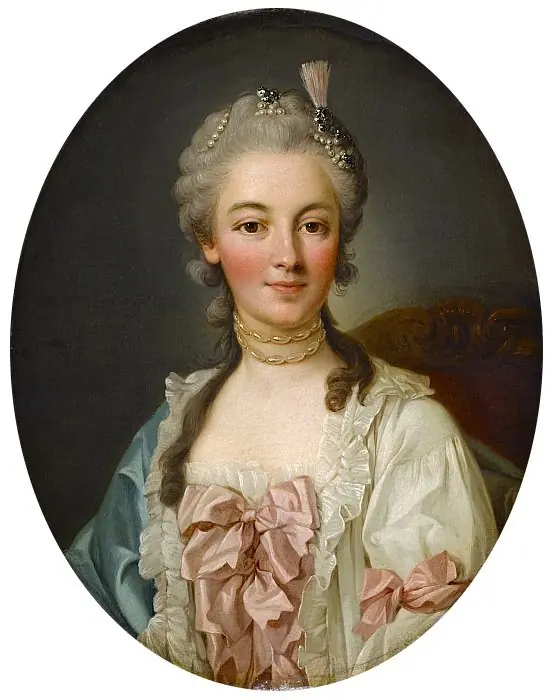 Countess Teresa Kinska Poniatowska
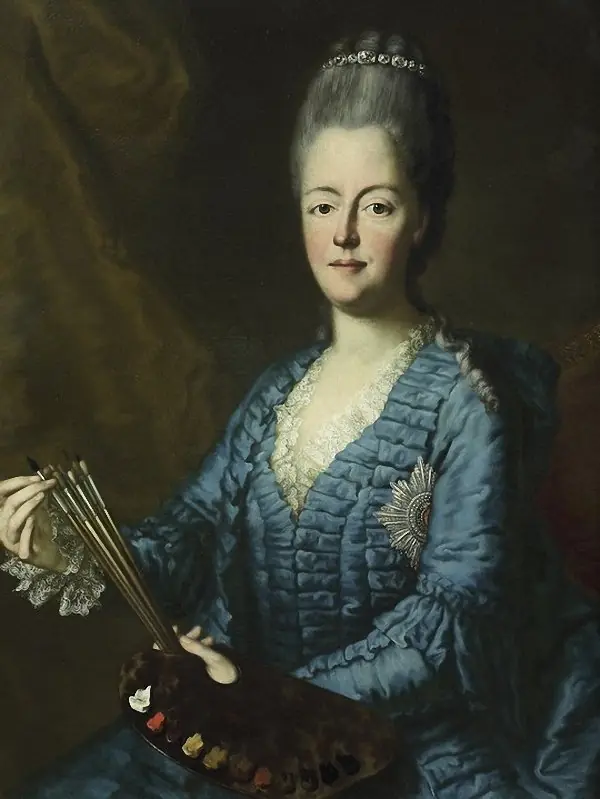 Self-portrait
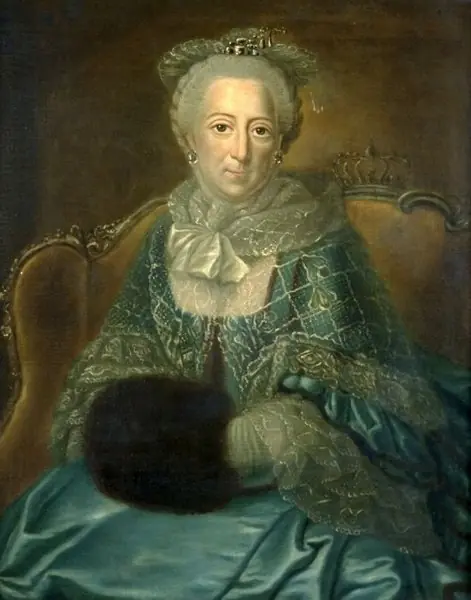 Herzogin Philippine Charlotte von Braunschweig, geb. Prinzessin von Preußen (1716-1801)
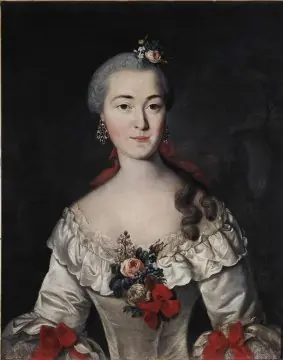 Portrait of M.I. Tatischeva
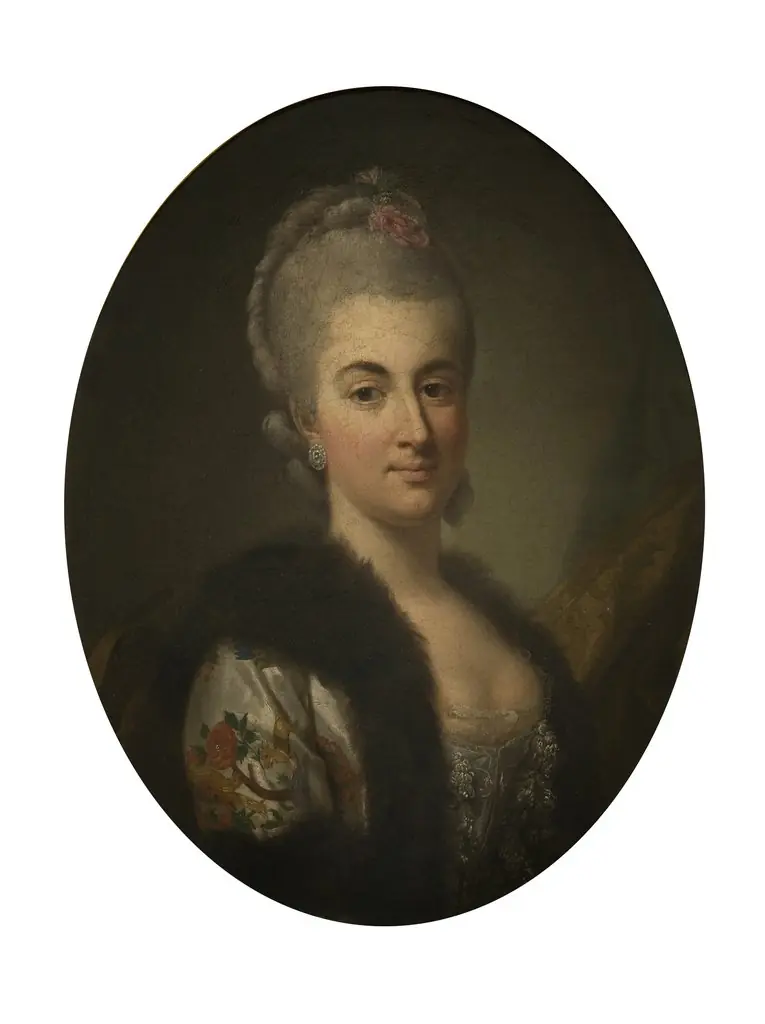 Portrait of Konstancja Poniatowska née Czartoryska
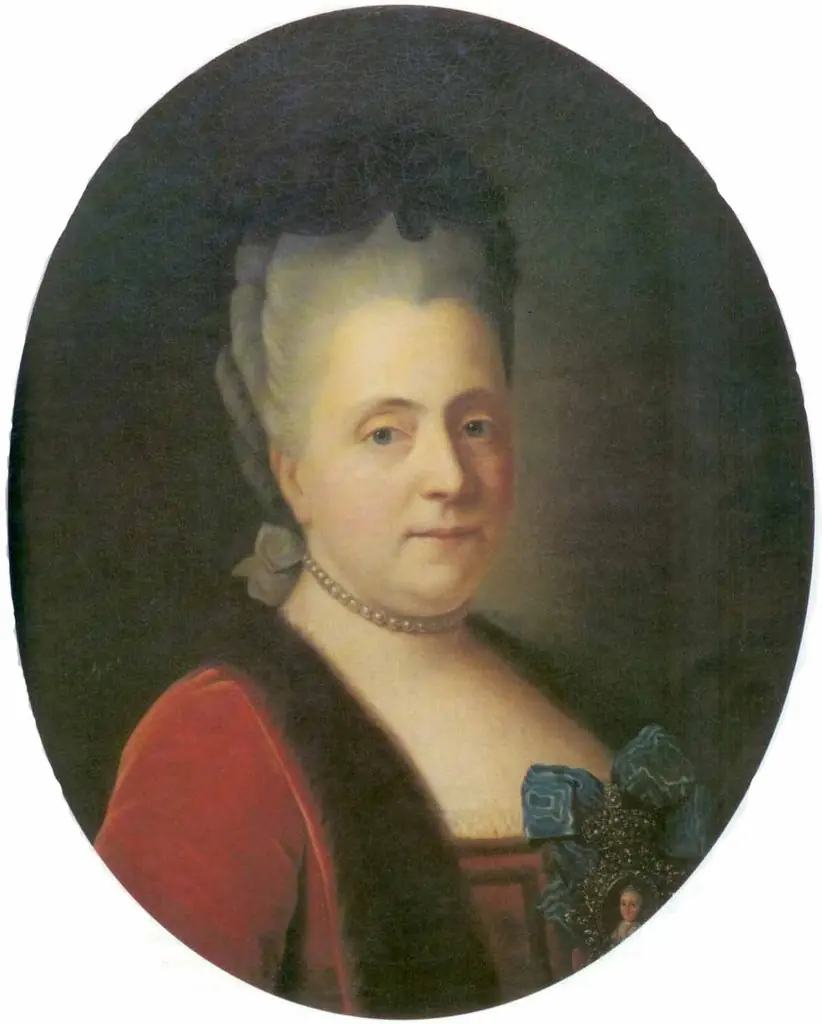 Porträt der Daria Golitsyna
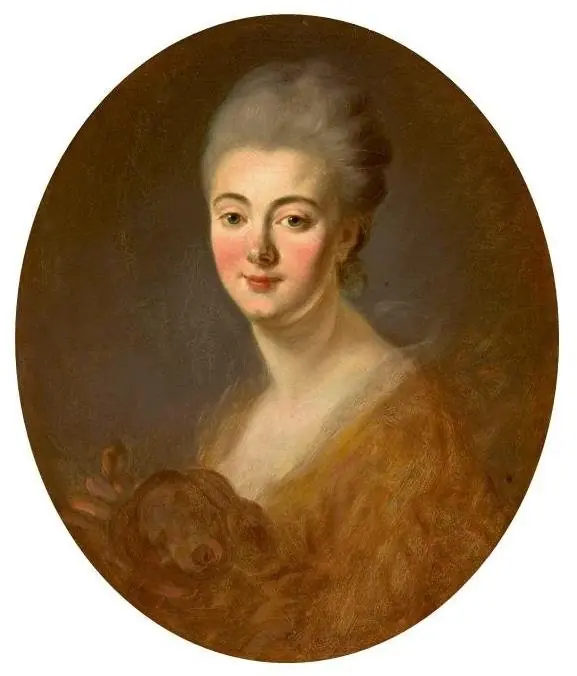 Portrait of Elisabeth-Sophie-Constance de Lowendhal, Countess of Turpin de Crissé
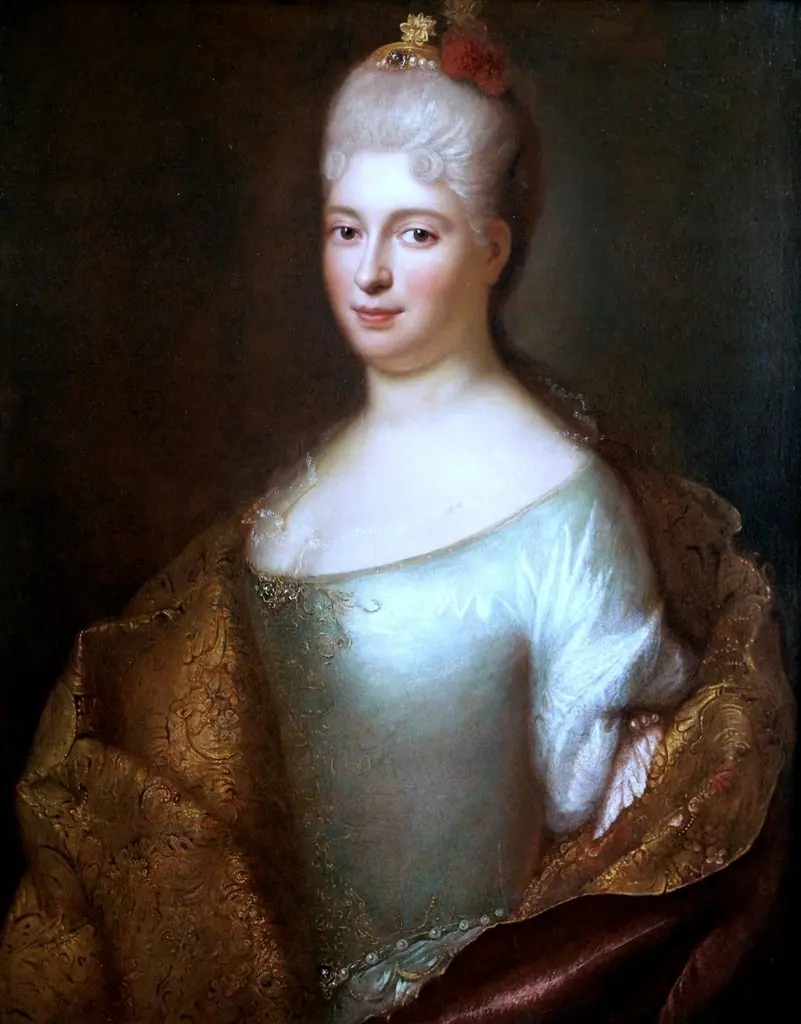 Portrait of Elżbieta Sieniawska.
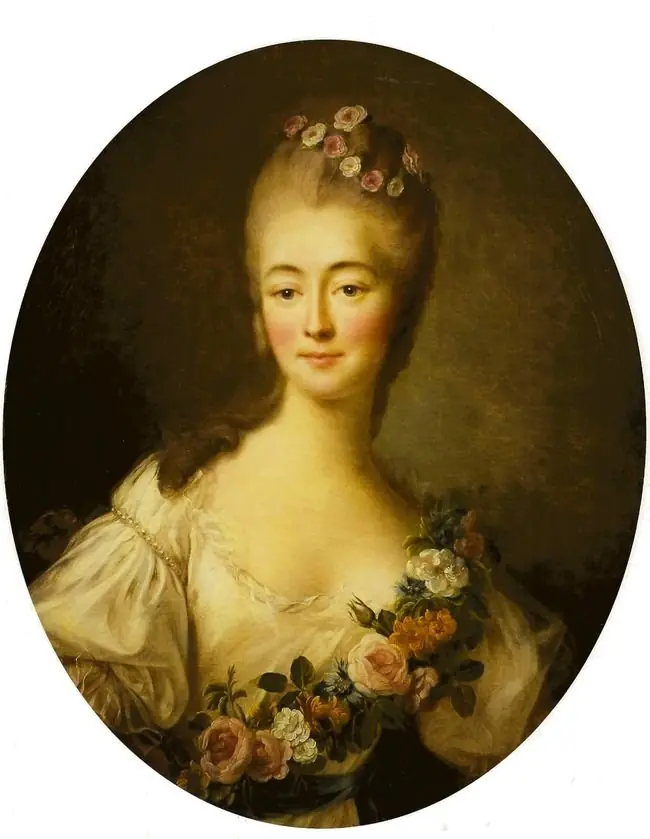 Portrait of the Countess Du Barry as Flora
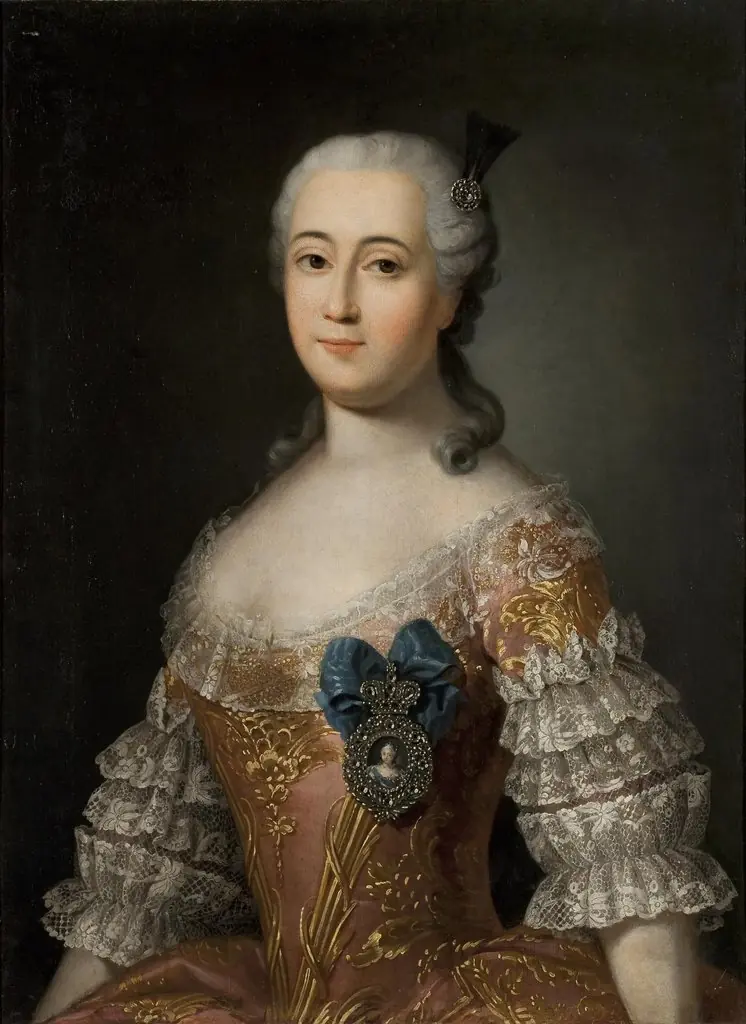 Portrait of a Woman
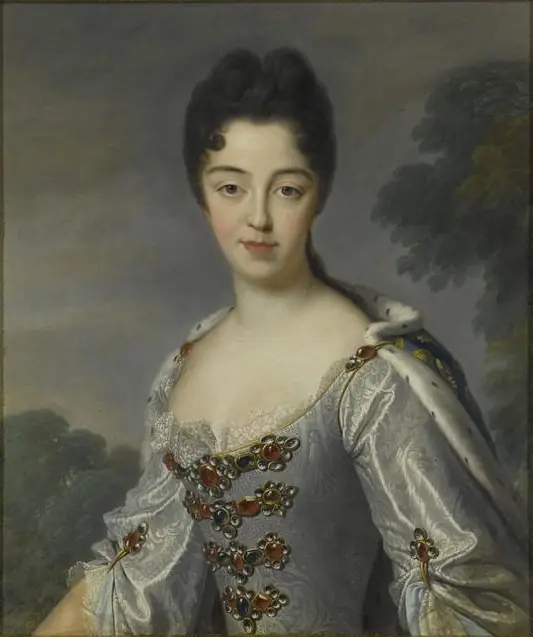 Marie Adélaïde of Savoy, Duchess of Burgundy