Artwork
Άτιτλο
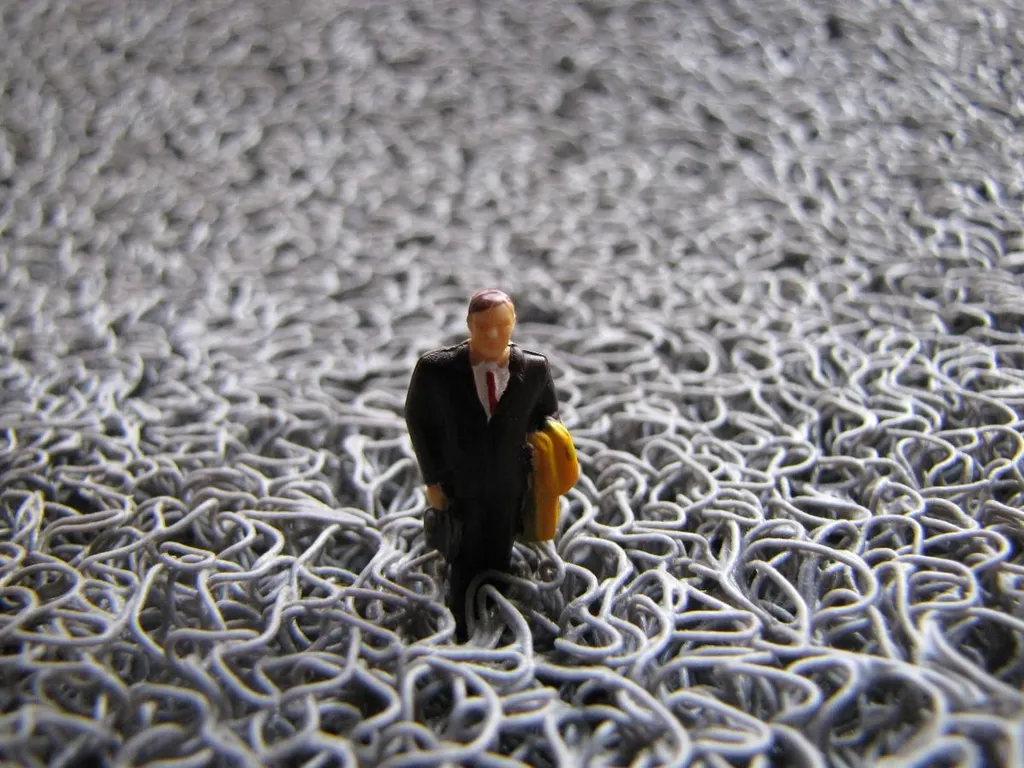
Άτιτλο is a photography by KORINA KASSIANOU. It dates from 2011 and is held in the collection of the Athens School of Fine Arts.
About this work
Overview
This work is a photographic record from a temporary public installation, part of a broader project examining transient interventions in urban environments. The image captures a momentary arrangement meant to be experienced in situ before its dissolution. Its ambiguity invites viewers to consider the impermanence of objects placed in public view, without offering clear symbolic resolution.
Subject & Meaning
The subject resists definitive identification, deliberately evading literal interpretation. It functions as a placeholder for collective attention—something placed, observed, and then forgotten. The work reflects on how public space is momentarily reshaped by unnoticed acts, questioning what we choose to memorialize and what we allow to vanish.
Technique & Style
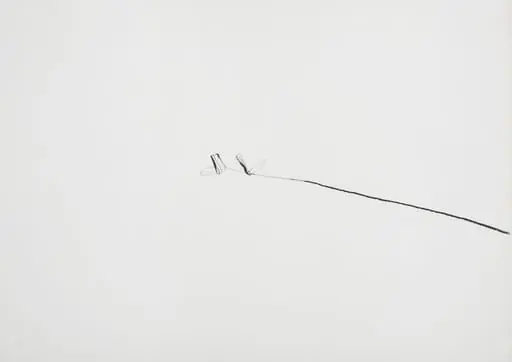
The photograph employs subtle tonal gradations to suggest form without sharp definition, enhancing the sense of ambiguity. Lighting is muted and diffuse, avoiding dramatic contrast. This restrained visual language aligns with the theme of ephemerality, where clarity gives way to memory and suggestion.
History & Provenance
The photograph originates from a series of site-specific, short-lived installations created in urban settings between 2018 and 2021. Each intervention was documented before removal, with no physical remnants preserved. This image is one of many in an archive that serves as the sole evidence of the original works.
Context
The project emerged in response to increasing standardization of public space and the decline of informal, temporary expressions within cities. It aligns with broader artistic inquiries into impermanence, surveillance, and the quiet resistance of ephemeral acts against institutional permanence.
Legacy
The work contributes to a lineage of conceptual practices that prioritize process over object. Its legacy lies not in physical preservation but in its documentation, which continues to circulate as a meditation on absence, memory, and the fleeting nature of public engagement.
Artist & collection
Artist