Artwork
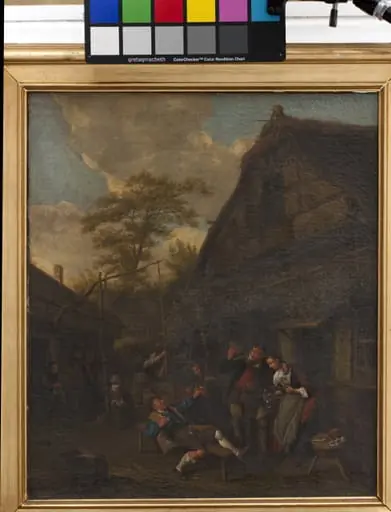
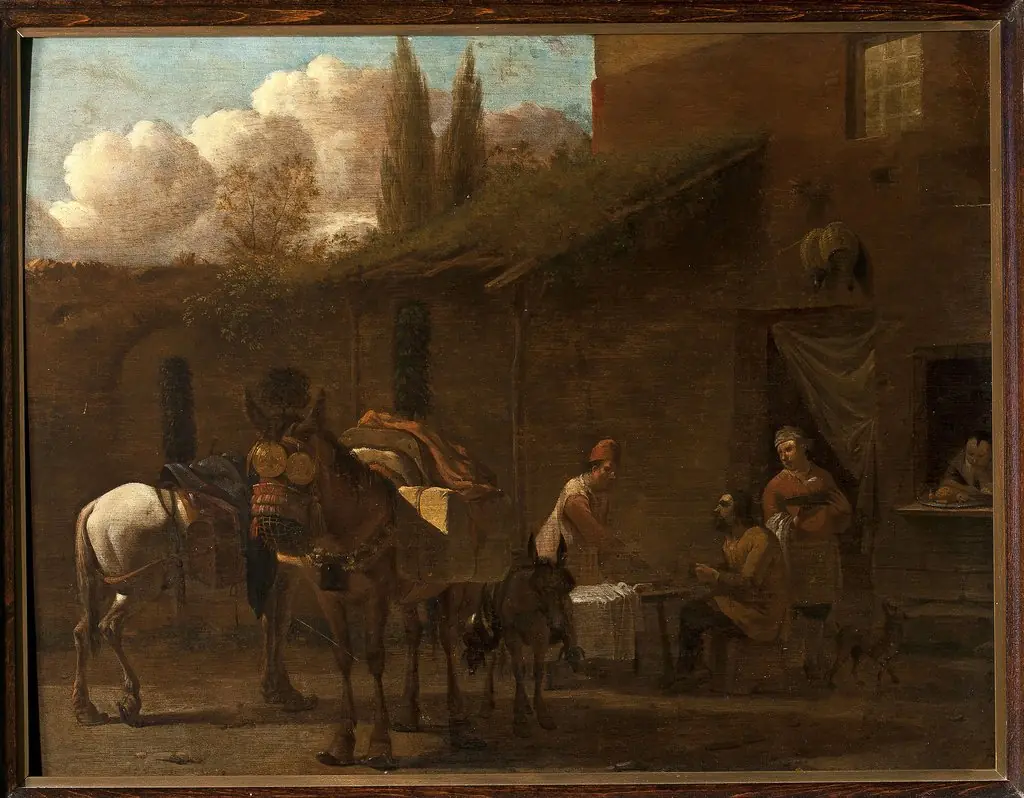
Scene in front of a tavern
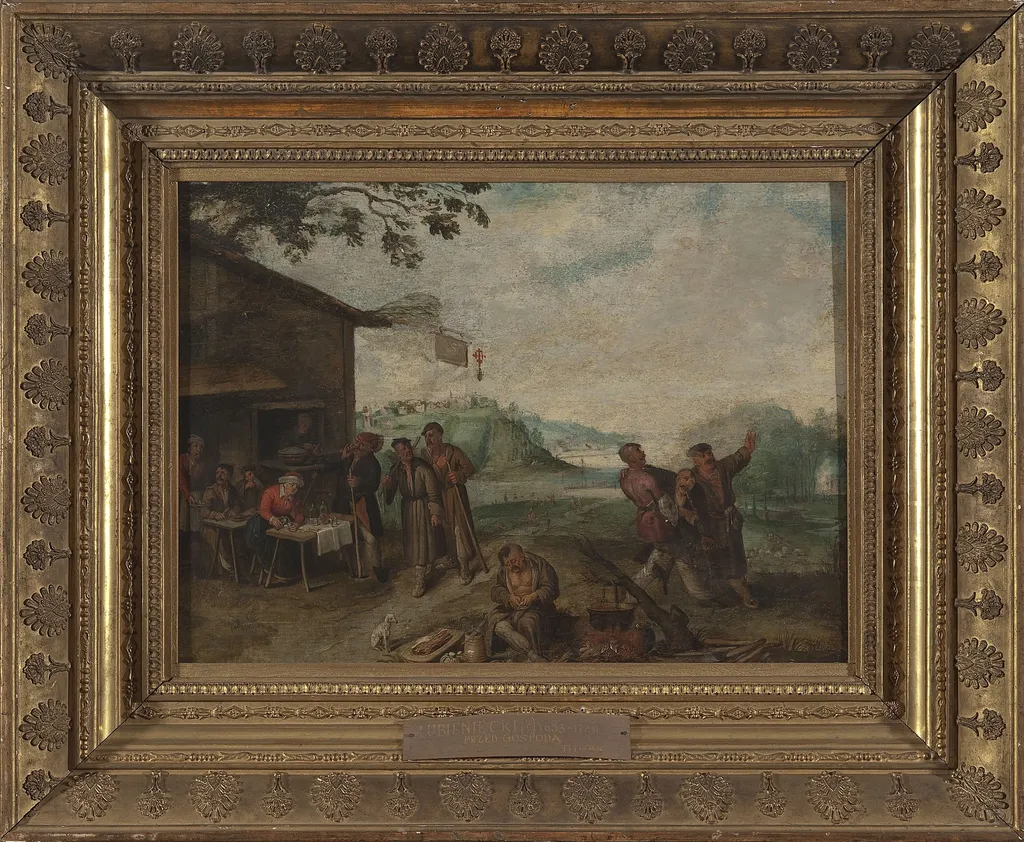
Scene in front of a tavern is an oil painting by Krzysztof Lubieniecki. It dates from 1704 and is held in the collection of the National Museum in Warsaw.
About this work
Overview
It is now part of the National Museum in Warsaw’s collection, preserved as an example of transnational artistic exchange in the Baroque period.
Krzysztof Lubieniecki, a Polish artist active in Amsterdam during the early 18th century, painted this oil-on-canvas scene around 1704. Though little is known of his personal life, his work reflects the influence of Dutch genre painting. The piece depicts a moment of everyday life outside a tavern, capturing figures in casual interaction. It is now part of the National Museum in Warsaw’s collection, preserved as an example of transnational artistic exchange in the Baroque period.
Subject & Meaning
The painting portrays a group of individuals gathered near a tavern entrance, engaged in conversation, drinking, or resting. No single narrative dominates; instead, the scene conveys the quiet rhythm of urban labor and leisure. Figures are rendered with subtle individuality, suggesting Lubieniecki’s interest in ordinary people rather than idealized types. The setting implies a threshold between public and private life, common in Dutch-inspired genre works of the era.
Technique & Style
Lubieniecki employed oil paint with a restrained palette and careful modeling of light to define forms and textures. His brushwork is precise but not overly detailed, favoring atmospheric cohesion over ornamental flourish. Subtle glazing may have been used to deepen shadows and soften transitions, a technique common among Dutch painters. The composition is balanced yet informal, guiding the viewer’s eye through natural groupings of figures and architectural elements.
History & Provenance
The painting was likely created during Lubieniecki’s time in Amsterdam, where he lived and worked alongside Dutch artists. It remained in private hands until entering the National Museum in Warsaw’s collection, possibly through 19th-century acquisitions of Polish diaspora art. Its preservation reflects its value as a rare surviving work by a Polish artist embedded in the Dutch Golden Age milieu, offering insight into cross-cultural artistic practice.
Context
In early 18th-century Amsterdam, Polish artists like Lubieniecki were part of a broader community of foreign painters drawn to the city’s thriving art market. Genre scenes of taverns and street life were popular among Dutch patrons, and Lubieniecki adapted this tradition with his own sensibility. His work bridges Polish training and Dutch aesthetic norms, illustrating how artistic styles circulated across borders during the Baroque era.
Legacy
Though Lubieniecki is not widely known today, this painting contributes to the understanding of Polish artists’ roles in Northern European art circles. It stands as a quiet testament to the mobility of artists and the blending of regional styles. Its presence in a major national museum underscores its role in documenting the diverse influences that shaped European visual culture beyond dominant national narratives.
Artist & collection
Artist
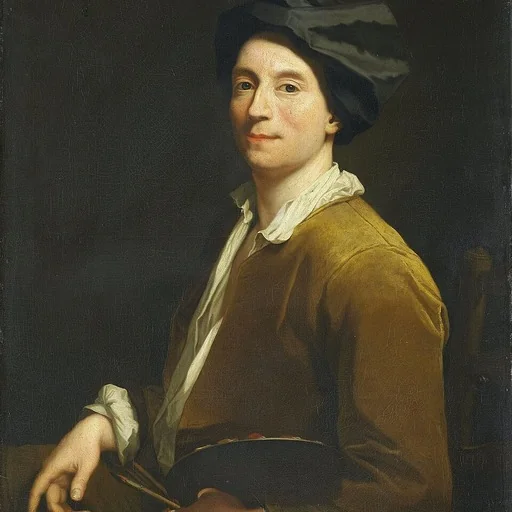
Krzysztof Lubieniecki or Christoffel Lubienietzky (1659–1729) was a Polish Baroque painter and engraver active in Amsterdam during the Dutch Golden Age.

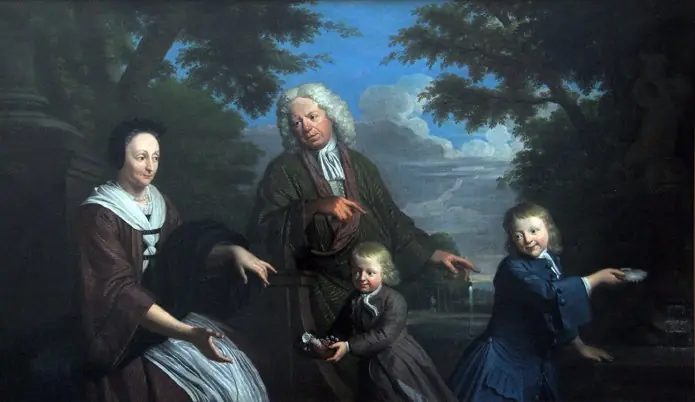 Family portrait of Gozewijn Centen
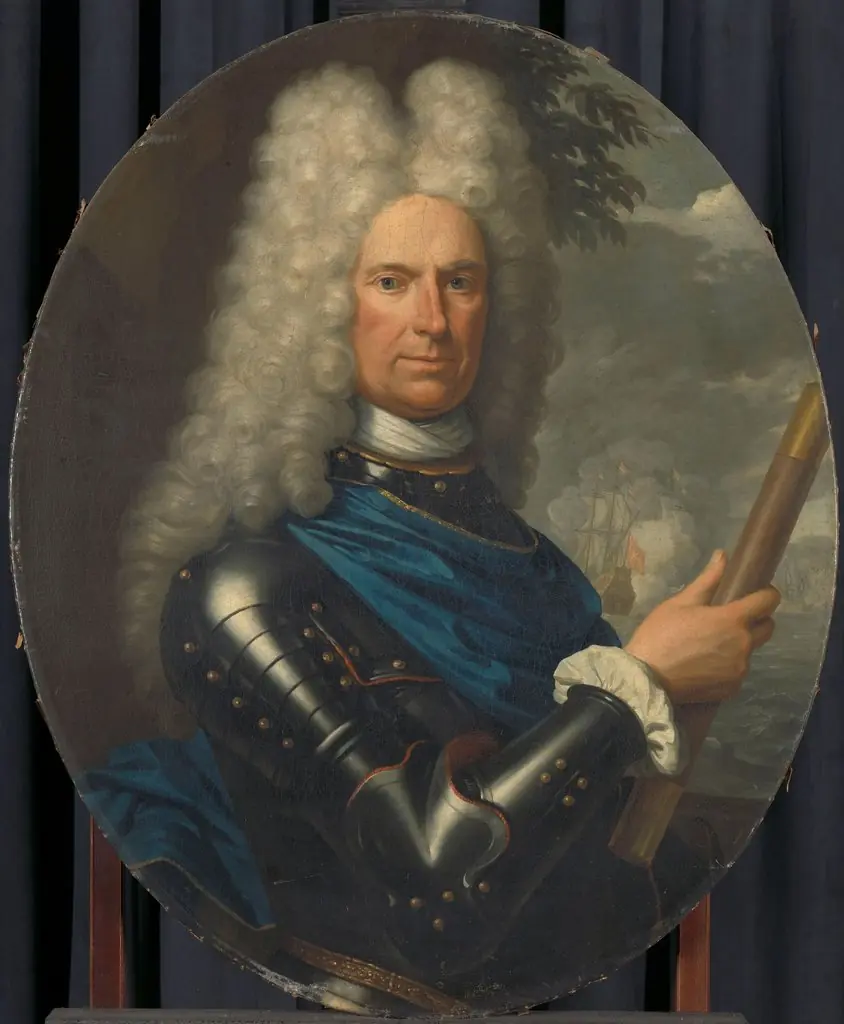 Portrait of Rear-Admiral Arent van Buren
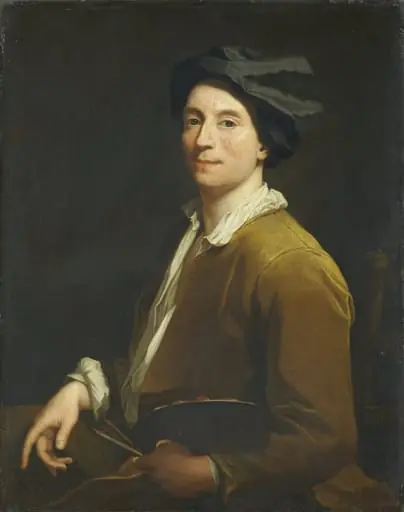 Portrait of a Painter, probably a Self Portrait
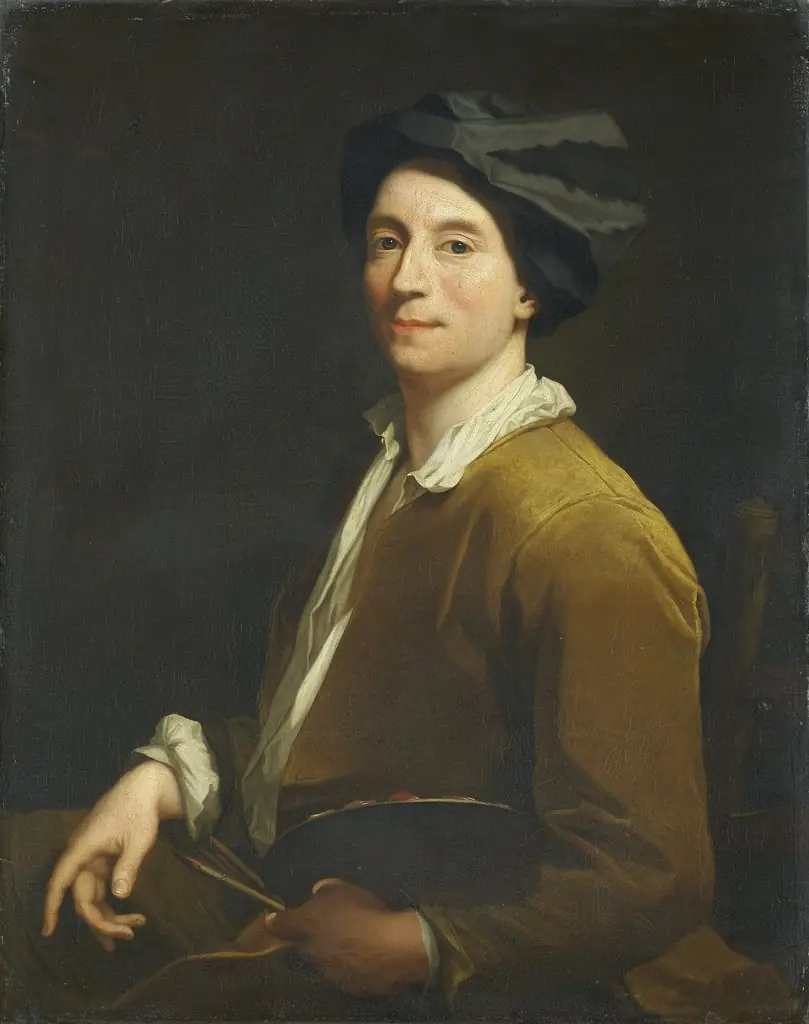 Portrait of a Painter, probably a Self Portrait
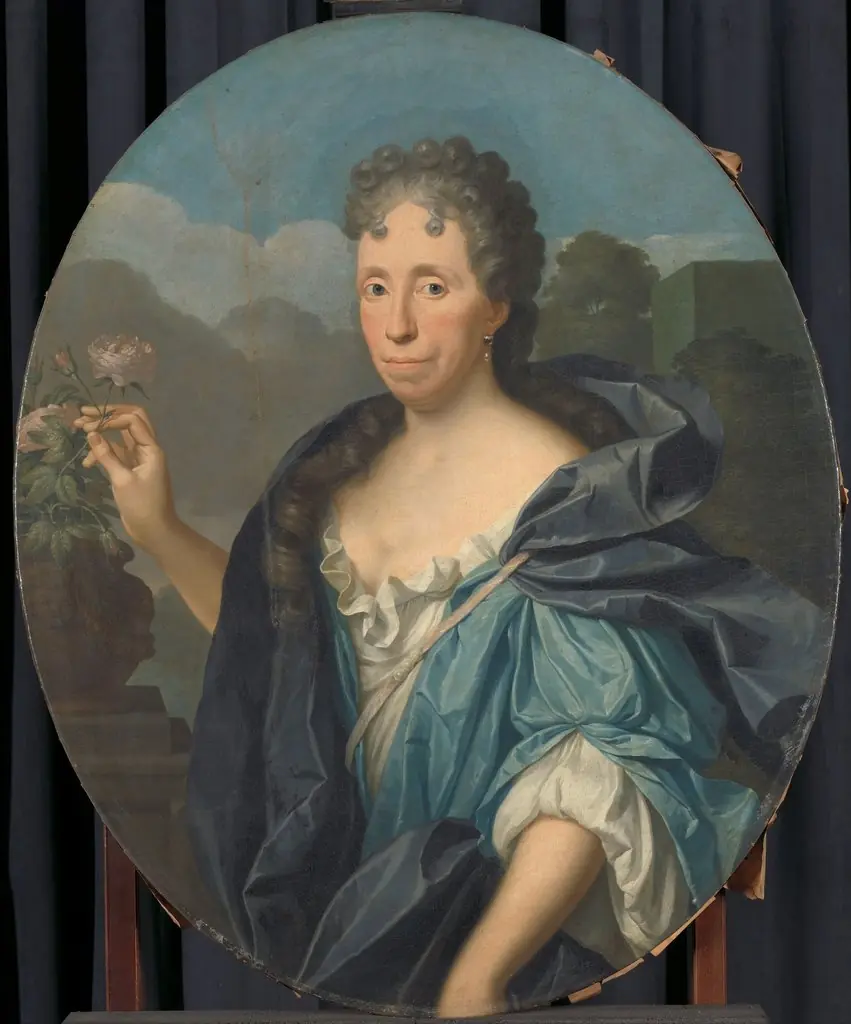 Portrait of Sabina Agneta d'Acquet, Wife of Arent van Buren
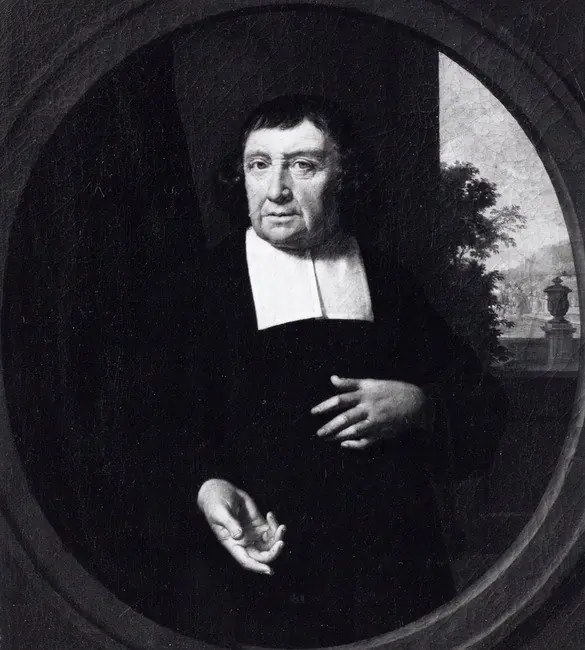 Portrait of Job Siewerts
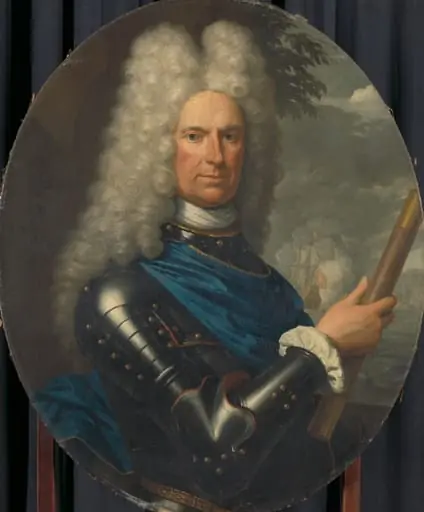 Portrait of Rear-Admiral Arent van Buren
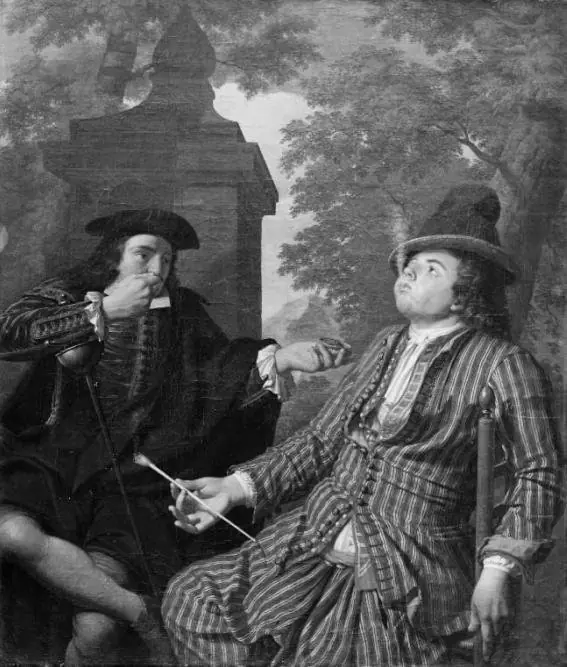 The Sense of Smell
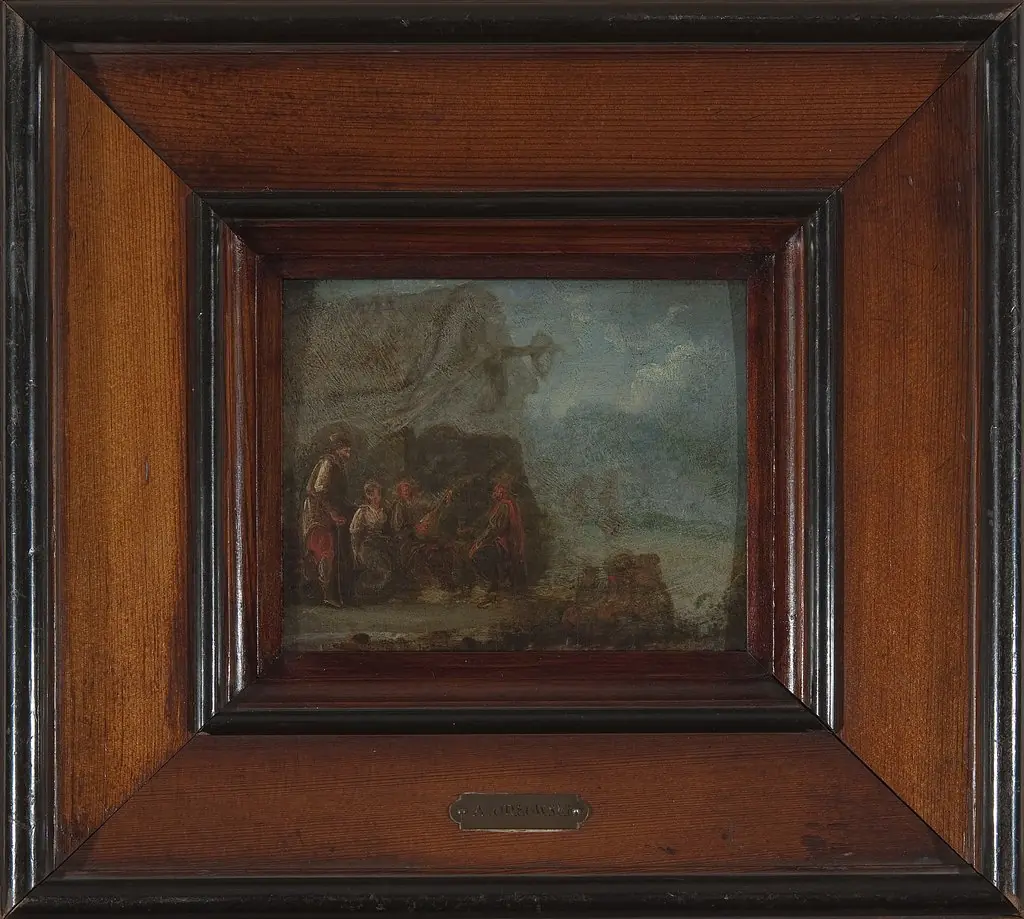 In front of a tent
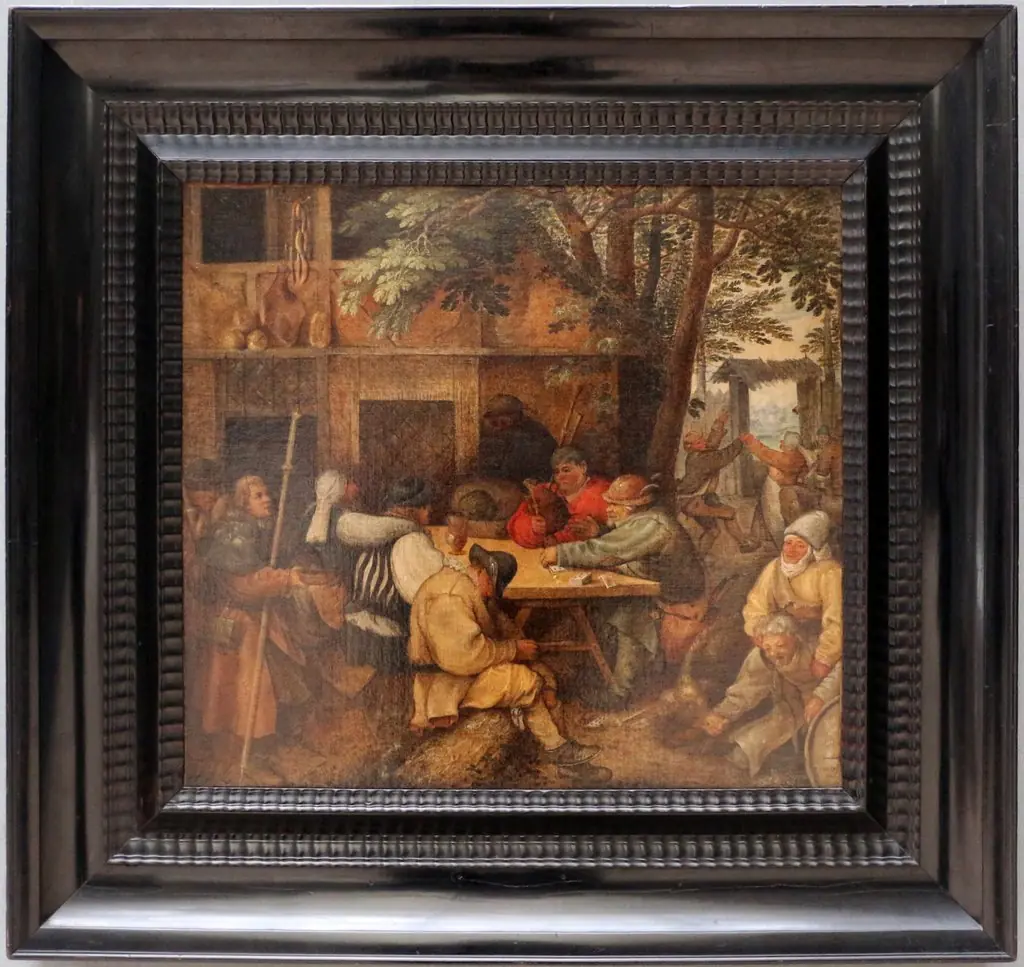 peasants at a table (Roelandt Savery)
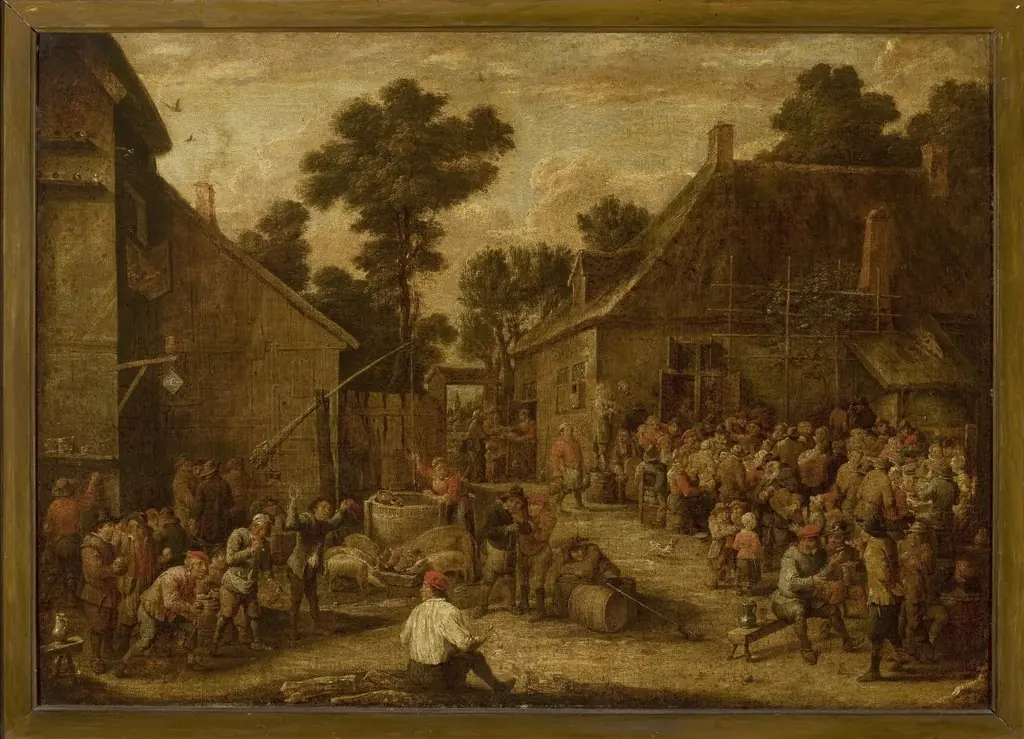 Merry-making in the countryside
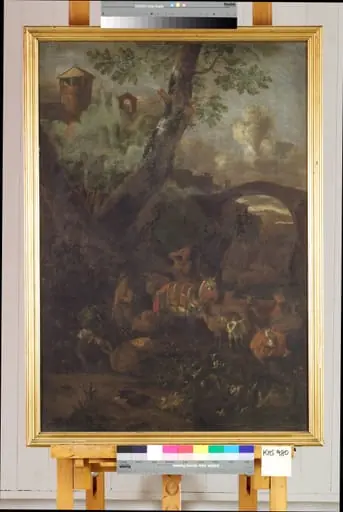 Landscape with Mules and Goats
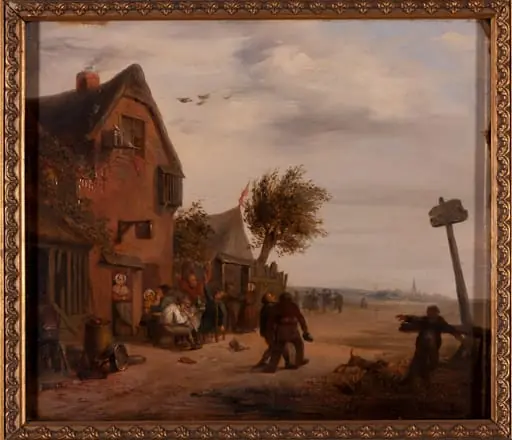 Dorflandschaft mit zechenden Bauern
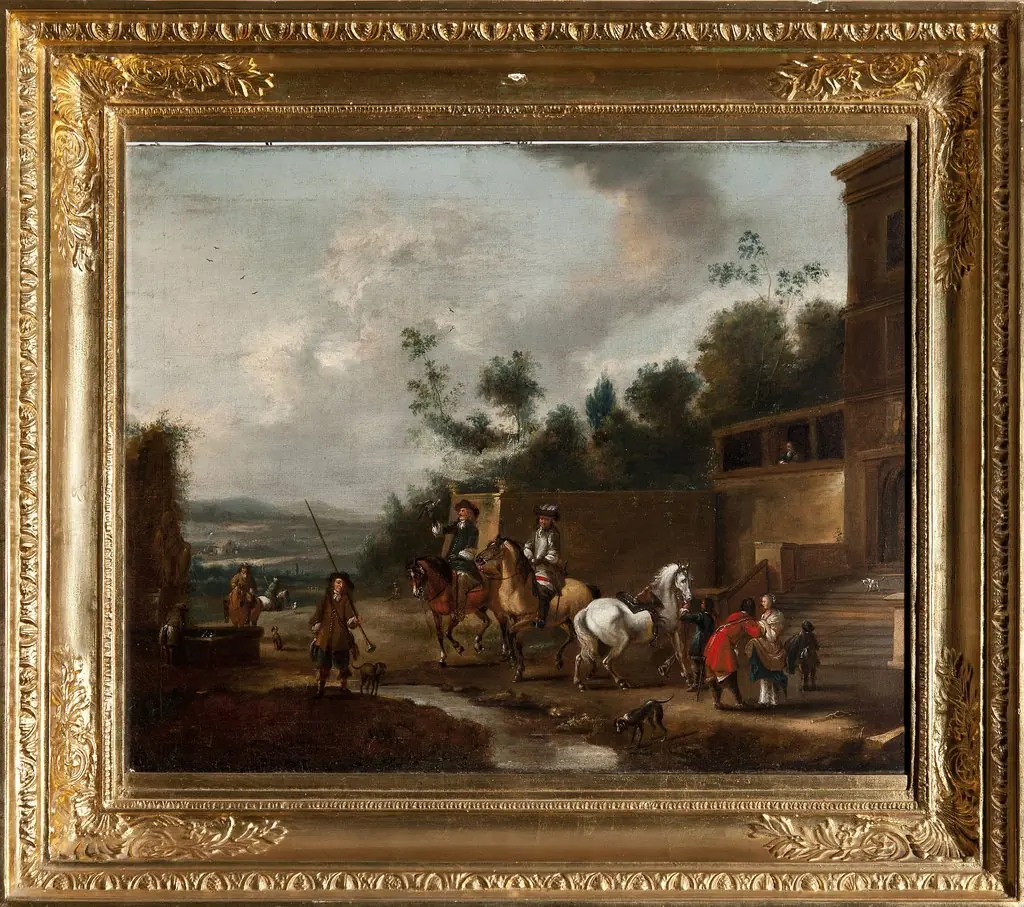 Departure for hunting
 Peasants outside an Inn
 Landschap met figuren bij een inham aan de zee
 andscape with Borgo
 Landscape
 De vastgelopen wagen
 In front of an inn