Artwork
Untitled
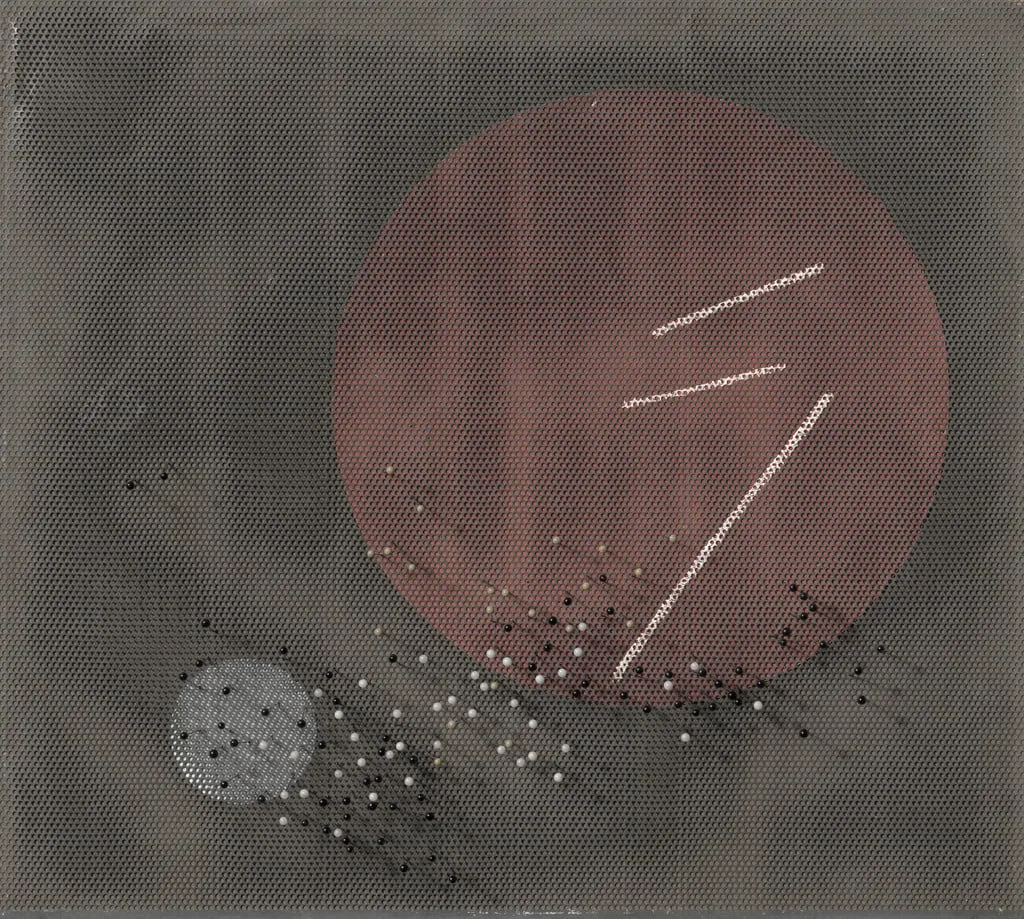
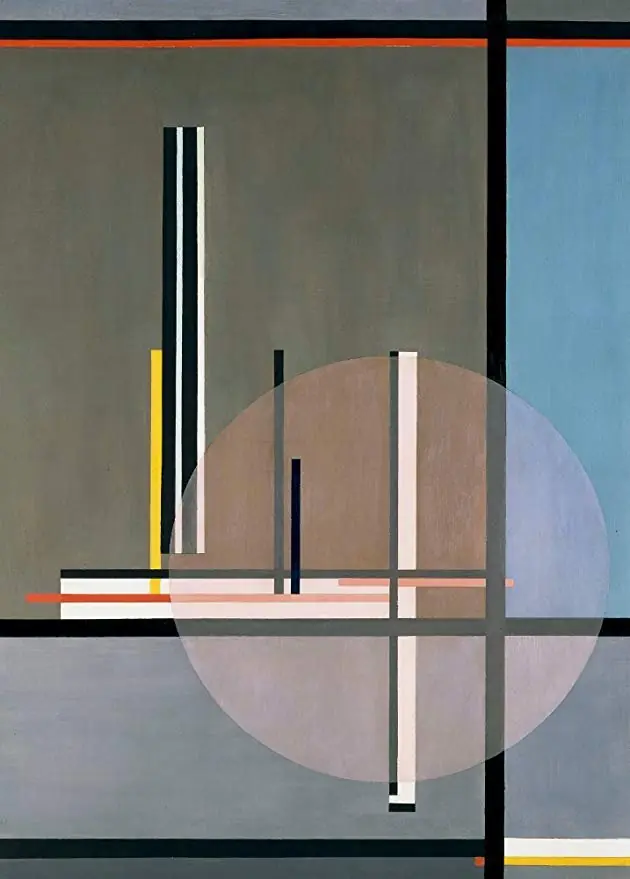
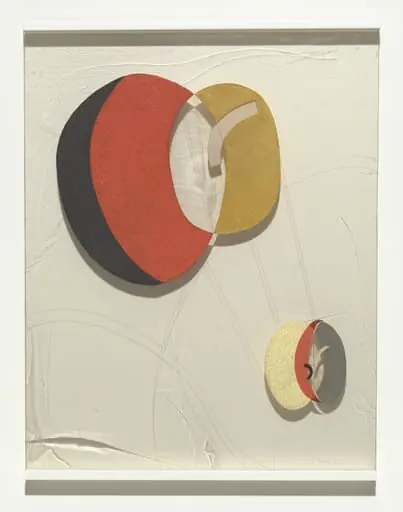
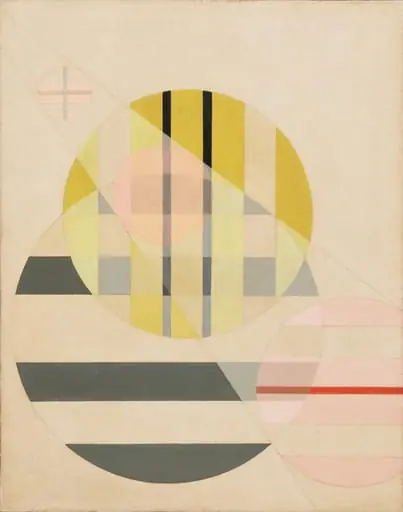
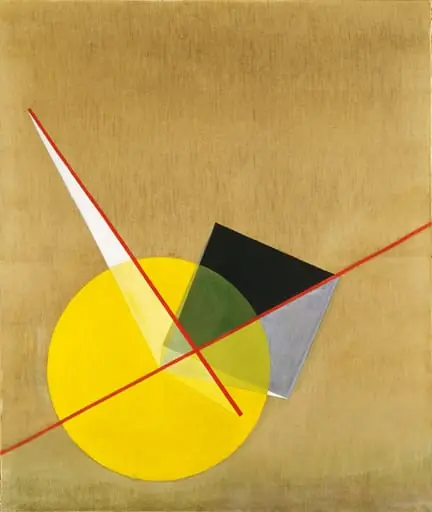
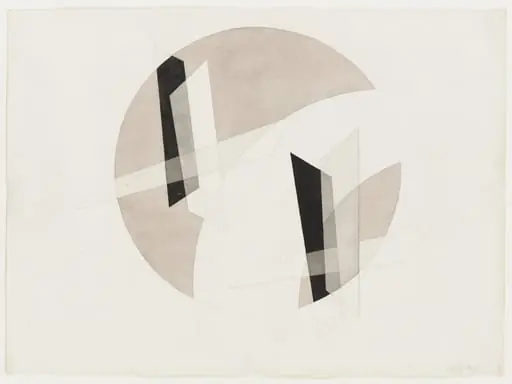
Untitled is an oil painting by the Constructivist artist László Moholy-Nagy. It dates from 1936 and is held in the collection of the Museum of Modern Art.
About this work
Overview
It resides in the collection of The Museum of Modern Art, where its hybrid nature challenges distinctions between painting and object.
Created in 1936, this oil painting by László Moholy-Nagy combines traditional media with unconventional materials. It is executed on perforated zinc and board, embedded with glass-headed pins that protrude from the surface. The work resists easy classification, blending painterly gestures with sculptural elements. It resides in the collection of The Museum of Modern Art, where its hybrid nature challenges distinctions between painting and object.
Subject & Meaning
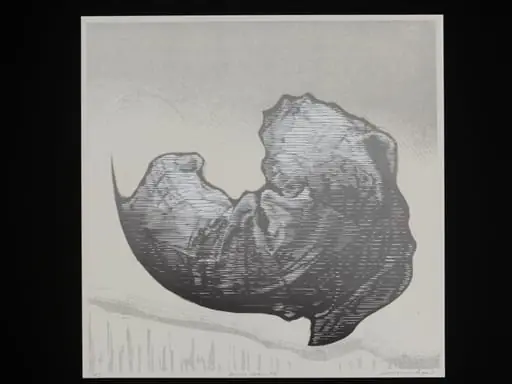
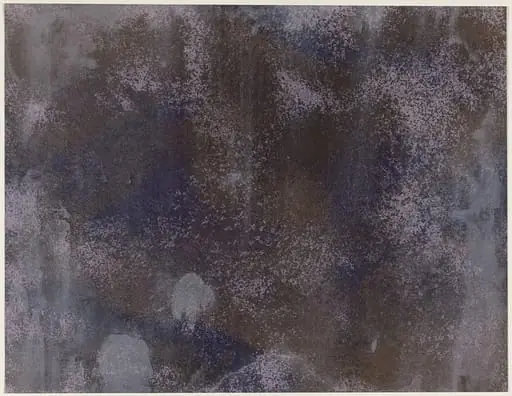
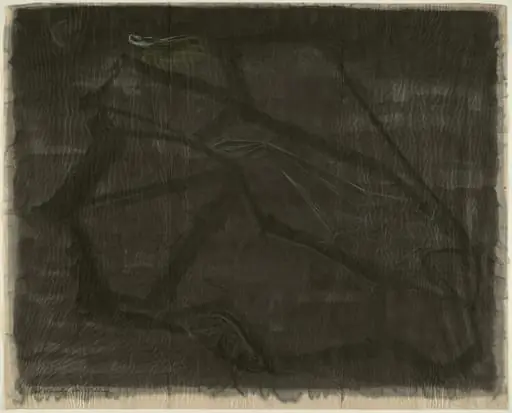
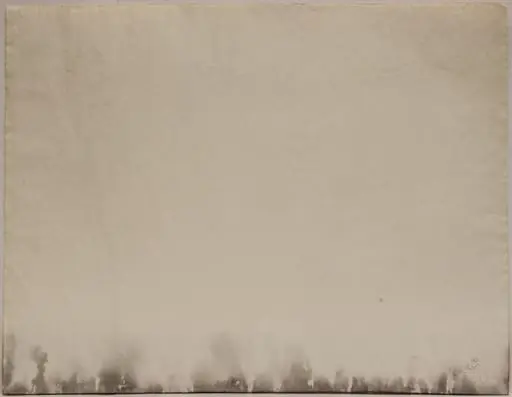
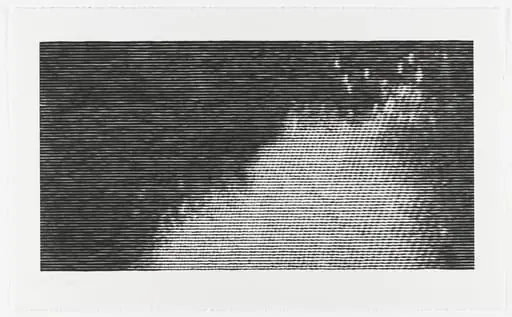
The work avoids figurative representation, instead presenting abstract arrangements of color and texture. A large, irregular rectangle in the upper right, rendered in red and brown, is interrupted by a sharp white line. Below, a scattered cluster of dots and splatters in white, black, and gray suggests chance or physical action. The inclusion of pins and perforations implies a tension between control and disorder, reflecting the artist’s interest in industrial materials and mechanized processes.
Technique & Style
Moholy-Nagy applied oil paint with thick, tactile layers, emphasizing surface variation. The support—perforated zinc and board—was altered physically, with glass-headed pins inserted to create three-dimensional interruptions. The paint’s texture, combined with the pins’ reflective surfaces and the substrate’s holes, generates a complex interplay of light and depth. This approach merges painting with assemblage, rejecting flatness in favor of material presence.
History & Provenance
The work was produced during Moholy-Nagy’s time in Europe, shortly before his emigration to the United States. It entered The Museum of Modern Art’s collection in the mid-20th century, recognized for its experimental character. Its preservation has required special attention due to the fragile integration of pins and perforated metal. No earlier ownership records are widely documented, but its inclusion in MoMA’s holdings underscores its significance in modernist discourse.
Context
Made during a period of intense exploration in abstract art, the work reflects Moholy-Nagy’s engagement with the Bauhaus ethos and his interest in industrial aesthetics. He sought to dissolve boundaries between art, design, and technology. The use of pins and metal aligns with contemporaneous experiments in materiality by artists like Kurt Schwitters and Jean Dubuffet, though Moholy-Nagy’s approach remains distinct in its precision and structural rigor.
Legacy
This piece contributed to the redefinition of painting as an expanded field, influencing later movements such as Arte Povera and object-based abstraction. Its integration of non-traditional materials and emphasis on physicality prefigured developments in postwar art. While not widely exhibited, it remains a key example of Moholy-Nagy’s radical rethinking of artistic media and the role of the object in modern art.
Artist & collection

Artist
László Moholy-Nagy was a Hungarian painter and photographer as well as a professor in the Bauhaus school.