Artwork
Untitled
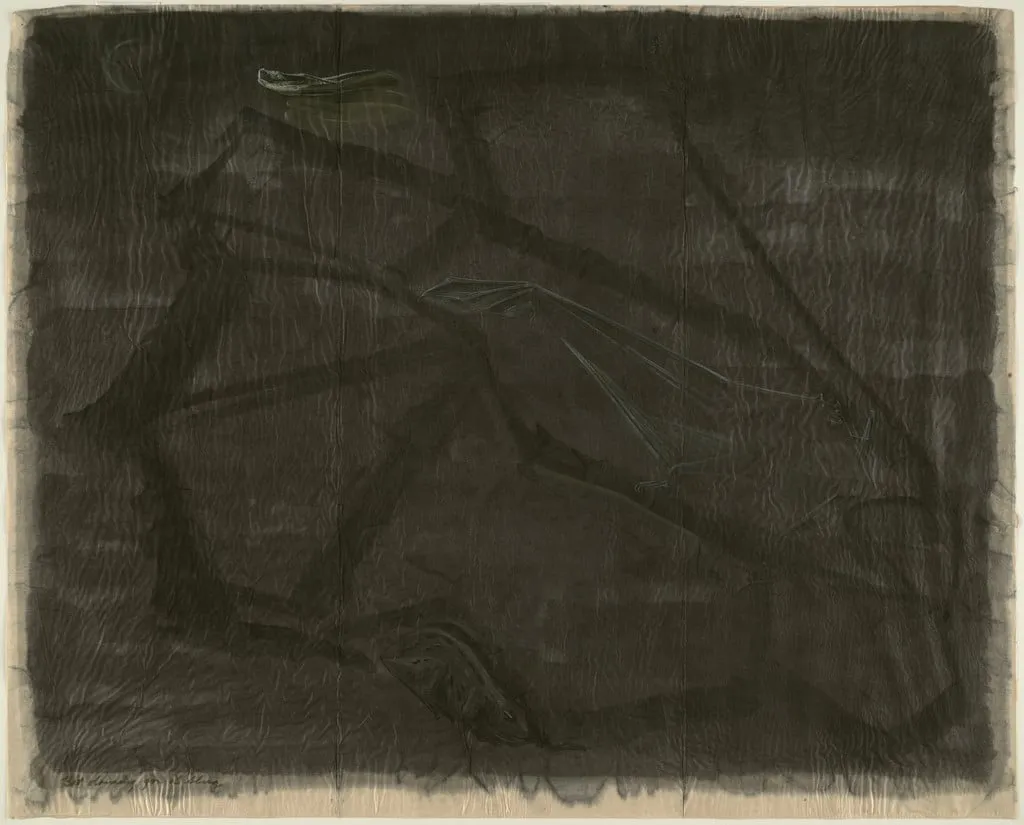
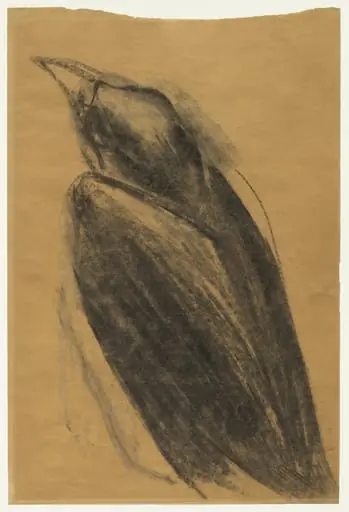
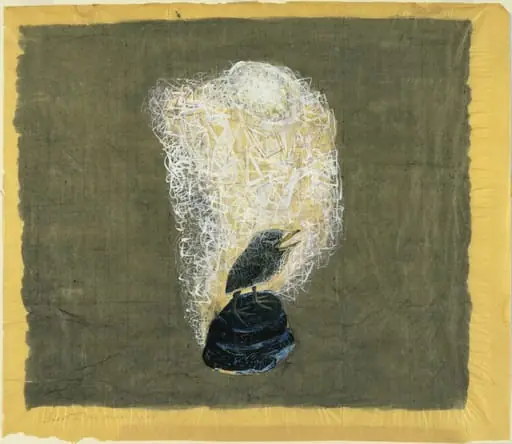
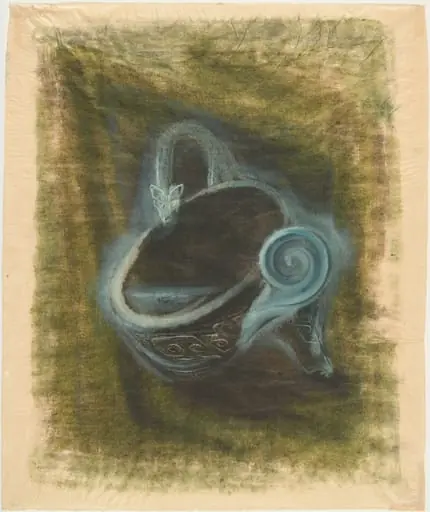
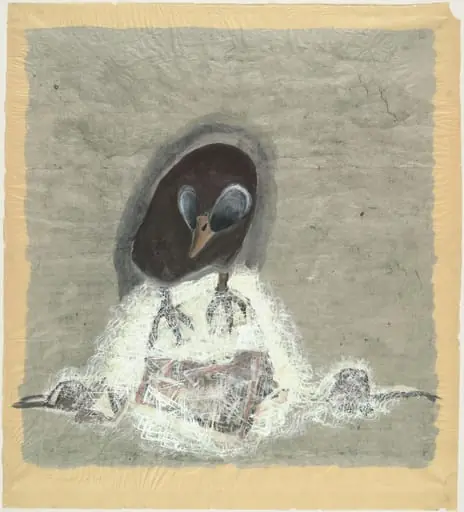
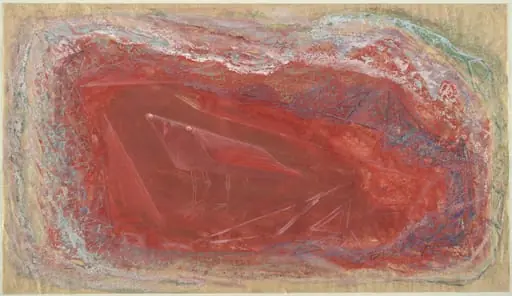
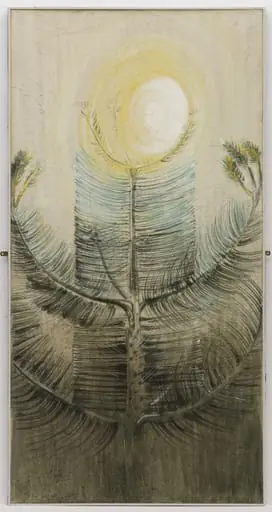
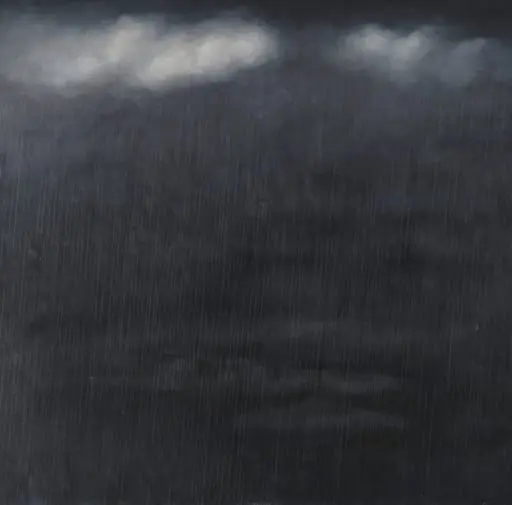
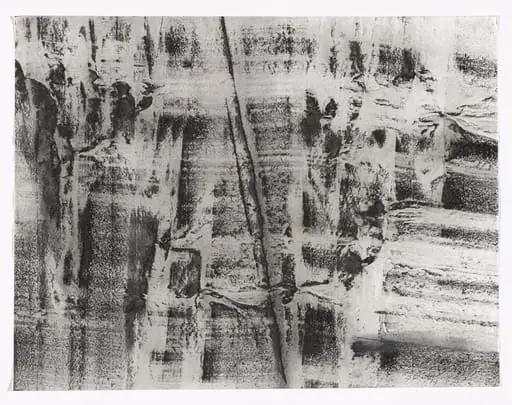
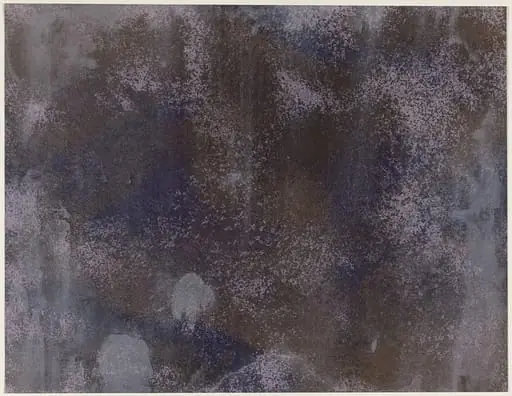
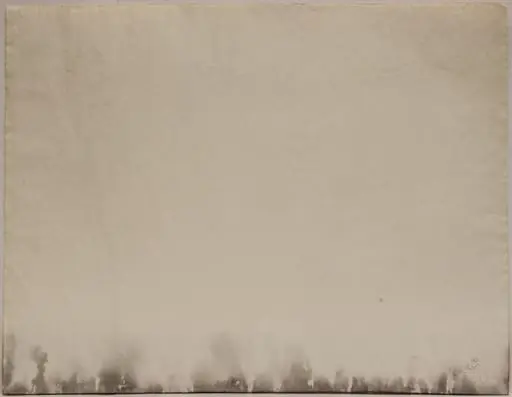
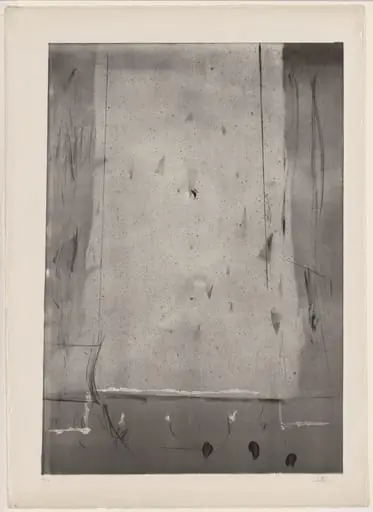
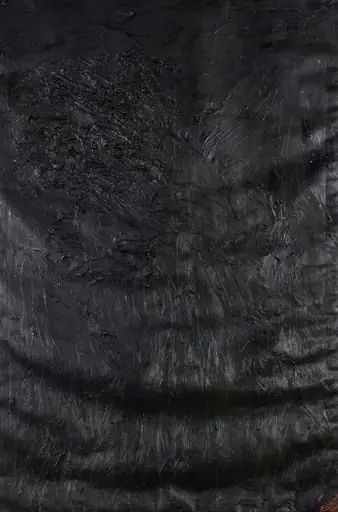
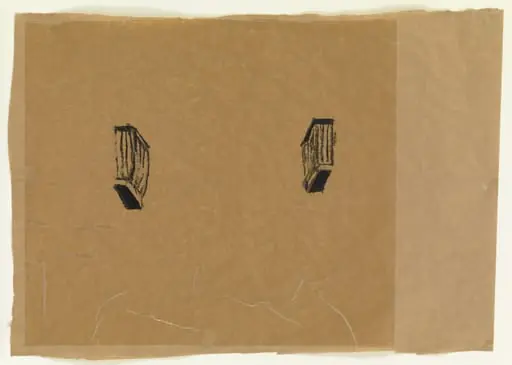
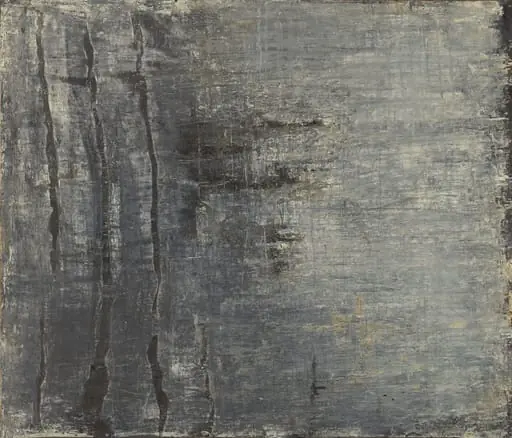
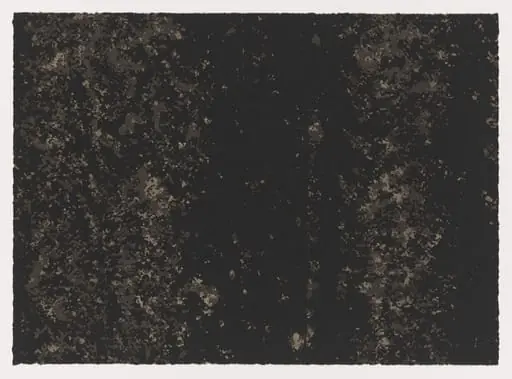
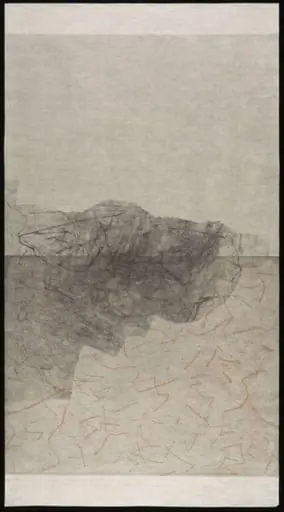
Untitled is a watercolor drawing by Morris Graves. It dates from 1943 and is held in the collection of the Museum of Modern Art.
About this work
Overview
Executed with a restrained palette and tactile surface, it reflects his deep engagement with the natural world and Eastern spiritual traditions.
Created in 1943, this watercolor and gouache drawing on mulberry paper is one of Morris Graves’s intimate, meditative works. Executed with a restrained palette and tactile surface, it reflects his deep engagement with the natural world and Eastern spiritual traditions. The paper’s texture and irregular edges remain visible, emphasizing the handmade quality of the piece. It is part of The Museum of Modern Art’s collection, representing Graves’s contribution to mid-century American art rooted in regional and philosophical inquiry.
Subject & Meaning
The composition suggests organic forms—twisting dark lines resembling roots or vines—emerging from an undefined space. Faint, translucent shapes hover near the upper margin, possibly evoking birds or leaves in flight or decay. These elements are not literal but allude to themes of transience, inner vision, and the unseen forces of nature. Graves’s imagery resists fixed interpretation, inviting contemplation rather than narrative, aligning with his interest in consciousness and spiritual quietude.
Technique & Style
Graves layered watercolor and gouache to create soft, uneven transitions between light and shadow. The mulberry paper’s fibrous surface absorbed pigment unevenly, enhancing the work’s tactile, imperfect quality. Thick black strokes were applied with deliberate weight, while pale forms were built through glazing, allowing the paper’s texture to show through. The result is a surface that feels both deliberate and spontaneous, echoing the rhythms of natural growth and erosion.
History & Provenance
This work was produced during a period when Graves was refining his distinctive visual language, following his emergence as a key figure in the Northwest School. It entered The Museum of Modern Art’s collection in the decades after its creation, reflecting institutional recognition of his role in expanding American modernism beyond urban centers. Its preservation in a major museum underscores its significance within the broader narrative of 20th-century American drawing.
Context
In the early 1940s, Graves and other Pacific Northwest artists turned away from European modernist trends to develop a style informed by local landscapes and Asian philosophies. This work emerged amid a cultural moment when artists sought spiritual depth through quiet observation of nature. The use of handmade paper and restrained pigments aligned with a broader interest in material authenticity and meditative practice, distinguishing Graves’s approach from contemporaneous abstraction.
Legacy
Graves’s use of subtle tonal variation and symbolic ambiguity influenced later generations of artists interested in contemplative art. His integration of Asian aesthetics into Western mediums helped broaden the vocabulary of American modernism. While not widely exhibited, this drawing remains a quiet exemplar of his lifelong pursuit of visual silence—a language of form and light that prioritizes inner experience over external representation.
Artist & collection
Artist
Morris Cole Graves (August 28, 1910 – May 5, 2001) was an American painter. He was one of the earliest Modern artists from the Pacific Northwest to achieve national and international acclaim. His style, referred to by…