Artwork
Câmp fertil
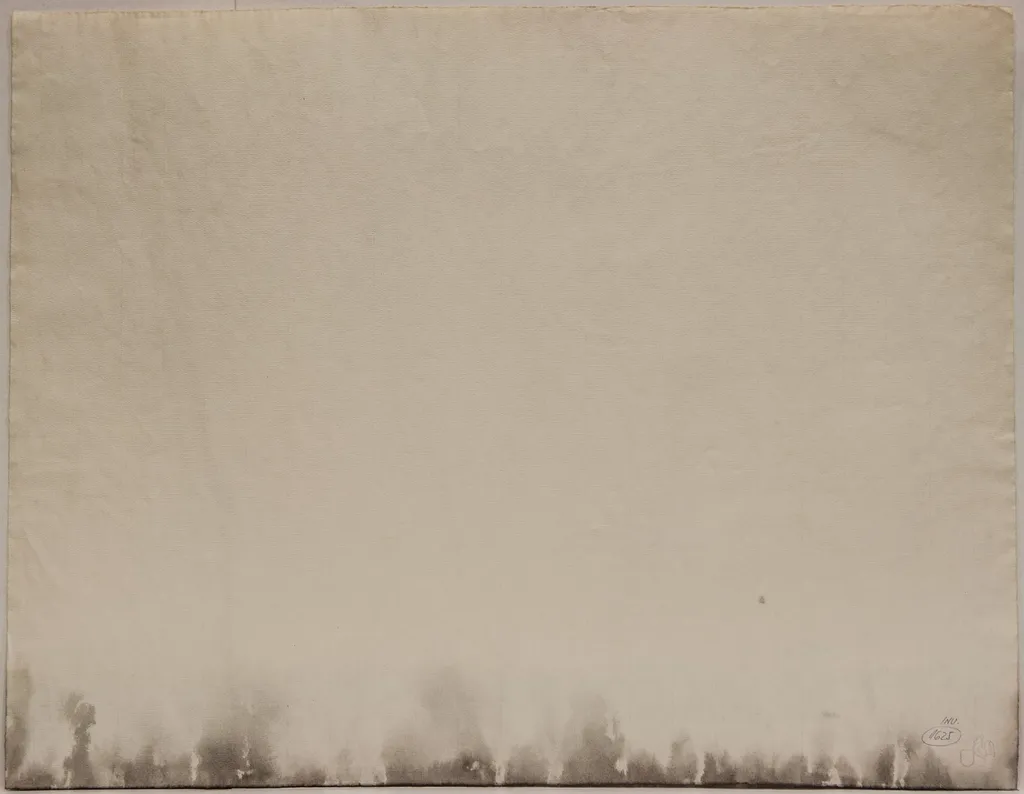
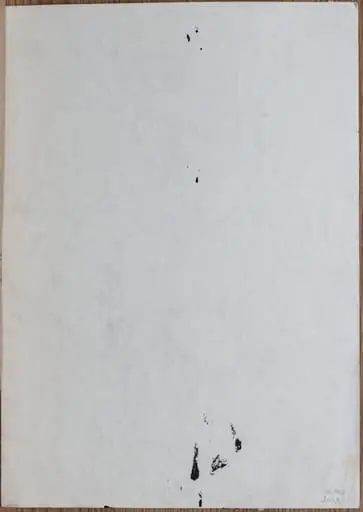
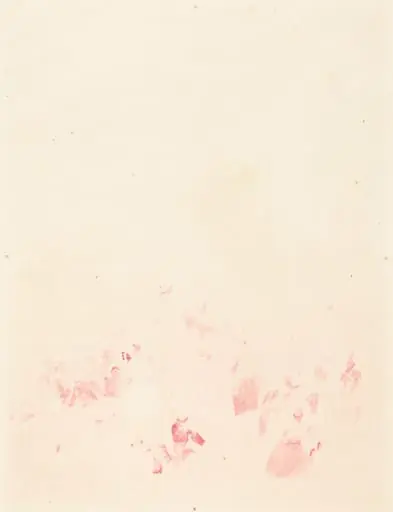
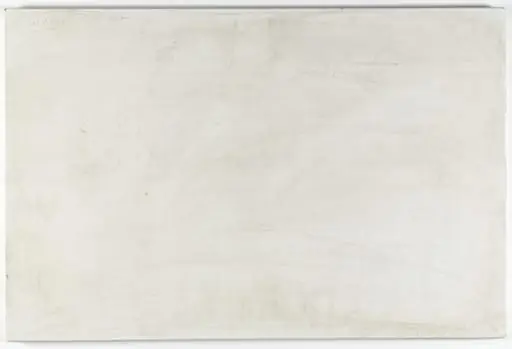
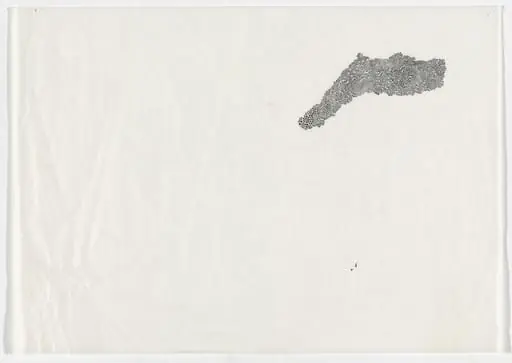
Câmp fertil is an unspecified painting by Lajos Balogh. It dates from 1950 and is held in the collection of the Gavrila Simion Eco-Museum Research Institute Tulcea.
About this work
Overview
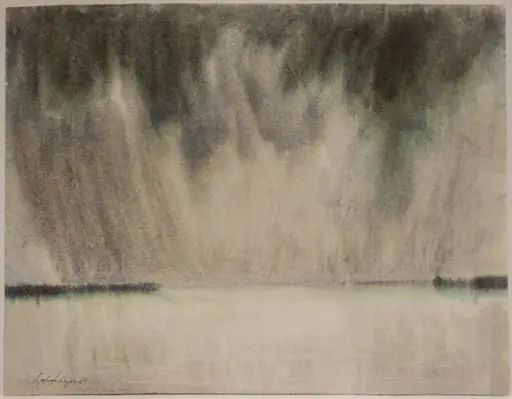
Its subdued palette and soft transitions between tones create a sense of stillness, evoking a quiet, almost ethereal atmosphere rather than a specific location.
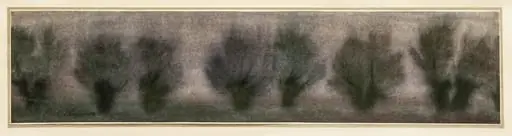
Câmp fertil, dated around 1950, is a landscape painting by Hungarian artist Lajos Balogh. It resides in the collection of the Museum of Ethnography. The work presents a vast, minimally detailed expanse of open land beneath a pale, muted sky. Its subdued palette and soft transitions between tones create a sense of stillness, evoking a quiet, almost ethereal atmosphere rather than a specific location.
Subject & Meaning
The painting depicts an undifferentiated field, devoid of human activity or structural elements. Faint, indistinct dark marks suggest distant vegetation, but they are rendered with such subtlety that they dissolve into the surrounding tone. This ambiguity invites contemplation of land as a silent, enduring presence, perhaps reflecting postwar themes of solitude or the quiet resilience of rural environments.
Technique & Style
Balogh employed light, loose brushwork to suggest form without defining it sharply. Colors blend gently, creating a hazy effect reminiscent of sfumato, where edges fade into one another. The absence of strong contrasts or detailed textures reinforces the painting’s atmospheric quality, prioritizing mood over topographical accuracy.
History & Provenance
Created in the early 1950s, the painting entered the collection of the Museum of Ethnography in Budapest, where it remains today. Its acquisition likely reflects institutional interest in Hungarian modernist landscape traditions during the postwar period, though specific details of its early ownership or exhibition history are not widely documented.
Context
In the context of mid-20th-century Hungarian art, Câmp fertil aligns with a trend toward lyrical abstraction and emotional restraint in landscape painting. While political pressures favored socialist realism, some artists turned to quiet, introspective scenes as a form of subtle resistance or personal expression, focusing on nature’s quiet endurance.
Legacy
The painting contributes to a lesser-known strand of Hungarian modernism that values atmosphere over narrative. Though not widely exhibited outside Hungary, it exemplifies how artists used minimalism and tonal subtlety to convey emotional depth during a period of cultural constraint, influencing later generations interested in meditative landscape expression.
Artist & collection
Artist
Lajos Balogh was a Hungarian athlete and later coach, architect, engineer, politician and sports official.
Museum
Gavrila Simion Eco-Museum Research Institute Tulcea
Continue through works from the same source collection.