Artwork
Paul Sérusier
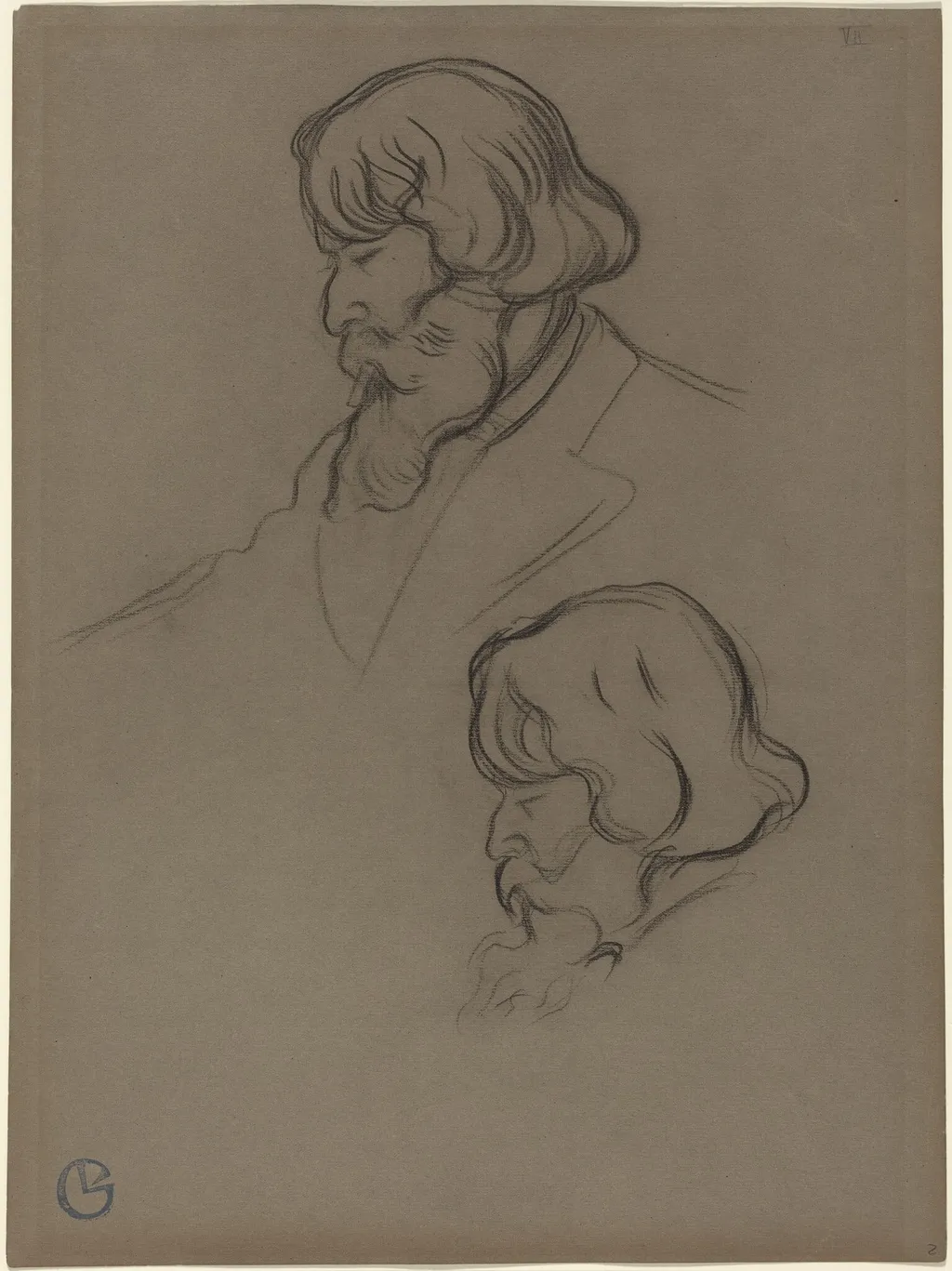
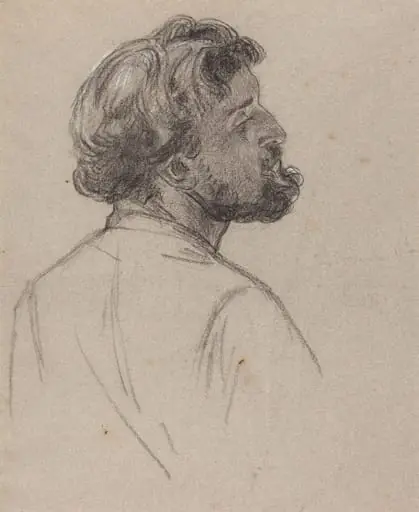
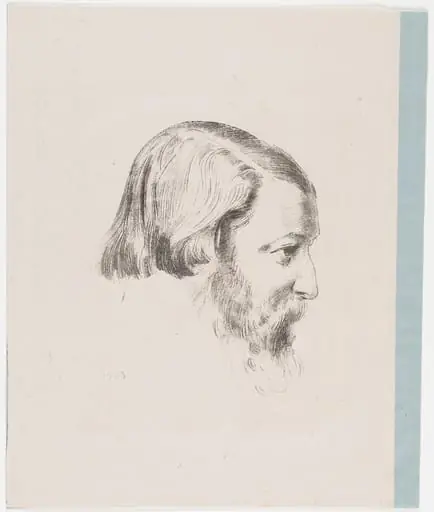
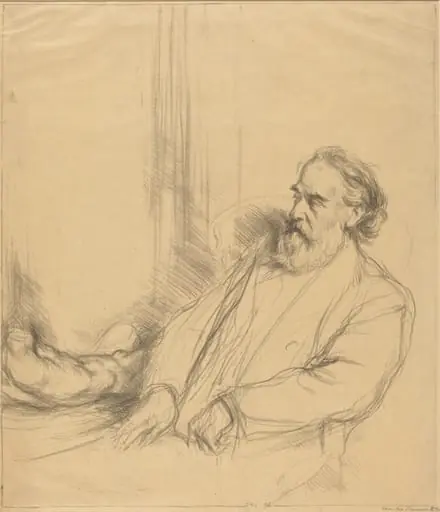
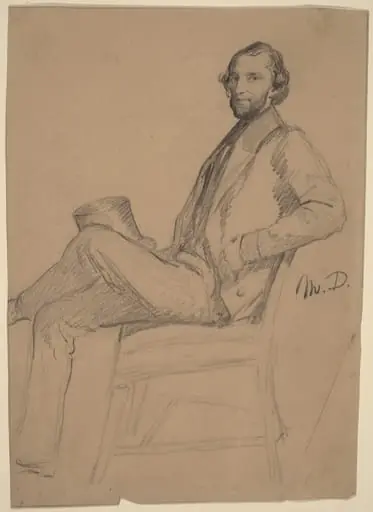
Paul Sérusier is a charcoal drawing by the Impressionist artist Georges Lacombe. It dates from 1895 and is held in the collection of the National Gallery of Art.
About this work
Overview
Georges Lacombe’s 1895 charcoal drawing, titled “Paul Sérusier,” portrays the French painter Paul Sérusier seated with a relaxed posture. Executed on gray paper, the work measures a modest size and is rendered entirely in charcoal, emphasizing tonal contrast and gestural line work. The piece belongs to Lacombe’s early period, reflecting his interest in quick, expressive studies of fellow artists.
Subject & Meaning
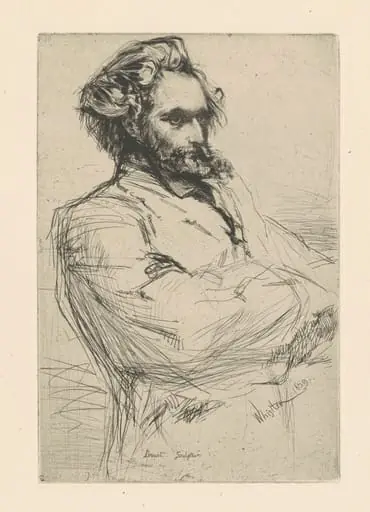
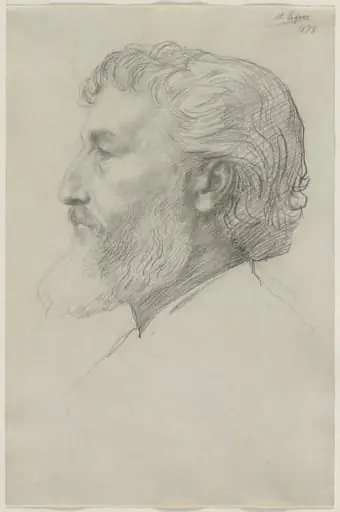
The figure depicted is a bearded man with curly hair, his head inclined slightly as if in contemplation. His hands rest calmly on his lap, and a loosely draped collar frames his shoulders. By focusing on the sitter’s pose rather than intricate detail, Lacombe captures a moment of informal intimacy, suggesting a personal connection between the two artists.
Technique & Style
Lacombe employs swift, loose charcoal strokes that prioritize shape and movement over fine rendering. The gray paper provides a mid‑tone ground, allowing the charcoal’s dark lines to stand out while also enabling subtle shading through varied pressure. This approach aligns with the sketchy, practice-oriented drawings common among Symbolist and Post‑Impressionist circles in the mid‑1890s.
History & Provenance
Created in 1895, the drawing emerged during a period when Lacombe and Sérusier were active members of the Pont‑Aven and Nabis groups. Though the work’s early exhibition history is not extensively documented, it has remained within collections that focus on late‑19th‑century French avant‑garde art, illustrating the collaborative network of artists of that era.
Artist & collection