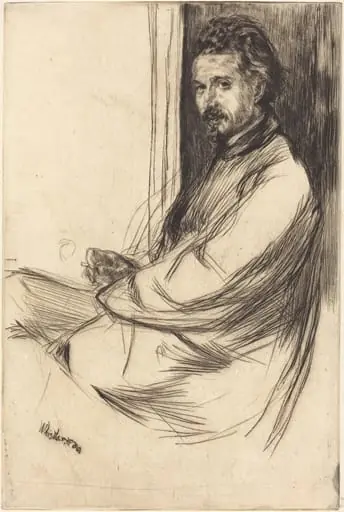
Artwork
C. L. Drouet, Sculptor
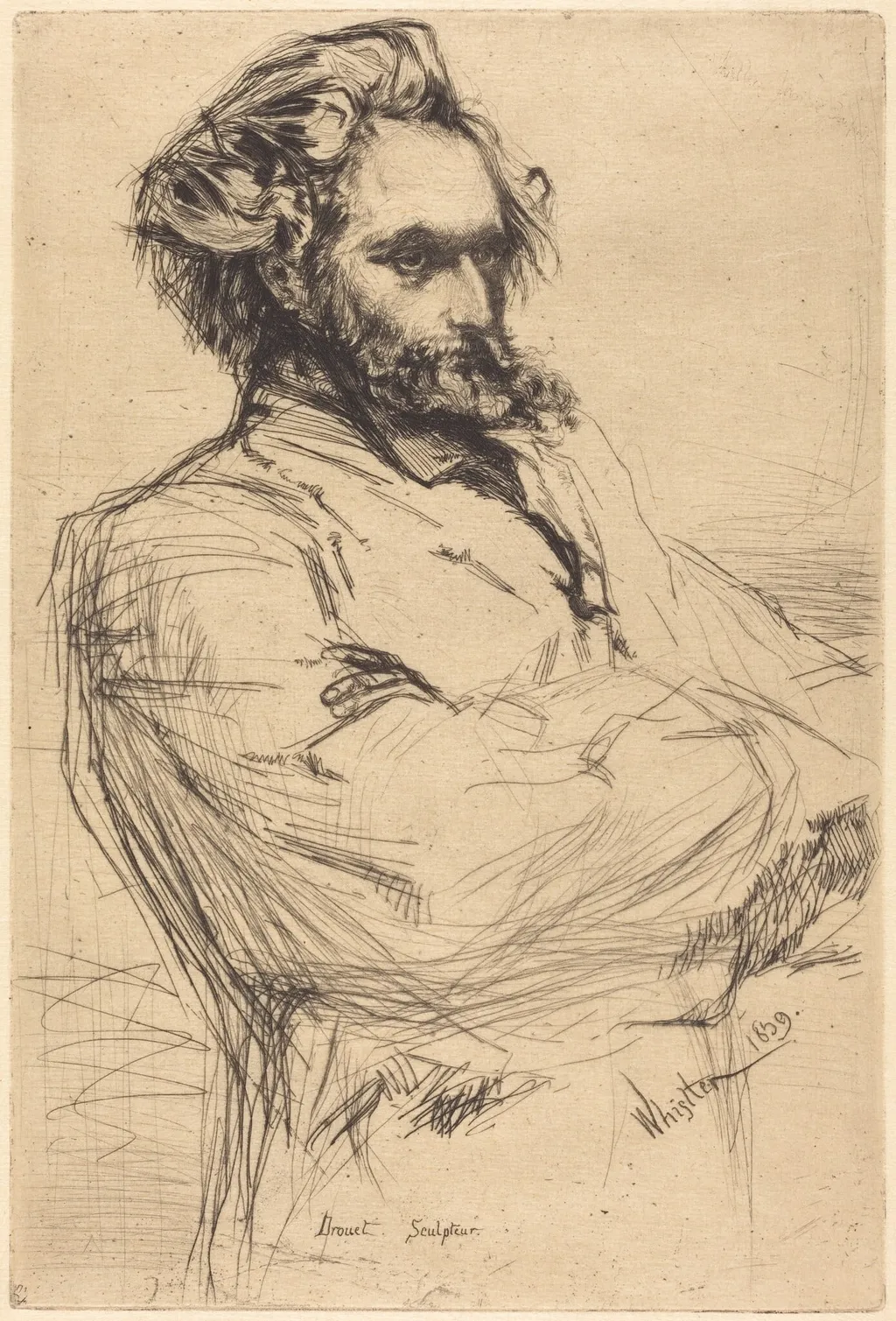
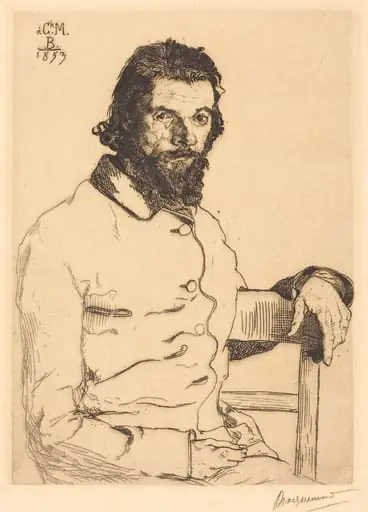
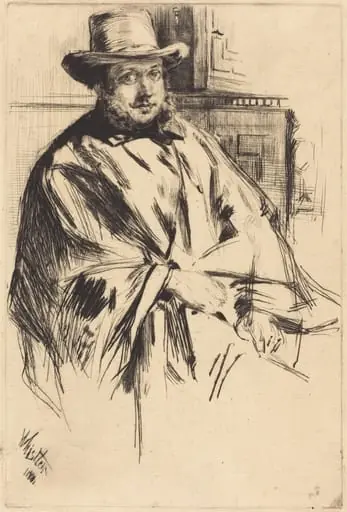
C. L. Drouet, Sculptor is an ink print by the Impressionist artist James McNeill Whistler. It dates from 1859 and is held in the collection of the National Gallery of Art.
About this work
Next, check out technique: drypoint—this sketch was made by etching lines into a metal plate.
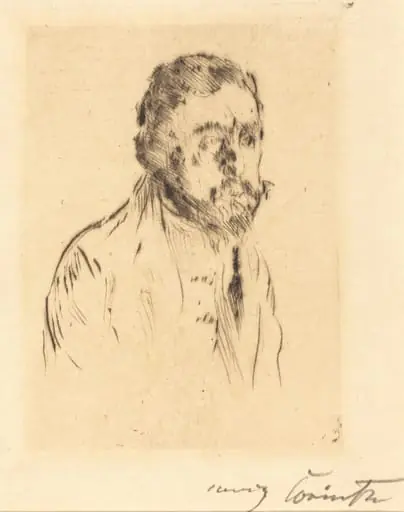
This sketch shows a bearded man in a loose coat, his hands tucked into his lap. His hair is tousled, and he’s looking off to the side with a serious expression. The lines are rough and scratchy, almost like quick pencil strokes—no smooth shading here.
The artist signed it *Whistler* in the corner, along with the year *1859*. The words *Drouet, Sculpteur* hint this is a sculptor, not a painter.
Next, check out technique: drypoint—this sketch was made by etching lines into a metal plate.
Overview
James McNeill Whistler produced a drypoint portrait in 1859 titled *C. L. Drouet, Sculptor*. Executed on Asian laid paper, the work presents a straightforward study of the French sculptor Charles Louis Drouet, rendered in the artist’s early, unembellished style before the later development of his signature monogram and more decorative approach.
Subject & Meaning
The image captures Drouet seated, his beard and loose coat suggesting a relaxed yet attentive demeanor. His hands rest in his lap, and his gaze is directed away from the viewer, conveying a contemplative, perhaps professional, atmosphere typical of portraiture intended to document a fellow artist within the realist circles of mid‑nineteenth‑century Paris.
Technique & Style
Whistler employed drypoint, incising lines directly into a metal plate, which yields a characteristic rough, scratchy quality. The resulting marks on the paper resemble rapid pencil strokes, lacking the smooth tonal gradations of his later etchings. The composition is spare, focusing on contour rather than elaborate shading.
History & Provenance
Created while Whistler was residing in London, the print reflects his early engagement with printmaking during a period when he was establishing his reputation in the United Kingdom. The work bears his signature and the date 1859 in the lower corner, confirming its place within his formative output.
Context
At the time of its creation, Whistler was exploring the possibilities of drypoint alongside his painting practice, emphasizing technical precision over narrative content. The portrait aligns with contemporary realist interests in depicting artists and craftsmen as subjects, rather than mythological or historical figures.
Artist & collection
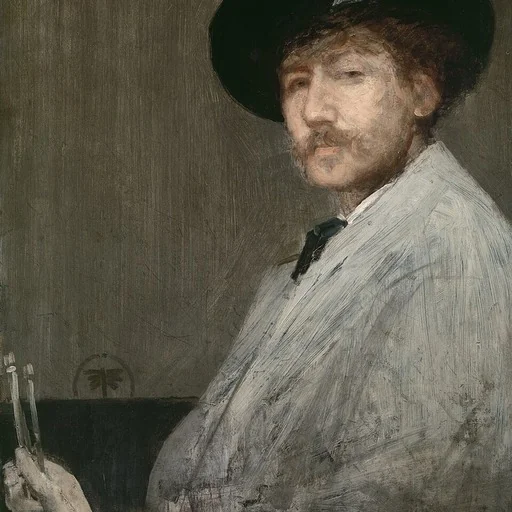
Artist
James Abbott McNeill Whistler was an American painter in oils and watercolor, and printmaker, active during the American Gilded Age and based primarily in the United Kingdom.

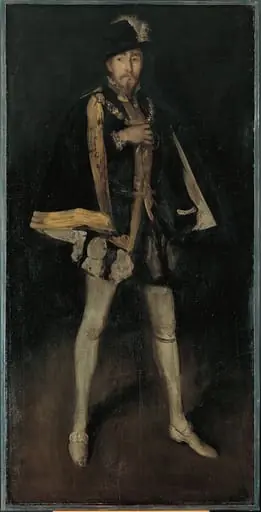 Arrangement in Black, No. 3: Sir Henry Irving as Philip II of Spain
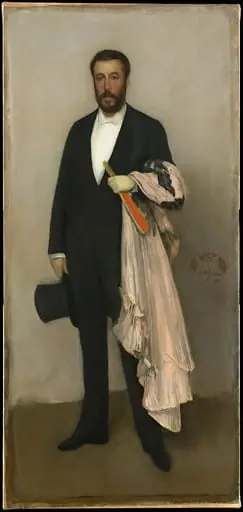 Arrangement in Flesh Colour and Black: Portrait of Theodore Duret
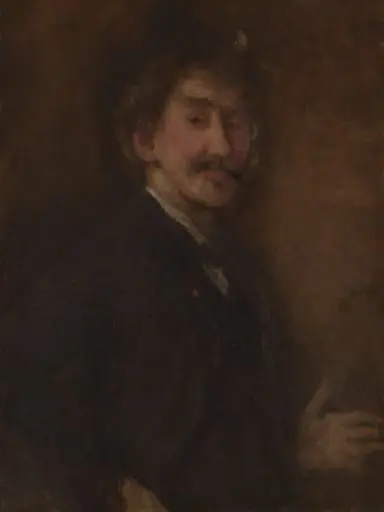 Gold and Brown: Self-Portrait
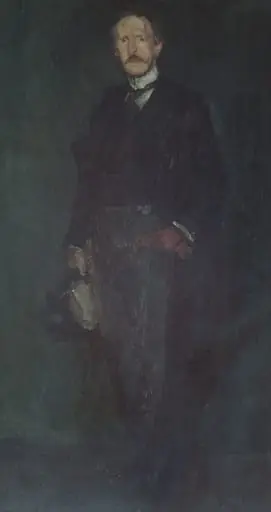 Edward Guthrie Kennedy
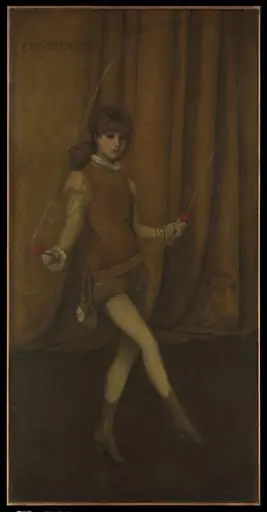 Harmony in Yellow and Gold: The Gold Girl—Connie Gilchrist
 George W. Vanderbilt
 Symphony in White, No. 1: The White Girl
 Henry Irving as Philip II of Spain