Artwork
Vânătoare de mistreț
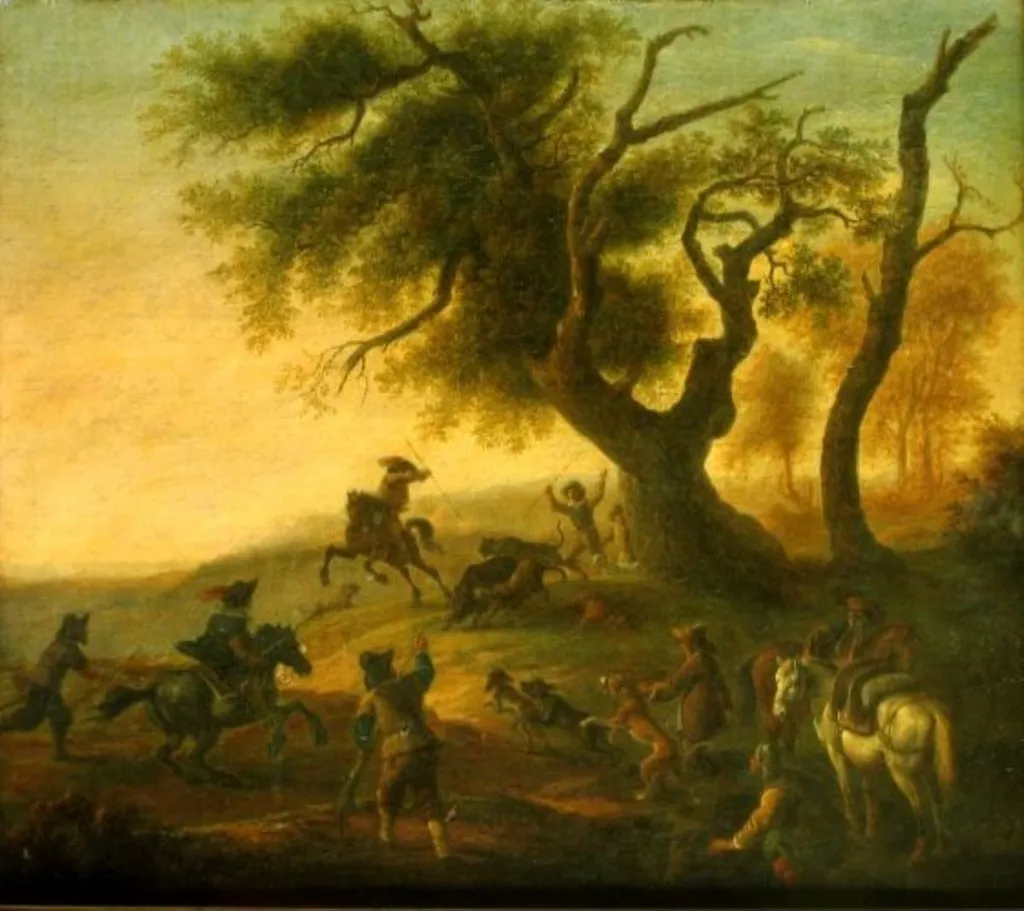
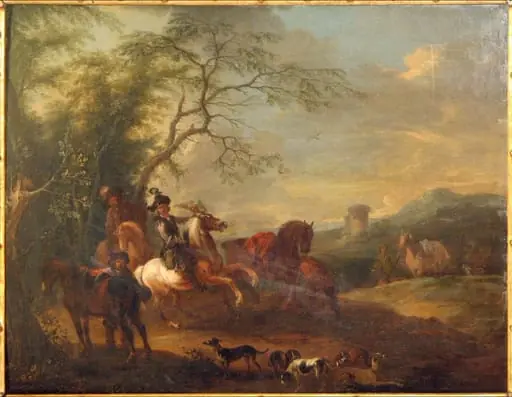
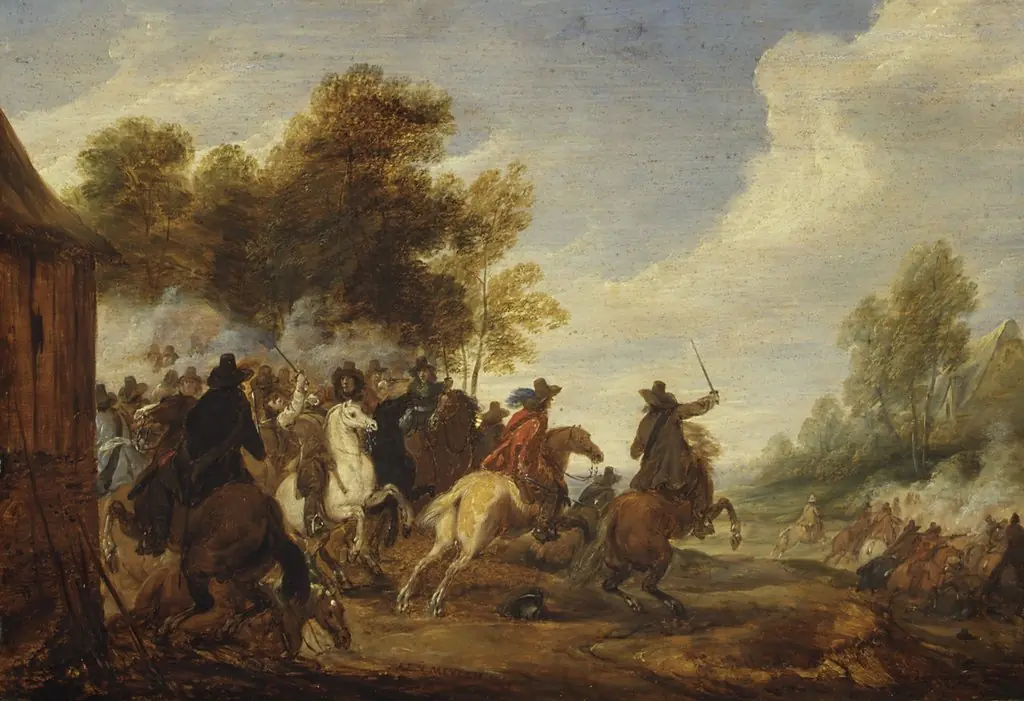
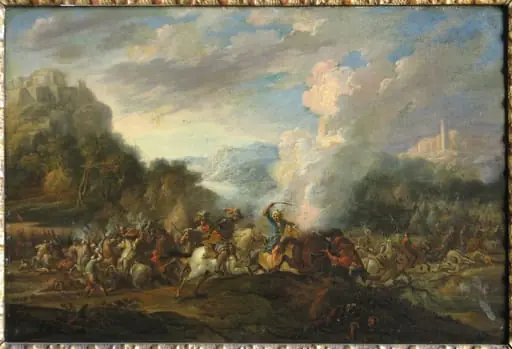
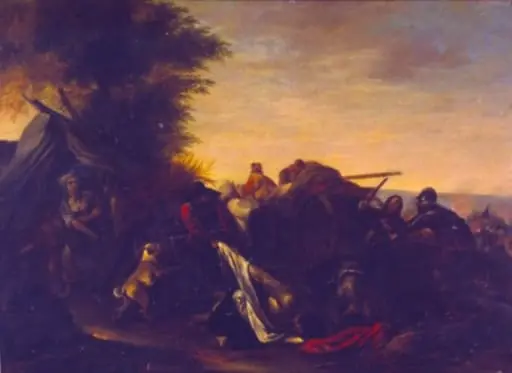
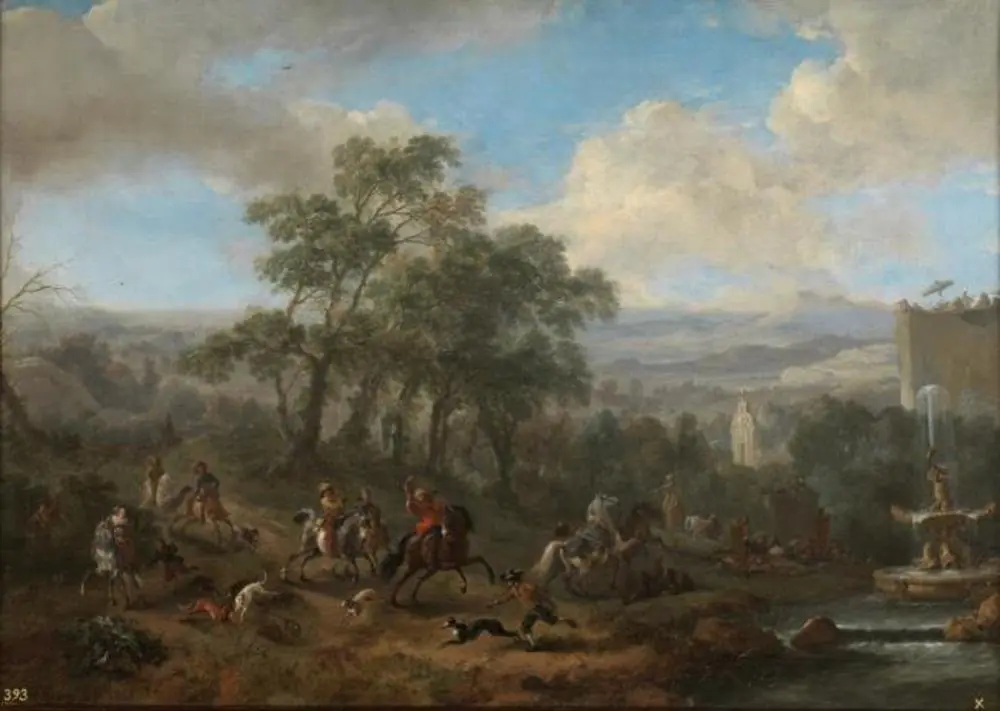
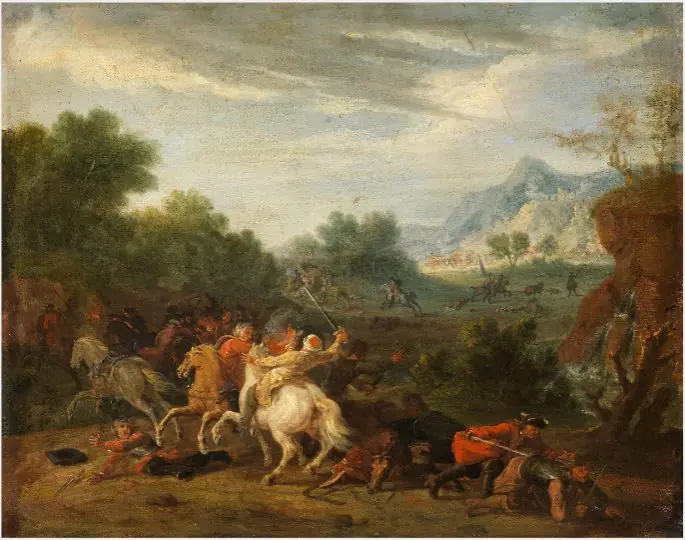
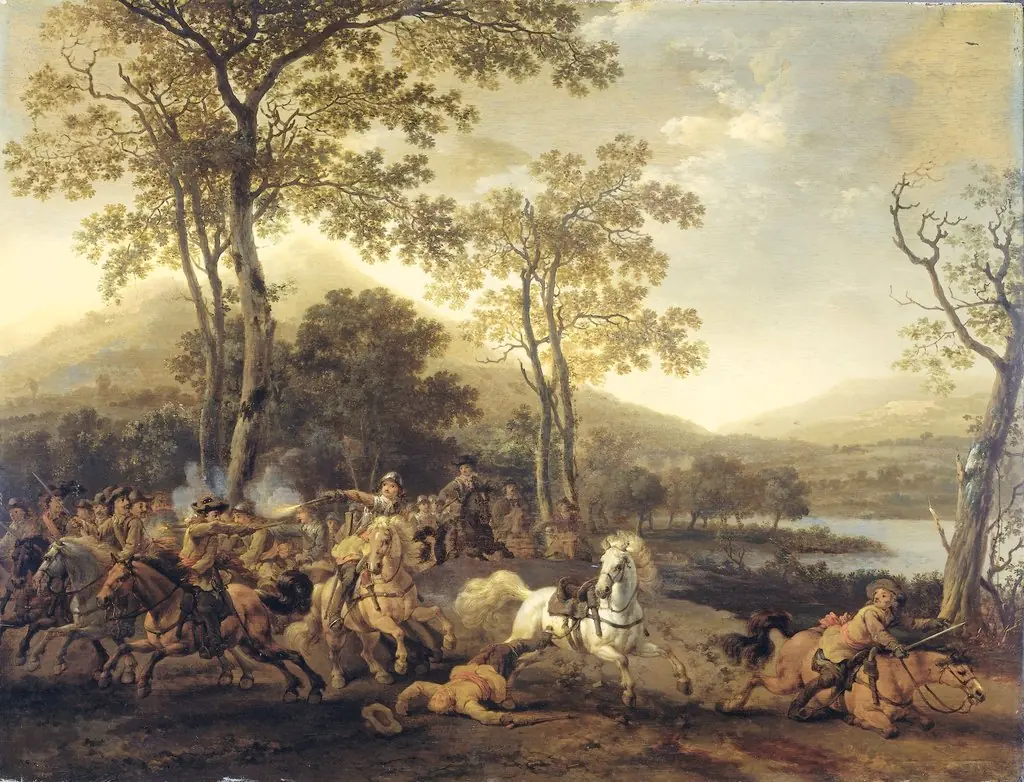
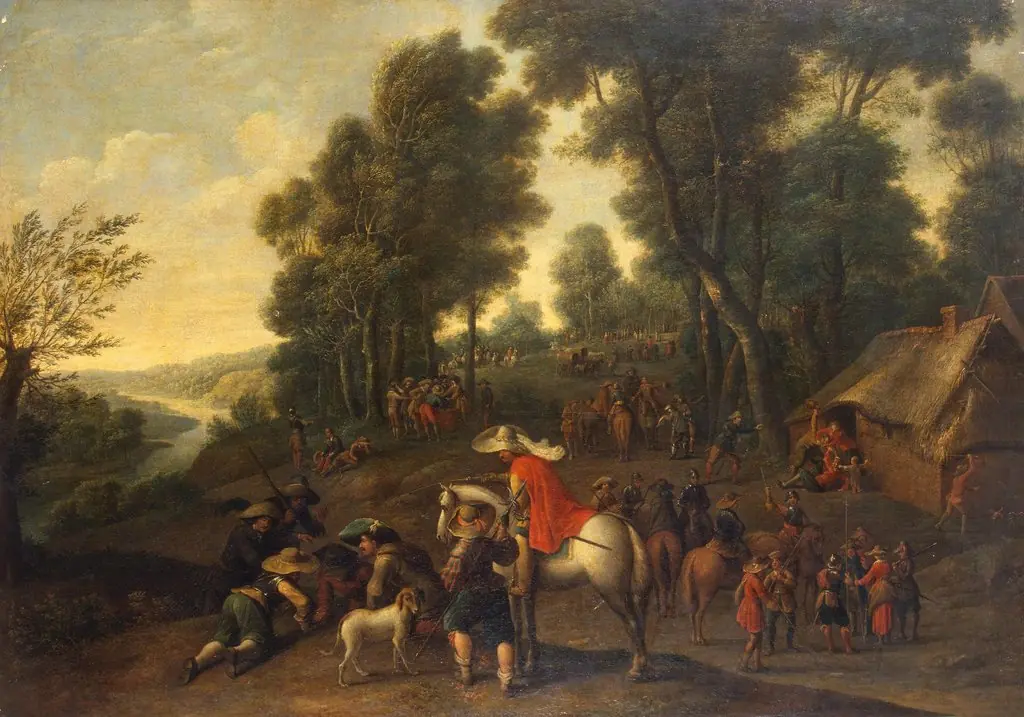
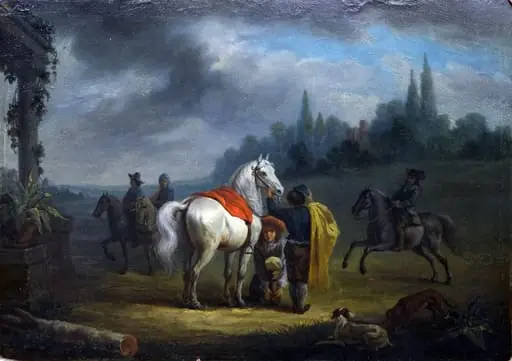
Vânătoare de mistreț is an unspecified painting by the Baroque artist Pieter van Laer. It dates from 1627 and is held in the collection of the Brukenthal National Museum.
About this work
Overview
Van Laer, a Dutch artist residing in Rome, was known for his unidealized portrayals of rural life and animal encounters.
Painted around 1627 by Pieter van Laer, *Vânătoare de mistreț* depicts a boar hunt in a dense woodland. Van Laer, a Dutch artist residing in Rome, was known for his unidealized portrayals of rural life and animal encounters. This work exemplifies his focus on dynamic, unpolished moments drawn from observation rather than classical convention, distinguishing him from his contemporaries in the Roman art scene.
Subject & Meaning
The scene captures a violent, chaotic hunt with dogs lunging, hunters shouting, and spears gleaming in dim light. There is no mythological or allegorical framing—only the raw immediacy of the chase. Van Laer presents the hunt as a visceral, earthly event, emphasizing physical exertion and instinct over heroism. The absence of nobility or moralizing reflects a shift toward documenting lived experience in the natural world.
Technique & Style
Van Laer employed rapid, loose brushwork to convey motion and atmosphere, avoiding the polished finish typical of academic painting. Strong contrasts of light and shadow—chiaroscuro—heighten the drama without idealizing forms. The forest is rendered with minimal detail, suggesting depth through tone rather than precision. This sketch-like approach lends urgency to the scene, aligning with the spontaneous energy of the hunt itself.
History & Provenance
Created during van Laer’s time in Rome, the painting emerged from a circle of Northern artists who gathered in the city and adopted his informal style. Known as the Bamboccianti after his nickname, Il Bamboccio, this group rejected grand historical themes in favor of everyday subjects. While the painting’s early ownership is undocumented, its style became influential among later Roman genre painters seeking authenticity over ornamentation.
Context
In early 17th-century Rome, most art served religious or aristocratic patrons, favoring idealized narratives. Van Laer’s focus on rural labor and animal hunts stood in stark contrast. His work resonated with expatriate Dutch and Flemish artists who valued direct observation. The Bamboccianti movement, though dismissed by some contemporaries as vulgar, laid groundwork for later naturalism in European painting.
Legacy
Van Laer’s approach influenced a generation of painters who prioritized everyday realism over classical ideals. The term Bamboccianti became a label for artists who continued his focus on low-life subjects, extending his impact into the mid-17th century. Though not widely celebrated in his lifetime, his emphasis on immediacy and unembellished observation prefigured developments in Dutch genre painting and later realist traditions.
Artist & collection
Artist
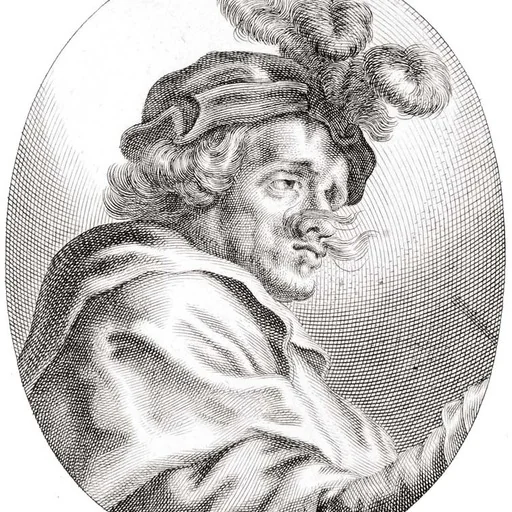
Pieter Bodding van Laer (christened 14 December 1599, in Haarlem – 1641 or later) was a Dutch painter and printmaker.