Artwork
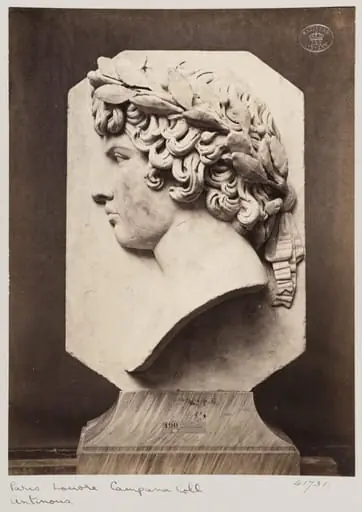
Bas-relief Bust of the Emperor Galba
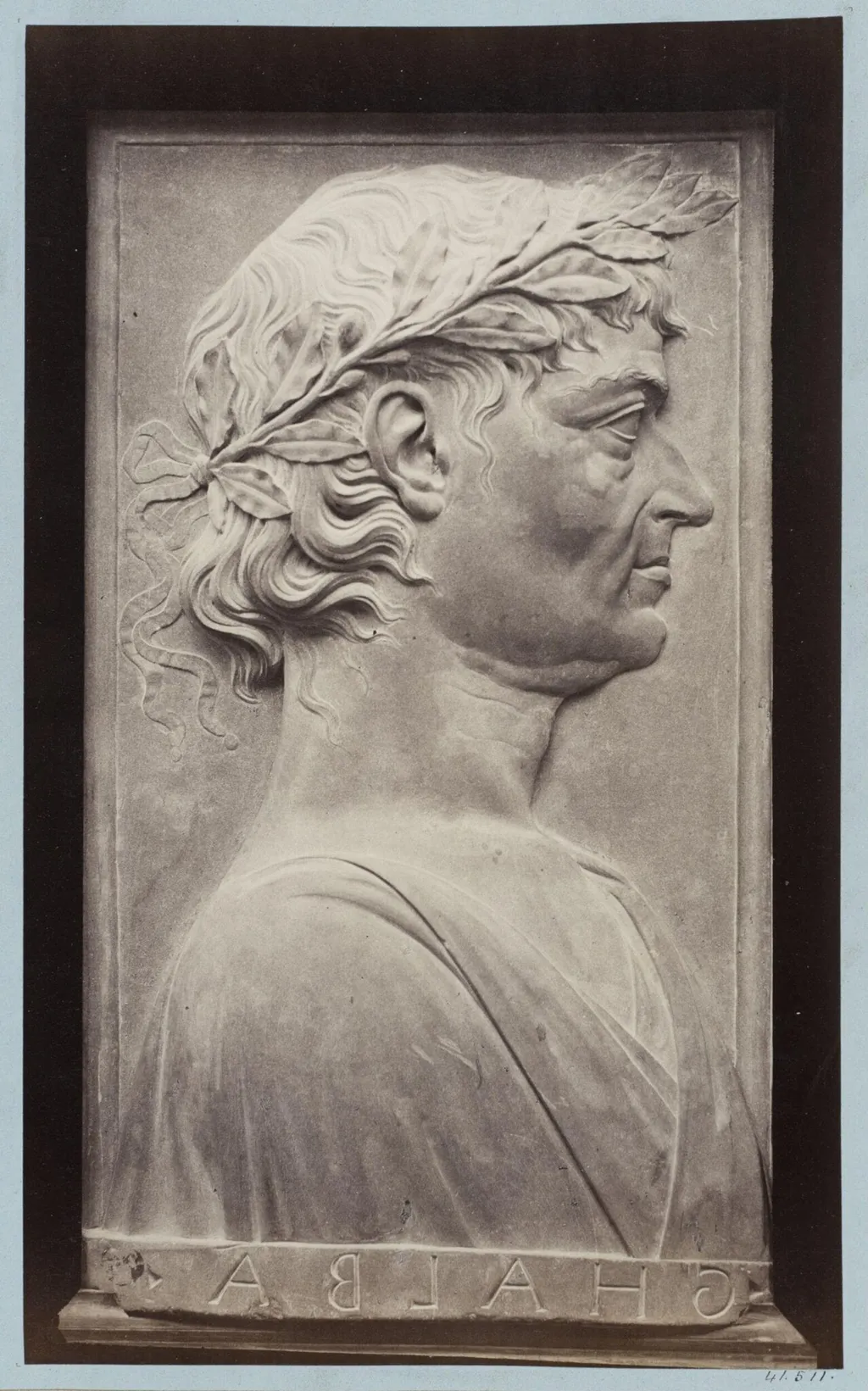
Bas-relief Bust of the Emperor Galba is a photographic photography by the Impressionist artist Louise Laffon. It dates from 1864 and is held in the collection of the Victoria and Albert Museum. The Victoria and Albert Museum’s photograph of a bas‑relief bust of the Roman emperor Galba dates to 1863‑64.
About this work
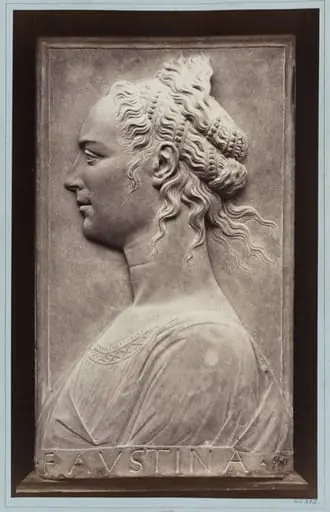
Louise Laffon made a three-dimensional photo of Emperor Galba in 1863-1864. It’s a photograph shaped like a carved relief. Museums usually keep flat photos, so this one stands out.
Laffon was overlooked for years. Yet she worked in a time when photos were new to museums. The V&A was the first to collect and show photos at all.
Check out the Victoria and Albert Museum next.
Overview
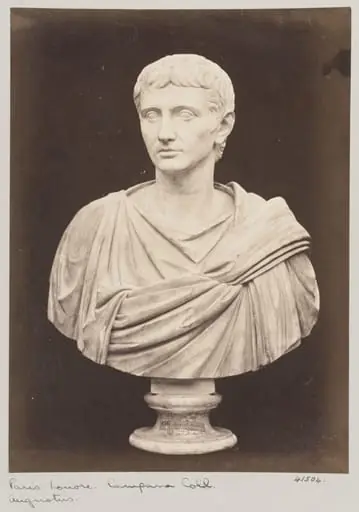
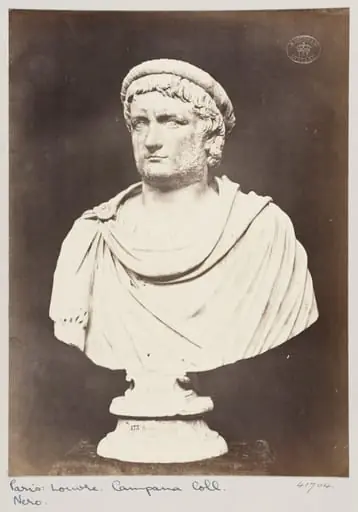
The Victoria and Albert Museum’s photograph of a bas‑relief bust of the Roman emperor Galba dates to 1863‑64. It is a three‑dimensional image, produced by French photographer Louise Laffon, that reproduces the form of a carved relief rather than presenting a flat view. The work exemplifies the early use of photography to document sculptural objects for scholarly and educational purposes.
Subject & Meaning
The image captures a stone bust of Galba, the third emperor of the Year of the Four Emperors (AD 68‑69). By rendering the relief in a three‑dimensional format, Laffon sought to preserve the tactile qualities of the original sculpture, allowing viewers to study its contours and inscriptions without direct access to the artifact.
Technique & Style
Laffon employed a stereoscopic or relief‑printing process that produced a photograph with raised surfaces, mimicking the depth of the carved stone. This method was unusual for the period, when most museum photographs were flat prints, and demonstrates an experimental approach to reproducing three‑dimensional objects in the mid‑nineteenth century.
History & Provenance
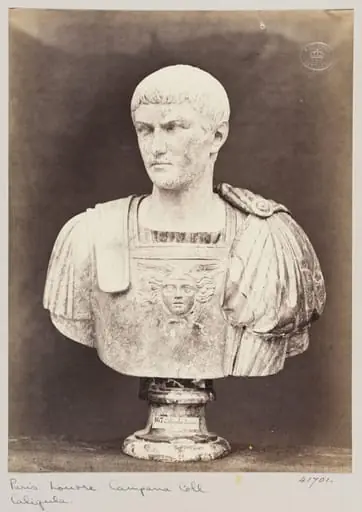
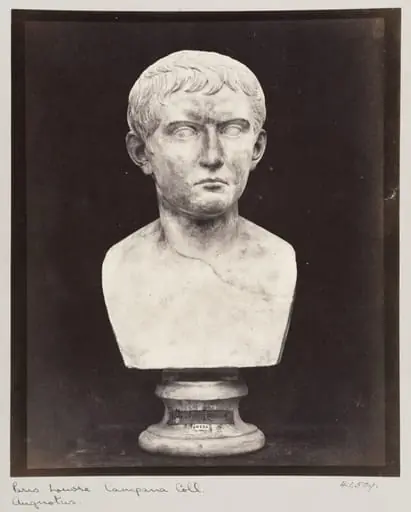
The photograph was part of a series Laffon created of objects from the Campana Collection, then housed in the Musée Napoléon III (now the Louvre). In 1864 the V&A purchased 500 images from this series through the agent Monsieur E. Cappe, incorporating them into the National Art Library’s holdings for use by scholars and museum staff.
Context
The V&A was the first British institution to collect photographs (1852) and to exhibit them (1858), under the direction of Henry Cole, who promoted photography as a teaching aid. Female photographers like Laffon and Isabel Agnes Cowper contributed significantly to this early photographic archive, though their roles have only recently been recognised.
Legacy
Laffon’s bas‑relief photograph illustrates the museum’s pioneering integration of photography into art historical research. Its three‑dimensional quality anticipates later techniques for documenting sculpture, and its recent re‑examination highlights the overlooked contributions of women photographers to museum collections.
Artist & collection
Artist
Louise Laffon (1828–1885), was a French photographer and painter. She was one of the first female professional photographers in France. She had a studio in Paris between 1859 and 1876.

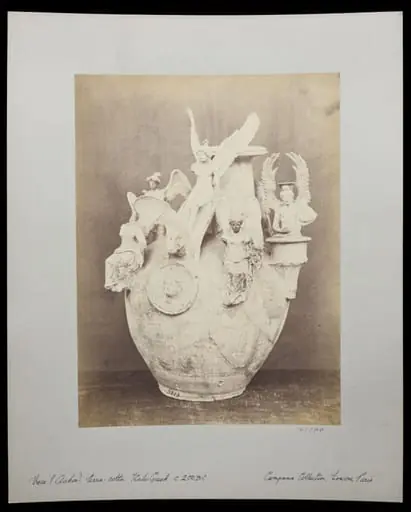 Perfume Burner in terra cotta
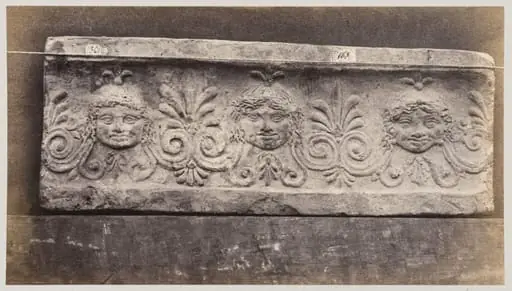 Three masques of gorgons in terra cotta
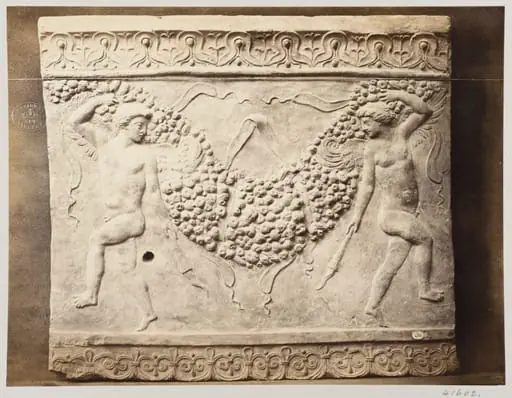 Bas-relief of portion of frieze of dancing figures with torches bearing festoon of fruit in terra cotta
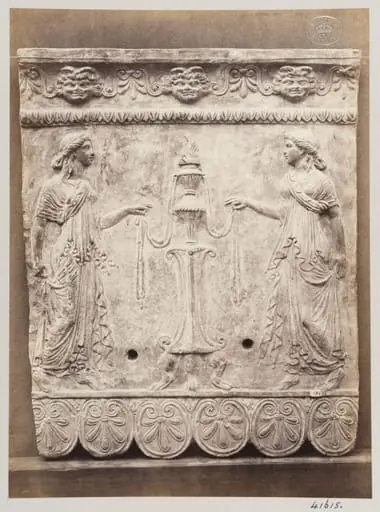 Bas-relief portion of a frieze of two draped females and an altar in terra cotta
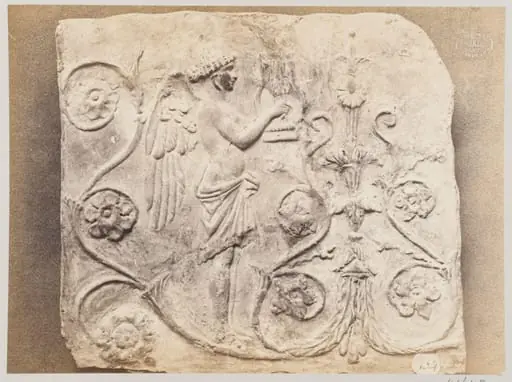 Bas-relief of a geni and a lyre in terra cotta
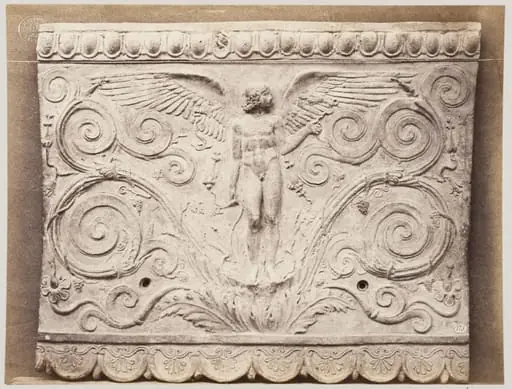 Bas-relief of a portion of frieze of Eros with scrollwork in terra cotta
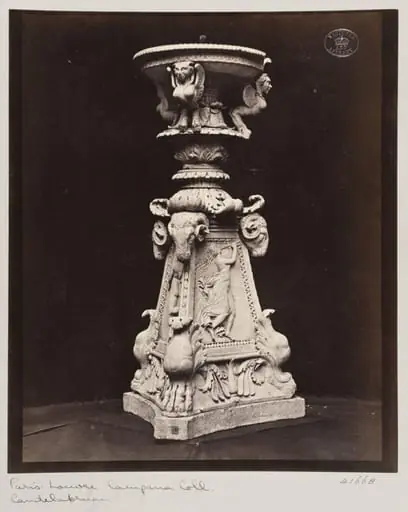 Marble sculptured fountain
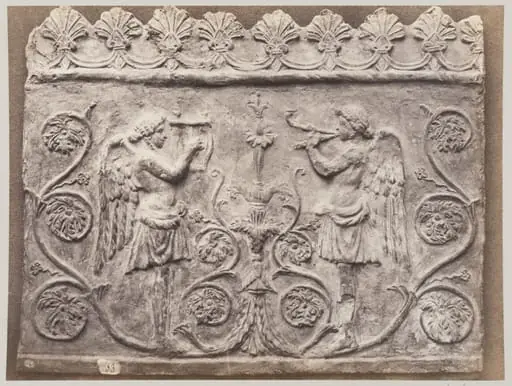 Bas-relief portion of frieze of Genii with double flutes and lyre