Artwork
The Decapitation of Saint Denis
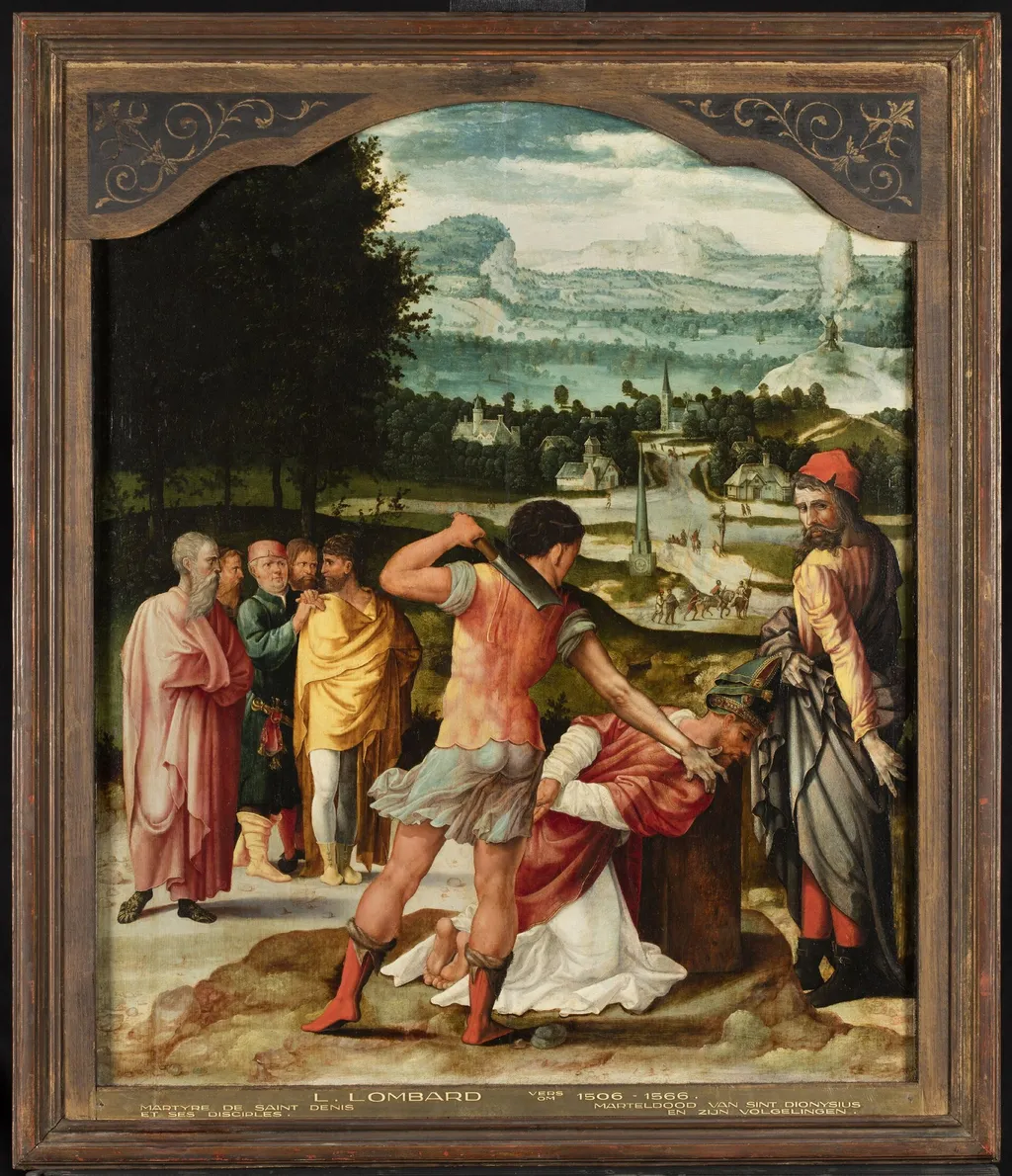
The Decapitation of Saint Denis is an oil painting by the Mannerist artist Lambert Lombard. It dates from 1535 and is held in the collection of the Royal Museums of Fine Arts of Belgium.
About this work
Overview
Lambert Lombard, a 16th‑century painter and architect from the Prince‑Bishopric of Liège, completed The Decapitation of Saint Denis in 1535. Executed in oil on canvas, the work belongs to the Royal Museums of Fine Arts of Belgium. It presents a violent biblical episode rendered in a mannerist visual language, combining narrative clarity with heightened emotional tension.
Subject & Meaning
The composition captures the moment of Saint Denis’s martyrdom: an executioner in a bright red‑yellow tunic severs the saint’s head while the kneeling figure, clothed in a red robe, endures the act. A small crowd of onlookers occupies the distant town and mountain backdrop, suggesting a public spectacle and underscoring themes of sacrifice and faith under persecution.
Technique & Style
Lombard employs oil paint to achieve vivid coloration and fine textural detail, particularly in the fabrics and landscape. Strong chiaroscuro models the figures, creating depth and emphasizing the central drama. The mannerist approach is evident in the elongated poses, exaggerated gestures, and complex spatial arrangement that heighten the emotional intensity of the scene.
History & Provenance
Since its creation, the painting has remained in the region of Lombard’s activity, eventually entering the collection of the Royal Museums of Fine Arts of Belgium. Its presence in the museum’s holdings reflects the institution’s focus on preserving works that illustrate the artistic developments of the Northern Renaissance and the spread of mannerist aesthetics in the Low Countries.
Artist & collection
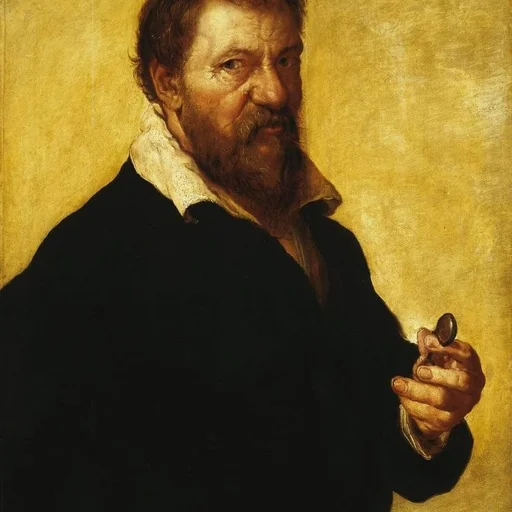
Artist
Lambert Lombard (French pronunciation: ; c. 1505 – August 1566) was a Renaissance painter, architect and theorist for the Prince-Bishopric of Liège. During his career he worked for Jan Gossaert in Middelburg and trained Frans Floris.

Museum
Royal Museums of Fine Arts of Belgium
Continue through works from the same source collection.
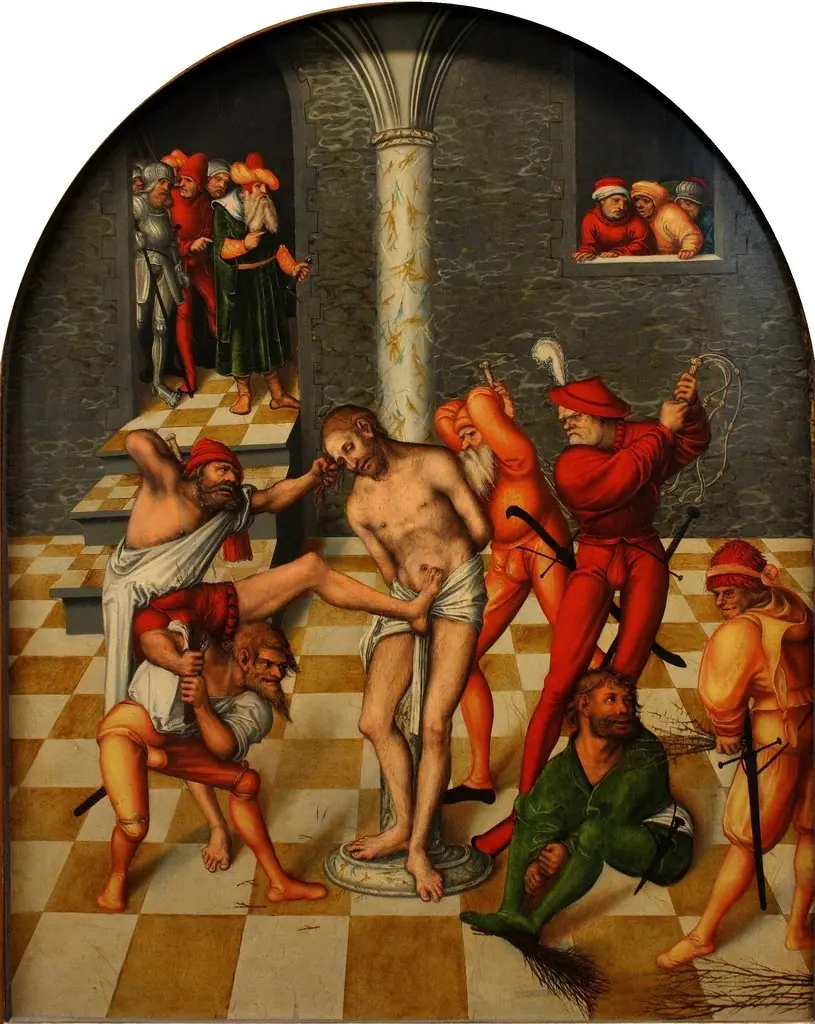 Flagellation of Christ
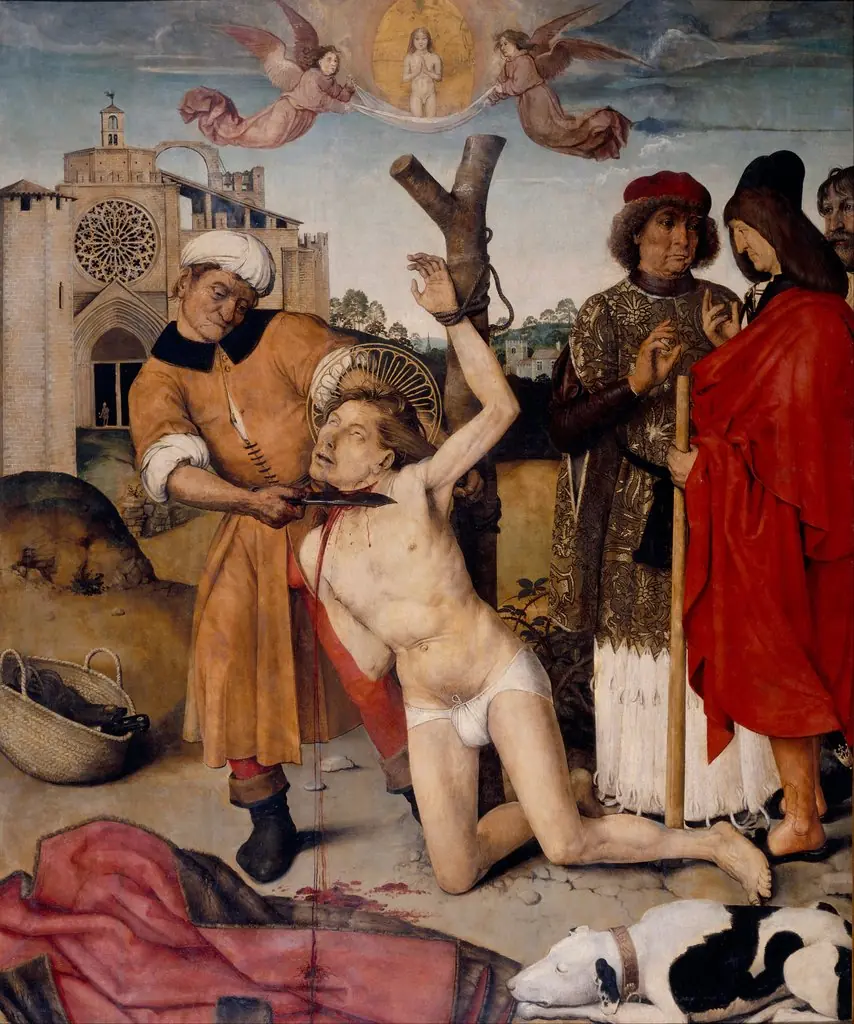 Martyrdom of Saint Cucuphas
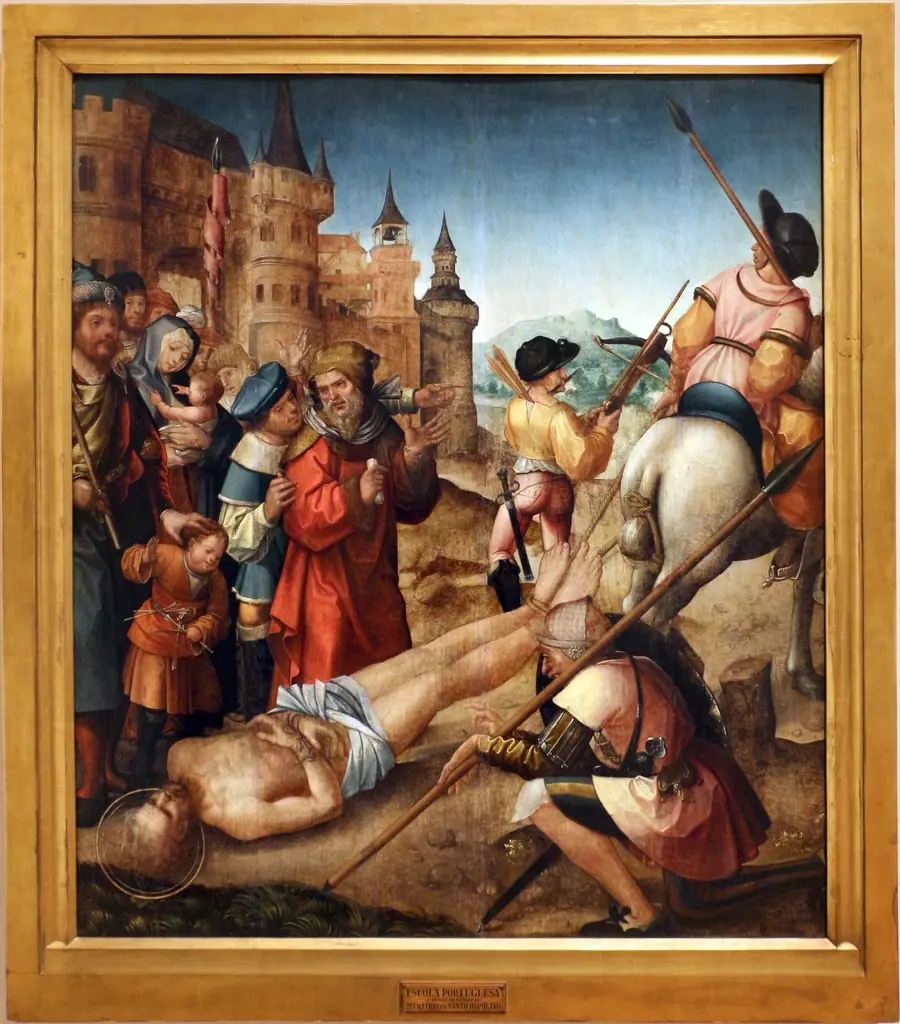 Martyrdom of Saint Hippolyte
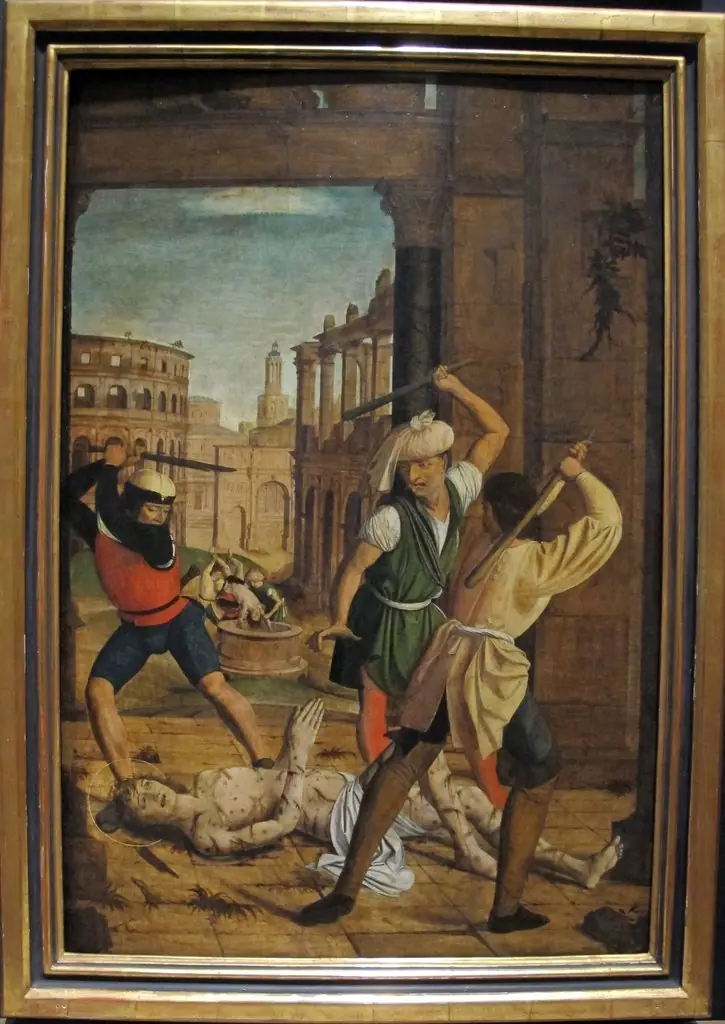 The Martyrdom of Saint Sebastian
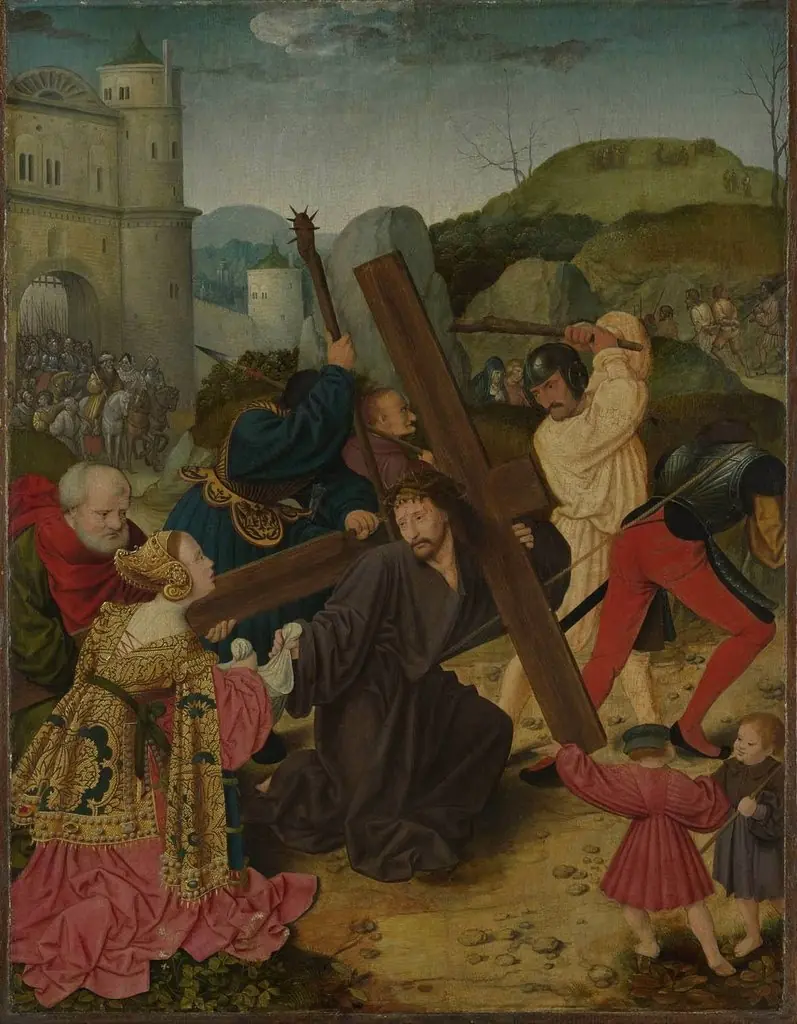 Christ carrying the cross
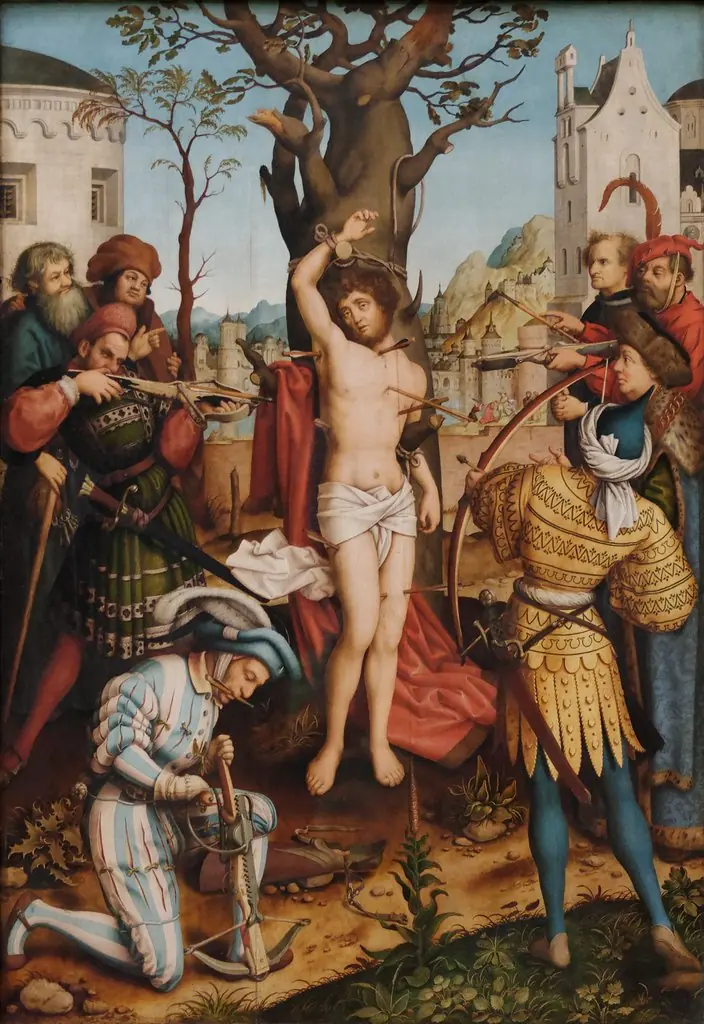 St. Sebastian Altar: The Martyrdom of St. Sebastian
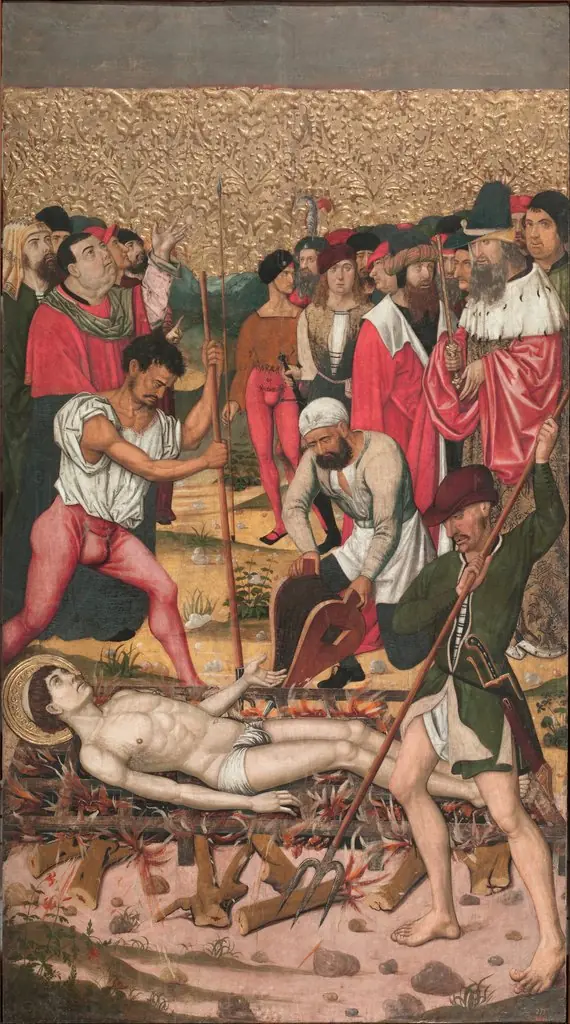 Saint Vincent on the Gridiron
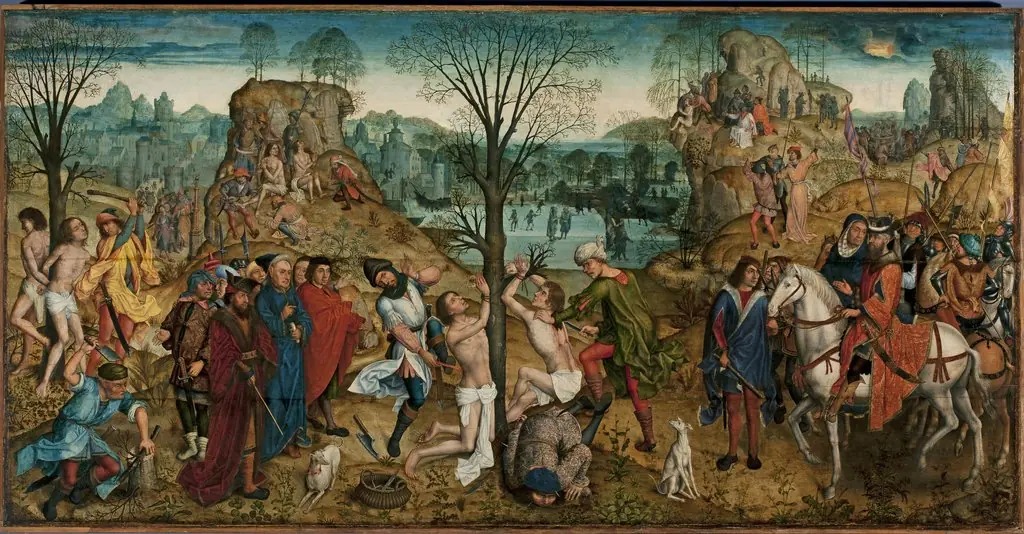 Martyrdom of St. Crispin and Crispinian
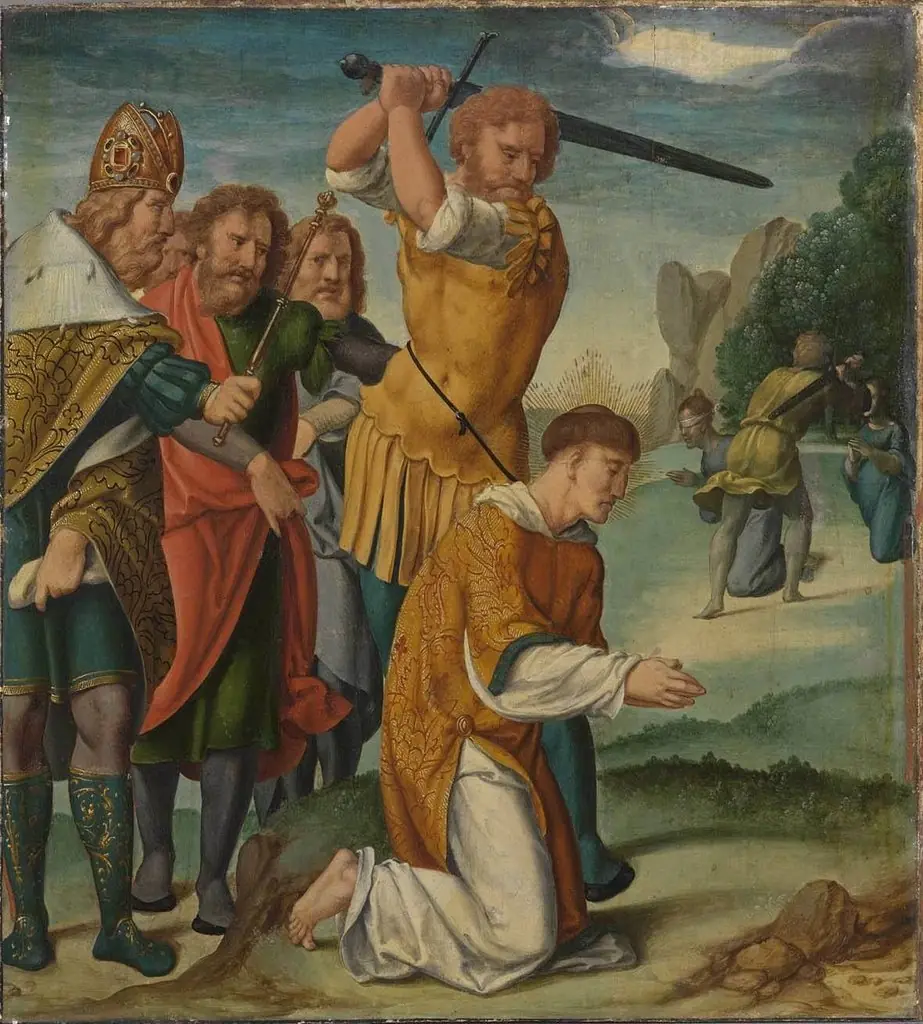 Cyriakus-Folge: Tod des hl. Cyriakus
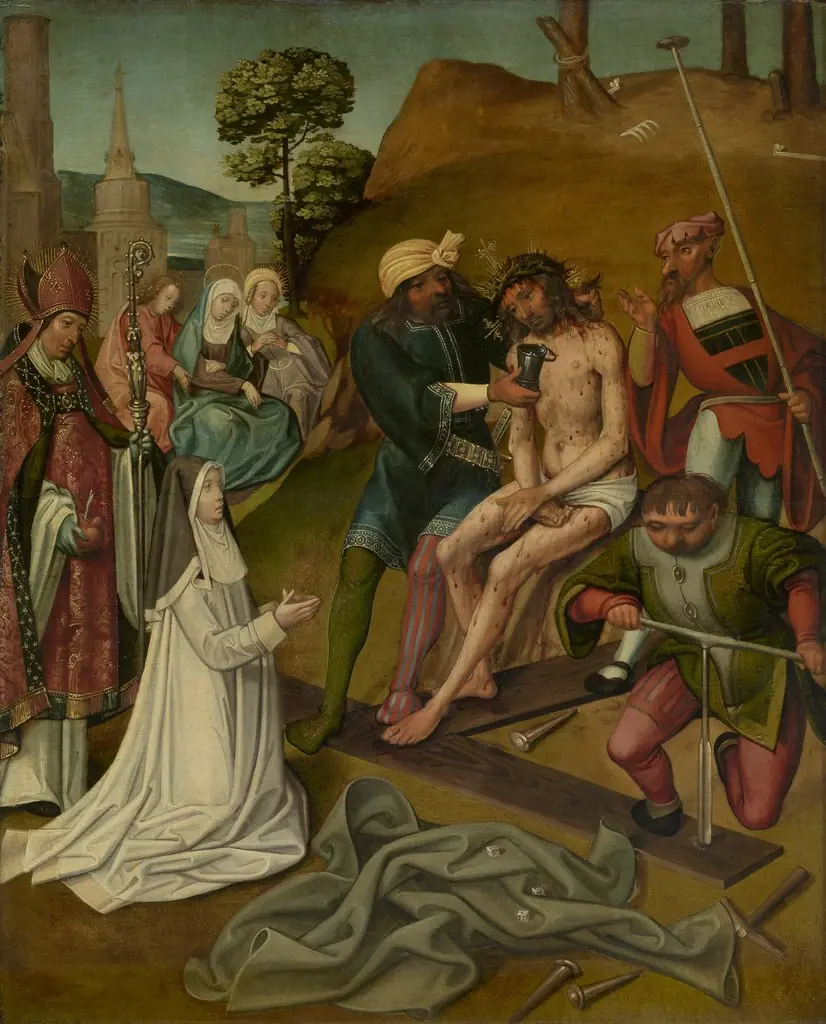 Before the Crucifixion
 Lamentation of Christ
 The Death of Saint Peter Martyr